japancv
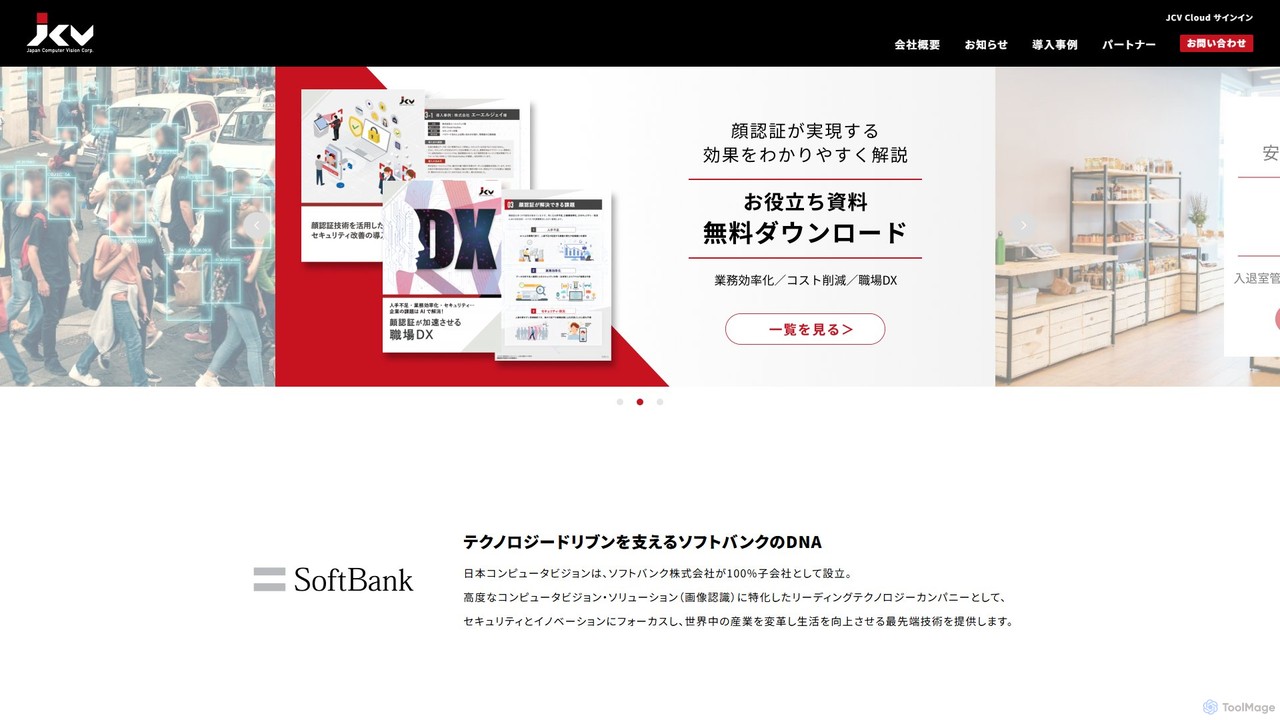
Japan Computer Vision (JCV), a SoftBank subsidiary, provides advanced AI-powered computer vision solutions. Specializing in facial recognition, JCV …
Japan Computer Vision (JCV), a SoftBank subsidiary, provides advanced AI-powered computer vision solutions. Specializing in facial recognition, JCV offers products for smart buildings and smart retail, including secure access control, passwordless login, attendance management, and in-store customer analytics to enhance security and efficiency.
About Retail Analytics
Retail Analytics tools are AI-powered solutions that leverage machine learning and advanced statistical models to process vast datasets from sales, inventory, customer interactions, and market trends. These tools enable retailers to gain actionable insights into sales performance, customer behavior, inventory optimization, and operational efficiency, thereby informing strategic business decisions. As a specialized segment within the broader Marketing domain, Retail Analytics focuses specifically on the unique data challenges and opportunities present in the retail sector.
Core Features
- Sales Forecasting: Predict future sales trends based on historical data, seasonality, and external factors to optimize inventory and staffing.
- Customer Segmentation: Group customers by purchasing habits, demographics, and preferences to enable targeted marketing campaigns and personalized offers.
- Inventory Optimization: Analyze stock levels, demand patterns, and supply chain data to minimize overstocking and stockouts, improving capital efficiency.
- Pricing Strategy: Recommend optimal pricing for products based on competitor analysis, demand elasticity, and promotional effectiveness.
- Store Performance Analysis: Evaluate key metrics like foot traffic, conversion rates, and sales per square foot to identify high-performing stores and areas for improvement.
Applicable Scenarios
Retail Analytics tools are essential for retail managers, merchandisers, marketing teams, and supply chain professionals. They are used to understand why certain products sell better, predict future demand, personalize customer experiences, and optimize store operations. For instance, a large grocery chain might use these tools to identify regional preferences for specific products or to optimize the placement of promotional items within stores.
How to Choose
When selecting Retail Analytics tools, consider their data integration capabilities with existing POS, CRM, and ERP systems. Evaluate the accuracy and sophistication of their predictive models, especially for sales forecasting and demand planning. Look for real-time analytics dashboards and customizable reporting features that align with your specific business KPIs. Finally, assess the scalability of the solution to handle growing data volumes and its ease of use for your team.

Retail AnalyticsUse Cases
Predicting Sales Demand for Inventory Management
Retail inventory managers utilize AI-powered retail analytics to forecast future product demand with high accuracy. By analyzing historical sales data, seasonal trends, promotional impacts, and external factors like weather or holidays, these tools provide precise predictions. This enables managers to optimize stock levels, reduce carrying costs, minimize stockouts, and ensure products are available when customers want them, leading to improved sales and customer satisfaction.
Optimizing Product Pricing Strategies
E-commerce and brick-and-mortar retailers employ retail analytics to dynamically adjust product pricing. The AI analyzes competitor pricing, customer price elasticity, inventory levels, and market demand in real-time. This allows businesses to set optimal prices that maximize profit margins, clear excess inventory, or attract more customers during specific periods, ensuring competitive advantage and revenue growth.
Personalizing Customer Marketing Campaigns
Marketing teams in retail leverage these tools to segment customers based on their purchasing history, browsing behavior, demographics, and loyalty program data. AI identifies distinct customer groups and their preferences, enabling the creation of highly personalized marketing messages, product recommendations, and promotional offers. This targeted approach significantly increases conversion rates and fosters stronger customer loyalty.
Enhancing In-Store Layout and Product Placement
Store operations managers use retail analytics to understand customer movement patterns and engagement within physical stores. By analyzing foot traffic data, dwell times, and purchase paths, AI identifies optimal product placements, shelf arrangements, and store layouts. This data-driven approach helps maximize sales per square foot, improve the customer shopping experience, and highlight high-margin products effectively.
Identifying and Preventing Retail Fraud
Loss prevention teams deploy retail analytics to detect unusual transaction patterns, employee behavior, or inventory discrepancies that may indicate fraudulent activity. AI algorithms can flag anomalies in real-time, such as excessive returns, unusual discounts, or suspicious voids. This proactive identification helps minimize financial losses, protect assets, and maintain the integrity of retail operations.
Analyzing Cross-Channel Customer Journeys
Omnichannel retailers use AI retail analytics to track and understand customer interactions across various touchpoints, including online stores, mobile apps, social media, and physical locations. By stitching together data from these diverse channels, businesses gain a holistic view of the customer journey. This insight allows for seamless customer experiences, consistent branding, and optimized marketing spend across all platforms.