
ToolMage
Sign in

Best 1 Mindfulness AI tools for Mental Wellness

Popular Mindfulness AI tools in Mental Wellness include Friday, helping you work more efficiently.

Friday

Friday

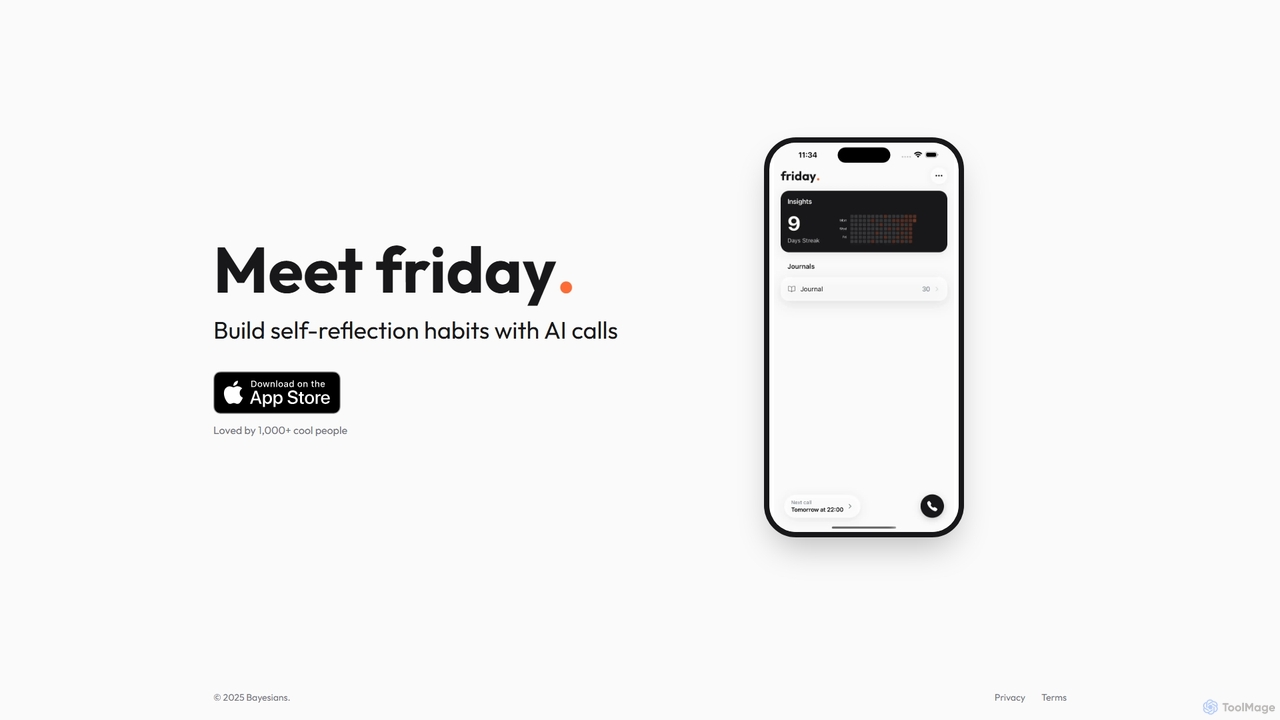
Friday is an innovative AI tool designed to help users cultivate consistent self-reflection habits through engaging AI-powered calls. It provides a unique, interactive way to process thoughts and foster personal growth daily, trusted by over 1,000 individuals.

Reflection
Visits 8.3KFavorites 129Likes 137

About Mindfulness

Mindfulness AI tools are a category of AI-powered applications designed to enhance mental well-being through guided mindfulness practices. These tools leverage artificial intelligence to offer personalized meditation programs, breathing exercises, and cognitive behavioral techniques, helping users reduce stress, improve focus, and cultivate emotional balance. They provide accessible and adaptive support for daily mental wellness routines, often integrating tracking and feedback mechanisms.

Core Features

  • Personalized Guided Meditations: AI adapts meditation sessions based on user progress, mood, and goals.
  • Stress & Mood Tracking: Monitor emotional states over time, identifying patterns and triggers.
  • Biofeedback Integration: Connects with wearables to provide real-time data on heart rate or breath, guiding users to deeper states of calm.
  • Mindfulness Exercises: Offers short, practical exercises for integrating mindfulness into daily activities.
  • Cognitive Behavioral Techniques: Incorporates elements of CBT/DBT to help users manage thoughts and emotions effectively.

Use Cases

Professionals utilize these tools for managing work-related stress and preventing burnout, while students employ them to enhance concentration and reduce study-induced anxiety. Individuals seeking to improve sleep quality or develop greater emotional resilience also find significant value in their structured practices.

How to Choose

When selecting a Mindfulness AI tool, consider the variety and quality of guided content, the depth of AI personalization, and its ability to track progress and provide actionable insights. Evaluate integration with other wellness apps or wearables, user interface intuitiveness, and the tool's commitment to user data privacy and security.

Mindfulness use cases

1

Daily Stress Reduction for Professionals

Office workers and managers facing high-pressure environments use Mindfulness AI tools to integrate short, guided meditation breaks into their workday. By practicing mindful breathing and quick relaxation exercises, they effectively manage work-related stress, prevent burnout, and maintain mental clarity, leading to improved decision-making and overall well-being.

2

Enhancing Focus and Concentration for Students

Students and researchers leverage these AI tools to improve their attention span and minimize distractions during study sessions. Through focus-oriented meditations and mindful awareness exercises, they train their minds to stay present, absorb information more effectively, and reduce mental fatigue, ultimately boosting academic performance and learning retention.

3

Improving Sleep Quality and Restfulness

Individuals struggling with sleep difficulties utilize Mindfulness AI tools to establish calming bedtime routines. Sleep-specific guided meditations, relaxing soundscapes, and body scan exercises help quiet an overactive mind, reduce pre-sleep anxiety, and promote deeper relaxation, leading to faster sleep onset and more restorative rest.

4

Emotional Regulation and Resilience Building

People seeking to better understand and manage their emotions turn to AI Mindfulness tools for structured practices. Emotion-focused meditations, journaling prompts, and gratitude exercises cultivate greater emotional awareness, reduce impulsive reactions, and build resilience against life's challenges, fostering a more balanced emotional landscape.

5

Integrating Mindfulness into Fitness and Wellness Routines

Athletes, fitness enthusiasts, and yoga practitioners incorporate these tools to enhance their mind-body connection. Mindful movement meditations, pre/post-workout focus exercises, and breathwork techniques improve physical awareness, optimize performance, and aid in faster recovery, transforming physical activity into a holistic wellness practice.

6

Supporting Mental Health Practices

Individuals working with therapists or seeking self-help for mild anxiety or stress use AI Mindfulness tools as a complementary resource. These tools offer CBT/DBT-informed exercises, mood tracking, and guided reflections that reinforce therapeutic techniques, build coping skills, and increase self-efficacy in managing daily mental health challenges.

Mindfulness FAQ

What are AI Mindfulness tools?

AI Mindfulness tools are applications that use artificial intelligence to deliver personalized mindfulness and meditation practices. They go beyond static content by adapting to user input, tracking progress, and sometimes integrating biofeedback, aiming to help individuals reduce stress, improve focus, and cultivate emotional well-being through guided exercises and insights.

How do AI Mindfulness tools differ from traditional meditation apps?

The key difference lies in AI integration. Traditional meditation apps typically offer a library of pre-recorded sessions. AI Mindfulness tools, however, leverage AI for personalization, dynamically adjusting content based on user mood, goals, and physiological data. They often provide adaptive learning paths, real-time feedback, and deeper analytical insights into a user's progress, offering a more interactive and tailored experience.

Who can benefit from using AI Mindfulness tools?

A wide range of individuals can benefit, including professionals seeking stress relief, students aiming to improve concentration, and anyone looking to enhance emotional regulation or sleep quality. They are particularly useful for those new to mindfulness who need structured guidance, or experienced practitioners desiring personalized, data-driven insights to deepen their practice and support overall mental wellness.

What features should I look for when choosing an AI Mindfulness tool?

Look for tools offering a diverse library of guided meditations and exercises, strong personalization capabilities that adapt to your needs, and robust progress tracking. Biofeedback integration (e.g., heart rate monitoring) can enhance the experience. Consider the user interface's intuitiveness, the tool's privacy policy regarding your data, and its compatibility with other devices or wellness platforms you use.

Can AI Mindfulness tools replace professional therapy?

No, AI Mindfulness tools are designed to be complementary to, not a replacement for, professional therapy or medical advice. While they can significantly aid in stress reduction, emotional regulation, and self-awareness, they cannot diagnose, treat, or cure mental health conditions. For serious mental health concerns, it is crucial to consult with a qualified mental health professional.