ToolMage
Sign in

Best 1 Stress Management AI tools for Mindfulness

Popular Stress Management AI tools in Mindfulness include Vitality, helping you work more efficiently.

Vitality
Freemium

Vitality

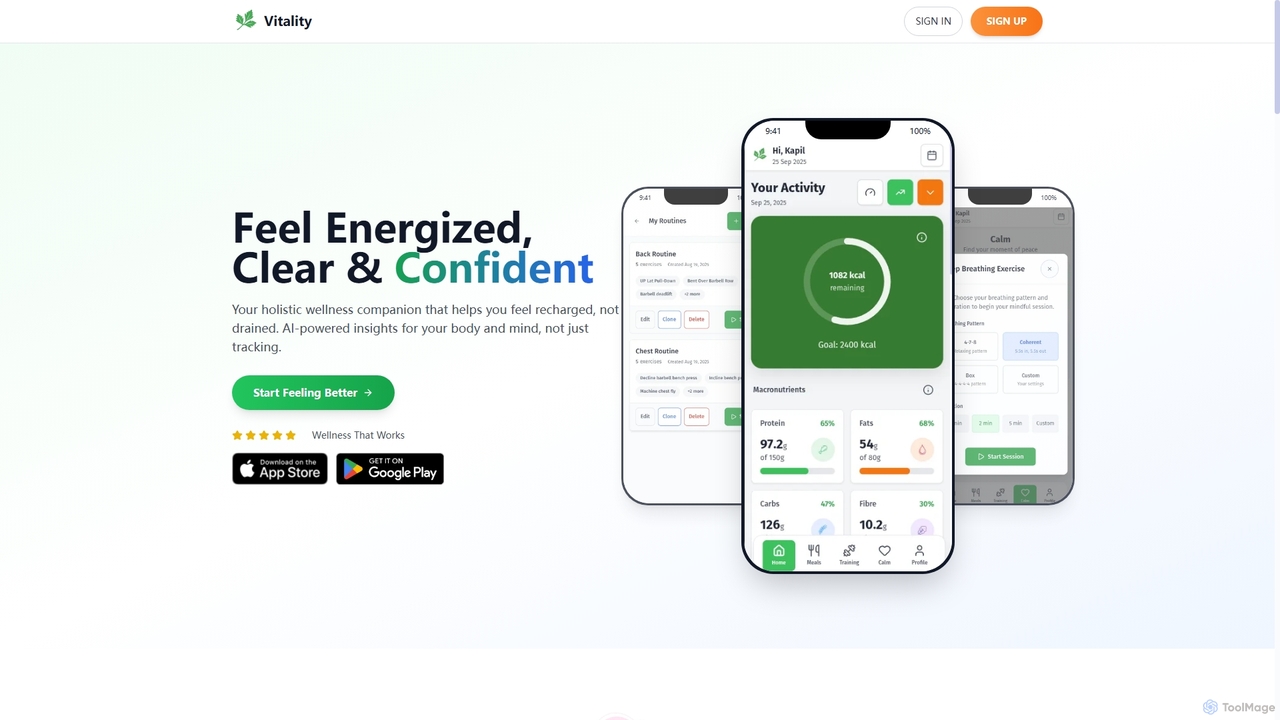
Vitality is an AI-powered holistic wellness companion designed to help users feel energized, clear, and confident. It moves beyond simple tracking by providing personalized insights into nutrition, movement, and mindfulness, fostering sustainable habits without guilt or burnout. Users can easily log meals via photo, track workouts, and monitor various wellness metrics to achieve their health goals.

Workout Tracking
Visits 5.9KFavorites 108Likes 122

About Stress Management

Stress Management AI tools are a specialized category within Mindfulness, designed to help individuals identify, monitor, and alleviate stress through artificial intelligence. These tools leverage advanced algorithms to offer personalized interventions, including guided meditations, breathing exercises, and cognitive behavioral techniques. They aim to enhance emotional resilience, improve mental well-being, and foster a calmer state of mind by providing accessible, data-driven support. This targeted approach makes stress management more proactive and tailored to individual needs.

Core Features

  • Personalized Stress Assessment: AI analyzes user input and biometric data to identify stress triggers and patterns.
  • Guided Mindfulness & Breathing: Offers AI-guided meditation sessions and structured breathing exercises for immediate relief.
  • Cognitive Behavioral Techniques (CBT): Provides interactive modules and prompts based on CBT principles to reframe negative thought patterns.
  • Biofeedback Integration: Connects with wearables to monitor physiological indicators like heart rate variability (HRV) and suggest interventions.
  • Mood Tracking & Journaling: Facilitates daily mood logging and guided journaling to understand emotional fluctuations and progress.

Applicable Scenarios

These tools are invaluable for professionals managing daily work pressure, students coping with academic anxiety, and individuals seeking to improve overall emotional regulation. They provide accessible support for anyone experiencing chronic stress or looking to build healthier coping mechanisms in their daily lives.

How to Choose

When selecting an AI stress management tool, consider its personalization capabilities, the range of evidence-based techniques offered (e.g., CBT, mindfulness), and its integration with other health devices. Evaluate the user interface for ease of use, data privacy policies, and whether it offers features like progress tracking and community support to ensure it aligns with your specific needs and preferences.

Stress Management use cases

1

Daily Stress Reduction for Professionals

Office workers and managers often face tight deadlines and high-pressure environments. AI stress management tools provide quick, guided breathing exercises and short mindfulness breaks that can be integrated into a busy workday. By taking a few minutes to reset, professionals can reduce immediate tension, improve focus, and enhance their emotional regulation, leading to better decision-making and overall productivity without feeling overwhelmed.

2

Academic Pressure Management for Students

Students often experience significant stress due to exams, project deadlines, and social pressures. AI stress management tools offer features like focus-enhancing soundscapes, short stress-relief meditations before tests, and sleep aids to calm the mind. Utilizing these tools helps students manage anxiety, improve concentration during study sessions, and achieve better sleep quality, contributing to improved academic performance and overall well-being.

3

Emotional Regulation for Caregivers

Caregivers, whether family members or healthcare professionals, often face burnout and emotional fatigue. AI stress management tools provide accessible, short mindfulness practices and journaling prompts specifically designed for emotional processing. These tools help caregivers build emotional resilience, prevent compassion fatigue, and maintain their own well-being, enabling them to provide better care while safeguarding their mental health.

4

Improving Sleep Quality through Stress Reduction

Many individuals struggle with sleep difficulties caused by racing thoughts and stress before bed. AI stress management tools offer features like sleep stories, progressive muscle relaxation, and guided body scans designed to calm the mind and body. By incorporating these techniques into a nightly routine, users can experience faster sleep onset, deeper sleep cycles, and reduced nocturnal awakenings, leading to improved overall rest and energy levels.

5

Proactive Stress Monitoring for High-Pressure Roles

Individuals in high-stakes professions like executives or emergency responders benefit from proactive stress management. AI tools integrated with wearables can monitor physiological indicators such as heart rate variability (HRV) and provide personalized alerts when stress levels rise. This allows for early intervention with suggested coping strategies, helping to prevent burnout, maintain peak performance, and ensure long-term well-being in demanding environments.

6

Integrating Stress Management into Wellness Programs

HR departments and corporate wellness managers can leverage AI stress management tools to enhance employee well-being. By curating modules for stress reduction, offering team challenges, and utilizing anonymous mood tracking, organizations can provide accessible mental health support. This integration leads to improved employee morale, reduced absenteeism, and a healthier, more productive work environment, demonstrating a commitment to employee care.

Stress Management FAQ

What are AI Stress Management tools?

AI Stress Management tools are applications or platforms that use artificial intelligence to help individuals cope with and reduce stress. They provide personalized guidance, often incorporating techniques like guided meditation, breathing exercises, cognitive behavioral therapy (CBT) prompts, and mood tracking. These tools aim to offer accessible, data-driven support for improving mental well-being and emotional resilience, making stress management more proactive and tailored to individual needs.

How do AI tools help with stress management?

AI tools assist with stress management by offering personalized and data-driven interventions. They can analyze user input and biometric data (from wearables) to identify stress triggers and patterns. Based on this, they provide tailored content such as guided meditations, breathing exercises, and CBT techniques. Many also include mood tracking and journaling features to help users monitor their emotional state and progress over time, offering a structured and consistent approach to reducing stress.

Are AI Stress Management tools as effective as human therapy?

AI Stress Management tools are not typically a direct replacement for human therapy, especially for severe mental health conditions. Instead, they serve as valuable complementary resources, offering accessible self-help techniques, daily support, and proactive coping strategies. They are highly effective for managing everyday stress, improving emotional regulation, and building resilience. For complex or chronic issues, they can work in conjunction with professional therapy, providing tools for practice and reinforcement between sessions.

What features should I look for in an AI Stress Management app?

When choosing an AI stress management app, prioritize personalization options that adapt to your unique needs and progress. Look for a wide range of evidence-based techniques, such as guided meditations, breathing exercises, and CBT modules. Integration with wearables for biofeedback (like HRV monitoring) can offer deeper insights. Other important features include a user-friendly interface, robust data privacy, progress tracking, and potentially community support or expert-led content for comprehensive well-being.

How do Stress Management AI tools relate to the broader Mindfulness category?

Stress Management AI tools are a practical and targeted application within the broader Mindfulness category. While Mindfulness encompasses a wide range of practices for cultivating present-moment awareness and acceptance, Stress Management AI tools specifically leverage AI to deliver these principles with a focus on reducing and coping with stress. They often integrate mindfulness techniques (like guided meditation) alongside other evidence-based methods (CBT, biofeedback) to provide structured, personalized interventions for stress relief, making mindfulness more accessible and actionable for specific well-being goals.