Gymnoteplus
Gymnoteplus is an AI-powered iOS app that transforms your raw workout notes into structured data, insightful analytics, and …
Gymnoteplus is an AI-powered iOS app that transforms your raw workout notes into structured data, insightful analytics, and personalized recommendations. It helps you track progress, visualize gains, and beat your previous performance without changing your existing note-taking habits.
Arvo
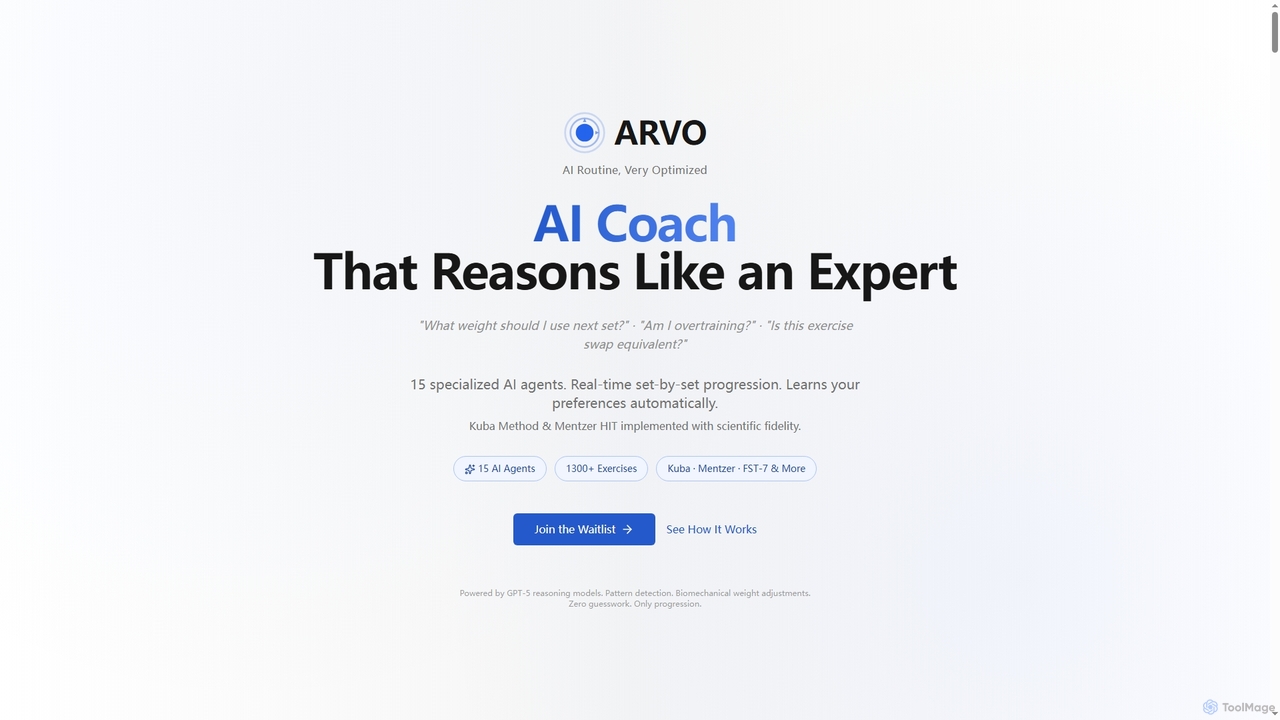
Arvo is an advanced AI-powered smart workout tracker and coach that leverages GPT-5 reasoning to provide real-time, set-by-set …
Arvo is an advanced AI-powered smart workout tracker and coach that leverages GPT-5 reasoning to provide real-time, set-by-set guidance, adaptive training plans, and biomechanical adjustments. It learns from your performance and notes to optimize progression, prevent overtraining, and ensure scientific fidelity to established training methodologies.
Vitality
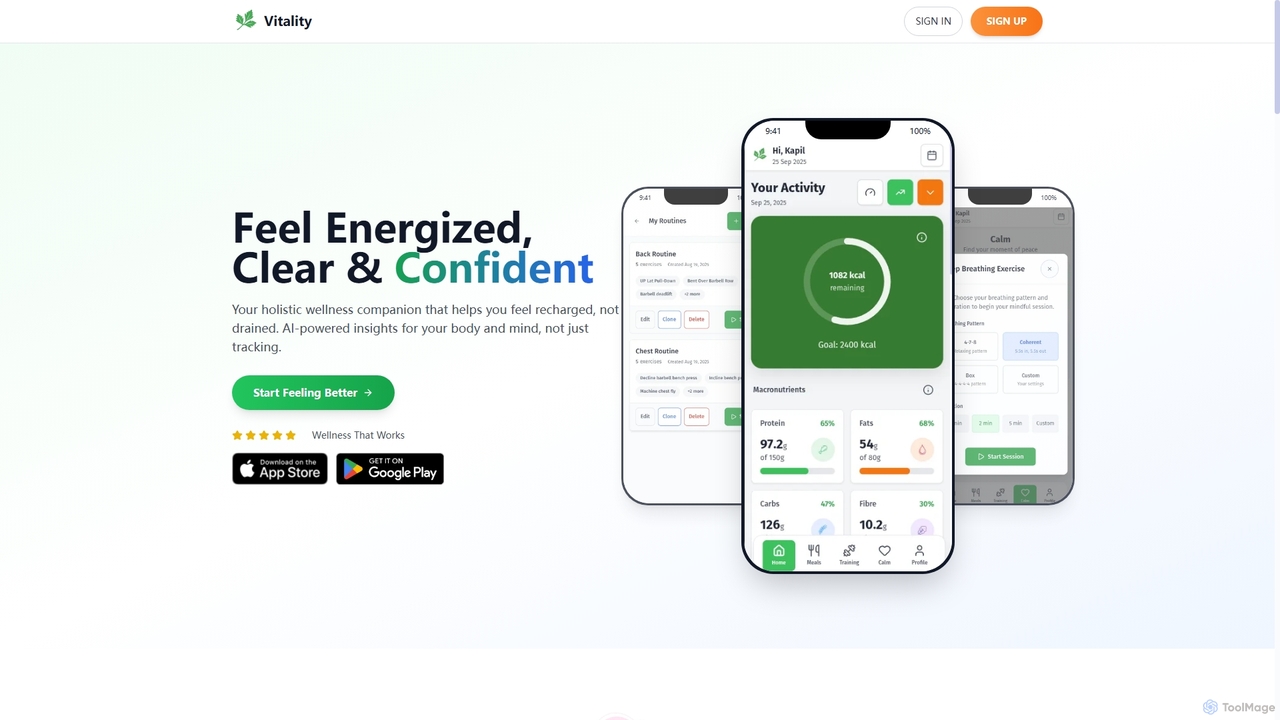
Vitality is an AI-powered holistic wellness companion designed to help users feel energized, clear, and confident. It moves …
Vitality is an AI-powered holistic wellness companion designed to help users feel energized, clear, and confident. It moves beyond simple tracking by providing personalized insights into nutrition, movement, and mindfulness, fostering sustainable habits without guilt or burnout. Users can easily log meals via photo, track workouts, and monitor various wellness metrics to achieve their health goals.
About Workout Tracking
Workout Tracking tools leverage AI to monitor, analyze, and optimize physical activity and fitness progress. These tools utilize machine learning algorithms to process data from wearables, manual inputs, and sensor feedback, providing users with personalized insights into their performance, recovery, and overall health. They are invaluable for individuals seeking to achieve specific fitness goals, from weight loss to athletic performance enhancement, by offering data-driven guidance and motivation within the broader fitness domain.
Core Features
- Personalized Plan Generation: Creates dynamic workout routines tailored to individual goals, fitness levels, and progress.
- Performance Analysis: Analyzes workout data to identify trends, strengths, and areas for improvement in training.
- Real-time Form Correction: Uses computer vision or sensor data to provide immediate feedback on exercise technique.
- Progress Visualization: Presents data through intuitive charts and graphs to track achievements and milestones over time.
- Recovery & Load Management: Monitors fatigue and suggests optimal rest periods to prevent overtraining and aid recovery.
Use Cases
These tools are widely adopted by fitness enthusiasts, professional athletes, and personal trainers. They help individuals optimize their training for specific events, monitor daily activity levels for health maintenance, and provide trainers with data to customize client programs. Businesses in the fitness industry also use them for member engagement and personalized service offerings.
How to Choose
When selecting an AI workout tracking tool, consider data accuracy and sensor compatibility, the depth of personalized insights and plan adaptability, user interface design for ease of use, and integration capabilities with other health apps or devices. Evaluate the range of exercises supported, real-time feedback features, and the clarity of progress reporting to ensure it meets your specific fitness objectives and preferences.

Workout TrackingUse Cases
Optimizing Marathon Training
A marathon runner utilizes an AI workout tracking tool to meticulously monitor their pace, heart rate zones, and recovery metrics. The AI analyzes performance data to provide adaptive training adjustments, suggesting optimal long runs, speed work, and rest days. This helps the runner improve endurance, prevent overtraining, and peak effectively for their next race, significantly reducing the risk of injury.
Personalized Training Plan Generation
An individual aiming for a specific fitness goal, such as running a marathon or building muscle, uses AI workout tracking to generate a dynamic training plan. The tool analyzes their current fitness level, past performance, and recovery data to create a tailored schedule, adjusting workouts based on daily readiness and progress. This ensures optimal training load and helps prevent plateaus, leading to more efficient and safer goal attainment.
Personalized Strength Training Guidance
A gym-goer tracks their lifts, sets, and repetitions using an AI workout tracker. The AI analyzes their form, progress, and muscle fatigue patterns to suggest optimal weight increases, new exercise variations, or adjustments to their training split. This ensures continuous muscle growth and strength gains while minimizing the risk of plateaus or improper technique, leading to more effective and safer workouts.
Real-time Exercise Form Correction
A user performing strength training exercises at home utilizes an AI workout tracking app with computer vision. The app monitors their movements via the device camera, providing immediate audio or visual feedback if their form deviates from the correct technique. This helps prevent injuries, ensures muscles are targeted effectively, and improves overall exercise efficiency without the need for a physical trainer.
Managing Chronic Health Conditions with Activity Data
Individuals managing chronic conditions like diabetes or hypertension use AI workout tracking tools to monitor daily activity levels, calorie intake, and vital signs. The tools provide insights into how exercise impacts their health markers, offering gentle reminders for activity or medication. This data can be shared with healthcare providers, enabling more informed discussions and adjustments to treatment plans, fostering better self-management and improved health outcomes.
Progress Visualization and Goal Setting
A fitness enthusiast wants to track their progress over several months. An AI workout tracking tool aggregates data from all their workouts, presenting it in intuitive charts and graphs. They can visualize strength gains, endurance improvements, and body composition changes. The tool also helps set realistic future goals based on past performance, offering motivational insights and celebrating milestones to keep the user engaged and on track.
Enhancing Corporate Wellness Programs
Companies implement AI workout tracking tools as part of their corporate wellness initiatives. Employees use these tools to track their physical activity, participate in team challenges, and receive personalized health insights. The aggregated, anonymized data helps HR departments assess overall workforce health trends, tailor wellness programs, and offer targeted incentives, leading to improved employee well-being, reduced stress, and increased productivity across the organization.
Optimizing Recovery and Preventing Overtraining
An athlete training intensely for a competition uses an AI workout tracking system that integrates with heart rate monitors and sleep trackers. The system analyzes physiological data to assess recovery status and fatigue levels. Based on this, it recommends optimal rest days, adjusts the intensity of upcoming workouts, or suggests active recovery exercises, effectively preventing overtraining and reducing the risk of injury, ensuring peak performance on competition day.
Supporting Rehabilitation and Injury Recovery
Physical therapy patients utilize AI workout tracking tools to meticulously follow prescribed exercise routines and monitor their progress during rehabilitation. The tools can track range of motion, provide feedback on proper form, and alert users to potential overexertion. This data-driven approach ensures adherence to therapy plans, aids in a safe and effective recovery process, and provides therapists with objective insights into patient compliance and improvement.
Managing Group Fitness Challenges
A corporate wellness program or a group of friends organizes a fitness challenge. An AI workout tracking platform allows participants to log their activities, view leaderboards, and track collective progress towards shared goals. The AI can analyze group performance, identify engagement trends, and send personalized motivational messages or reminders to individuals, fostering a sense of community and healthy competition, ultimately boosting participation and success rates.
Data-Driven Sports Coaching
Professional sports coaches leverage AI workout tracking tools to gather comprehensive performance data from their athletes. By analyzing metrics like training load, recovery status, and specific exercise performance, coaches can identify trends, customize individual and team training plans, and make informed decisions about competition strategies. This data-driven approach optimizes athlete development, minimizes injury risk, and helps achieve peak performance during critical events.
Integrating Nutrition for Holistic Fitness
An individual focused on holistic health uses an AI workout tracking tool that integrates with nutrition tracking apps. The system correlates workout intensity and calorie expenditure with dietary intake, providing insights into macro-nutrient balance and hydration. The AI can suggest dietary adjustments to support recovery, optimize energy levels for upcoming workouts, or align nutrition with specific body composition goals, offering a comprehensive approach to fitness and well-being.