ToolMage
Sign in

Best 1 Running AI tools for Fitness

Popular Running AI tools in Fitness include CorreAI, helping you work more efficiently.

CorreAI

CorreAI

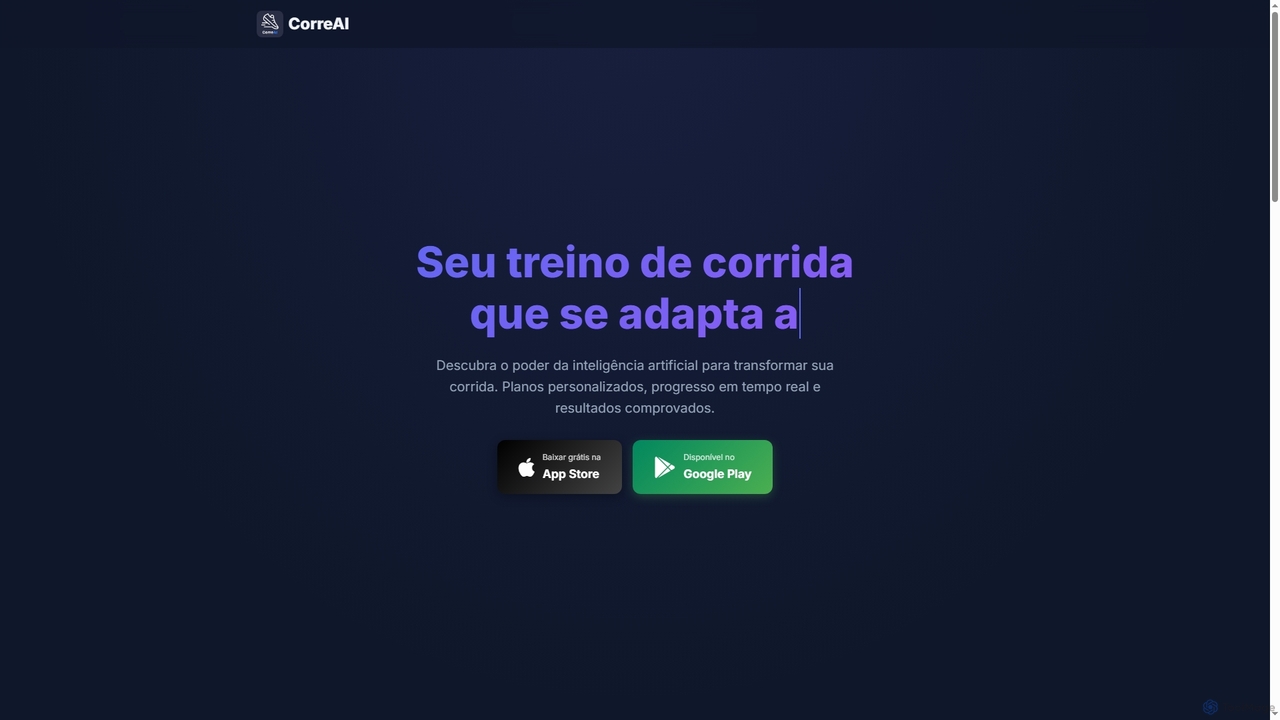
CorreAI is an AI-powered platform that creates personalized running training plans tailored to your profile, experience, and personal goals. It helps you track progress, prevent injuries, and achieve specific running distances like 5K, 10K, half marathon, or full marathon, with adaptive plans that evolve with you.

Running
Visits 5.4KFavorites 121Likes 129

About Running

AI Running tools are specialized applications that use artificial intelligence to analyze running data and provide personalized coaching. These tools process metrics from wearables, such as pace, cadence, heart rate, and ground contact time, using machine learning algorithms. This enables them to offer predictive insights, create adaptive training plans, and provide real-time feedback to help runners improve performance and reduce injury risk. They transform raw data into actionable guidance for athletes of all levels.

Core Features

  • Gait Analysis: Provides detailed feedback on running form, including cadence, stride length, and foot strike, to improve efficiency.
  • Personalized Training Plans: Generates dynamic training schedules that adapt based on performance, recovery, and goals.
  • Performance Prediction: Forecasts race times for various distances based on historical training data and current fitness levels.
  • Injury Risk Assessment: Analyzes training load and biomechanics to identify patterns that may lead to common running injuries.
  • Real-time Audio Coaching: Offers live feedback and motivation during a run to help maintain pace and proper form.

Use Cases

These tools are ideal for competitive marathon runners seeking to optimize their training, amateur joggers wanting to improve their form and avoid injury, and individuals in physical therapy using data-driven insights for safe rehabilitation. They are also valuable for coaches who manage multiple athletes, using the platforms to monitor progress and adjust plans remotely.

How to Choose

When selecting an AI Running tool, consider its compatibility with your existing wearables (e.g., Garmin, Apple Watch, COROS). Evaluate the depth of its data analysis and the quality of its coaching feedback. Also, compare subscription models, the user interface, and whether the platform's focus aligns with your primary goals, such as race preparation, form correction, or general fitness.

Running use cases

1

Optimize Marathon Training Plan

A competitive runner preparing for a marathon uses an AI tool to create a dynamic training schedule. The platform analyzes their daily run data, sleep quality from their watch, and self-reported fatigue levels. Based on this, the AI adjusts the intensity and volume for the upcoming week, suggesting a lighter recovery run instead of a scheduled tempo session if signs of overtraining are detected. This helps the runner peak at the right time for the race while minimizing injury risk.

2

Receive Real-time Running Form Correction

A beginner runner uses an AI coaching app connected to their headphones and a foot pod sensor. During their run, the AI provides live audio cues. If their cadence drops too low, it might say, "Quicken your steps, aim for 170 steps per minute." If it detects excessive vertical oscillation, it suggests, "Try to run lighter, less bouncing." This immediate feedback helps the runner build good habits and improve efficiency without needing a human coach present.

3

Analyze Post-Run Performance Insights

After completing a hilly training run, an intermediate runner syncs their watch with an AI platform. The tool provides a detailed breakdown, going beyond simple pace and distance. It highlights how their heart rate efficiency changed on inclines versus flat sections, shows their cadence consistency throughout the run, and calculates their running power. The AI might point out, "Your form degraded in the last 2km, indicated by a shorter stride length," giving the runner a specific area to focus on for their next session.

4

Prevent Injuries with Smart Load Management

An athlete prone to shin splints uses an AI tool to monitor their training load. The system tracks not just mileage but also intensity and biomechanical stress from each run. It calculates an overall load score and compares it to their historical capacity. If the runner plans a week with too sharp an increase in intensity, the app provides a warning: "High risk of overreaching. Consider replacing one high-intensity workout with a cross-training session." This proactive guidance helps them stay healthy and train consistently.

5

Get an Accurate Race Time Prediction

Six weeks before a half marathon, a runner uses an AI prediction feature. The tool analyzes all their training data from the past few months, including long runs, interval sessions, and recovery pace. It considers factors like recent performance trends and training consistency to generate a predicted finish time, such as 1:45:30. This prediction is updated weekly, giving the runner a realistic goal to aim for and helping them fine-tune their race day pacing strategy based on their actual fitness progression.

6

Use a Virtual Pacer for Tempo Runs

A runner training alone for a 10K needs to complete a 5km tempo run at a specific pace. They use an AI app's virtual pacer feature, setting the target pace in their watch. During the run, the watch displays how far ahead or behind the virtual pacer they are. They also receive audio cues like "You are 5 seconds behind your target" or "Pace steady, holding target." This helps them maintain the precise intensity required for the workout without constantly checking their pace, simulating the experience of running with a partner.

Running FAQ

What are AI Running tools?

AI Running tools are applications or platforms that use artificial intelligence to analyze data from your runs and provide personalized feedback. Unlike standard GPS trackers that just record distance and pace, these tools interpret complex metrics like cadence, ground contact time, and heart rate variability. They use this data to generate adaptive training plans, offer real-time coaching on your form, predict race performance, and assess your risk of injury, acting as a virtual running coach.

How do I choose the right AI Running tool?

To choose the right tool, consider these factors:

  • Compatibility: Ensure it works with your GPS watch, heart rate monitor, or foot pod (e.g., Garmin, Apple Watch, Stryd).
  • Your Goal: Some tools excel at marathon training plans, while others focus on form correction or injury prevention. Pick one that aligns with your primary objective.
  • Data Depth: Decide if you want simple, actionable insights or deep, granular data analysis. Some platforms can be overwhelming for beginners.
  • Cost: Compare free versions with subscription models. Check what features are included in paid tiers to see if the investment is worthwhile for you.
What's the difference between an AI Running tool and a standard GPS app?

The main difference is analysis versus recording. A standard GPS app (like Strava or MapMyRun in their basic forms) primarily records your run: where you went, how far, and how fast. An AI Running tool does that too, but its core function is to analyze the quality of your run. It interprets biomechanical data (like your form) and physiological data (like heart rate zones) to provide prescriptive advice on how to improve, adapt your training, and stay healthy. It moves from 'what you did' to 'what you should do next'.

What key metrics do AI Running tools analyze?

Beyond basic pace and distance, AI Running tools often analyze advanced metrics to provide deeper insights. Common metrics include:

  • Cadence: Steps per minute, a key indicator of running efficiency.
  • Ground Contact Time: How long your foot stays on the ground with each step.
  • Vertical Oscillation: The amount of 'bounce' in your stride.
  • Running Power: A measure of your work rate, combining pace, elevation, and form.
  • Heart Rate Variability (HRV): An indicator of your body's recovery status and readiness to train.
Can AI Running tools really help prevent injuries?

Yes, they can be a valuable component of an injury prevention strategy. AI tools help by identifying risk factors before they become problems. They monitor your training load to prevent sharp increases that often lead to overuse injuries. They can also analyze your running form for asymmetries or inefficiencies that might cause strain over time. By providing early warnings and suggesting adjustments to your training or form, they empower you to train smarter and more sustainably, though they do not replace professional medical advice.