ToolMage
Sign in

Best 3 Personal Training AI tools for Fitness

Popular Personal Training AI tools in Fitness include BodyCheck, Prevess, and HeyFitt, helping you work more efficiently.

HeyFitt
Freemium

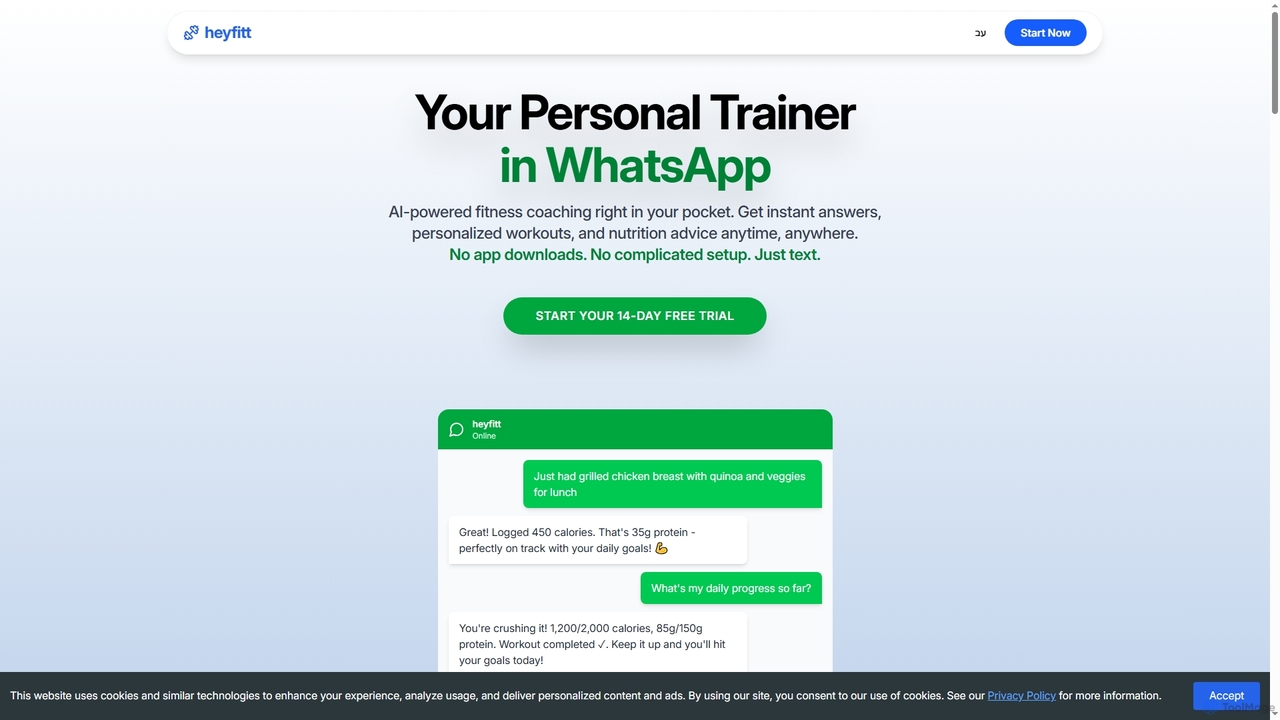
HeyFitt

HeyFitt is an AI-powered fitness coach delivered directly through WhatsApp, offering personalized workout plans, nutrition advice, and instant answers 24/7. It eliminates the need for app downloads and complex setups, providing a convenient and accessible personal training experience.

Personal Training
Visits 5.6KFavorites 135Likes 155
BodyCheck

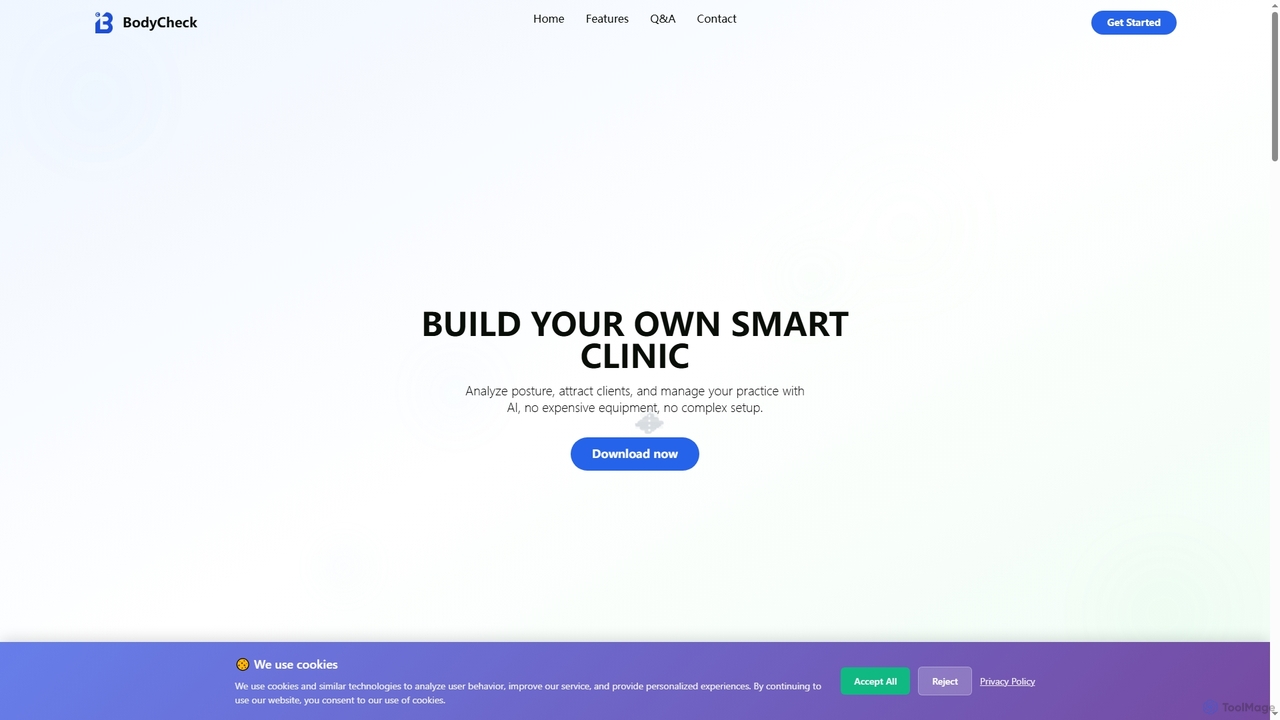
BodyCheck

BodyCheck is an AI-powered mobile application designed for healthcare and fitness professionals to perform posture analysis, manage clients, and streamline their practice without the need for expensive equipment. It offers instant AI reports, client management tools, and features to help attract and retain clients.

Client Management
Visits 10.1KFavorites 113Likes 135
Prevess
Paid

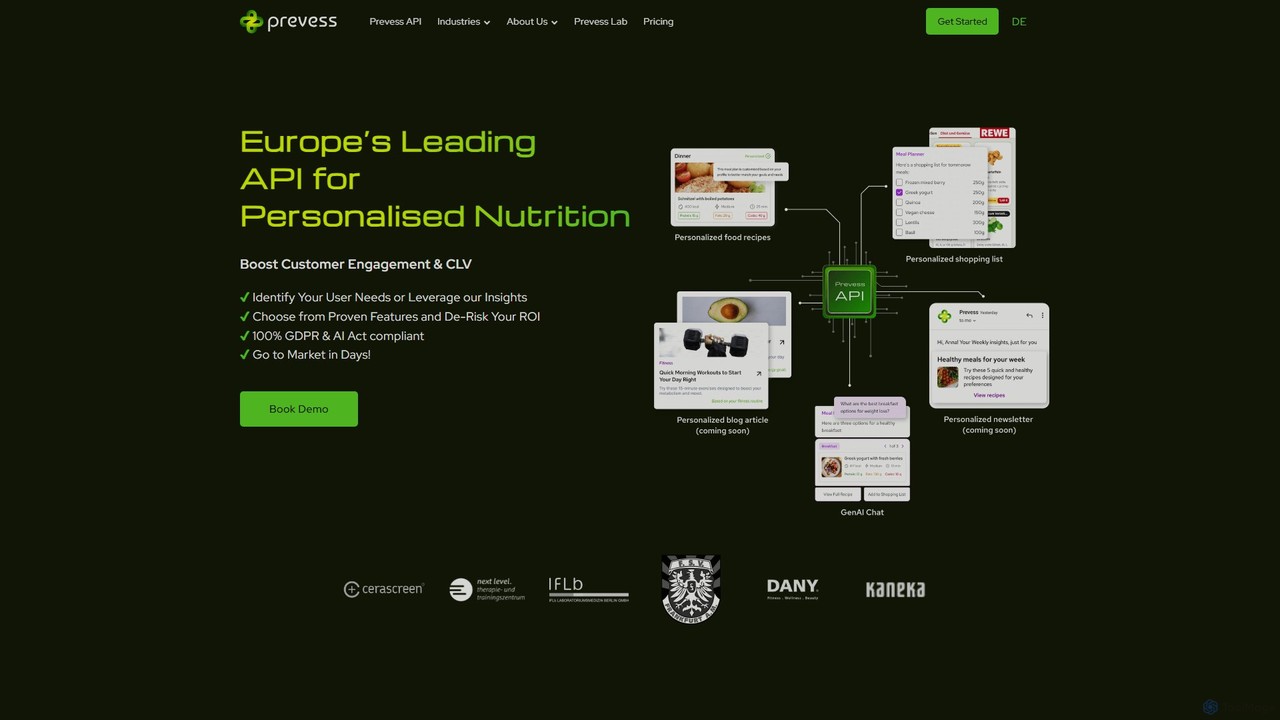
Prevess

Prevess is a B2B AI-powered API for hyper-personalized nutrition and wellness recommendations. It enables businesses in healthcare, fitness, and food industries to enhance customer engagement, increase lifetime value, and rapidly deploy science-backed nutritional guidance.

Api
Visits 9KFavorites 157Likes 164

About Personal Training

AI Personal Training tools are intelligent platforms that leverage artificial intelligence to deliver highly customized fitness and wellness guidance. These tools analyze individual data, including fitness levels, goals, preferences, and progress, to generate dynamic workout plans, provide nutritional advice, and offer real-time feedback. They serve as a virtual coach, making personalized fitness accessible, flexible, and data-driven for users seeking to optimize their health journey.

Core Features

  • Personalized Workout Generation: AI algorithms create adaptive exercise routines tailored to individual goals, equipment availability, and current performance.
  • Nutrition & Diet Planning: Tools offer customized meal plans and dietary recommendations based on user preferences, health conditions, and fitness objectives.
  • Real-time Form Feedback: Utilizing computer vision or sensor data, AI provides immediate corrections and guidance on exercise technique to prevent injury and maximize effectiveness.
  • Progress Tracking & Analytics: Comprehensive dashboards monitor performance metrics, body composition changes, and goal attainment, adjusting plans as needed.
  • Motivation & Goal Setting: AI assists users in defining realistic fitness goals and employs motivational techniques to encourage consistency and adherence.

Use Cases

Individuals seeking structured fitness guidance without the cost or scheduling constraints of a human trainer, busy professionals needing adaptable routines, and home workout enthusiasts looking for varied and effective exercises benefit greatly. These tools are also ideal for those aiming for specific goals like weight loss, muscle gain, or marathon preparation, providing data-driven strategies.

How to Choose

When selecting an AI Personal Training tool, consider the depth of personalization it offers, its ability to integrate with wearables for accurate data, and the quality of its real-time feedback mechanisms. Evaluate the comprehensiveness of its nutrition guidance, the clarity of its user interface, and its pricing model. Data privacy and the availability of expert support are also crucial factors.

Personal Training use cases

1

Home Workout Optimization

An individual with limited gym access uses an AI personal training tool to generate diverse, equipment-adaptable workout routines. The AI analyzes their available space and gear, providing dynamic exercises and real-time form correction via smartphone camera, ensuring effective and safe training at home.

2

Marathon Training Personalization

A runner preparing for a marathon inputs their current fitness level, race date, and past performance data into an AI training platform. The AI then crafts a progressive training schedule, adjusting mileage and intensity based on daily performance, recovery, and weather conditions, optimizing their preparation.

3

Post-Injury Rehabilitation Support

After recovering from a minor injury, a user employs an AI personal training tool to guide them through safe, progressive rehabilitation exercises. The AI monitors their movements and provides gentle feedback, ensuring they don't overexert themselves while gradually rebuilding strength and mobility, under medical guidance.

4

Weight Management & Nutrition Coaching

An individual aiming for sustainable weight loss utilizes an AI tool that combines personalized exercise plans with tailored dietary recommendations. The AI tracks their caloric intake, macronutrient balance, and activity levels, suggesting adjustments to both diet and workouts to meet their weight goals effectively.

5

Busy Professional's Adaptable Fitness Plan

A professional with an unpredictable schedule uses an AI personal training tool that can quickly adapt workouts to their available time slots. The AI generates efficient, high-intensity routines for short breaks or longer sessions when time permits, ensuring consistent progress despite a demanding lifestyle.

6

Strength Training Progression

A user focused on building muscle strength and mass employs an AI tool that intelligently adjusts their lifting routines. The AI analyzes their performance on each set, recommending optimal weight increases, rep ranges, and rest times, ensuring progressive overload and preventing plateaus for continuous gains.

Personal Training FAQ

What are AI Personal Training tools?

AI Personal Training tools are software platforms that use artificial intelligence to provide individualized fitness and wellness coaching. They analyze user data like fitness levels, goals, and progress to create dynamic workout plans, offer nutrition advice, and deliver real-time feedback, essentially acting as a virtual, data-driven personal trainer.

How do AI Personal Training tools differ from traditional trainers?

AI Personal Training tools offer unparalleled accessibility, often at a lower cost, and can provide instant, data-driven feedback and plan adjustments based on continuous monitoring. Traditional trainers offer human empathy, nuanced motivation, and hands-on correction. While AI excels in data analysis and consistency, human trainers provide a personal touch and can adapt to complex, non-quantifiable needs.

What features should I look for in an AI Personal Training tool?

Key features to consider include the depth of personalization for workouts and nutrition, the accuracy and type of real-time form feedback (e.g., computer vision), comprehensive progress tracking and analytics, and integration with wearables. A user-friendly interface, a library of exercises, and options for goal setting and motivation are also important.

Can AI Personal Training tools help with specific fitness goals like weight loss or muscle gain?

Yes, AI Personal Training tools are highly effective for specific fitness goals. They use algorithms to tailor workout intensity, volume, and exercise selection, alongside personalized nutrition plans, to optimize for objectives like weight loss, muscle hypertrophy, endurance building, or strength gains. The plans adapt as your body responds, ensuring continuous progress.

Are AI Personal Training tools suitable for beginners?

Absolutely. Many AI Personal Training tools are designed with beginners in mind, offering clear instructions, foundational exercises, and scalable plans. They can help beginners establish good form, understand basic nutrition, and gradually build fitness without feeling overwhelmed, providing a structured and safe entry into regular exercise.