Mining Best in category 1 results Fleet Management AI Tool

Popular AI tools in the Fleet Management field of Mining include AIM Intelligent Machines, etc., helping you quickly improve efficiency.

AIM Intelligent Machines

AIM Intelligent Machines

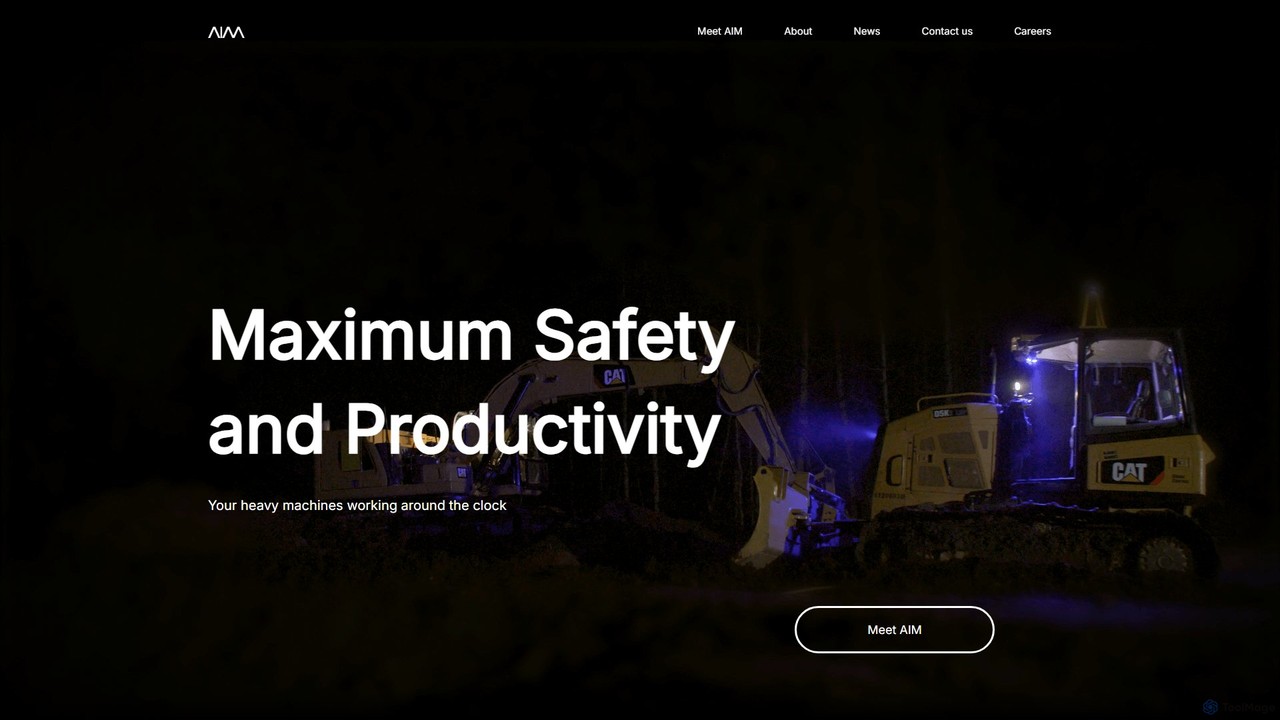
AIM Intelligent Machines provides an AI-powered technology platform that retrofits heavy equipment for autonomous operation in mining and …

10.7K

About Fleet Management

AI-powered Fleet Management tools are specialized solutions that leverage artificial intelligence to optimize the operation, maintenance, and logistics of vehicle fleets. These tools utilize advanced algorithms and data analytics to provide real-time insights, predict potential issues, and automate decision-making processes. Their primary value lies in enhancing operational efficiency, reducing costs, improving safety, and extending the lifespan of valuable assets, particularly crucial in demanding sectors like mining where heavy machinery and complex logistics are paramount.

Core Features

  • Predictive Maintenance: AI analyzes sensor data to forecast equipment failures, enabling proactive maintenance scheduling and minimizing unplanned downtime.
  • Real-time Tracking & Telematics: Provides live location, speed, and operational status of vehicles, crucial for monitoring assets across vast mining sites.
  • Route & Dispatch Optimization: Algorithms calculate the most efficient routes and dispatch schedules, reducing fuel consumption and improving material transport times.
  • Fuel Efficiency Analysis: Monitors fuel usage patterns, identifies inefficiencies, and suggests strategies for consumption reduction.
  • Driver Behavior Monitoring: Uses AI to detect unsafe driving practices, fatigue, and non-compliance, enhancing safety in hazardous environments.

Applicable Scenarios

These tools are indispensable for large-scale industrial operations, particularly in mining, construction, and logistics. Mining companies use them to manage fleets of haul trucks, excavators, and support vehicles across expansive, often remote sites, ensuring efficient material extraction and transport, while also optimizing maintenance schedules for expensive heavy equipment.

How to Choose

When selecting an AI fleet management solution, consider its integration capabilities with existing telematics and ERP systems, the robustness of its predictive analytics for your specific equipment types, and its ability to operate reliably in harsh environmental conditions. Evaluate the scalability of the solution to accommodate fleet growth and the level of customization offered to meet unique operational requirements, alongside comprehensive support and training.

Fleet ManagementUse Cases

1

Predictive Maintenance for Heavy Mining Equipment

Mine operations managers utilize AI fleet management tools to prevent unexpected breakdowns of critical heavy machinery like excavators and haul trucks. By analyzing real-time sensor data on engine temperature, vibration, and fluid levels, the AI predicts potential component failures. This enables maintenance teams to schedule proactive servicing during planned downtime, significantly reducing costly unplanned outages and extending the lifespan of expensive mining assets.

2

Predictive Maintenance for Mining Equipment

Mining operators utilize AI fleet management tools to monitor the health of heavy machinery like haul trucks and excavators. By analyzing sensor data, AI predicts potential component failures, allowing maintenance teams to schedule repairs proactively during planned downtime, significantly reducing unexpected breakdowns and costly operational interruptions in remote mining sites.

3

Optimizing Routes and Logistics on Large Mine Sites

Logistics coordinators and dispatch managers in mining operations leverage AI fleet management for efficient movement of materials and personnel across vast, complex mine sites. AI-powered GPS tracking and routing algorithms analyze terrain, traffic, and operational needs to suggest optimal paths. This minimizes travel time, reduces fuel consumption, avoids hazardous zones, and improves the overall flow of materials from extraction points to processing facilities, enhancing site productivity.

4

Optimizing Haul Truck Routes on Site

For large open-pit mines, AI optimizes the routes of haul trucks transporting ore from extraction points to processing plants. The system considers real-time conditions such as road quality, traffic, and material load, dynamically adjusting routes to minimize travel time, fuel consumption, and wear and tear, thereby increasing overall material throughput.

5

Enhancing Driver Safety and Compliance in Hazardous Environments

Safety officers and fleet managers deploy AI fleet management systems to ensure safe operation of heavy vehicles and reduce accidents in hazardous mining environments. AI monitors driving patterns, detecting speeding, harsh braking, sudden acceleration, and even driver fatigue through in-cab cameras. This data identifies risky behaviors, allows for targeted training interventions, and helps enforce strict safety protocols, leading to a significant reduction in incidents and improved regulatory compliance.

6

Real-time Monitoring of Vehicle Safety & Compliance

Safety managers in mining operations deploy AI to continuously monitor driver behavior and vehicle compliance with site safety protocols. AI detects instances of speeding, harsh braking, unauthorized zone entry, or driver fatigue, triggering immediate alerts to prevent accidents and ensure adherence to strict safety regulations in hazardous environments.

7

Optimizing Fuel Consumption and Reducing Operational Costs

Financial controllers and fleet managers leverage AI fleet management to significantly reduce operational costs, particularly fuel expenses. The AI analyzes historical and real-time fuel usage patterns, identifies inefficiencies related to idling, aggressive driving, or suboptimal routes, and provides actionable insights. By implementing AI-driven recommendations, companies can achieve substantial fuel savings, lower overall operating expenses, and improve their environmental footprint, directly impacting profitability.

8

Enhancing Fuel Efficiency Across Diverse Fleets

Fleet managers use AI to analyze fuel consumption patterns across a mixed fleet of heavy machinery, light vehicles, and support trucks. The AI identifies inefficiencies related to idling, driving styles, or vehicle performance, providing actionable insights to optimize fuel usage, reduce operational costs, and lower the carbon footprint of mining operations.

9

Maximizing Asset Utilization and Resource Allocation

Operations planners and site managers in industries with high-value assets, such as mining, use AI fleet management to maximize equipment utilization. The AI tracks equipment usage, idle times, and operational status across the fleet. It then intelligently assigns tasks based on real-time availability, proximity, and specific job requirements. This ensures that expensive machinery is always deployed efficiently, reducing idle time, preventing underutilization, and optimizing overall resource allocation for projects.

10

Maximizing Asset Utilization for Expensive Machinery

To get the most out of high-value mining assets, AI fleet management systems track the utilization rates of each piece of equipment. By analyzing operational hours, downtime, and task completion, the AI helps optimize the allocation of machinery across different shifts and projects, ensuring maximum productivity and return on investment for expensive assets.

11

Automating Regulatory Compliance and Reporting

Compliance officers and administrative staff in fleet-heavy industries face stringent regulatory requirements. AI fleet management tools automate the collection and processing of data necessary for compliance reporting, such as hours of service (HOS) for drivers, vehicle inspection records, and emissions data. This automation reduces manual effort, minimizes the risk of human error, ensures adherence to legal standards, and helps avoid costly penalties, streamlining the entire compliance workflow.

12

Automated Inventory Management for Spare Parts

AI fleet management integrates with inventory systems to predict the demand for spare parts based on predictive maintenance schedules and historical failure rates. This allows mining companies to optimize their spare parts inventory, ensuring critical components are available when needed without overstocking, reducing carrying costs and improving maintenance turnaround times.

Fleet ManagementFrequently Asked Questions