
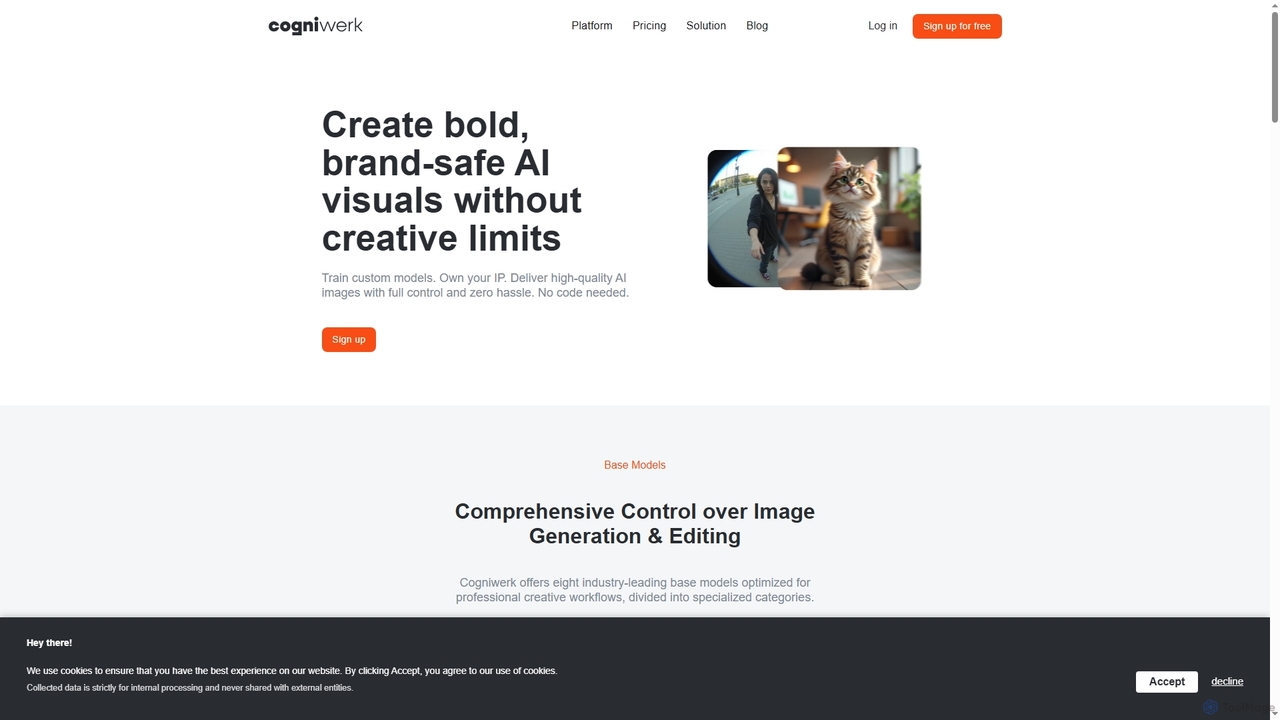
Model Training Best in category 1 results Fine Tuning AI Tool

Popular AI tools in the Fine Tuning field of Model Training include Cogniwerk, etc., helping you quickly improve efficiency.

Cogniwerk

Cogniwerk

Cogniwerk is a comprehensive European AI platform designed for creative professionals, offering advanced tools for high-quality image and …

6.7K

About Fine Tuning

Fine Tuning tools are AI-powered platforms that enable users to adapt pre-trained large language models (LLMs) or other AI models to specific tasks or datasets. These tools leverage the extensive general knowledge of a base model and specialize it through further training on smaller, domain-specific data. This process significantly enhances model performance and relevance for niche applications, drastically reducing the need for extensive data and computational resources compared to training from scratch. Fine-tuning empowers developers and businesses to deploy highly customized, efficient, and accurate AI solutions tailored to their unique requirements.

Core Features

  • Custom Dataset Integration: Seamlessly upload and integrate proprietary datasets for specialized model training.
  • Parameter-Efficient Fine-Tuning (PEFT): Implement advanced techniques like LoRA to adapt models with minimal computational overhead.
  • Performance Metrics Tracking: Monitor and evaluate key model performance indicators such as loss, accuracy, and F1-score during and after training.
  • Model Versioning & Management: Track, compare, and manage different iterations of fine-tuned models for controlled deployment.
  • API Access & Integration: Provide robust APIs for easy integration of fine-tuned models into existing applications and workflows.

Applicable Scenarios

Fine-tuning is crucial for organizations seeking to specialize general AI models for their unique operational needs. It's widely used in creating domain-specific chatbots, generating brand-consistent marketing content, and enhancing predictive analytics in niche markets. Businesses leverage these tools to transform generic AI capabilities into highly effective, tailored solutions that address specific industry challenges.

How to Choose

When selecting a fine-tuning tool, consider its compatibility with your desired base models and machine learning frameworks. Evaluate its data handling capabilities, including security and privacy features, for proprietary datasets. Assess the cost structure, scalability options, and the platform's ease of use, including documentation and support, to ensure it aligns with your technical expertise and budget.

Fine TuningUse Cases

1

Customized Customer Service Chatbot

A customer support team fine-tunes a large language model using their company's extensive knowledge base, product manuals, and historical support tickets. This specialized training enables the chatbot to provide highly accurate, context-aware, and brand-consistent answers to customer queries, significantly reducing the workload on human agents and improving overall customer satisfaction by offering instant, precise support.

2

Domain-Specific Content Generation

A legal research firm fine-tunes a text generation model on a vast corpus of legal documents, case precedents, and specific legal terminology. This allows the model to generate legally sound summaries, draft initial legal documents, or assist in research with language that adheres strictly to legal standards and nuances, drastically cutting down the time spent on manual drafting and review for legal professionals.

3

Personalized Recommendation Engines

An e-commerce platform fine-tunes a recommendation model using individual user browsing history, purchase patterns, and explicit preferences. This process enables the platform to deliver highly personalized product suggestions and content recommendations to each user, leading to increased conversion rates, higher average order values, and a more engaging shopping experience tailored to individual tastes.

4

Specialized Medical Image Analysis

Medical researchers fine-tune a pre-trained computer vision model on a specific dataset of rare disease images, such as particular types of tumors or genetic conditions. This specialized model can then detect subtle anomalies in new medical scans with significantly higher accuracy and speed than a general model, assisting radiologists in early diagnosis and improving patient outcomes for complex cases.

5

Brand-Consistent Marketing Copy

A marketing agency fine-tunes an LLM on a client's brand style guide, successful past campaign copy, and target audience demographics. The fine-tuned model can then generate marketing copy, social media posts, and ad creatives that consistently reflect the brand's unique voice, tone, and messaging across all channels, ensuring brand cohesion and accelerating content production cycles for various campaigns.

6

Enhanced Code Generation for Niche Languages

Software developers working with proprietary or less common programming languages fine-tune a code generation model on their existing codebase and internal documentation. This allows the AI to generate more accurate, contextually relevant code snippets, auto-complete functions, and assist with debugging specifically within their unique development environment, boosting productivity and reducing errors in specialized coding tasks.

Fine TuningFrequently Asked Questions