Nft Best in category 1 results Generative Art AI Tool

Popular AI tools in the Generative Art field of Nft include Bueno, etc., helping you quickly improve efficiency.

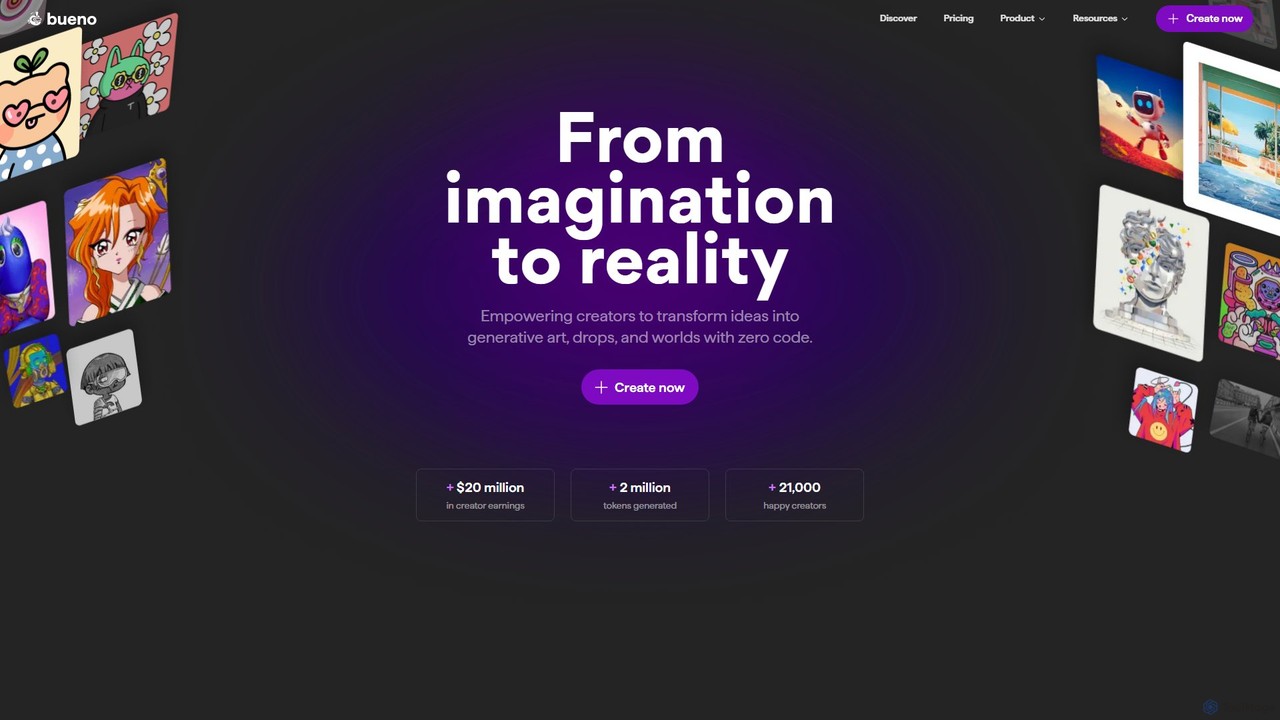
Bueno

Bueno

Bueno is a comprehensive no-code toolkit for NFT creators. It empowers artists and builders to generate art collections, …

18.5K

About Generative Art

Generative Art tools are a class of AI applications that create unique visual artworks from textual descriptions, parameters, or other data inputs. These tools leverage complex algorithms and machine learning models, such as Generative Adversarial Networks (GANs) and diffusion models, to produce novel images, patterns, and animations. Their primary value lies in enabling artists and creators to explore new aesthetic possibilities and generate large-scale, unique art collections, particularly for the NFT space. This technology acts as a collaborative partner, translating human creativity into complex digital visuals.

Core Features

  • Text-to-Image Synthesis: Generates detailed images from natural language prompts, turning ideas into visual art.
  • Algorithmic Control: Allows users to fine-tune parameters like style, color palettes, randomness, and composition.
  • Style Transfer & Blending: Applies the artistic style of one image to the content of another or merges multiple aesthetic influences.
  • Variation Generation: Creates multiple unique variations from a single base prompt or image, ideal for series and collections.
  • High-Resolution Output: Upscales generated art to high resolutions suitable for digital display, print, or large-scale installations.

Use Cases

Generative Art tools are widely used by digital artists and creators for producing NFT collections, where thousands of unique yet thematically linked artworks can be generated programmatically. They are also employed by game developers for rapid concept art creation, graphic designers for unique backgrounds and textures, and musicians for creating album art or dynamic concert visuals.

How to Choose

When selecting a Generative Art tool, consider the underlying AI model's aesthetic style and quality. Evaluate the level of control and customization offered—some tools are simple prompt-based interfaces, while others provide advanced parameter tuning. Also, assess the output resolution, usage rights for commercial projects, and the pricing model, which could be subscription-based, pay-per-generation, or require local hardware.

Generative ArtUse Cases

1

Create Large-Scale NFT Art Collections

An NFT artist or collective aims to launch a collection of 10,000 unique profile pictures (PFPs). Using a Generative Art tool, they define base character traits, accessories, and backgrounds as layers or textual attributes. The AI then programmatically generates thousands of unique combinations, each with a distinct mix of traits and rarity levels. This process automates the creation of a vast, diverse collection, which would be manually impossible, ensuring each NFT is a one-of-a-kind piece while maintaining a cohesive artistic style for the project.

2

Rapid Prototyping for Game Concept Art

A concept artist at a game studio needs to visualize a new fantasy world, including its characters, creatures, and environments. Instead of sketching every idea from scratch, they use a Generative Art tool. By inputting descriptive prompts like "bioluminescent forest with giant mushrooms and floating islands at twilight," they can generate dozens of visual interpretations in minutes. This allows the creative team to quickly review different artistic directions, iterate on concepts, and establish a visual style guide for the game, significantly accelerating the pre-production phase.

3

Generating Unique Patterns for Design and Fashion

A textile designer is tasked with creating a new line of fabrics with intricate, non-repeating patterns. They use a Generative Art tool with algorithmic controls to generate complex geometric or abstract designs. By adjusting parameters like color palettes, symmetry, and complexity, they can produce an endless variety of unique patterns. The selected designs are then prepared for digital printing on fabrics, enabling the creation of exclusive fashion items or home decor products with patterns that would be exceedingly time-consuming to create manually.

4

Creating Custom Illustrations for Digital Content

A content marketer needs a specific hero image for a blog post about "The Future of Quantum Computing." Stock photo libraries lack relevant and engaging visuals. Using a text-to-image Generative Art tool, the marketer enters a detailed prompt like "glowing quantum computer core, abstract network of light, futuristic, cinematic lighting." Within seconds, the tool produces several high-quality, original images that perfectly match the article's theme. This provides a unique and compelling visual that enhances reader engagement, without the cost or time required for a custom graphic designer.

5

Designing Abstract Art for Interior Decoration

An interior designer wants to offer clients custom wall art that perfectly matches a room's color scheme and mood. They use a Generative Art tool to create abstract pieces. By specifying a color palette (e.g., F5F5DC, 8B4513, 006400 for an earthy theme) and style prompts like "fluid abstract painting, textured, minimalist," the designer can generate a series of artworks. These can be presented to the client as digital mockups or printed on high-quality canvas, providing a bespoke art solution that is more integrated and personalized than sourcing from generic art galleries.

6

Creating Dynamic Visuals for Music and Events

A VJ (Video Jockey) or visual artist for a live music event needs to create captivating, real-time visuals that sync with the music. They use a Generative Art tool that can react to audio inputs or be controlled via MIDI. The tool generates evolving abstract patterns, psychedelic animations, or surreal landscapes that pulse and change in response to the beat, tempo, and frequency of the music. This creates an immersive, multi-sensory experience for the audience, where the visuals are not just pre-recorded loops but a unique, live performance co-created with the AI.

Generative ArtFrequently Asked Questions