ToolMage
Sign in

Best 1 No Code AI tools for Nft

Popular No Code AI tools in Nft include Bueno, helping you work more efficiently.

Bueno
Freemium

Bueno

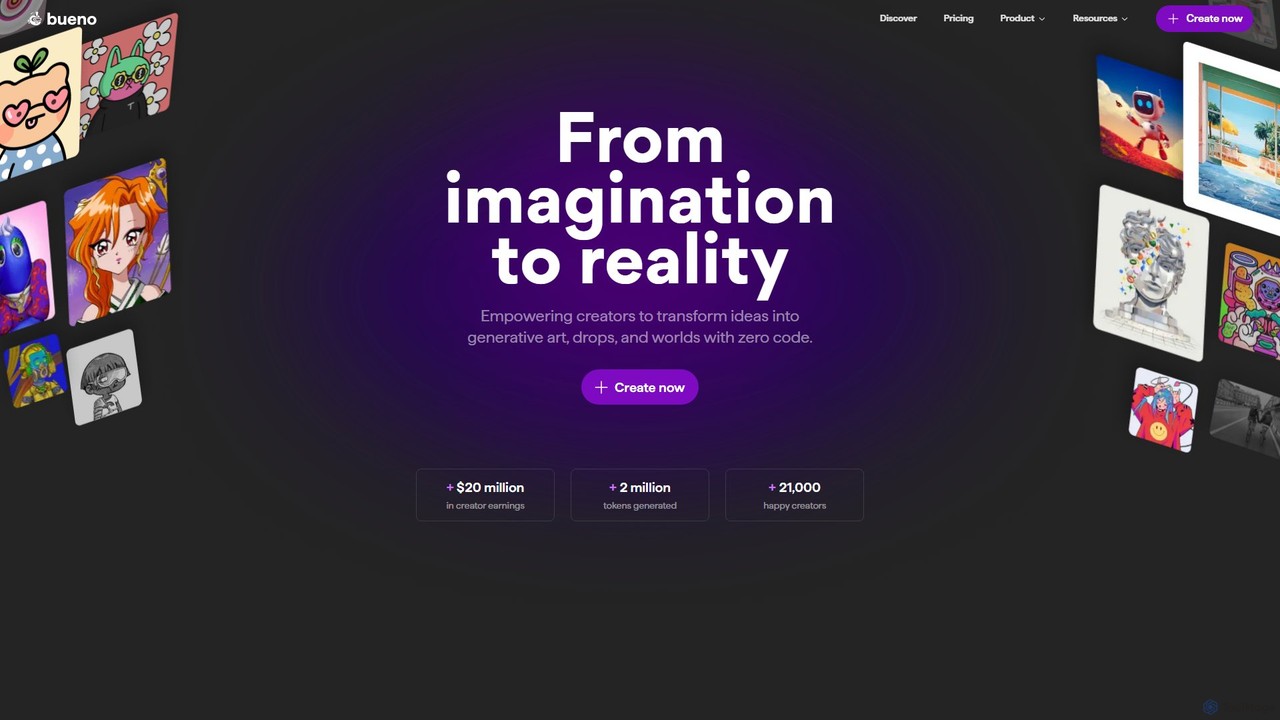
Bueno is a comprehensive no-code toolkit for NFT creators. It empowers artists and builders to generate art collections, deploy custom smart contracts, and create interactive worlds without writing any code. The platform supports multiple blockchains and offers a full suite of tools for the entire NFT project lifecycle.

Digital Art
Visits 25.1KFavorites 125Likes 108

About No Code

No-Code NFT tools are platforms that empower users to create, launch, and manage NFT collections and smart contracts without writing a single line of code. These tools utilize visual interfaces with drag-and-drop functionality, abstracting away the complexity of blockchain development. This allows artists, creators, and brands to deploy their own NFT projects, set minting parameters, and manage royalties directly. The primary value is democratizing access to Web3, enabling anyone to participate in the NFT economy regardless of their technical background.

Core Features

  • Visual Smart Contract Builder: Configure NFT properties like supply, mint price, and royalty percentages through a graphical interface.
  • Mint Page Generation: Automatically create and customize a web page where your community can mint the NFTs.
  • IPFS/Arweave Integration: Seamlessly upload and pin digital assets and metadata to decentralized storage for permanence.
  • Wallet Connectivity: Pre-built integration with popular crypto wallets like MetaMask for easy transactions.
  • Airdrop & Whitelist Tools: Manage community access by easily distributing NFTs to specific wallet addresses or creating presale lists.

Use Cases

No-Code NFT tools are ideal for independent artists launching their first PFP (Profile Picture) collection, brands creating NFT-based loyalty programs, and event organizers issuing digital tickets. They are also used by community managers to create token-gated access to exclusive content or forums, enabling a direct and verifiable link between asset ownership and community perks.

How to Choose

When selecting a No-Code NFT tool, consider the supported blockchains (e.g., Ethereum, Solana, Polygon), as this impacts gas fees and ecosystem. Evaluate the platform's transaction fees and pricing model. Assess the level of customization available for your smart contract and minting page. Finally, check for community support, tutorials, and the platform's track record for security and reliability.

No Code use cases

1

Launch a PFP NFT Collection for Artists

An independent digital artist wants to release their first 10,000-piece PFP (Profile Picture) collection but lacks coding skills. Using a no-code NFT platform, they can upload their art layers (backgrounds, characters, accessories), and the tool automatically generates unique combinations with corresponding metadata. The artist then uses a visual interface to configure the smart contract, setting the mint price, supply limit, and royalty fees for secondary sales. Finally, the platform generates a customizable minting website, allowing the artist to launch their project to the public in days instead of months, while maintaining full ownership.

2

Create an NFT-Based Loyalty Program for a Brand

A marketing manager for a retail brand aims to increase customer engagement with a Web3 loyalty program. Using a no-code NFT tool, they design and deploy a collection of 'membership' NFTs. The platform allows them to easily airdrop these NFTs to the wallets of their top 100 customers. They then use the tool's token-gating features to grant NFT holders exclusive access to online discounts and early product releases on their e-commerce site. This entire process is managed through a simple dashboard, requiring no blockchain developers and enabling a rapid rollout of the campaign.

3

Set Up Token-Gated Content for a Community

A community manager for an online educational course wants to provide exclusive video content to paying members. They use a no-code NFT tool to issue a 'Course Pass' NFT to each enrolled student. Through the platform's dashboard, they can easily set up token-gating rules. This connects to their website and automatically verifies if a visitor's wallet holds the required 'Course Pass' NFT before granting access to the premium video library. This creates a secure and automated system for managing access without needing to handle traditional logins or subscriptions, directly linking access rights to blockchain-based ownership.

4

Issue NFT Tickets for an Event

An event organizer for a music festival wants to use NFTs as tickets to prevent fraud and offer post-event perks. They use a no-code platform to create a unique NFT ticket for each attendee. The platform's interface allows them to set the price and sale dates easily. At the event, staff can use a simple app connected to the platform to scan a QR code from the attendee's wallet to verify the NFT ticket's authenticity. After the festival, the organizer can airdrop exclusive content, like performance recordings, to the wallets that hold the ticket NFTs, adding long-term value for attendees.

5

Create Digital Certificates of Authenticity

A seller of high-end physical goods, like custom sneakers or art prints, needs a modern way to prove authenticity. They use a no-code NFT platform to mint a corresponding NFT for each physical item sold. The platform allows them to easily upload product details, images, and a unique serial number into the NFT's metadata. When a customer buys an item, the seller transfers the associated NFT to the customer's wallet. This provides the owner with a permanent, blockchain-verified record of authenticity and provenance that is more secure and transferable than a traditional paper certificate.

6

Distribute Airdrops to Build a Community

A new Web3 project wants to bootstrap its community by rewarding early supporters. The project manager uses a no-code NFT tool to create a commemorative 'Early Supporter' NFT. They collect a list of wallet addresses from their initial Discord and Twitter followers. Using the platform's airdrop feature, they can upload this list and send the NFT to hundreds or thousands of wallets in a single transaction, with the tool handling the batching process to optimize gas fees. This allows them to quickly reward their community and create an initial base of token holders without any complex scripting.

No Code FAQ

What are No-Code NFT tools?

No-Code NFT tools are web-based platforms that allow individuals and businesses to create, deploy, and manage NFT projects without needing to write any programming code. They provide a visual interface for tasks like generating artwork, configuring smart contracts, creating a minting website, and managing community airdrops. The main purpose of these tools is to lower the technical barrier to entry into the Web3 space, making it possible for artists, marketers, and entrepreneurs to launch NFT collections independently.

How to choose the right No-Code NFT tool?

Choosing the right tool depends on your project's needs. Consider the following factors:

  • Supported Blockchains: Does it support the blockchain you want to build on (e.g., Ethereum, Solana, Polygon, Tezos)? This choice affects gas fees, transaction speed, and market reach.
  • Features: Does it offer all the features you need, such as artwork generation, whitelist management, airdrops, and customizable minting pages?
  • Pricing and Fees: Understand the cost structure. Some platforms charge a subscription fee, while others take a percentage of your primary sales or a flat fee per NFT minted.
  • Ease of Use: The user interface should be intuitive and well-documented. Look for platforms with strong community support and tutorials.
  • Contract Ownership: Ensure that you will be the true owner of the deployed smart contract, not the platform. This is crucial for long-term control and security.
No-Code NFT tool vs. hiring a developer: what's the difference?

The main difference lies in cost, speed, and customization. A No-Code NFT tool is significantly cheaper and faster, allowing you to launch a standard NFT project in hours or days. It's ideal for artists, small brands, or anyone with a limited budget and no technical expertise. Hiring a developer provides maximum flexibility and customization. A developer can build unique smart contract logic, create a highly branded minting experience, and integrate with other systems. This path is more expensive and time-consuming, but it's suitable for complex projects with specific technical requirements that go beyond the templates offered by no-code platforms.

Do I still need a crypto wallet to use No-Code NFT tools?

Yes, absolutely. Even though you are not writing code, you are still interacting with a blockchain. A crypto wallet (like MetaMask, Phantom, or Coinbase Wallet) is essential for several reasons. First, you need it to connect to the no-code platform and prove you are the project owner. Second, you will use it to pay the 'gas fees' required to deploy your smart contract onto the blockchain. Finally, it is the wallet where you will receive the proceeds from your NFT sales. The no-code tool simplifies the creation process, but the wallet remains your key to interacting with the Web3 ecosystem.

What kind of NFT projects can I build with no-code tools?

No-code tools are versatile and support a wide range of common NFT project types. You can typically build:

  • PFP (Profile Picture) Collections: Generate thousands of unique images from art layers, a popular format for community-based projects.
  • 1-of-1 Art Drops: Launch single, unique pieces of digital art, ideal for fine artists.
  • Membership Passes: Create NFTs that act as keys to access exclusive content, communities, or services (token-gating).
  • Event Tickets: Issue verifiable, digital tickets for concerts, conferences, or online events.
  • Digital Certificates: Mint NFTs to serve as proof of authenticity or ownership for physical or digital goods.

While they excel at these standard use cases, highly complex projects with unique game mechanics or DeFi integrations might still require custom development.