Vitality
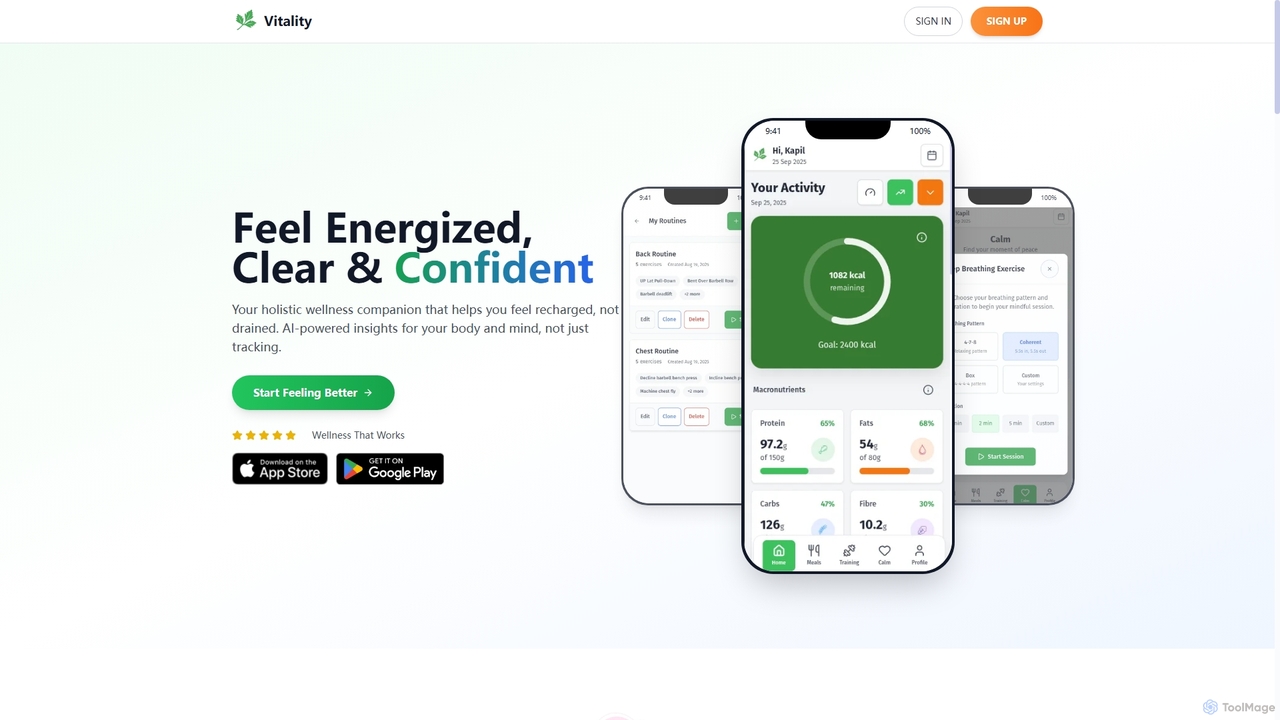
Vitality is an AI-powered holistic wellness companion designed to help users feel energized, clear, and confident. It moves …
Vitality is an AI-powered holistic wellness companion designed to help users feel energized, clear, and confident. It moves beyond simple tracking by providing personalized insights into nutrition, movement, and mindfulness, fostering sustainable habits without guilt or burnout. Users can easily log meals via photo, track workouts, and monitor various wellness metrics to achieve their health goals.
About Nutrition
Nutrition AI tools are AI-powered applications designed to analyze dietary habits, provide personalized nutritional guidance, and optimize health outcomes. These tools leverage machine learning and data analytics to process vast amounts of food data, user health metrics, and scientific research. They empower individuals and professionals to make informed decisions about diet, manage specific health conditions, and achieve wellness goals more effectively.
Core Features
- Personalized Meal Planning: Generates customized meal plans based on dietary preferences, health goals, allergies, and nutrient requirements.
- Dietary Analysis & Tracking: Analyzes food intake, tracks macronutrients and micronutrients, and identifies potential deficiencies or excesses.
- Recipe Generation: Creates healthy recipes tailored to specific dietary needs, ingredient availability, and cooking preferences.
- Supplement Recommendations: Suggests appropriate supplements based on individual dietary gaps, health conditions, and activity levels.
- Health Goal Monitoring: Monitors progress towards weight management, muscle gain, or other health objectives with data-driven insights.
Use Cases
Nutrition AI tools are invaluable for dietitians creating tailored plans for clients, fitness enthusiasts optimizing performance, and individuals managing chronic conditions like diabetes or heart disease. They also assist food companies in developing healthier products and researchers in analyzing population-level dietary trends.
How to Choose
When selecting a Nutrition AI tool, consider its data accuracy and scientific backing, the level of personalization offered for meal plans and recommendations, and its ability to integrate with wearable devices or other health apps. Evaluate support for specific dietary restrictions (e.g., vegan, gluten-free) and the clarity of its user interface for ease of use.
NutritionUse Cases
Personalized Diet Planning for Weight Management
Individuals aiming for weight loss or gain can utilize AI nutrition tools to generate custom meal plans. By inputting personal data like current weight, target weight, activity level, and dietary preferences, the AI crafts balanced daily menus, tracks calorie intake, and suggests healthy recipes, simplifying the complex process of managing a diet and ensuring adherence to goals.
Creating Personalized Weight Loss Meal Plans
Individuals aiming for weight loss can input their current weight, target weight, activity level, and dietary preferences into a Nutrition AI tool. The AI then generates a calorie-controlled, balanced meal plan for the week, complete with recipes and shopping lists, ensuring nutritional adequacy while promoting healthy weight reduction. This eliminates guesswork and provides a structured approach to dietary changes.
Personalized Meal Planning for Weight Management
Individuals aiming for sustainable weight loss or gain can leverage AI nutrition tools to create highly personalized meal plans. By inputting their current weight, target weight, activity level, and dietary preferences, the AI generates daily menus that meet caloric and macronutrient goals. This eliminates guesswork, ensures balanced nutrition, and adapts plans based on progress, making the journey more effective and enjoyable for users.
Personalized Diet Planning for Weight Management
An individual aiming for weight loss or gain can input their current weight, target weight, activity level, and dietary preferences. The AI tool then generates a personalized meal plan with calorie and macronutrient targets, suggesting recipes and grocery lists to help them achieve their goals sustainably, adapting as progress is made.
Personalized Meal Planning for Individuals
Health-conscious individuals or busy professionals can use AI nutrition tools to generate balanced meal plans. By inputting dietary restrictions, calorie needs, and fitness goals, the AI analyzes vast food databases to suggest daily or weekly meal ideas, complete with recipes and shopping lists. This saves significant time in meal preparation and ensures nutritional balance, helping users achieve weight management or fitness targets effectively.
Personalized Weight Management Plan
An individual seeking weight loss or gain can use AI nutrition tools to create a sustainable and effective diet plan. The AI analyzes body metrics, activity levels, food preferences, and health goals to generate daily meal plans, track progress, and adjust recommendations, helping them achieve their weight objectives with tailored nutrition, avoiding generic diets.
Generate Personalized Meal Plans for Weight Loss
Individuals aiming for weight loss can utilize AI nutrition tools to create customized meal plans. By inputting their current weight, target weight, activity level, and dietary preferences, the AI generates daily menus that adhere to caloric goals and provide balanced nutrition. This helps users stay on track without tedious manual calculations, ensuring sustainable and healthy weight management.
Personalized Meal Planning for Athletes
Sports nutritionists and athletes utilize AI tools to generate highly personalized meal plans that align with training cycles, performance goals, and recovery needs. By inputting activity levels, body metrics, and dietary preferences, the AI can suggest optimal macronutrient ratios, calorie intake, and specific food choices to fuel performance and accelerate recovery, ensuring peak physical condition.
Optimizing Athletic Performance Nutrition
Athletes and fitness enthusiasts leverage AI nutrition platforms to fine-tune their dietary intake for peak performance and recovery. These tools analyze training schedules, energy expenditure, and specific sport requirements to recommend optimal macronutrient ratios, hydration strategies, and supplement timing, helping to maximize endurance, strength, and muscle repair.
Optimizing Athletic Performance Through Diet
Athletes and fitness enthusiasts can utilize Nutrition AI tools to fine-tune their diet for peak performance and recovery. By tracking training intensity, energy expenditure, and specific performance goals, the AI recommends optimal macronutrient ratios, hydration strategies, and supplement timings. This data-driven approach helps prevent nutrient deficiencies and supports muscle growth and endurance.
Optimizing Athletic Performance through Diet
Athletes and fitness enthusiasts utilize AI nutrition platforms to fine-tune their diet for peak performance and recovery. These tools analyze training intensity, energy expenditure, and specific sport requirements to recommend optimal macronutrient ratios, hydration strategies, and nutrient timing. They help prevent deficiencies, support muscle repair, and provide energy for demanding workouts, ensuring athletes fuel their bodies precisely.
Optimizing Athletic Performance Nutrition
A professional athlete or serious fitness enthusiast can use these tools to fine-tune their pre-workout, intra-workout, and post-workout nutrition. By tracking energy expenditure and recovery needs, the AI recommends specific nutrient timings and food combinations to maximize performance, accelerate recovery, and prevent deficiencies.
Dietary Analysis for Chronic Disease Management
Patients with chronic conditions like diabetes or heart disease can leverage AI nutrition tools to manage their diet effectively. The AI tracks food intake, identifies problematic nutrients (e.g., high sodium, sugar), and suggests alternatives or modifications aligned with medical guidelines. This proactive approach helps in better disease control, improves health markers, and empowers patients to make informed dietary choices under professional guidance.
Optimizing Athlete Performance Diet
Professional athletes or fitness enthusiasts can fine-tune their nutrition for peak performance and recovery using AI tools. The AI considers training intensity, competition schedules, body composition, and specific sport demands to recommend precise macro/micronutrient intake and hydration strategies. This leads to enhanced energy levels, faster recovery, and improved athletic performance.
Optimize Athlete Diet for Peak Performance
Athletes and fitness enthusiasts can leverage AI nutrition tools to fine-tune their diet for specific training phases or competitions. The AI analyzes workout intensity, recovery needs, and performance goals to recommend optimal macronutrient ratios, hydration strategies, and supplement timing. This ensures adequate energy, muscle repair, and reduced risk of injury, maximizing athletic potential.
Dietary Management for Chronic Conditions
Individuals with chronic diseases such as diabetes, hypertension, or kidney disease can use Nutrition AI tools to manage their diet effectively. The AI analyzes food intake against medical guidelines and provides recommendations for blood sugar control, sodium reduction, or specific nutrient restrictions, helping users adhere to therapeutic diets and improve health markers under professional guidance.
Managing Dietary Restrictions and Allergies
For users with specific dietary needs such as veganism, gluten intolerance, diabetes, or food allergies, AI nutrition tools are crucial. They can filter recipes, suggest safe food alternatives, and flag potential allergens or ingredients that conflict with health conditions, ensuring a balanced and safe diet without constant manual checking.
Managing Chronic Health Conditions with Tailored Diets
Patients with conditions like diabetes, hypertension, or celiac disease can benefit from AI-powered nutrition guidance. These tools can create meal plans that strictly adhere to medical dietary requirements, such as low-sodium or gluten-free, while ensuring all essential nutrients are met. They also provide alerts for potentially harmful foods and track the impact of diet on health markers.
Managing Chronic Conditions with Tailored Diets
Patients with chronic conditions like diabetes, hypertension, or celiac disease can benefit from AI nutrition tools that offer tailored dietary management. The AI considers medical diagnoses, medication, and specific dietary restrictions (e.g., low-sodium, gluten-free) to suggest safe and beneficial food choices. This supports adherence to therapeutic diets, helps manage symptoms, and improves overall health outcomes under professional guidance.
Managing Dietary Restrictions and Allergies
Someone with celiac disease, lactose intolerance, or multiple food allergies can leverage AI nutrition tools to identify safe foods, generate allergen-free recipes, and flag potential cross-contamination risks. This ensures adherence to strict dietary requirements without compromising nutritional completeness or taste.
Sports Nutrition Optimization for Athletes
Professional athletes, fitness enthusiasts, and coaches can utilize AI nutrition tools to tailor nutrition plans for peak performance and recovery. The AI considers training intensity, body composition, and performance goals to recommend precise macronutrient ratios, hydration strategies, and optimal timing for meals and supplements. This leads to enhanced athletic performance, faster recovery times, and reduced risk of injury, providing a competitive edge.
Managing Dietary Restrictions & Allergies
Individuals with food allergies, intolerances, or specific medical conditions (e.g., diabetes, celiac disease) can use AI nutrition tools to find safe, compliant, and nutritious meal options. The AI filters recipes and food products based on user-defined allergens or dietary needs, suggesting suitable alternatives and flagging potential risks, ensuring safe adherence to restrictions and adequate nutrition.
Manage Dietary Restrictions and Allergies Safely
For individuals with food allergies, intolerances, or specific dietary restrictions (e.g., vegan, gluten-free), AI nutrition tools offer a crucial safety net. Users can input their restrictions, and the AI will filter recipes, suggest alternative ingredients, and flag potential allergens in food items. This simplifies meal preparation and grocery shopping, preventing adverse reactions and ensuring nutritional completeness.
Automated Healthy Recipe Generation
Home cooks and busy professionals leverage AI to automatically generate healthy recipes tailored to available ingredients, dietary restrictions (e.g., keto, vegetarian), and desired cooking time. This eliminates meal planning fatigue and ensures varied, nutritious meals without extensive manual research, promoting consistent healthy eating habits.
Professional Nutrition Counseling Support
Dietitians and nutritionists integrate AI tools into their practice to enhance client management. The AI can analyze client food diaries, generate detailed nutritional reports, identify deficiencies or excesses, and even suggest personalized intervention strategies, allowing professionals to provide more data-driven and efficient guidance.
Streamlining Meal Prep for Busy Professionals
Busy professionals often struggle with consistent healthy eating due to time constraints. Nutrition AI tools can generate efficient meal prep plans, suggesting recipes that can be cooked in bulk or require minimal preparation. Users can input available ingredients and preferred cooking times, and the AI will provide a schedule and recipes that fit their lifestyle, saving time and promoting healthier choices.
Dietary Analysis for Vegetarians and Vegans
Vegetarians and vegans often face challenges in ensuring adequate intake of certain nutrients like B12, iron, or omega-3s. AI nutrition tools can meticulously track their macro and micronutrient intake from plant-based sources, identifying potential gaps. The AI then suggests nutrient-dense plant foods or appropriate fortified products and supplements, helping users maintain a balanced and complete plant-based diet.
Monitoring Nutrient Intake for Chronic Disease Management
Patients with conditions like diabetes, heart disease, or kidney disease can use AI to meticulously track their intake of specific nutrients (e.g., sugar, sodium, potassium). The tool provides real-time feedback, alerts for unhealthy choices, and suggestions for diet adjustments to help manage their condition effectively under medical guidance.
Supplement Recommendation based on Deficiencies
Individuals seeking to optimize nutrient intake or dietitians can use AI tools to identify potential nutrient gaps and recommend appropriate supplements. The AI analyzes dietary logs, health data, and sometimes even lab results to pinpoint specific deficiencies. It then suggests evidence-based supplements with dosage recommendations, helping users address nutritional gaps effectively and avoid unnecessary or inappropriate supplementation, supporting overall health.
Streamlining Nutritionist Client Management
Registered Dietitians or Nutrition Coaches can use AI tools to efficiently create and manage personalized meal plans for multiple clients. The AI assists in generating customized diet plans, tracking client progress, analyzing food diaries, and providing data-driven insights. This frees up time for more direct client interaction, leading to improved client outcomes and increased efficiency in practice.
Support Chronic Disease Management with Diet
Patients managing chronic conditions like diabetes, hypertension, or heart disease can use AI nutrition tools as a supportive aid. The AI provides diet plans tailored to specific medical guidelines, monitors food intake's impact on health markers (e.g., blood sugar), and offers educational insights. This empowers patients to adhere to therapeutic diets, improving health outcomes under medical supervision.
Nutrient Tracking and Deficiency Identification
Health-conscious individuals and dietitians employ AI tools to meticulously track daily nutrient intake, including vitamins, minerals, and macronutrients. The AI provides detailed reports, identifies potential nutrient deficiencies or excesses based on recommended daily allowances, and suggests food sources or fortified options to balance the diet.
Automated Food Logging and Nutrient Tracking
Busy individuals can use AI nutrition apps to effortlessly log their meals. Features like photo recognition, barcode scanning, or voice input allow for quick and accurate recording of food items, which the AI then analyzes to provide real-time insights into calorie, macro, and micronutrient intake, simplifying daily tracking.
Analyzing Food Intake for Dietary Deficiencies
Individuals concerned about potential nutrient deficiencies can use Nutrition AI tools to log their daily food intake over a period. The AI analyzes the logged data against recommended daily allowances, highlighting specific vitamins, minerals, or macronutrients that might be lacking or in excess. This detailed analysis helps users make targeted dietary adjustments or consider appropriate supplementation.
Streamlining Meal Prep for Busy Professionals
Busy professionals with limited time for cooking can use AI nutrition tools to automate and simplify their meal preparation. The AI generates weekly meal plans with grocery lists, often suggesting recipes that are quick to prepare or suitable for batch cooking. This saves significant time, reduces food waste, and ensures consistent healthy eating even with a demanding schedule, promoting better work-life balance.
Meal Preparation and Grocery Shopping Efficiency
Busy families or individuals can utilize AI tools to plan weekly meals, generate consolidated grocery lists based on chosen recipes, and even suggest cost-effective ingredient substitutions. This streamlines the entire process from planning to shopping, reducing food waste and saving time.
Food Product Development & Ingredient Analysis
Food scientists and product developers in the food industry can utilize AI nutrition tools to formulate new products or reformulate existing ones. The AI analyzes ingredient databases, nutritional values, and consumer preferences to optimize recipes for specific health claims (e.g., low sugar, high protein), allergen management, or dietary needs (e.g., vegan, gluten-free). This accelerates product innovation, ensures compliance with regulations, and helps create healthier food options for consumers.
Healthy Meal Planning for Busy Families
A parent or household manager can use AI nutrition tools to plan nutritious, varied meals for the week that cater to different family members' preferences and time constraints. The AI generates weekly meal plans, shopping lists, and quick recipes based on family size, dietary needs, budget, and available cooking time, reducing meal planning stress and ensuring balanced family nutrition.
Enhance Family Nutrition and Streamline Meal Prep
Families looking to improve their collective eating habits and streamline meal preparation can benefit from AI nutrition tools. The AI can generate weekly meal plans that cater to multiple family members' preferences, allergies, and nutritional needs, while also suggesting recipes that are quick to prepare and budget-friendly. This reduces mealtime stress and promotes healthier eating for everyone.
Supplement Recommendation Based on Needs
Users seeking to optimize their supplement regimen can input their dietary habits, health goals, and any existing deficiencies into AI nutrition platforms. The AI then analyzes this data to recommend specific vitamins, minerals, or other supplements that could fill nutritional gaps or support particular health objectives, always advising consultation with a healthcare professional.
Streamlining Meal Prep and Grocery List Generation
Households and individuals can use AI to plan weekly meals efficiently. Based on selected recipes, dietary preferences, and available ingredients, the AI automatically generates comprehensive grocery lists, optimizes meal prep schedules, and minimizes food waste, making healthy eating convenient and cost-effective.
Developing Healthy Eating Habits for Families
Parents can leverage Nutrition AI tools to plan balanced and appealing meals for the entire family, accommodating different tastes and nutritional needs. The AI can suggest kid-friendly recipes that are rich in essential nutrients, help manage food allergies across family members, and generate grocery lists, simplifying the process of fostering healthy eating habits for all.
Supporting Dietitians in Client Management
Dietitians and nutrition coaches can integrate AI nutrition tools into their practice to enhance client management. The AI assists in quickly analyzing client dietary logs, identifying patterns, and generating customized recommendations. This frees up the dietitian's time for more in-depth counseling, allows for real-time progress monitoring, and provides clients with interactive tools to stay engaged and informed about their nutritional journey.
Educating and Empowering Healthy Eating Habits
Individuals new to healthy eating can use these tools as an educational resource. The AI can explain the benefits of different nutrients, clarify food labels, and provide insights into balanced eating principles, helping users build sustainable healthy habits and a deeper understanding of nutrition science.
Personalized Weight Management Coaching
Individuals aiming for sustainable weight loss or gain can benefit from AI-powered nutrition coaching. The AI monitors progress, provides motivational feedback, and dynamically adjusts meal and exercise plans based on user response and adherence. It offers behavioral insights and personalized strategies to overcome plateaus and maintain long-term habits. This provides continuous, tailored support, making weight management more effective and personalized than generic programs.
Analyzing Food Labels and Ingredients
A health-conscious consumer or shopper can quickly understand the nutritional value and potential allergens in packaged foods using AI nutrition tools. The AI uses image recognition (e.g., scanning barcodes or labels) to instantly provide a detailed breakdown of ingredients, nutritional facts, and highlight any red-flag components. This enables informed purchasing decisions, helps avoid unhealthy additives, and saves time deciphering complex labels.
Identify Nutrient Deficiencies and Supplement Needs
Individuals concerned about potential nutrient gaps in their diet can use AI nutrition tools for analysis. By tracking food intake over time, the AI identifies common deficiencies in vitamins, minerals, or macronutrients. It then suggests food sources rich in these nutrients or recommends appropriate supplements, helping users address imbalances and maintain overall health.
Food Product Innovation and Optimization
Food scientists and product developers use Nutrition AI to analyze ingredient combinations, optimize nutritional profiles, and predict consumer preferences for new food products. The AI can simulate different formulations to meet specific health claims (e.g., low sugar, high protein) or dietary trends, accelerating R&D cycles and creating healthier market offerings.