ToolMage
Sign in

Best 2 Payment Processing AI tools

Popular Payment Processing AI tools include DIRO and Timber POS, helping you work more efficiently.

Paid

Timber POS

Timber POS is a reliable and lightning-fast point of sale system designed for small businesses across various industries. It offers smart analytics, automated operations, and flexible hardware compatibility, enabling businesses to manage sales, inventory, and customer relationships efficiently, both in-store and online.

Loyalty Programs
Visits 3.6KFavorites 70Likes 61
Freemium

DIRO

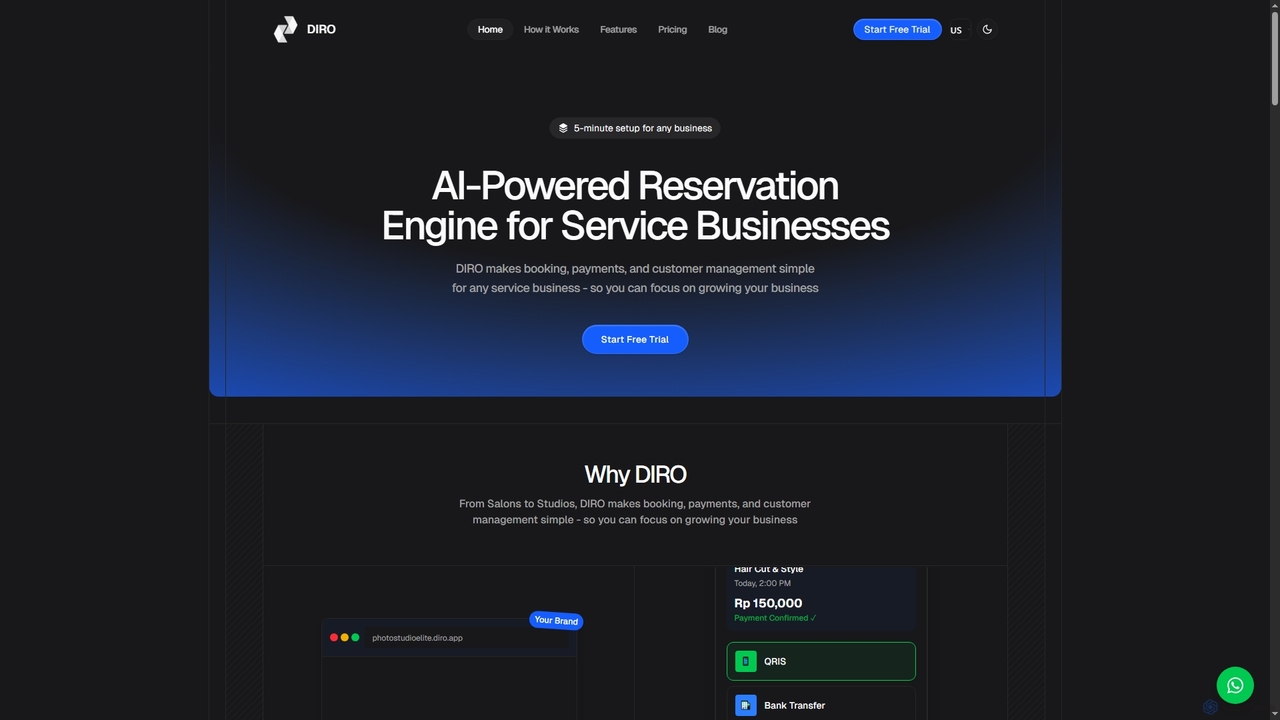
DIRO is an AI-powered reservation engine for service businesses, simplifying online booking, payments, and customer management. It enables businesses to create branded booking sites, reduce no-shows with automated reminders, manage staff, and gain insights, allowing them to focus on growth and enhance client loyalty.

3D
Visits 4.7KFavorites 100Likes 103

About Payment Processing

Payment Processing tools are AI-powered solutions designed to automate, secure, and optimize financial transactions for businesses. These tools leverage advanced machine learning algorithms to analyze transaction data, detect fraud patterns, and streamline reconciliation processes. Their primary value lies in enhancing operational efficiency, reducing financial risks, and improving the overall customer payment experience. They offer a sophisticated approach to managing the complexities of modern digital commerce.

Core Features

  • Real-time Fraud Detection: Identifies and flags suspicious transactions instantly using AI models.
  • Automated Reconciliation: Matches payments to invoices and accounts automatically, reducing manual effort.
  • Dynamic Currency Conversion: Offers optimized exchange rates and local currency options for global transactions.
  • Personalized Checkout Flows: Adapts payment options and offers based on customer behavior and preferences.
  • Compliance & Reporting: Ensures adherence to regulatory standards like PCI DSS and generates detailed financial reports.

Applicable Scenarios

E-commerce businesses utilize AI payment processing to manage high volumes of transactions securely, prevent chargebacks, and offer diverse payment methods globally. Subscription-based services benefit from automated recurring billing, smart dunning management, and churn reduction. Financial institutions and fintech companies deploy these tools to enhance security protocols, automate complex reconciliation tasks, and ensure regulatory compliance across their operations.

How to Choose

When selecting an AI payment processing solution, prioritize robust security features, including advanced fraud detection and compliance certifications (e.g., PCI DSS). Evaluate its integration capabilities with your existing e-commerce platforms, ERP, and CRM systems via APIs. Consider the scalability to handle your current and future transaction volumes, along with transparent pricing models. Finally, assess the specific AI functionalities offered, such as advanced analytics, personalization, and global payment support, to align with your business needs.


Featured tool rankings

Payment Processing use cases

1

Enhanced Fraud Detection for E-commerce

E-commerce managers face the constant challenge of preventing fraudulent transactions and chargebacks. AI payment processing tools analyze transaction patterns, user behavior, and historical data in real-time to identify suspicious activities and potential fraud risks. This proactive approach significantly reduces financial losses, improves customer trust by maintaining a secure environment, and lowers operational costs associated with manual fraud review processes.

2

Streamlining Subscription Billing for SaaS Companies

SaaS operations teams need efficient ways to manage recurring billing, reduce involuntary churn, and maintain consistent revenue. AI-powered payment processing systems automate invoicing, handle payment retries for failed transactions, and implement personalized dunning management strategies. This ensures a smoother billing cycle, minimizes manual intervention, and proactively addresses payment issues, ultimately improving customer retention and financial predictability for subscription-based businesses.

3

Global Payment Acceptance for Marketplaces

Online marketplace administrators aim to expand their reach by accepting payments from customers worldwide in various currencies and methods. AI payment processing tools offer robust multi-currency support, integrate local payment options (e.g., Alipay, iDEAL), and provide dynamic currency conversion, often optimizing exchange rates. This capability not only expands market access but also enhances customer convenience and simplifies the complex international financial reconciliation process for the platform.

4

Automated Reconciliation for Financial Institutions

Finance department analysts in financial institutions often struggle with reconciling high volumes of transactions across multiple accounts and systems. AI algorithms in payment processing automatically match payments to invoices, identify discrepancies, and generate comprehensive reports, learning from past patterns to improve accuracy. This significantly reduces manual reconciliation time, minimizes errors, and provides real-time financial visibility for faster, more informed decision-making across the organization.

5

Personalized Checkout Experiences for Retailers

Retail marketing managers aim to optimize the checkout process to reduce cart abandonment and increase conversion rates. AI analyzes customer preferences, location, and past purchase behavior to offer preferred payment methods, localized currency, and relevant promotions directly at checkout. This tailored approach improves customer satisfaction by making the payment process seamless and relevant, ultimately boosting conversion rates and enhancing overall sales performance for retailers.

6

Secure Payouts for Gig Economy Platforms

Platform operations managers in the gig economy need to ensure timely and secure payouts to freelancers and contractors globally. AI-driven payment systems verify recipient identities, manage international transfers, and ensure compliance with local financial regulations, minimizing fraud risks associated with mass payouts. This builds trust with contractors, reduces administrative burden, and ensures smooth, compliant financial operations for the platform, supporting its global workforce efficiently.

Payment Processing FAQ

What are AI Payment Processing tools?

AI Payment Processing tools are software solutions that leverage artificial intelligence and machine learning to automate, secure, and optimize financial transactions. They go beyond traditional payment gateways by offering advanced capabilities like real-time fraud detection, automated reconciliation, and personalized payment experiences. These tools aim to enhance operational efficiency, reduce financial risks, and improve customer satisfaction across various business models, from e-commerce to subscription services.

How do AI tools enhance payment security?

AI tools significantly enhance payment security by employing advanced machine learning models to analyze vast amounts of transaction data in real-time. They can detect anomalies, identify suspicious patterns indicative of fraud, and even predict potential threats that human analysts might miss. Beyond detection, AI-powered systems often integrate features like tokenization and encryption to protect sensitive cardholder data, adapt to evolving fraud tactics, and ensure continuous compliance with security standards like PCI DSS, providing a multi-layered defense against cyber threats.

What are the key benefits of using AI in payment processing?

Integrating AI into payment processing offers several key benefits. Firstly, it drastically reduces fraud rates through real-time, predictive analysis, saving businesses significant financial losses. Secondly, it boosts operational efficiency by automating tasks like reconciliation, reporting, and dispute resolution, freeing up human resources. Thirdly, AI enhances the customer experience by enabling personalized checkout flows and faster transaction approvals. Lastly, it provides valuable data insights into payment trends and customer behavior, aiding strategic decision-making and ensuring better compliance with evolving regulations.

How to choose the right AI Payment Processing solution for my business?

Choosing the right AI Payment Processing solution involves evaluating several critical factors. First, assess its security features, including advanced fraud detection, tokenization, and compliance with standards like PCI DSS. Second, consider its integration capabilities with your existing e-commerce platforms, ERP, and CRM systems via robust APIs. Third, evaluate its scalability to handle your current transaction volumes and future growth, along with its global payment support for various currencies and local methods. Finally, compare pricing models, customer support quality, and the specific AI-driven analytics and personalization features that align with your business goals.

Can AI Payment Processing integrate with existing business systems?

Yes, AI Payment Processing solutions are typically designed for seamless integration with a wide array of existing business systems. They often provide robust APIs (Application Programming Interfaces) and SDKs (Software Development Kits) that allow developers to connect them with e-commerce platforms like Shopify or WooCommerce, ERP systems such as SAP or Oracle, and CRM platforms like Salesforce. This ensures a unified data flow, automates workflows across different departments, and avoids data silos, enabling businesses to leverage AI capabilities without overhauling their entire tech stack.