Recommendation Engine Best in category 1 results Personalization AI Tool

Popular AI tools in the Personalization field of Recommendation Engine include The StoryGraph, etc., helping you quickly improve efficiency.

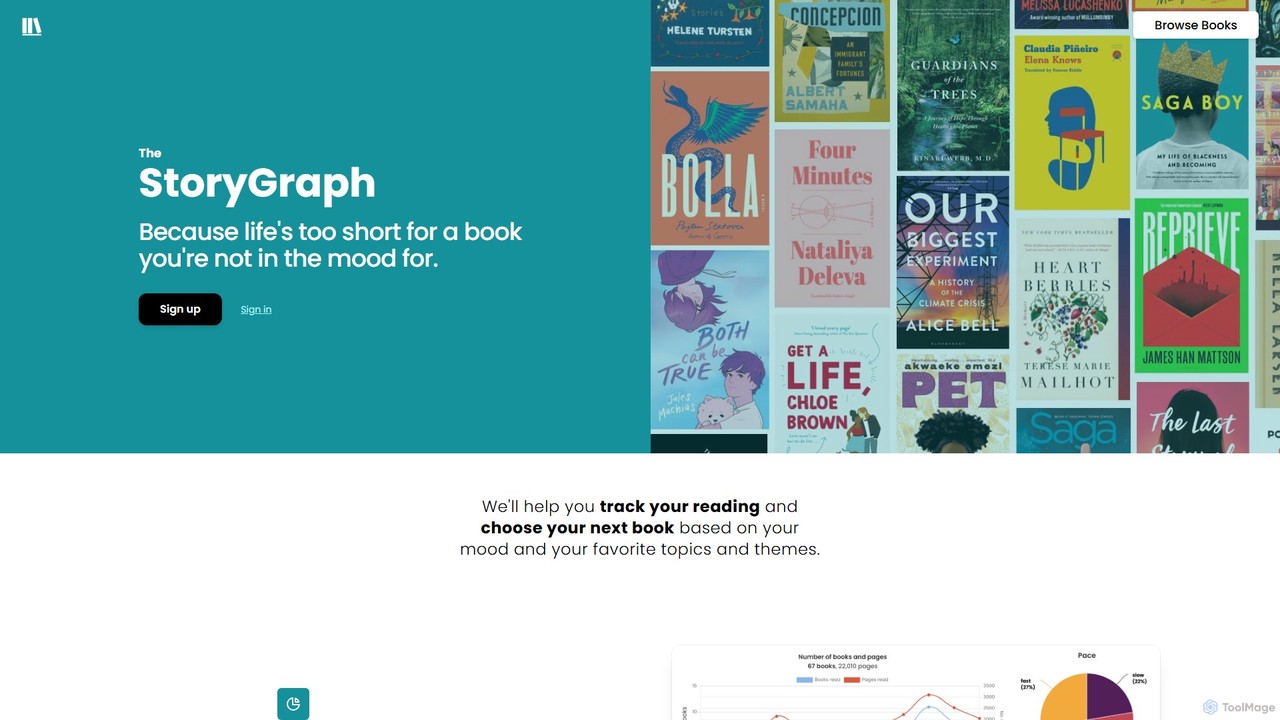
The StoryGraph

The StoryGraph

The StoryGraph is an AI-powered book tracking and recommendation platform. It helps you find your next read based …

5.0M

About Personalization

Personalization tools are AI-powered solutions that dynamically tailor digital experiences, content, and offers to individual users. They analyze real-time user data, such as browsing history, purchase behavior, and demographic information, to predict intent and preferences. This enables businesses to deliver highly relevant interactions that significantly boost engagement, conversion rates, and customer loyalty. Unlike broader recommendation engines that suggest popular items, personalization focuses on creating a unique and adaptive journey for each user across all touchpoints.

Core Features

  • Dynamic Content Adaptation: Automatically modifies website text, images, and calls-to-action based on user segments or individual behavior.
  • Behavioral Tracking & Analysis: Captures and interprets user interactions across multiple channels to build comprehensive, real-time user profiles.
  • Predictive Targeting: Uses machine learning models to forecast user preferences and proactively deliver relevant content or product suggestions.
  • A/B/n Testing & Optimization: Facilitates controlled experiments to test different personalization strategies and identify the most effective variations.
  • Cross-Channel Consistency: Delivers a seamless and tailored experience across web, mobile apps, email, and other digital platforms.

Use Cases

These tools are widely used in e-commerce, digital marketing, media, and SaaS industries. For example, an online retailer can display a unique homepage to a returning customer based on their past purchases, or a B2B software company can alter website messaging to match a visitor's industry, thereby increasing relevance and lead quality.

How to Choose

When selecting a personalization tool, evaluate its data integration capabilities with your existing systems (CRM, CDP). Assess the scope of its AI, from simple rule-based segmentation to advanced predictive modeling. Consider the ease of use for your team—whether it requires developers or has a user-friendly interface for marketers. Finally, ensure the platform can scale with your traffic and data volume.

PersonalizationUse Cases

1

Personalized E-commerce Product Recommendations

An e-commerce manager for an online fashion store uses a personalization tool to enhance the shopping experience. As a customer browses the site, the tool analyzes their clickstream data, past purchases, and cart additions in real-time. It then dynamically populates the homepage and product pages with carousels like 'Recommended for You' and 'Complete the Look,' featuring items that match the user's specific style profile. This tailored approach moves beyond generic 'bestsellers,' resulting in a 15% increase in average order value and a significant lift in conversion rates by showing customers exactly what they are likely to buy.

2

Dynamic Website Content for B2B Lead Generation

A B2B marketing specialist for a SaaS company aims to increase lead quality. They use a personalization tool to identify a visitor's industry based on their IP address or firmographic data. The tool then dynamically alters the website's content. For instance, a visitor from the healthcare industry sees a homepage headline about 'HIPAA-Compliant Solutions' and case studies from hospitals. A visitor from finance sees content about 'Secure Financial Data Processing.' This immediate relevance builds trust and demonstrates a deep understanding of the prospect's needs, leading to a 30% increase in qualified demo requests from target industries.

3

Tailored Email Marketing Campaigns

An email marketing manager wants to move beyond generic newsletters. By integrating a personalization tool with their email service provider, they can create highly targeted campaigns. The tool analyzes each subscriber's past engagement, purchase history, and browsing behavior. It then dynamically populates email content blocks at the moment of open. One user might see recommendations for women's shoes based on a recent search, while another sees an article about hiking gear. This one-to-one communication results in a 50% higher click-through rate and a significant reduction in unsubscribe rates compared to static, one-size-fits-all email blasts.

4

Personalized User Onboarding for SaaS Applications

A product manager at a SaaS company uses a personalization tool to improve user activation. When a new user signs up, the tool tracks their initial actions within the application. Based on the features they explore first, it triggers a personalized onboarding flow with in-app messages and tooltips. A user who immediately navigates to reporting features receives a guided tour on creating custom dashboards. Another who focuses on team collaboration tools gets an automated email inviting them to a relevant webinar. This tailored guidance helps users find value faster, improving 30-day retention rates and reducing support ticket volume.

5

Adaptive Content for Media & Publishing Sites

A digital editor at a news organization wants to increase reader engagement. They implement a personalization engine that tracks the topics each reader engages with, such as technology, politics, or sports. On subsequent visits, the tool reorders the homepage layout to prioritize stories from the reader's preferred categories. The 'Related Articles' section is also dynamically populated with content that aligns with their specific reading patterns, not just generic popularity. This creates a 'personal newspaper' for each visitor, leading to a 40% increase in time on site and a higher likelihood of converting casual readers into paid subscribers.

6

Personalized Pricing and Promotions in Travel

A marketing analyst in the travel industry uses a personalization tool to convert hesitant shoppers on a booking website. The tool analyzes a user's search history, loyalty status, and real-time behavior (like hovering over a 'book now' button). For a new visitor showing high purchase intent, it can trigger a time-sensitive offer like 'Book within 1 hour for a free upgrade.' For a returning loyalty member, it might display a '10% member discount' banner. This strategy of showing the right offer to the right user at the right time increases booking conversions without offering blanket discounts that erode profit margins.

PersonalizationFrequently Asked Questions