
Recommendation Engine Best in category 1 results Product Discovery AI Tool

Popular AI tools in the Product Discovery field of Recommendation Engine include Indigo Tribe, etc., helping you quickly improve efficiency.

Free
Indigo Tribe

Indigo Tribe

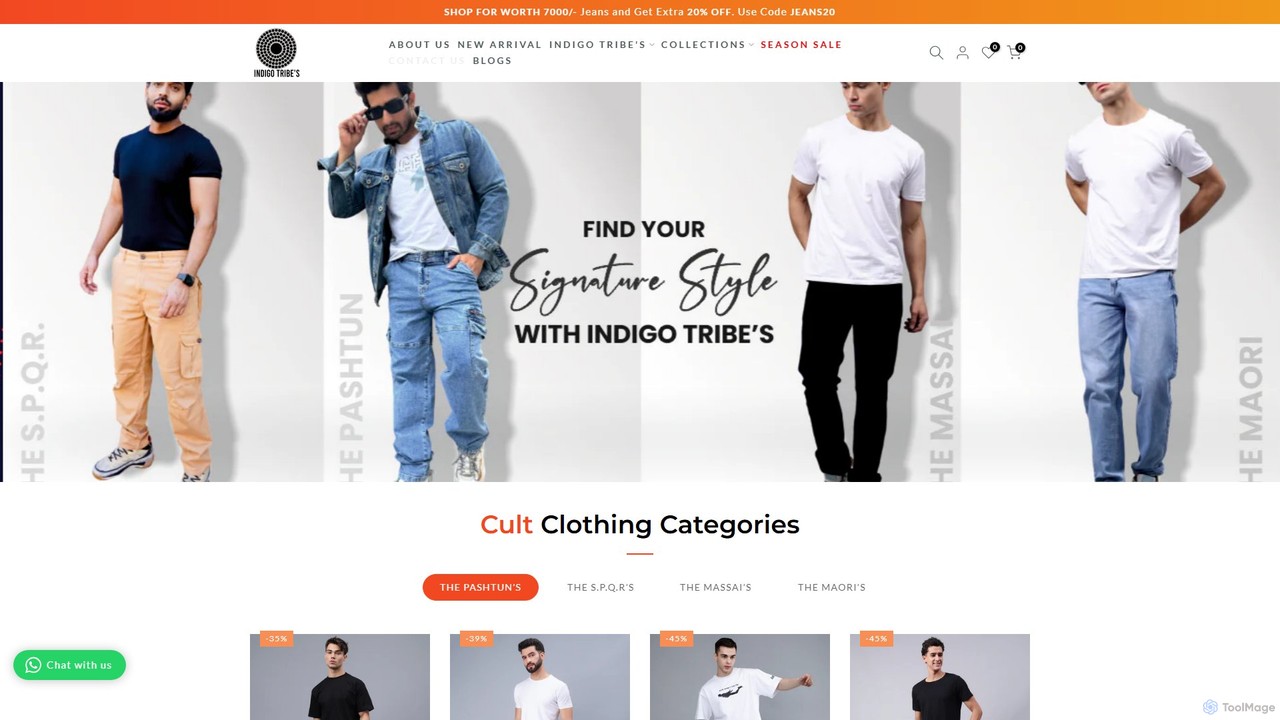
Indigo Tribe is an AI-driven fashion discovery platform specializing in men's denim. It leverages AI to provide personalized …

4.7K

About Product Discovery

Product Discovery tools are AI-powered solutions designed to help users efficiently find and explore products that match their specific needs and preferences. These tools leverage advanced machine learning, natural language processing, and personalization algorithms to go beyond traditional search, uncovering relevant items from vast catalogs. They enhance the user experience by making product exploration intuitive and highly targeted, often identifying products users might not have known to look for.

Core Features

  • Intelligent Search & Filtering: Utilizes AI to understand complex queries and context, providing more accurate and relevant search results than keyword-based systems.
  • Personalized Recommendations: Learns from user behavior, preferences, and historical data to suggest products tailored to individual tastes, often anticipating needs.
  • Trend Analysis & Insights: Identifies emerging product trends and popular items across various markets, helping users stay updated or businesses spot opportunities.
  • Semantic Product Matching: Matches products based on their attributes, descriptions, and user reviews, even if exact keywords aren't used, facilitating broader exploration.
  • Visual Product Search: Allows users to find similar products by uploading images, enhancing discovery for visually driven purchases.

Applicable Scenarios

Product Discovery tools are invaluable for various users. E-commerce shoppers use them to navigate extensive online stores, quickly finding desired items or discovering new favorites. Market researchers leverage these tools to identify product gaps, analyze competitor offerings, and understand consumer demand for new product development. Content creators and influencers also utilize them to find trending products for reviews or promotional content, ensuring their recommendations are timely and relevant to their audience.

How to Choose

When selecting a Product Discovery tool, consider its core AI capabilities, such as the sophistication of its personalization and search algorithms. Evaluate its integration potential with existing platforms like e-commerce sites or CRM systems. User experience and interface design are crucial for intuitive navigation and effective product exploration. Finally, assess the depth and breadth of its data sources and real-time update capabilities to ensure access to the most current product information and trends.

Product DiscoveryUse Cases

1

Enhancing E-commerce Product Search

An online shopper uses an AI-powered product discovery tool on an e-commerce site. Instead of just typing keywords, they describe their ideal product (e.g., 'comfortable, eco-friendly running shoes for trail running'). The tool, leveraging natural language processing and semantic search, understands the nuanced intent and filters through thousands of products to present highly relevant options, including brands they hadn't considered, significantly reducing search time and improving satisfaction.

2

Identifying Market Gaps for New Product Development

A product manager in a consumer electronics company employs a product discovery platform to analyze market trends and consumer sentiment. The AI processes vast amounts of social media data, review sites, and search queries to identify unmet needs or emerging demands (e.g., 'compact, long-lasting portable projector'). This insight helps the company prioritize new product features or even conceptualize entirely new products that address specific market gaps.

3

Personalized Fashion Recommendations for Stylists

A personal stylist uses a product discovery AI to curate outfits for clients. By inputting a client's style preferences, body type, and occasion, the tool suggests clothing items, accessories, and complete looks from various retailers. The AI learns from the stylist's choices and client feedback, refining its recommendations over time, enabling the stylist to efficiently discover unique pieces and create highly personalized wardrobes.

4

Discovering Niche Ingredients for Food Bloggers

A food blogger specializing in international cuisine utilizes a product discovery tool to find unique and hard-to-source ingredients. By specifying dietary requirements (e.g., 'gluten-free, vegan Asian spices') or flavor profiles, the AI scans specialty food suppliers and international markets. This helps the blogger discover novel ingredients for their recipes, expanding their culinary repertoire and offering fresh content to their audience.

5

Optimizing Retail Inventory with Trend Insights

A retail buyer uses a product discovery system to anticipate future demand and optimize inventory. The AI analyzes sales data, social media buzz, and competitor offerings to predict which product categories or specific items will become popular (e.g., 'sustainable home decor'). This allows the buyer to make informed purchasing decisions, stock trending products proactively, and minimize overstocking of less popular items, leading to increased sales and reduced waste.

6

Curating Gift Ideas for Special Occasions

An individual looking for a unique gift uses a product discovery tool. They input details about the recipient's hobbies, interests, and past purchases (e.g., 'gift for a tech-savvy friend who loves hiking'). The AI processes this information to suggest personalized gift options, ranging from innovative gadgets to specialized outdoor gear, helping the user discover thoughtful presents they might not have found through conventional browsing, making the gift-giving process easier and more successful.

Product DiscoveryFrequently Asked Questions