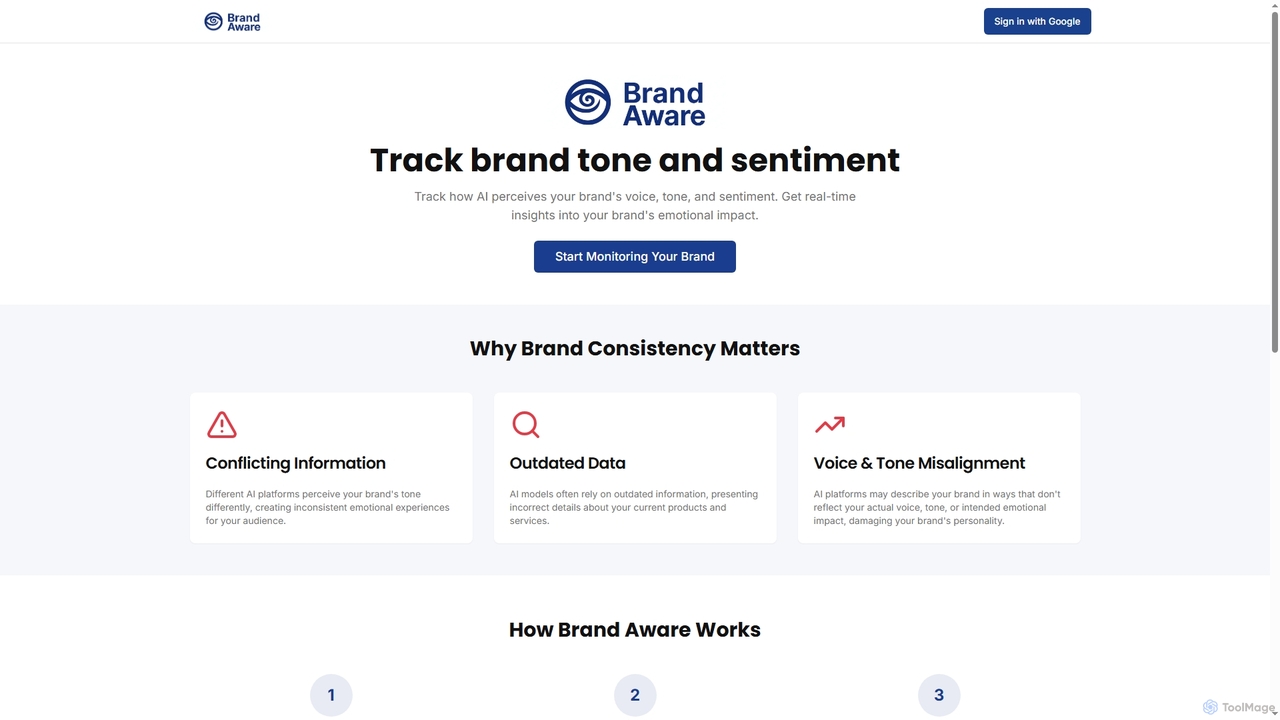
Digital Reputation tools are AI-powered platforms that automate the monitoring, analysis, and management of an individual's or brand's online presence. These tools utilize Natural Language Processing (NLP) to analyze vast amounts of data from social media, news sites, forums, and review platforms in real time. Their primary value lies in providing actionable insights into public perception, identifying potential crises early, and protecting brand equity in the digital space. By aggregating mentions and assessing sentiment, they enable organizations to respond proactively to feedback and maintain a positive online image.
Core Features
- Sentiment Analysis: Automatically categorizes online mentions as positive, negative, or neutral to gauge public opinion.
- Real-time Mention Tracking: Monitors keywords, brand names, and hashtags across the web and social media, providing instant alerts.
- Review Aggregation: Collects and centralizes customer reviews from various platforms like Google, Yelp, and Trustpilot for unified analysis.
- Crisis Detection: Identifies unusual spikes in negative mentions or specific keywords to warn of potential PR crises.
- Competitive Benchmarking: Tracks the online reputation and sentiment of competitors to provide a comparative market view.
Use Cases
These tools are essential for marketing, public relations, and customer service teams across various sectors. In e-commerce, they help track product feedback and brand perception. In the hospitality industry, they are used to manage online reviews and improve guest experiences. Financial services and healthcare also use them to maintain trust and manage sensitive public commentary.
How to Choose
When selecting a Digital Reputation tool, consider the breadth of data sources it covers (social media, news, blogs, reviews). Evaluate the accuracy of its sentiment analysis, especially for nuanced language. Key factors also include the customizability of alerts and reports, integration capabilities with other systems like CRM or helpdesks, and a pricing model that aligns with your monitoring volume.