ToolMage
Sign in

Best 12 Sentiment Analysis AI tools for Analytics

Popular Sentiment Analysis AI tools in Analytics include VOC AI, BrandBastion, ForumScout, Listener, Brand Aware, Radical Customer Experience, Nostal, Surveysides, Sentavis, and peer_vibe, helping you work more efficiently.

Nostal
Freemium

Nostal

Nostal is an AI-powered WhatsApp automation platform designed to transform customer service and sales. It enables businesses to deploy custom AI chatbots, analyze customer sentiment in real-time, and manage conversations efficiently without losing the human touch.

Sentiment Analysis
Visits 3.5KFavorites 67Likes 72
Surveysides
Freemium

Surveysides

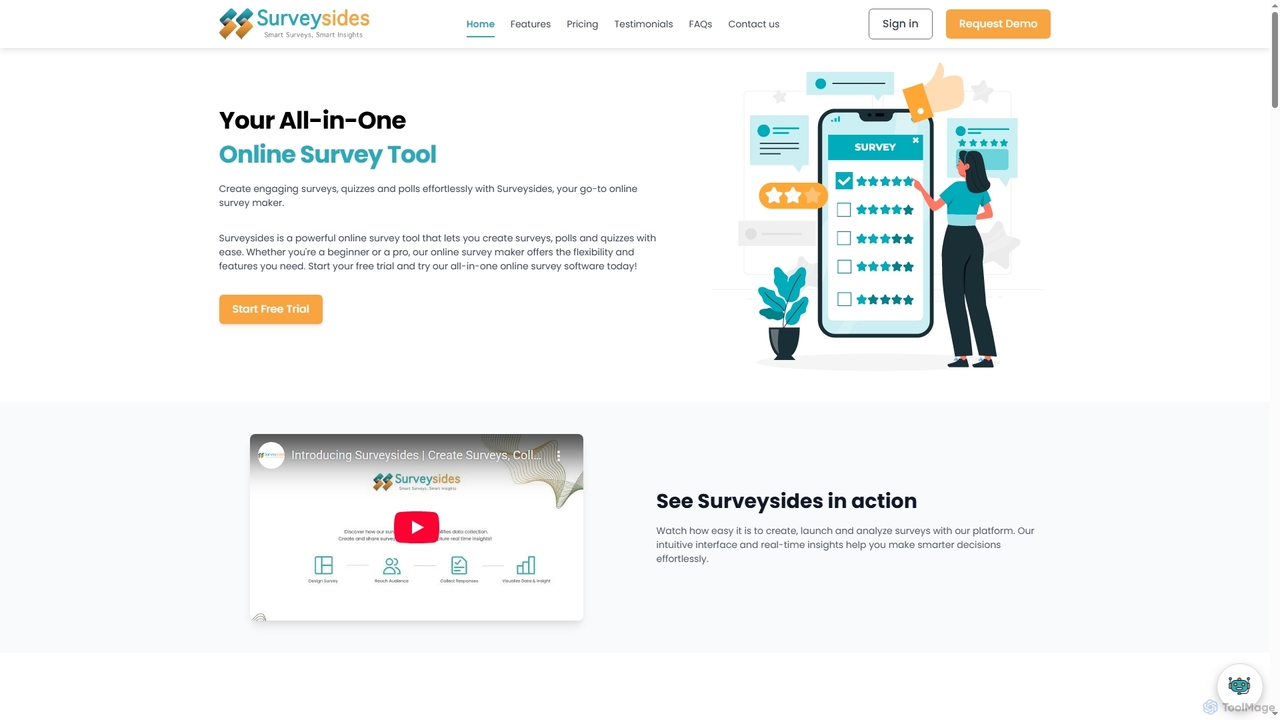
Surveysides is an all-in-one online survey tool designed to help users effortlessly create engaging surveys, quizzes, and polls. It offers an intuitive interface, advanced question types, and AI-powered analytics to transform raw feedback into actionable insights, enabling smarter decision-making for businesses, educators, and researchers.

Sentiment Analysis
Visits 3.5KFavorites 92Likes 104
ForumScout
Freemium

ForumScout

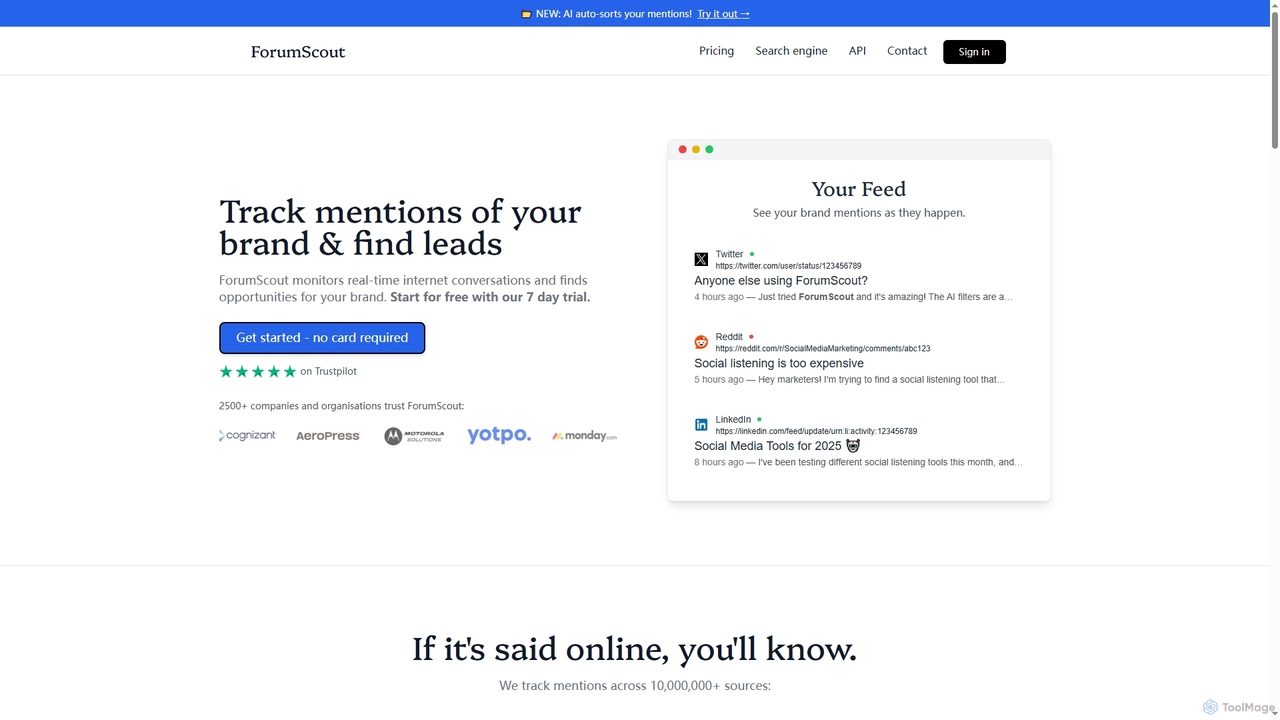
ForumScout is an AI-powered social listening tool designed to monitor online forums and communities for mentions of your brand, products, or competitors. It offers real-time insights, AI-driven filtering, sentiment analysis, and competitive intelligence to help businesses identify opportunities, manage reputation, and understand audience engagement.

Sentiment Analysis
Visits 10.1KFavorites 74Likes 65
ProductLoop
Paid

ProductLoop

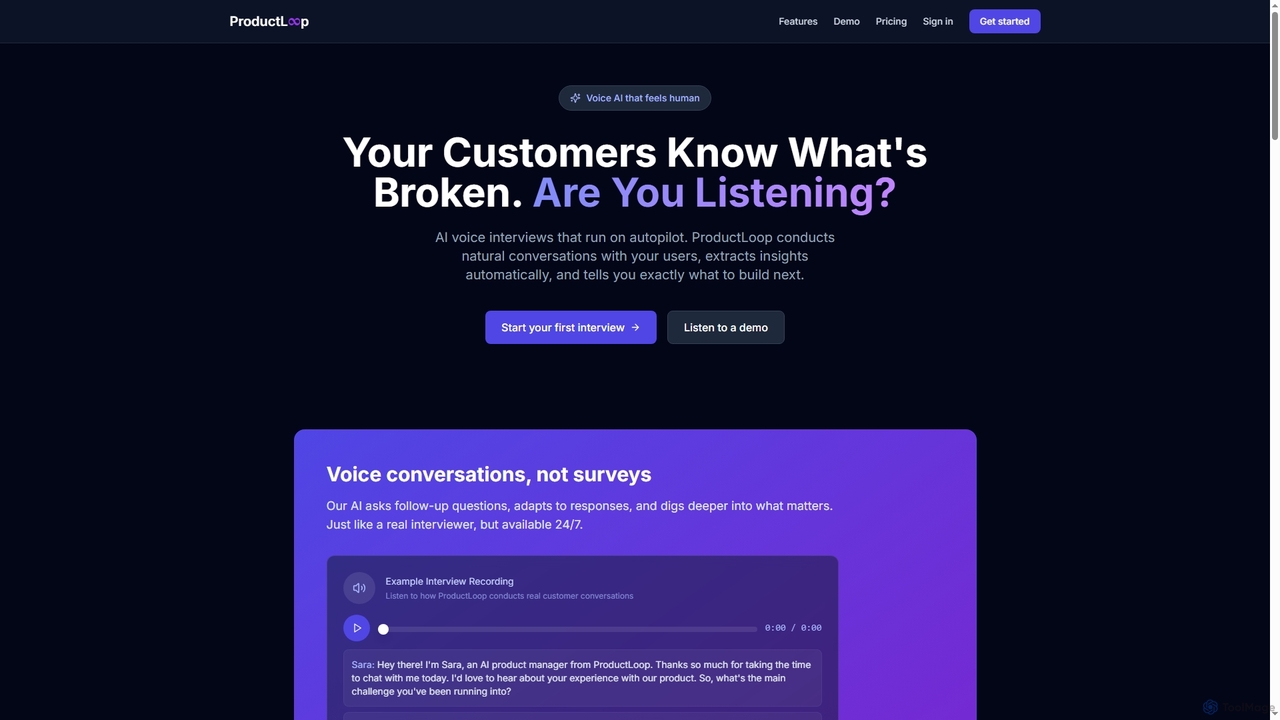
ProductLoop is an AI-powered platform that automates customer voice interviews to gather deep, actionable insights for product teams and service companies. It conducts natural conversations, extracts key data like pain points and feature requests, and provides aggregated feedback to inform product development and service quality improvements.

Sentiment Analysis
Visits 3.4KFavorites 114Likes 115
Faindly
Paid

Faindly

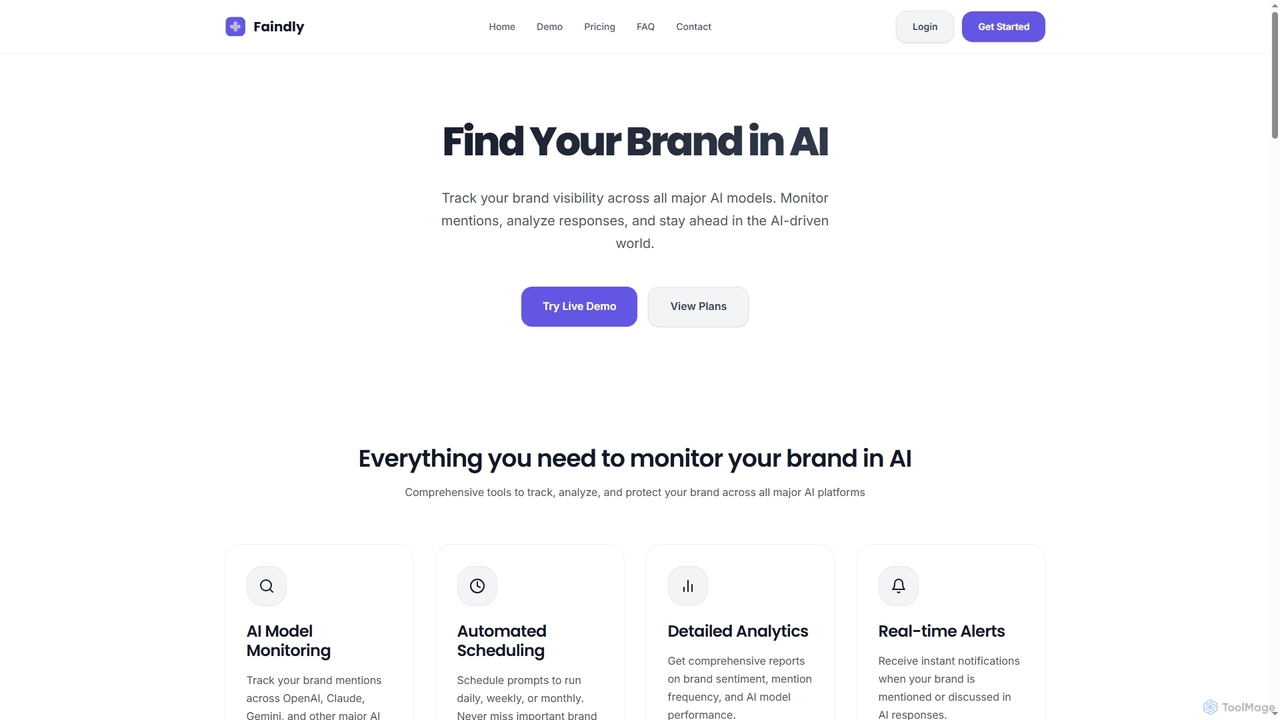
Faindly is an AI visibility tracker that monitors your brand's presence across major AI models like ChatGPT, Claude, and Gemini. It provides real-time alerts, detailed analytics on sentiment and mention frequency, and automated scheduling for prompts, helping businesses protect their reputation and identify growth opportunities in the AI-driven landscape.

Sentiment Analysis
Visits 3.4KFavorites 107Likes 111
Brand Aware

Brand Aware

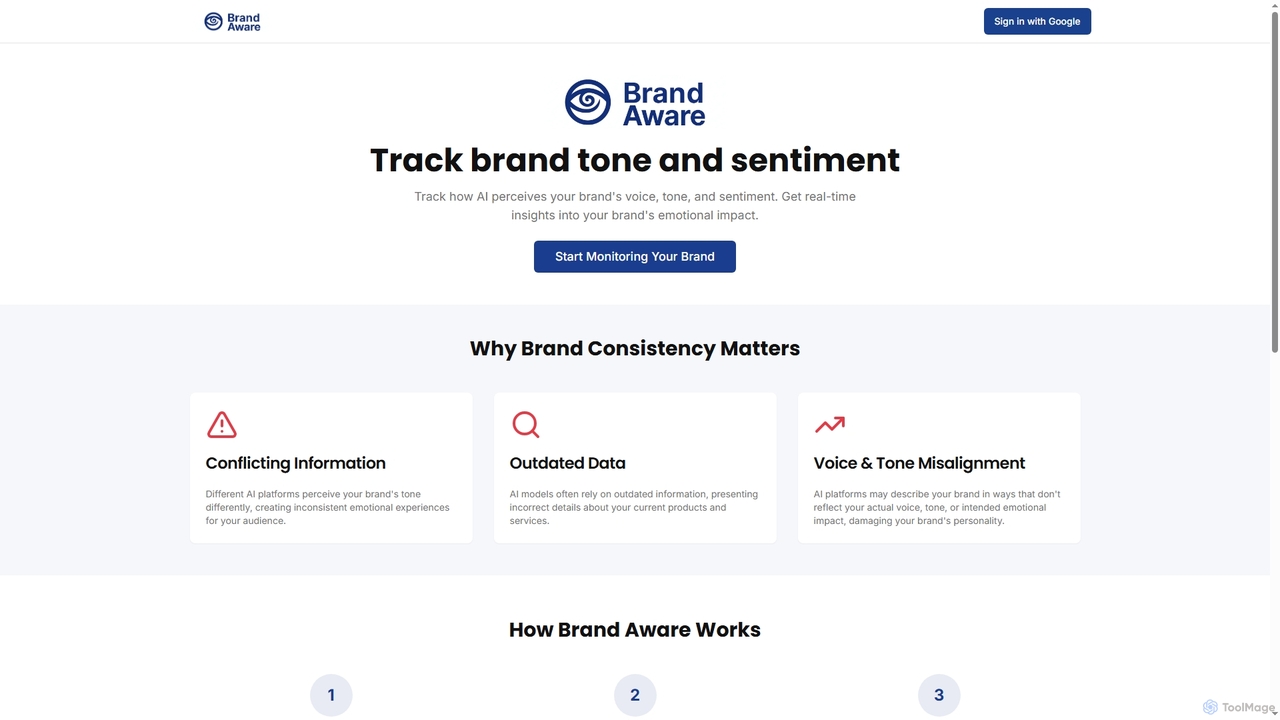
Brand Aware is an AI-powered tracker that monitors how leading AI platforms perceive your brand's tone, sentiment, and factual accuracy. It provides real-time insights to identify inconsistencies, correct misinformation, and ensure your brand's digital identity remains consistent and on-message across OpenAI, Gemini, and Claude.

Sentiment Analysis
Visits 4.6KFavorites 112Likes 106
Radical Customer Experience
Paid

Radical Customer Experience

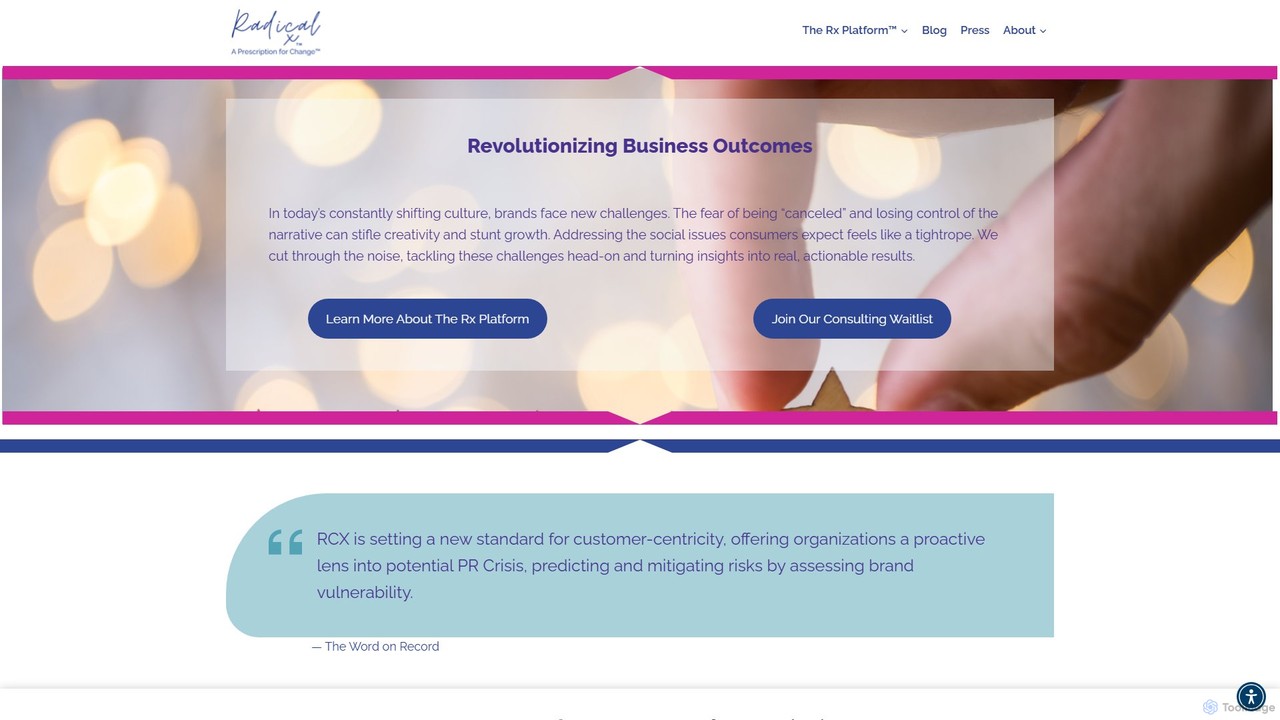
Radical Customer Experience offers The Rx Platform™, an AI-powered suite for modern brand management. It combines AI with psychometrics to proactively monitor brand health, predict PR crises, analyze content sentiment, and manage reputational risks. The platform helps businesses build authentic connections with their audience by embedding empathy, honesty, and cultural relevance into their strategies, moving beyond outdated metrics like NPS.

Sentiment Analysis
Visits 3.9KFavorites 123Likes 115
peer_vibe
Freemium

peer_vibe

peer_vibe is an AI-powered employee engagement and sentiment analysis platform. It helps organizations understand team morale, gather anonymous feedback, and gain actionable insights to foster a positive and productive workplace culture. By analyzing communication patterns and survey responses, it provides real-time data on the emotional well-being of your team.

Sentiment Analysis
Visits 3.4KFavorites 80Likes 82
VOC AI
Freemium

VOC AI

VOC AI is a unified customer experience management platform for e-commerce. It combines Solvea, an AI-powered customer service agent for 24/7 support, with Insight, an advanced Amazon review analysis tool for product research and market intelligence.

Sentiment Analysis
Visits 111.2KFavorites 123Likes 114
Listener
Freemium

Listener

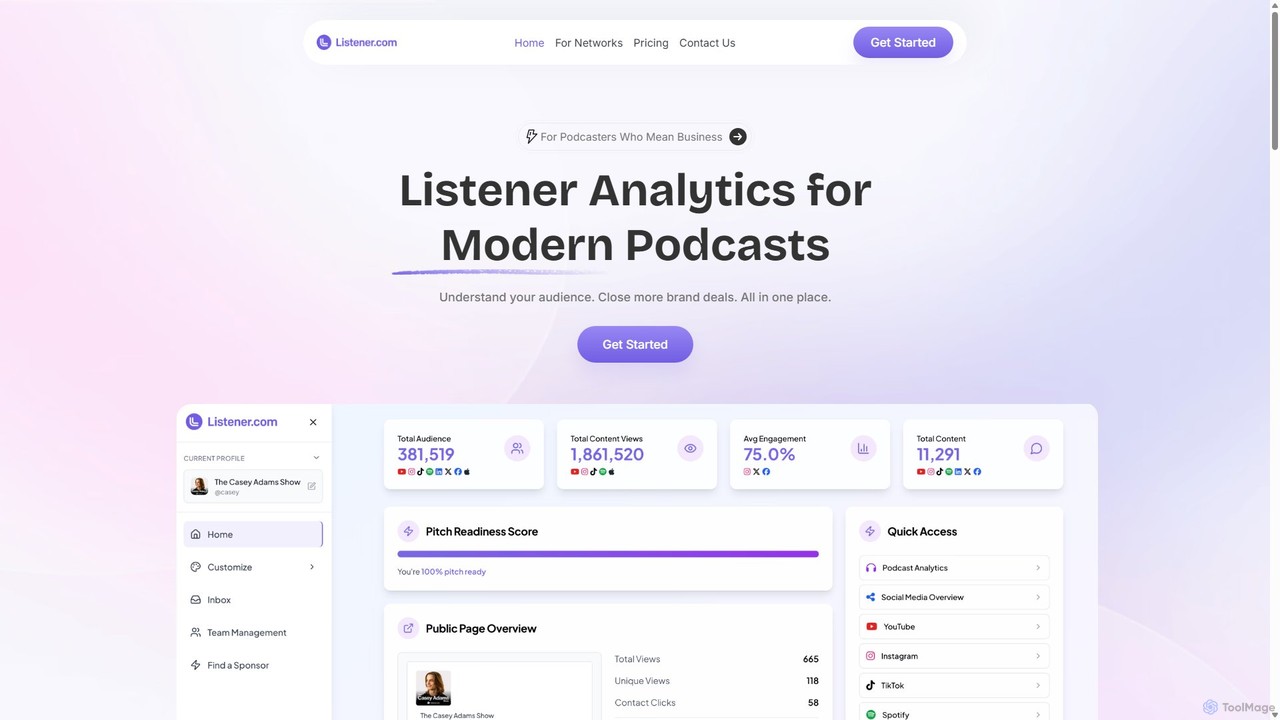
Listener is an AI-powered social listening and media monitoring platform. It helps businesses track brand mentions, analyze customer sentiment, and identify market trends across social media, news, blogs, and forums to gain actionable competitive intelligence.

Sentiment Analysis
Visits 6.3KFavorites 119Likes 130
BrandBastion
Paid

BrandBastion

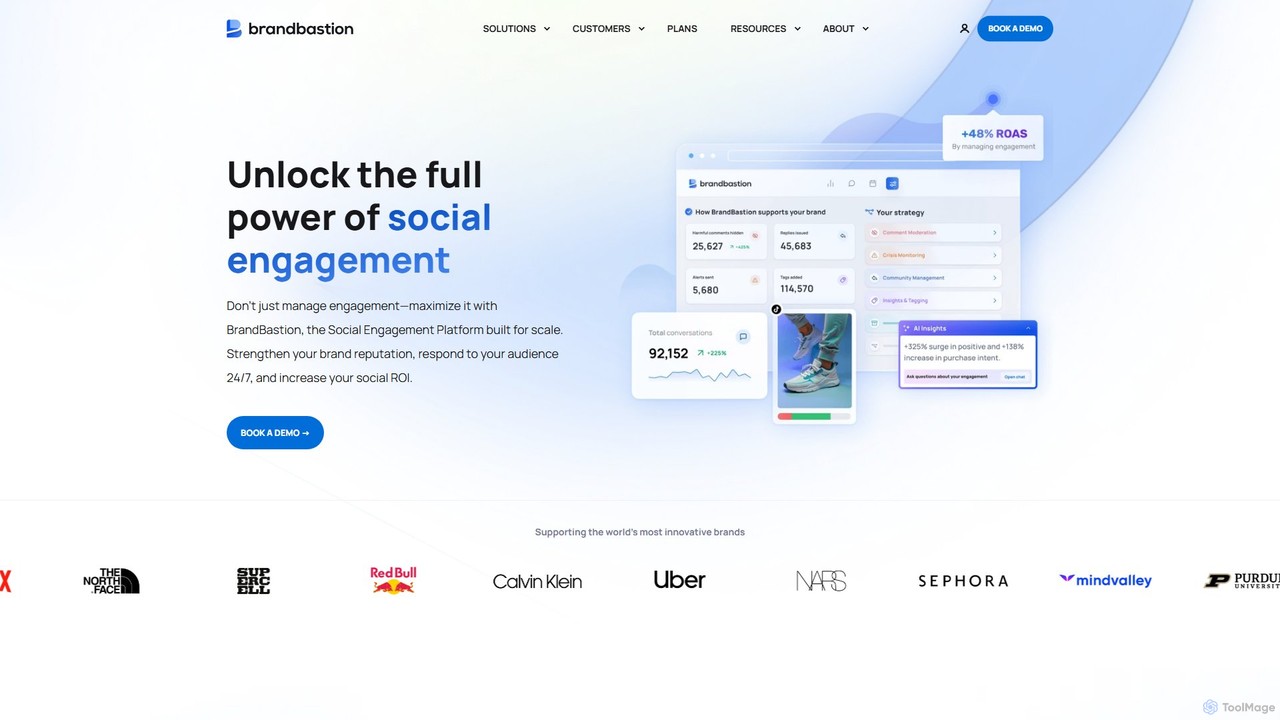
BrandBastion is an AI-powered social engagement platform designed to help brands manage social media at scale. It offers 24/7 comment moderation, community management, advanced sentiment analysis, and crisis monitoring to protect brand reputation, increase engagement, and maximize social ROI.

Sentiment Analysis
Visits 49KFavorites 119Likes 127
Sentavis

Sentavis

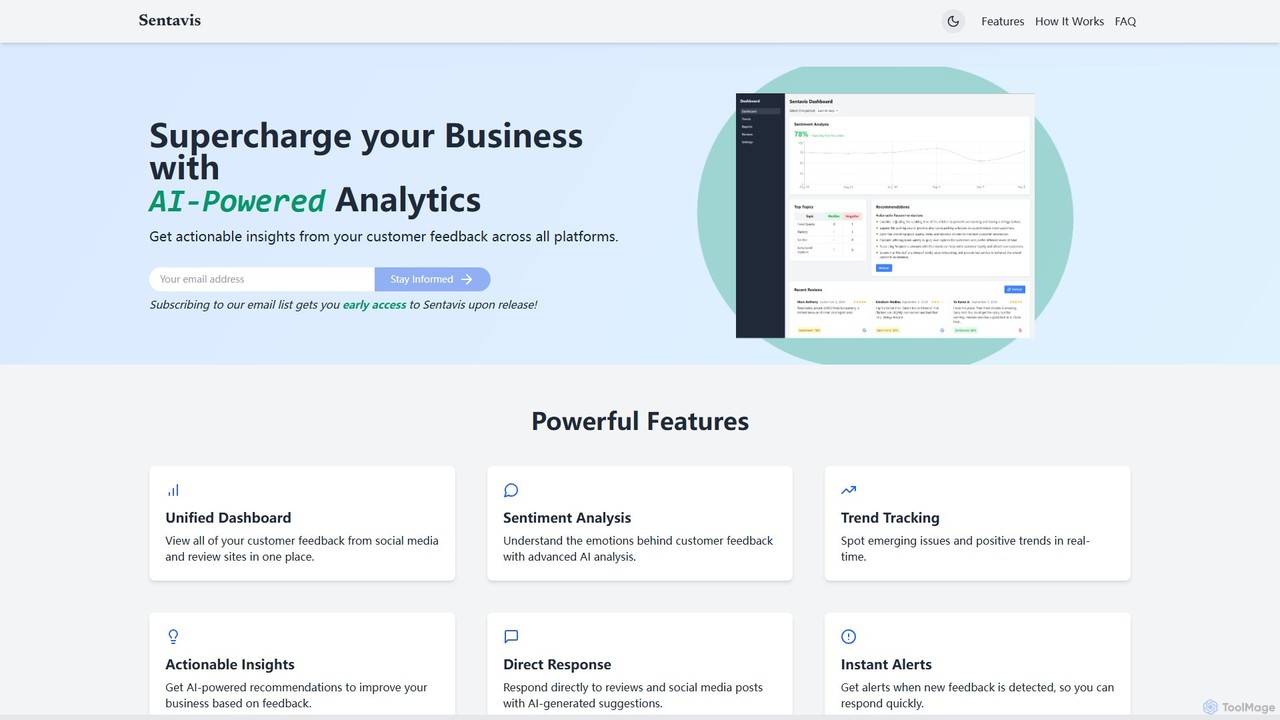
Sentavis is an AI-powered analytics platform that unifies customer feedback from social media and review sites. It provides sentiment analysis, trend tracking, and actionable insights to help businesses improve customer satisfaction and manage their online reputation.

Sentiment Analysis
Visits 3.4KFavorites 122Likes 115

About Sentiment Analysis

Sentiment Analysis tools are a specialized category of analytics AI that automatically identify and extract subjective information from text data. Leveraging Natural Language Processing (NLP), they classify opinions as positive, negative, or neutral, and can even detect specific emotions like joy or anger. This enables organizations to quantify public opinion, monitor brand reputation, and understand customer feedback at scale. Unlike general text analytics, these tools focus specifically on the emotional tone and polarity of language, providing a nuanced view of audience perception.

Core Features

  • Polarity Classification: Automatically categorizes text into positive, negative, or neutral sentiment.
  • Emotion Detection: Identifies specific emotions such as joy, anger, sadness, and fear within the text.
  • Aspect-Based Analysis: Links sentiment to specific features or topics, like 'battery life' or 'customer service'.
  • Sentiment Scoring: Assigns a numerical score to text to quantify the intensity of the expressed emotion.
  • Trend Monitoring: Tracks and visualizes changes in sentiment over time for a brand, product, or topic.

Use Cases

Sentiment Analysis tools are widely used in marketing, customer service, product development, and market research. They are essential for analyzing social media comments, customer reviews from e-commerce sites, survey responses, and support tickets to gain actionable insights from unstructured text data.

How to Choose

When selecting a Sentiment Analysis tool, consider its accuracy in understanding context and sarcasm. Evaluate the granularity of its analysis—does it offer emotion detection or aspect-based analysis? Also, verify its language support, integration capabilities with your existing platforms (like CRM or social media tools), and its ability to scale with your data volume.

Featured tool rankings

Sentiment Analysis use cases

1

Monitor Brand Reputation on Social Media

A social media manager needs to track public perception following a new product launch. By connecting a sentiment analysis tool to platforms like Twitter and Facebook, they can automatically scan thousands of public posts and comments in real-time. The tool classifies each mention as positive, negative, or neutral, presenting the data in a live dashboard. This allows the marketing team to quickly identify and address negative feedback before it escalates, while also amplifying positive customer voices, thus actively managing and protecting the brand's online reputation.

2

Analyze Customer Feedback from Product Reviews

A product manager wants to understand what customers like and dislike about their mobile app. They use a sentiment analysis tool to process thousands of reviews from the App Store and Google Play. The tool employs aspect-based analysis to pinpoint sentiment for specific features, such as 'user interface' (negative), 'performance' (positive), and 'new update' (negative). This provides a clear, data-driven report that highlights the app's strengths and weaknesses, enabling the development team to prioritize bug fixes and feature enhancements for the next release based on direct user feedback.

3

Prioritize Urgent Customer Support Tickets

A customer support manager for a SaaS company faces a high volume of incoming tickets daily. To improve response times for critical issues, they integrate a sentiment analysis tool with their helpdesk software. The AI automatically analyzes the text of each new ticket, detecting emotions like anger and frustration. Tickets with highly negative sentiment are automatically flagged as high-priority and routed to senior support agents. This system ensures that the most dissatisfied customers receive attention first, helping to reduce churn and improve overall customer satisfaction.

4

Gauge Public Reaction to Political Campaigns

A political campaign strategist needs to understand voter sentiment towards a new policy announcement. They use a sentiment analysis tool to monitor conversations on social media and news article comments related to the policy. The tool tracks sentiment trends in real-time, breaking down data by different regions or demographics. This provides immediate insights into which parts of the announcement are resonating positively or negatively with the public. The campaign team can then use this data to quickly refine their messaging, address public concerns, and tailor their communication strategy effectively.

5

Evaluate Employee Satisfaction from Surveys

An HR manager needs to extract meaningful insights from the open-ended questions in an annual employee engagement survey. Manually reading thousands of text responses is impractical. By using a sentiment analysis tool, they can automatically process all responses, identifying key themes like 'work-life balance', 'management', and 'compensation'. The tool then assigns a sentiment score to each theme, revealing that while employees are positive about work-life balance, they express negative sentiment towards management communication. This allows HR to develop targeted, data-backed initiatives to improve specific areas of the workplace culture.

6

Conduct Market Research on Competitors

A market research analyst is tasked with understanding the strengths and weaknesses of competing products. They configure a sentiment analysis tool to monitor online mentions of their key competitors, collecting data from reviews, forums, and social media. The tool's aspect-based analysis identifies what specific features customers praise (e.g., 'competitor A's design') versus what they complain about (e.g., 'competitor B's price'). This generates a competitive intelligence report that highlights market gaps and opportunities, enabling the company to strategically position its own product and refine its marketing messages to emphasize its unique advantages.

Sentiment Analysis FAQ

What is Sentiment Analysis?

Sentiment Analysis is an AI technique that uses Natural Language Processing (NLP) to determine the emotional tone behind a body of text. It automatically classifies written content as positive, negative, or neutral. More advanced tools can go further by identifying specific emotions like joy, anger, or sadness, and can even perform aspect-based analysis, which links sentiment to particular topics within the text (e.g., identifying negative sentiment specifically about 'customer service'). It is primarily used to understand customer feedback and public opinion at scale.

How to choose the right Sentiment Analysis tool?

When selecting a tool, consider these key factors:

  • Accuracy: Evaluate how well the model handles nuances like sarcasm, industry-specific jargon, and context. Look for performance metrics or case studies.
  • Granularity: Determine if you need simple polarity (positive/negative/neutral) or more detailed insights like emotion detection (joy, anger) and aspect-based analysis.
  • Language Support: Ensure the tool effectively supports all the languages of your target audience.
  • Integration: Check for APIs or pre-built connectors to integrate with your data sources, such as social media platforms, CRMs, or survey tools.
  • Scalability: Assess if the tool can handle your data volume, whether you need real-time analysis or batch processing.
What's the difference between Sentiment Analysis and Text Analytics?

Sentiment Analysis is a specific subfield of Text Analytics. Text Analytics is a broad term for deriving high-quality information from text, which includes tasks like topic modeling, keyword extraction, and entity recognition. Sentiment Analysis focuses exclusively on one of these tasks: identifying and quantifying the emotional tone or opinion within the text. For example, a general text analytics tool might identify 'battery life' as a key topic in a review, whereas a sentiment analysis tool will tell you that the customer's sentiment *about* the 'battery life' is negative.

What are the main features of Sentiment Analysis tools?

Core features typically include:

  • Polarity Detection: The fundamental ability to classify text as positive, negative, or neutral.
  • Emotion Analysis: Goes beyond polarity to identify specific feelings like happiness, anger, sadness, or surprise.
  • Aspect-Based Sentiment Analysis (ABSA): Assigns sentiment to specific attributes mentioned in the text (e.g., 'The service was great, but the price was too high').
  • Sentiment Scoring: Provides a numerical score (e.g., from -1 to +1) to indicate the intensity of the sentiment, allowing for more nuanced comparisons.
  • Dashboards and Reporting: Visual tools to track sentiment trends over time and generate reports for analysis.
Who should use Sentiment Analysis tools?

Sentiment Analysis tools are valuable for a wide range of professionals. Marketing teams use them to monitor brand health, measure campaign impact, and understand customer voice. Product managers analyze reviews and feedback to guide product development. Customer service departments leverage them to prioritize support tickets and gauge customer satisfaction. Additionally, market researchers use them to track public opinion and competitive landscapes, while HR departments can analyze employee survey feedback to improve workplace culture.