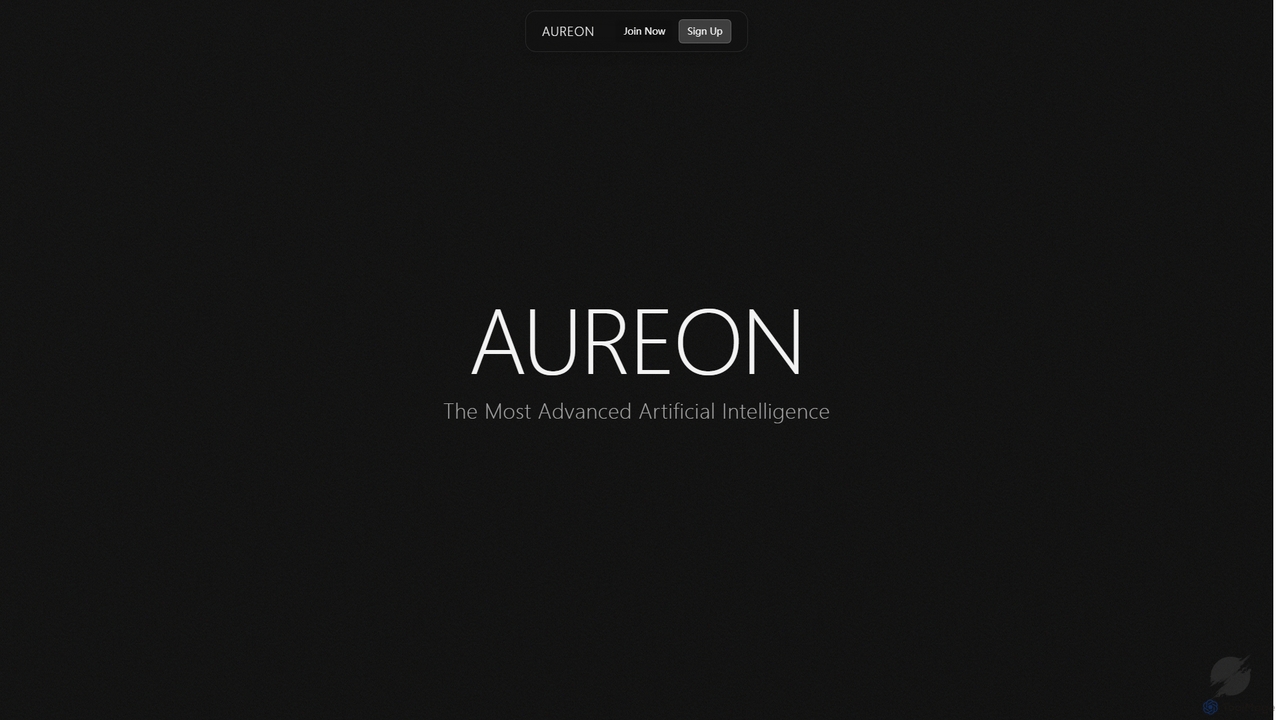
Aureon
Aureon is an uncensored AI platform that claims advanced capabilities in pattern recognition and strategy. It allows users …
Aureon is an uncensored AI platform that claims advanced capabilities in pattern recognition and strategy. It allows users to create custom AI agents, known as AURs, for free, which are described as having hive mind capabilities.
About Strategy
AI Strategy tools are a specialized category within AI research tools that leverage advanced analytics and machine learning to inform and optimize strategic decision-making. These platforms analyze vast datasets, identify complex patterns, and predict future outcomes, enabling businesses to formulate robust, data-driven plans. They empower organizations to move beyond reactive responses, fostering proactive planning, competitive advantage, and innovative growth across various domains.
Core Features
- Predictive Modeling: Forecast market trends, customer behavior, and operational performance to guide future actions.
- Scenario Planning: Simulate various future scenarios and their potential impacts, helping assess risks and opportunities.
- Competitive Intelligence: Analyze competitor strategies, market positioning, and emerging threats for informed counter-strategies.
- Resource Optimization: Recommend optimal allocation of budgets, personnel, and assets to achieve strategic goals efficiently.
- Decision Support Systems: Provide data-backed recommendations and insights to aid leadership in critical strategic choices.
Use Cases
These tools are invaluable for business leaders, market analysts, and product managers. They are used to develop market entry strategies, optimize supply chains, and refine product roadmaps based on predictive insights. For instance, a company might use AI strategy tools to identify untapped market segments or forecast the ROI of a new marketing campaign.
How to Choose
When selecting an AI strategy tool, consider its data integration capabilities with your existing systems, the accuracy and explainability of its predictive models, and its ability to simulate complex scenarios. Evaluate the level of customization offered, the user interface's intuitiveness, and the vendor's support for strategic implementation. Scalability and security features are also crucial for long-term strategic planning.
StrategyUse Cases
Develop Data-Driven Market Entry Strategies
For business development managers, AI strategy tools analyze global market data, demographic shifts, and competitive landscapes to identify optimal new market opportunities. By simulating potential market responses and regulatory hurdles, these tools help formulate comprehensive entry strategies, minimizing risks and maximizing success rates for international expansion or new product launches.
Optimize Product Portfolio and Roadmap
Product managers utilize AI strategy tools to evaluate the performance of existing products, predict future demand, and identify gaps in the market. The tools analyze customer feedback, sales data, and competitor offerings to recommend product enhancements, new feature development, or even product discontinuation, ensuring the portfolio aligns with long-term strategic goals.
Enhance Competitive Intelligence and Positioning
Strategic analysts employ AI to continuously monitor competitor activities, pricing strategies, and marketing campaigns across various channels. These tools process vast amounts of unstructured data, such as news articles and social media, to detect emerging threats or opportunities, providing actionable insights to refine a company's competitive positioning and differentiation.
Forecast and Mitigate Business Risks
Risk management teams leverage AI strategy tools to identify potential operational, financial, or market risks before they materialize. By analyzing historical data and external factors, the tools predict the likelihood and impact of various risks, allowing organizations to develop proactive mitigation strategies and contingency plans, safeguarding business continuity and stability.
Optimize Strategic Resource Allocation
C-suite executives and department heads use AI to optimize the allocation of financial, human, and technological resources across projects and initiatives. These tools analyze project ROI, resource availability, and strategic priorities to recommend the most efficient distribution, ensuring resources are deployed where they will generate the highest strategic value and impact.
Plan for Supply Chain Resilience
Supply chain strategists use AI tools to model and simulate disruptions, such as natural disasters or geopolitical events, on their global supply networks. By analyzing supplier data, logistics routes, and inventory levels, these tools help identify vulnerabilities and recommend alternative sourcing, rerouting, or inventory strategies to build a more resilient and adaptable supply chain.