AIGOSEARCH
AIGOSEARCH is a comprehensive online hub providing access to a vast collection of free tools, utilities, and digital …
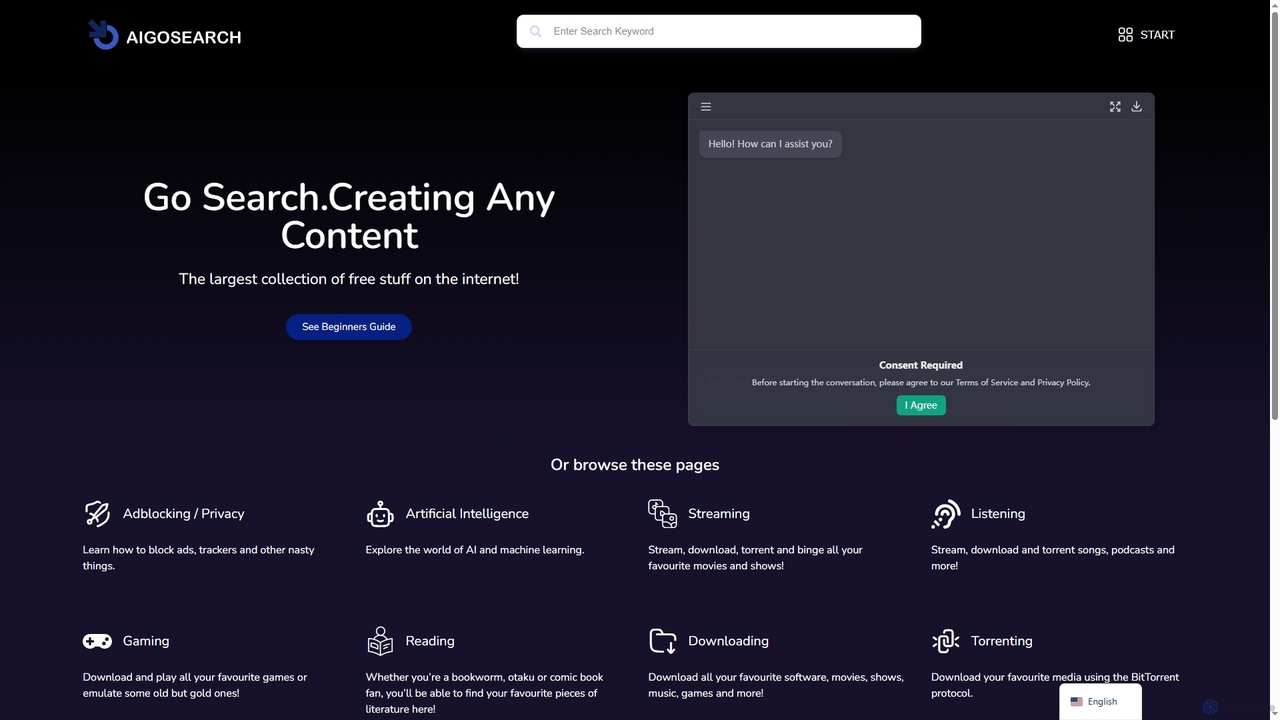
AIGOSEARCH is a comprehensive online hub providing access to a vast collection of free tools, utilities, and digital resources. It serves as an all-in-one platform for discovering guides, software, media, and educational content across various categories, designed for students, developers, designers, and curious internet users alike.
About Digital Content Hub
Digital Content Hub are AI-powered platforms designed to centralize, manage, organize, and distribute various digital assets efficiently. These tools leverage artificial intelligence for intelligent tagging, automated metadata generation, and streamlined content workflows. They enable businesses and creators to enhance content discoverability, optimize distribution across multiple channels, and deliver personalized experiences to their audiences. As a key component of resource discovery, a Digital Content Hub transforms static asset management into a dynamic, intelligent content strategy.
Core Features
- Intelligent Content Organization: AI-driven tagging, categorization, and metadata generation for easy search and retrieval.
- Centralized Asset Management: Secure storage, version control, and access management for diverse content types like images, videos, and documents.
- Automated Content Distribution: Scheduling and publishing content across multiple platforms and channels with audience targeting.
- Content Performance Analytics: Tracking engagement, identifying trends, and providing insights to optimize content strategies.
- Personalized Content Delivery: AI-driven recommendations to deliver tailored content experiences based on user behavior and preferences.
Applicable Scenarios
Digital Content Hubs are invaluable for marketing teams managing complex campaigns, media companies organizing vast archives of multimedia content, and e-commerce businesses streamlining product information across various sales channels. They provide a unified ecosystem for content creation, management, and deployment.
How to Choose
When selecting a Digital Content Hub, consider its integration capabilities with existing tools, scalability to handle growing content volumes, the sophistication of its AI features for automation and insights, and its security protocols. Evaluate the user interface for ease of use and the pricing model to ensure it aligns with your budget and operational needs.
Digital Content HubUse Cases
Automated Content Tagging & Categorization
Marketing teams with vast libraries of digital assets (images, videos, articles) can leverage a Digital Content Hub to automatically tag and categorize content using AI. This significantly reduces manual effort, allowing assets to be quickly found and reused across campaigns, saving up to 70% of the time previously spent on manual organization and improving content discoverability.
Multi-Channel Content Distribution
Social media managers can streamline their publishing process by using a Digital Content Hub to schedule and publish content across various platforms like Facebook, Instagram, LinkedIn, and X from a single interface. This ensures consistent branding and messaging while efficiently reaching target audiences on their preferred channels, reducing the time spent on cross-platform posting by 50%.
Personalized Content Recommendation
E-commerce platforms can leverage a Digital Content Hub to analyze user behavior and recommend relevant product content (blogs, videos, guides) to individual customers. By delivering tailored content experiences, the hub increases customer engagement, drives repeat purchases, and can boost conversion rates by up to 20% by showing users exactly what they are most likely to be interested in.
Centralized Brand Asset Management
Large enterprises and marketing agencies can use a Digital Content Hub to store all brand guidelines, logos, templates, and marketing materials in one secure, accessible location. This ensures brand consistency across all departments and external partners, reducing the risk of using outdated or off-brand assets and streamlining the asset request and approval process by up to 40%.
Content Performance Tracking & Optimization
Content strategists can monitor the performance of published articles, videos, and campaigns across different channels within a Digital Content Hub. By gaining insights into audience engagement, identifying trends, and understanding what resonates best, they can refine future content strategies, leading to a 25% improvement in content effectiveness and ROI.
Streamlined Content Review & Approval Workflows
Publishing houses and content agencies can manage the entire lifecycle of articles, from drafting and editing to legal review and final publication, with automated notifications and version control within a Digital Content Hub. This significantly reduces approval times by up to 50%, minimizes errors, and ensures compliance with editorial and legal standards, accelerating content delivery to market.