Reviews Best in category 1 results Reputation Management AI Tool

Popular AI tools in the Reputation Management field of Reviews include TapGet, etc., helping you quickly improve efficiency.

TapGet

TapGet

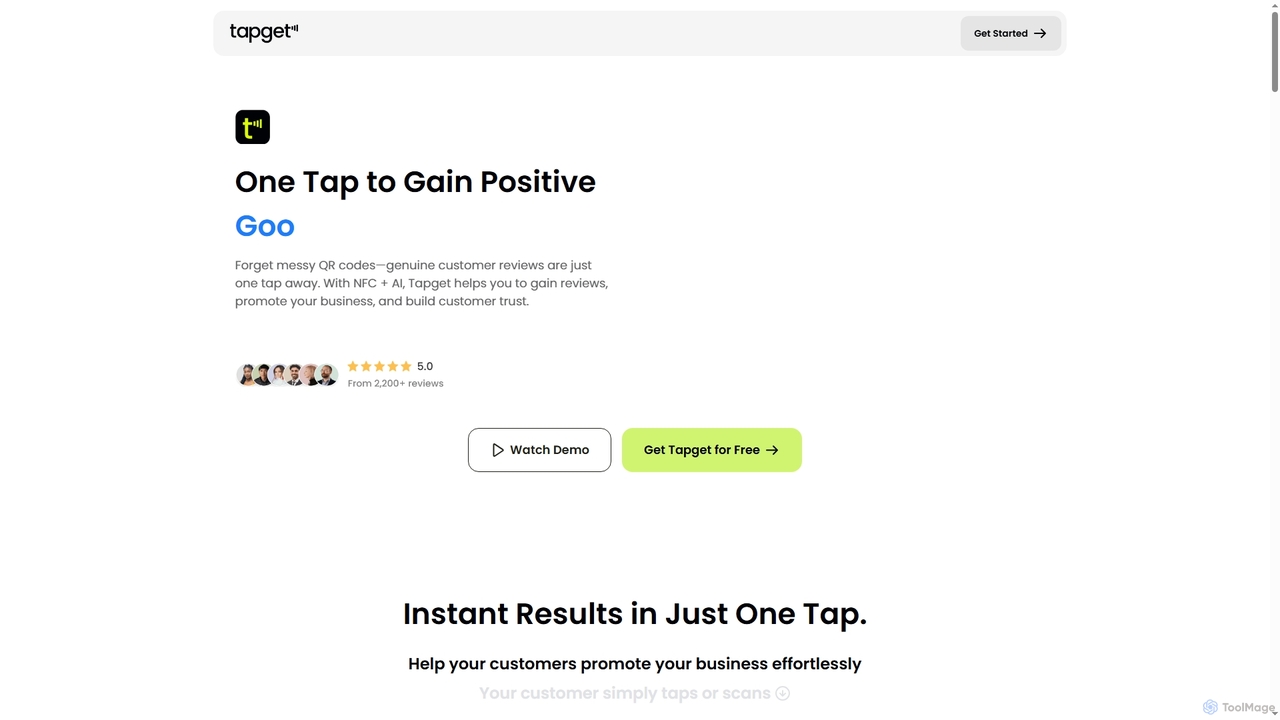
TapGet is an innovative smart marketing tool leveraging NFC and AI to help local businesses effortlessly gather positive …

3.1K

About Reputation Management

AI Reputation Management tools are a specialized category of software designed to monitor, analyze, and influence the public perception of a brand, individual, or product online. These tools utilize natural language processing (NLP) and machine learning to track mentions across social media, news sites, forums, and review platforms. Their primary value lies in providing real-time insights into public sentiment, enabling organizations to proactively manage their image, respond to crises, and leverage positive feedback. They offer a comprehensive view of a brand's digital footprint that goes beyond just customer reviews.

Core Features

  • Omnichannel Mention Tracking: Monitors brand keywords across the web, including social media, news, blogs, and forums.
  • AI-Powered Sentiment Analysis: Automatically categorizes mentions as positive, negative, or neutral to gauge public opinion.
  • Review Management Hub: Aggregates customer reviews from various platforms into a single dashboard for streamlined responses.
  • Crisis Alerting: Provides real-time notifications for spikes in negative mentions or emerging viral issues.
  • Reputation Analytics & Reporting: Generates detailed reports on sentiment trends, share of voice, and key conversation topics.

Use Cases

These tools are crucial for public relations agencies, corporate communications departments, marketing teams, and executives. They are used for brand health monitoring, competitive analysis, crisis management, and protecting the digital reputation of key individuals across various industries.

How to Choose

When selecting a tool, consider the scope of sources monitored (are niche forums included?), the accuracy of its sentiment analysis, its integration capabilities with CRM or social media tools, and the sophistication of its alerting and reporting features. Assess whether the platform is designed for enterprise-level crisis management or for small business review management.

Reputation ManagementUse Cases

1

Proactive Crisis Management for a Global Brand

A public relations manager for a multinational consumer goods company uses an AI reputation management tool to monitor brand mentions 24/7. The system detects a sudden surge in negative sentiment on Twitter related to a false rumor about product safety. The tool immediately sends an alert, allowing the PR team to analyze the source and spread of the misinformation. They can then quickly issue a formal statement and deploy a targeted social media campaign to counter the rumor before it escalates into a major crisis, protecting brand trust and stock value.

2

Enhancing Local SEO for a Restaurant Chain

The marketing director for a chain of 50 restaurants uses a reputation management platform to consolidate reviews from Google Maps, Yelp, and TripAdvisor. The dashboard provides a unified view of customer feedback for each location. The director can identify recurring issues, such as slow service at a specific branch, and address them. By responding promptly and professionally to both positive and negative reviews from one place, they improve customer engagement and boost local search rankings, driving more foot traffic to their restaurants.

3

Protecting an Executive's Digital Footprint

An executive protection team for a Fortune 500 CEO employs a reputation management tool to track all public mentions of the executive's name. The tool scans news articles, blog posts, and high-profile social media accounts for potentially damaging content or misinformation. This allows the team to quickly request corrections from news outlets, address false claims, and use SEO techniques to promote positive, authoritative content in search results, ensuring the executive's public image remains professional and accurate.

4

Gauging Product Launch Reception

A product marketing manager for a tech startup launches a new software application. They use a reputation management tool to track conversations about the product on platforms like Reddit, Product Hunt, and tech blogs. The AI's sentiment analysis provides a clear picture of the initial market reception, highlighting praised features and common user complaints. This real-time feedback loop is invaluable for the development team to prioritize bug fixes and for the marketing team to refine their messaging based on what resonates most with early adopters.

5

Competitive Intelligence for a Marketing Agency

A strategist at a digital marketing agency configures a reputation management tool to monitor not only their client's brand but also its top three competitors. The tool analyzes the sentiment and volume of competitor mentions, identifying their marketing campaign successes and public relations failures. By understanding common complaints about competitors' products or customer service, the agency can craft targeted campaigns for their client that highlight its strengths in those specific areas, effectively capturing market share.

6

Improving Customer Experience in Hospitality

A hotel manager uses a reputation management tool to aggregate guest feedback from booking sites and social media. The platform's AI identifies recurring themes in reviews, such as comments about "room cleanliness" or "breakfast quality." This data-driven insight allows the manager to pinpoint operational weaknesses and implement targeted staff training or service improvements. By systematically addressing the root causes of negative feedback, the hotel improves its overall guest satisfaction scores and online ratings.

Reputation ManagementFrequently Asked Questions