Best of the Year 7 results Sales & Marketing AI Tools

Popular AI tools in the Sales & Marketing field include Laburen、BizCard、MaviBot、BrainPredict、Titania、HeyDesk、HirePlz, etc., helping you quickly improve efficiency.

HeyDesk

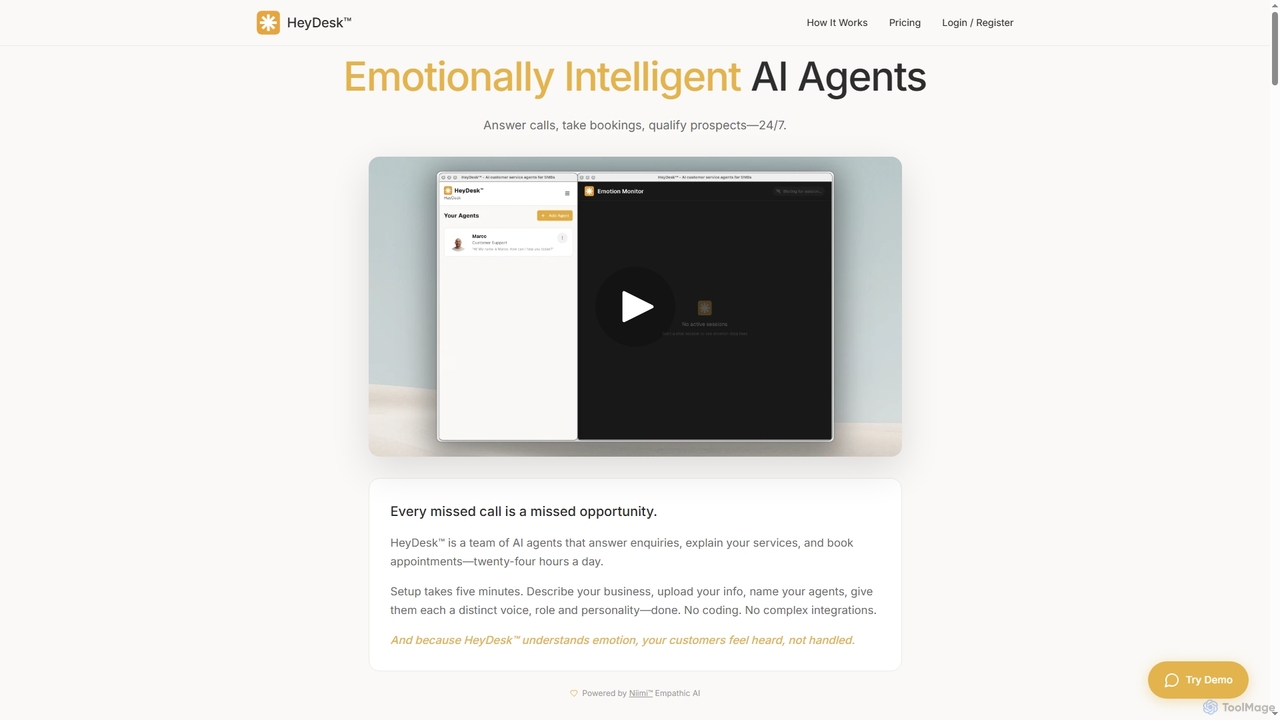
HeyDesk

HeyDesk offers emotionally intelligent AI agents designed for small and medium-sized businesses (SMBs). These agents operate 24/7, handling …

2.9K
BizCard

BizCard

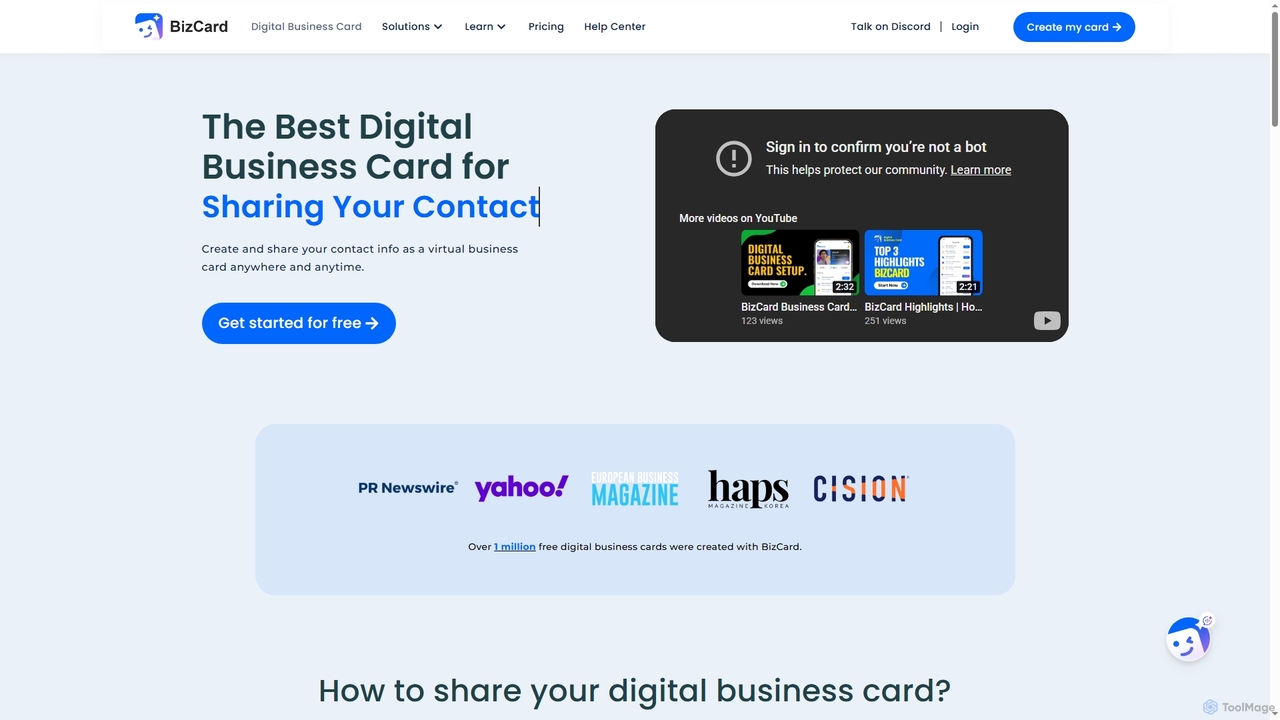
BizCard is an AI-powered digital business card platform designed for seamless lead generation and professional networking. It allows …

9.2K
HirePlz

HirePlz

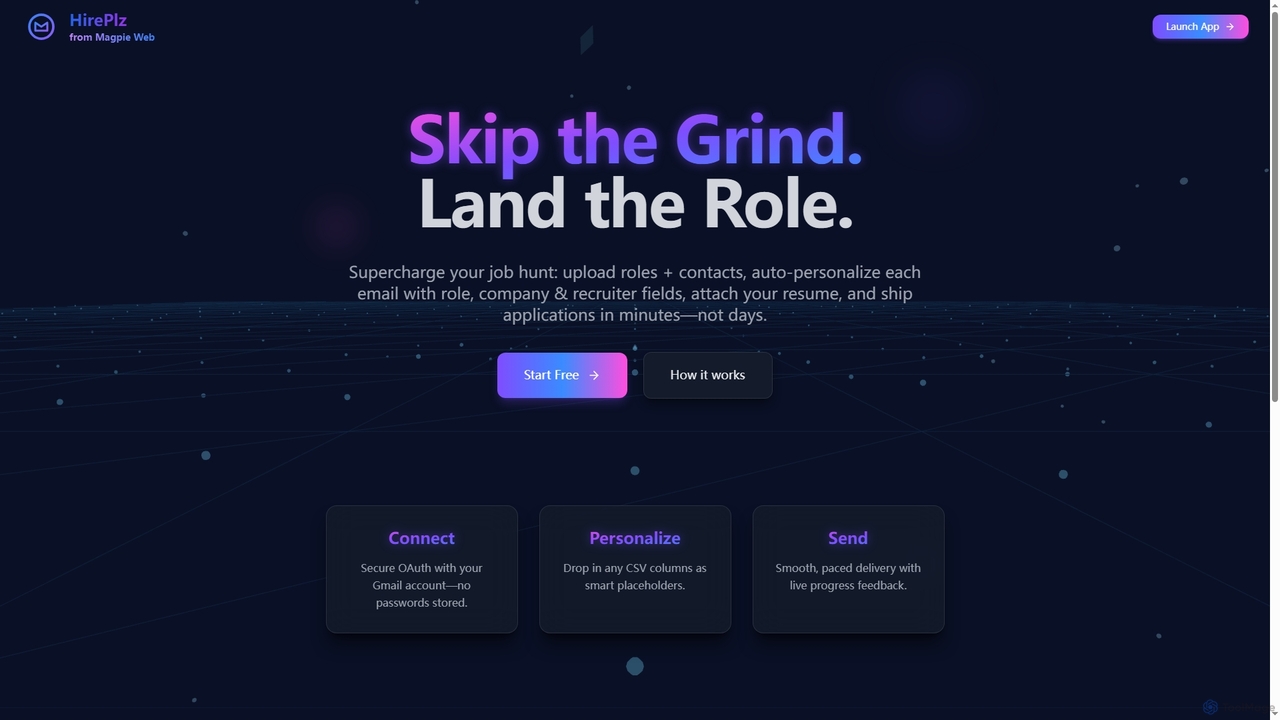
HirePlz is an AI-powered tool designed to automate and personalize your job application process. It allows users to …

2.8K
BrainPredict

BrainPredict

BrainPredict is an enterprise AI platform offering 445 specialized AI models that run 100% on-premises. It ensures zero …

3.5K
MaviBot

MaviBot

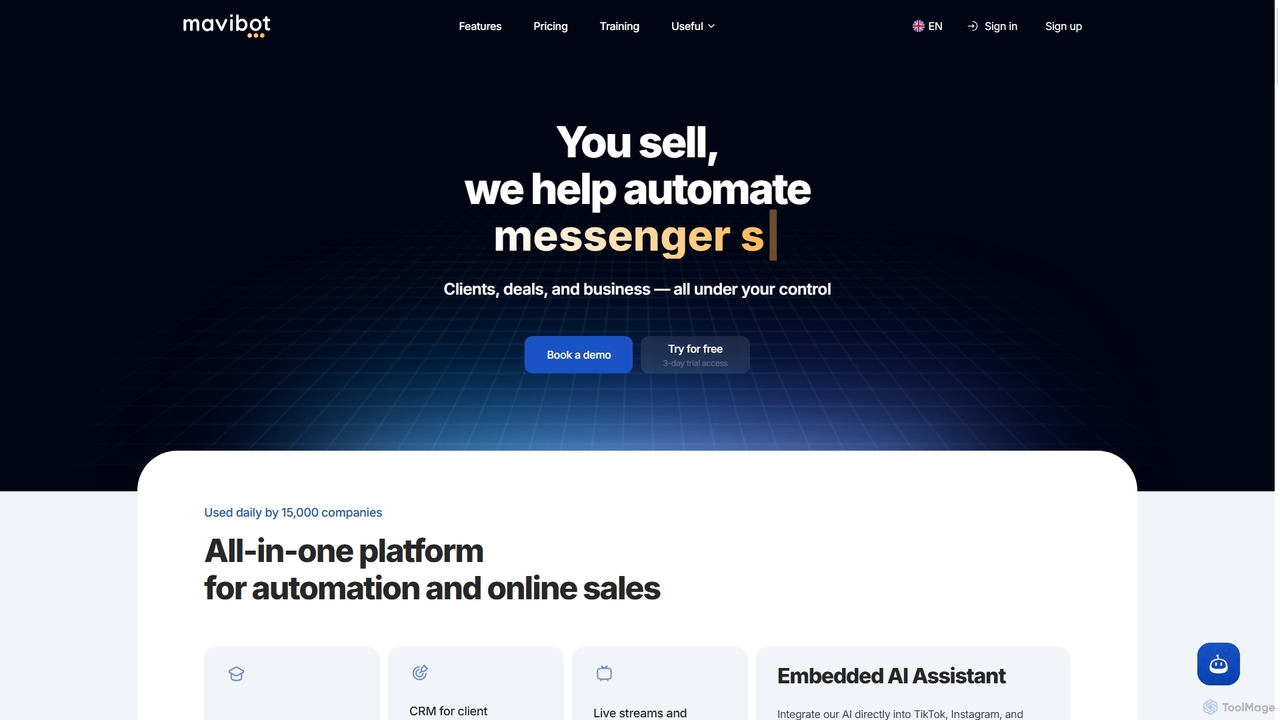
MaviBot is an all-in-one multifunctional platform designed to automate sales and online business operations. It integrates AI-powered chatbots, …

5.9K
Titania

Titania

Titania is an AI-powered virtual receptionist and operator platform designed to automate customer service, sales, and operational tasks …

3.1K
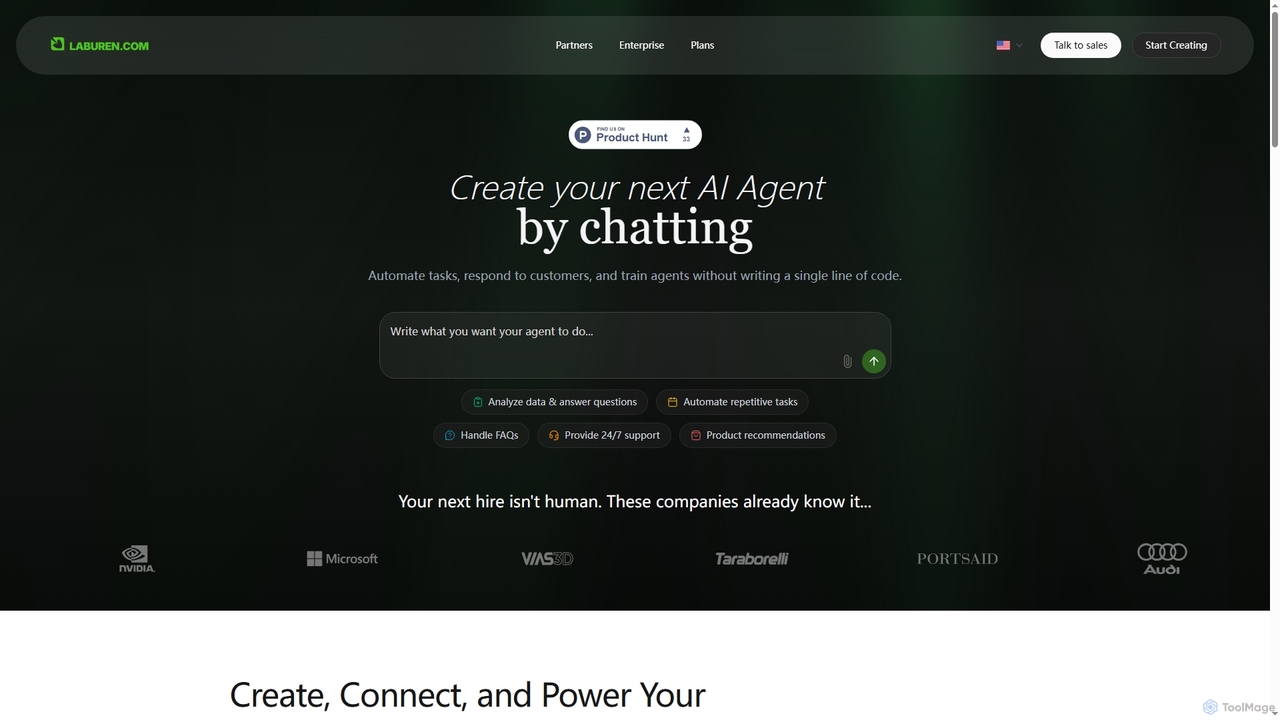
Laburen

Laburen

Laburen is a no-code AI agent platform that empowers businesses to automate tasks, customer support, sales, and administration. …

13.0K

About Sales & Marketing

Sales & Marketing AI tools are AI-powered solutions that leverage artificial intelligence to optimize and automate various sales and marketing processes. These tools utilize machine learning, natural language processing, and predictive analytics to enhance customer engagement, streamline operations, and drive revenue growth. By analyzing vast datasets, they empower businesses to make data-driven decisions, personalize customer interactions, and achieve greater efficiency across the entire customer journey, from lead generation to post-sales support. This integration of AI transforms traditional approaches, offering unprecedented insights and automation capabilities.

Core Features

  • Lead Scoring & Qualification: Automatically assesses and prioritizes leads based on their likelihood to convert, improving sales team efficiency.
  • Content Generation & Optimization: Creates marketing copy, social media posts, and ad creatives, and optimizes existing content for better performance.
  • Personalized Customer Engagement: Delivers tailored messages, product recommendations, and support interactions across multiple channels.
  • Predictive Analytics for Sales: Forecasts sales trends, identifies potential churn risks, and recommends optimal pricing strategies.
  • Marketing Campaign Automation: Automates the execution, monitoring, and optimization of marketing campaigns across various platforms.

Use Cases

Businesses use these tools to automate email marketing campaigns, optimize ad spend by identifying high-performing segments, and personalize website experiences for individual visitors. They are crucial for enhancing customer service through AI chatbots and for generating highly targeted sales leads.

How to Choose

When selecting Sales & Marketing AI tools, consider their integration capabilities with your existing CRM and marketing automation platforms. Evaluate the specific AI functionalities offered, such as advanced analytics or natural language generation, and ensure they align with your strategic goals. Data privacy compliance, scalability, and the vendor's support and training resources are also critical factors for long-term success.

Sales & MarketingUse Cases

1

Automating Lead Qualification and Prioritization

Sales teams often spend significant time manually sifting through leads. With AI-powered lead scoring, a sales representative can automatically assess incoming leads based on historical data, engagement patterns, and demographic information. This allows them to prioritize high-potential prospects, focusing their efforts on leads most likely to convert, thereby reducing response times and increasing conversion rates by up to 30%.

2

Generating Personalized Marketing Content at Scale

Content creators and marketing managers frequently need to produce diverse content for various channels and audience segments. AI content generation tools enable them to quickly create personalized email subject lines, ad copy variations, social media posts, and blog outlines. By inputting key messages and target audience profiles, marketers can generate hundreds of unique content pieces in minutes, ensuring relevance and engagement for each segment without extensive manual effort.

3

Optimizing Ad Spend and Campaign Performance

Digital marketing specialists face the challenge of maximizing ROI from advertising budgets. AI marketing platforms analyze real-time campaign data, including click-through rates, conversion metrics, and audience behavior across platforms like Google Ads and social media. The AI identifies underperforming ads or segments and automatically adjusts bidding strategies, targeting parameters, or budget allocation, leading to more efficient ad spend and improved campaign results.

4

Enhancing Customer Service with AI Chatbots

Customer support teams often handle repetitive queries, leading to slower response times and agent burnout. Implementing AI chatbots allows businesses to provide instant, 24/7 support for common questions, order tracking, or basic troubleshooting. These chatbots use natural language processing to understand user intent, escalating complex issues to human agents only when necessary, significantly improving customer satisfaction and reducing operational costs.

5

Predicting Sales Trends and Customer Churn

Business strategists and sales leaders require foresight to plan effectively. AI predictive analytics tools analyze vast amounts of historical sales data, market trends, and customer behavior to forecast future sales volumes and identify customers at risk of churning. This enables proactive intervention, such as targeted retention campaigns or inventory adjustments, helping to stabilize revenue and inform strategic business decisions.

6

Personalizing Customer Journeys Across Channels

E-commerce businesses and marketing teams aim to deliver seamless, personalized experiences. AI tools track individual customer interactions across websites, emails, and mobile apps, building comprehensive profiles. This data allows for dynamic content delivery, personalized product recommendations, and tailored offers at each touchpoint, guiding customers through a customized journey that increases engagement, loyalty, and ultimately, conversion rates.

Sales & MarketingFrequently Asked Questions