Ventra
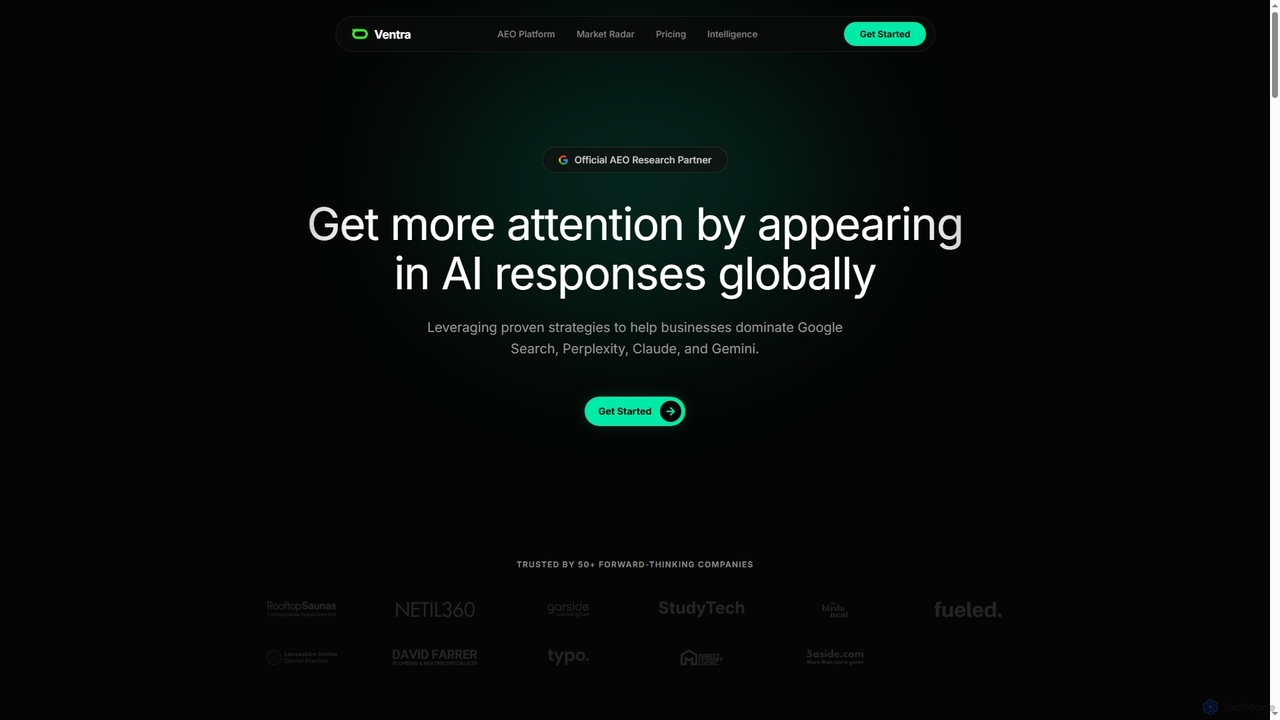
Ventra is an AI Answer Engine Optimization (AEO) platform designed to enhance your brand's visibility in AI-driven search …
Ventra is an AI Answer Engine Optimization (AEO) platform designed to enhance your brand's visibility in AI-driven search responses across major engines like Google AI Mode, ChatGPT, Perplexity, Claude, and Gemini. It helps businesses capture new traffic segments by ensuring their content is cited and recommended in conversational AI answers.
Innovispark
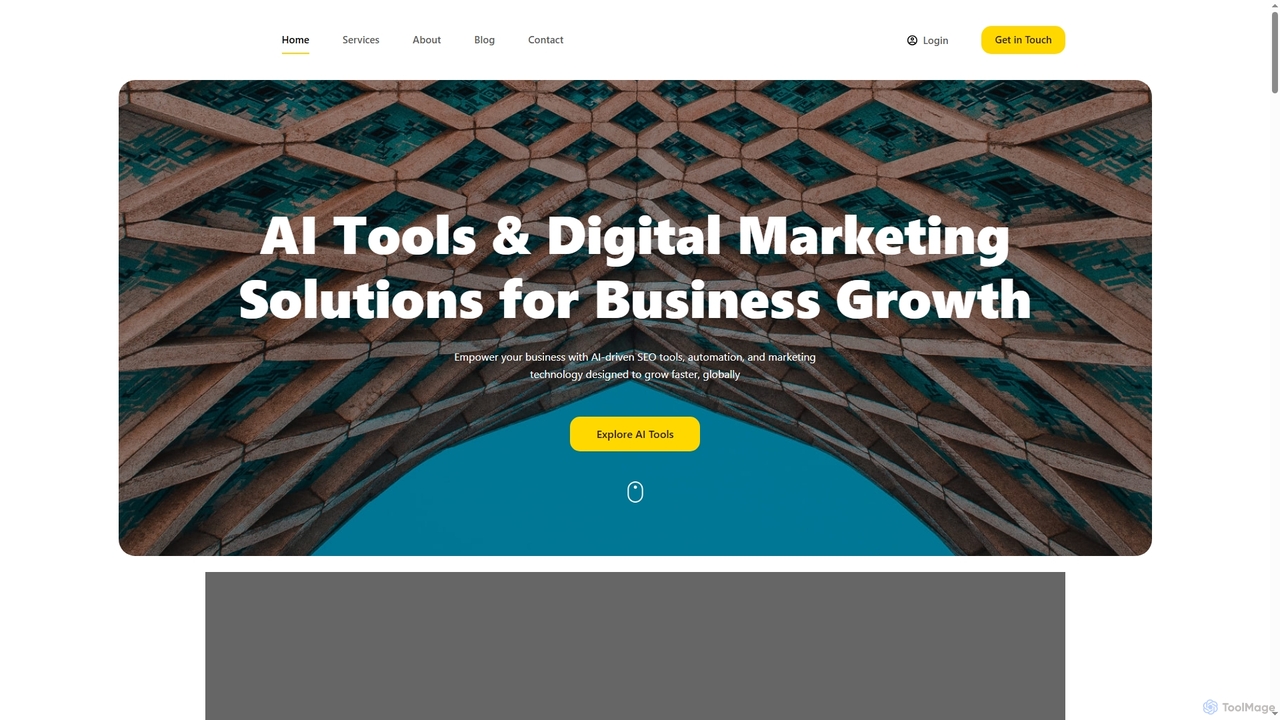
Innovispark offers AI-driven digital marketing solutions and automation services designed to accelerate business growth globally. It provides tools …
Innovispark offers AI-driven digital marketing solutions and automation services designed to accelerate business growth globally. It provides tools for SEO, content generation, data analysis, and intelligent AI agents to automate marketing tasks, enhance online visibility, and maximize ROI.
Digital Smiles
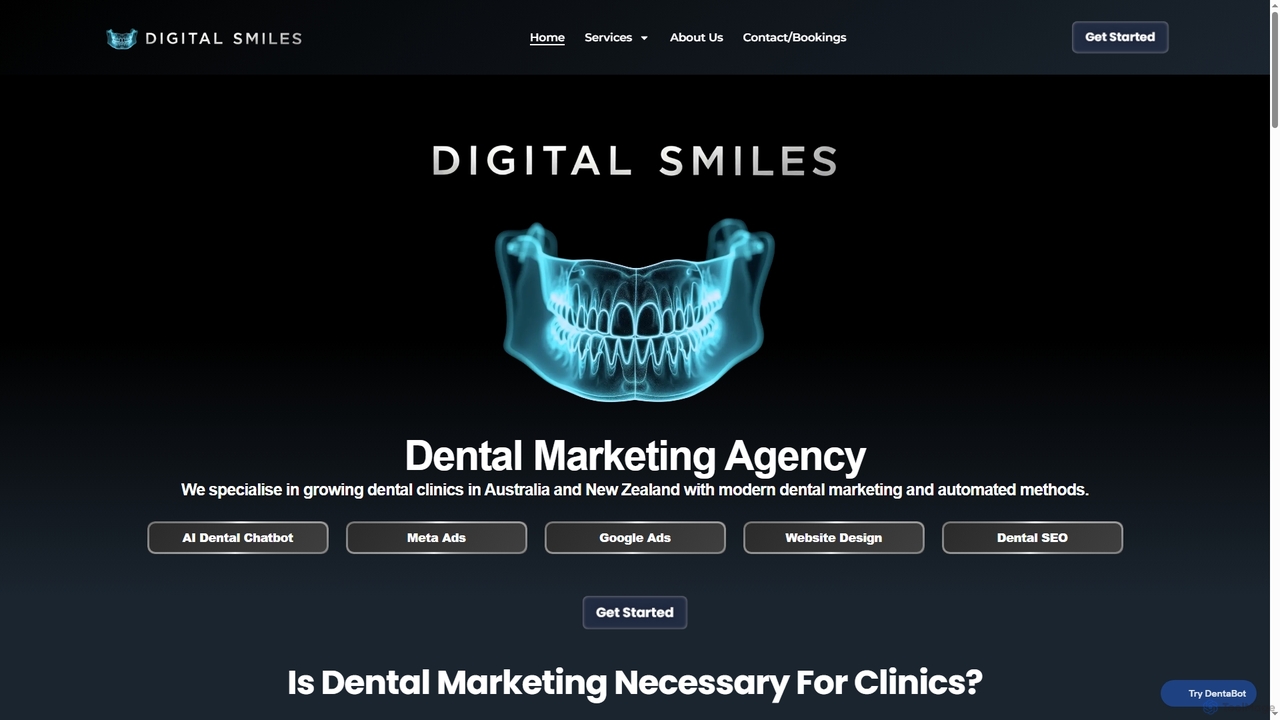
Digital Smiles is a specialized dental marketing agency for Australia and New Zealand, leveraging advanced AI, including the …
Digital Smiles is a specialized dental marketing agency for Australia and New Zealand, leveraging advanced AI, including the DentaBot chatbot, to enhance online visibility, attract new patients, and increase bookings. They offer comprehensive solutions like Meta Ads, Google Ads, website design, and SEO, all optimized with AI-powered conversion tracking for sustained growth.
About Search Engine Optimization
Search Engine Optimization (SEO) tools are AI-powered platforms designed to enhance and automate the process of improving a website's visibility in search engine results. These tools leverage machine learning and natural language processing (NLP) to analyze vast amounts of data, identify patterns, and provide actionable insights. They help users with complex tasks such as keyword research, content optimization, technical site audits, and backlink analysis. By using AI, these SEO tools can predict search trends, understand user intent, and offer data-driven recommendations that go beyond traditional manual analysis.
Core Features
- AI-Powered Keyword Research: Identifies high-potential keywords, analyzes search intent, and groups related terms into semantic clusters.
- Content Optimization: Provides real-time feedback on content structure, keyword usage, and readability based on analysis of top-ranking pages.
- Automated Technical Audits: Continuously scans websites to detect and prioritize technical issues like crawl errors, slow page speed, and broken links.
- Predictive Rank Tracking: Forecasts search ranking fluctuations and identifies opportunities by analyzing competitor performance and market trends.
- Intelligent Link Building: Analyzes backlink profiles to assess quality and discovers relevant, high-authority link-building opportunities.
Use Cases
These tools are widely used by SEO specialists, digital marketing agencies, content creators, and e-commerce managers. For instance, a marketing team can use an AI SEO tool to generate a comprehensive content brief for a new blog post by analyzing the top 10 search results for a target keyword. An e-commerce site can use automated audits to monitor thousands of product pages for technical errors that could harm their rankings.
How to Choose
When selecting an AI SEO tool, consider the scope of its features—whether you need an all-in-one platform or a specialized tool for content or technical SEO. Evaluate the accuracy and freshness of its data sources. Check for integration capabilities with essential platforms like Google Analytics and Google Search Console. Finally, assess the user interface and the level of automation to ensure it matches your team's technical skills and workflow.
Search Engine OptimizationUse Cases
Generate Data-Driven Content Briefs
A content marketing manager needs to create a high-ranking article on a competitive topic. Instead of manually analyzing SERPs, they use an AI SEO tool. The tool automatically analyzes the top 20 ranking pages for the target keyword, identifying common headings, frequently asked questions, optimal word count, and semantic keywords to include. It then compiles this data into a comprehensive brief, providing writers with a clear, data-backed roadmap to create content that is structured for search engine success, saving hours of research time.
Automate Technical SEO Site Audits
An in-house SEO specialist for a large e-commerce website with thousands of pages needs to maintain site health. Using an AI SEO tool, they set up automated, recurring crawls. The AI continuously scans the site, identifying critical issues like redirect chains, 404 errors, and pages with slow load times. Instead of a massive, overwhelming report, the tool prioritizes issues based on their potential impact on traffic and revenue. This allows the specialist to focus on the most critical fixes first and efficiently collaborate with the development team.
Discover Untapped Keyword Opportunities
A digital marketing agency is developing an SEO strategy for a new client. They use an AI SEO tool's 'Keyword Gap' feature. By inputting the client's domain and up to three main competitors, the AI analyzes all ranking keywords and identifies terms that competitors rank for, but the client does not. The tool then clusters these keywords by topic and search intent, revealing entire content pillars the client is missing. This provides a strategic, data-backed list of high-opportunity keywords to target, accelerating the client's growth in organic search.
Optimize Internal Linking Structure at Scale
For a content-heavy website like a news portal or a large blog, managing internal links is a significant challenge. An SEO manager uses an AI tool that crawls the entire site and builds a topic map. When a new article is published, the AI automatically suggests relevant internal linking opportunities from older, authoritative pages to the new one. It also identifies 'orphan pages' with no internal links pointing to them. This process ensures proper link equity distribution and helps search engines better understand the site's structure and content hierarchy, improving crawlability and rankings.
Predict SEO Performance and Forecast Traffic
A marketing director needs to justify their SEO budget for the next quarter. They use an AI SEO tool with predictive analytics capabilities. By inputting target keywords, planned content, and link-building activities, the tool models potential ranking improvements and forecasts the resulting increase in organic traffic and conversions. This provides a data-driven projection of the ROI for SEO efforts, transforming the budget conversation from a cost-based discussion to an investment-based one. The AI considers seasonality, competitor activity, and historical performance for a more accurate forecast.
Monitor and Analyze Competitor Strategies
An SEO analyst for a SaaS company wants to stay ahead of the competition. They use an AI-powered SEO platform to continuously monitor a set of key competitors. The tool automatically tracks competitors' ranking changes, new content they publish, and new backlinks they acquire in near real-time. The AI then analyzes this data to identify shifts in competitor strategy, such as a new focus on a specific content cluster or a successful link-building campaign. This provides actionable intelligence, allowing the analyst to react quickly and adjust their own strategy to maintain a competitive edge.