ToolMage
Sign in

Best 3 Communication AI tools for Social Media

Popular Communication AI tools in Social Media include HowToReply.AI, hingeopeners, and Canvish, helping you work more efficiently.

hingeopeners
Freemium

hingeopeners

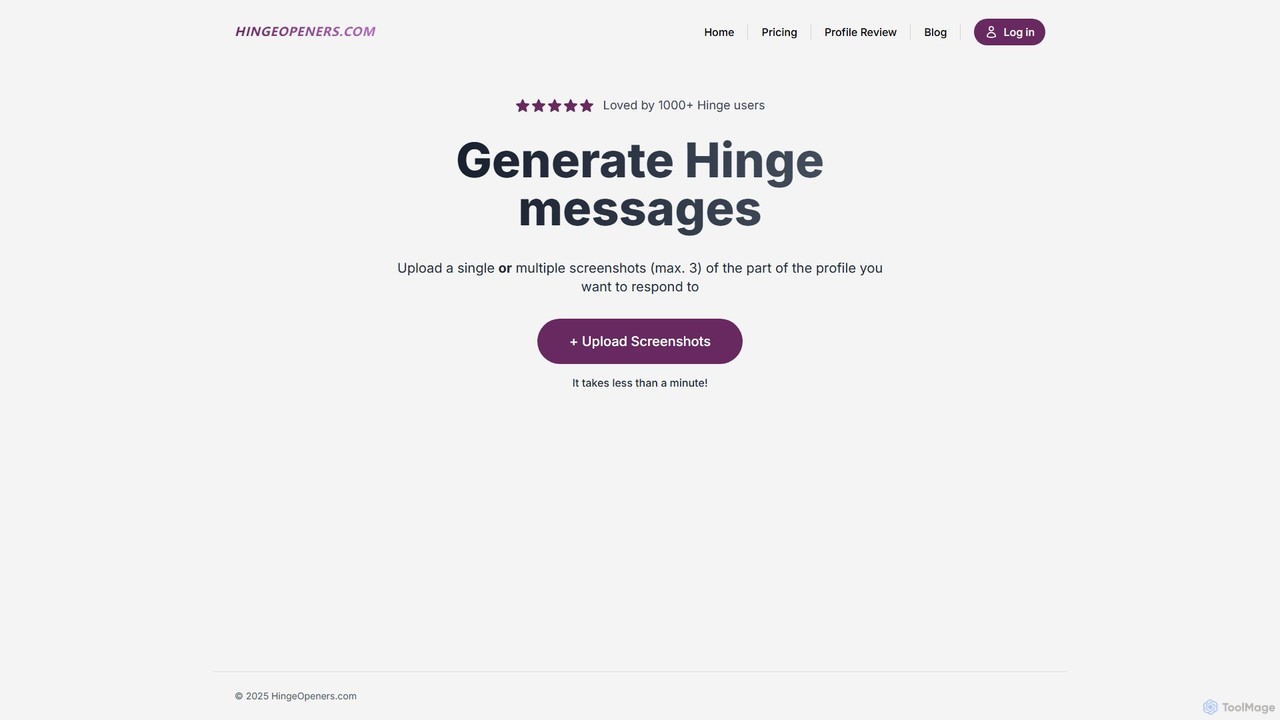
HingeOpeners is an AI-powered assistant designed to enhance your Hinge dating experience. It generates clever conversation starters, icebreakers, and replies based on profile screenshots. Additionally, it offers an AI-driven profile review service to optimize your photos and prompts, aiming to significantly increase your match quality and quantity.

Dating
Visits 5.5KFavorites 156Likes 166
Canvish
Freemium

Canvish

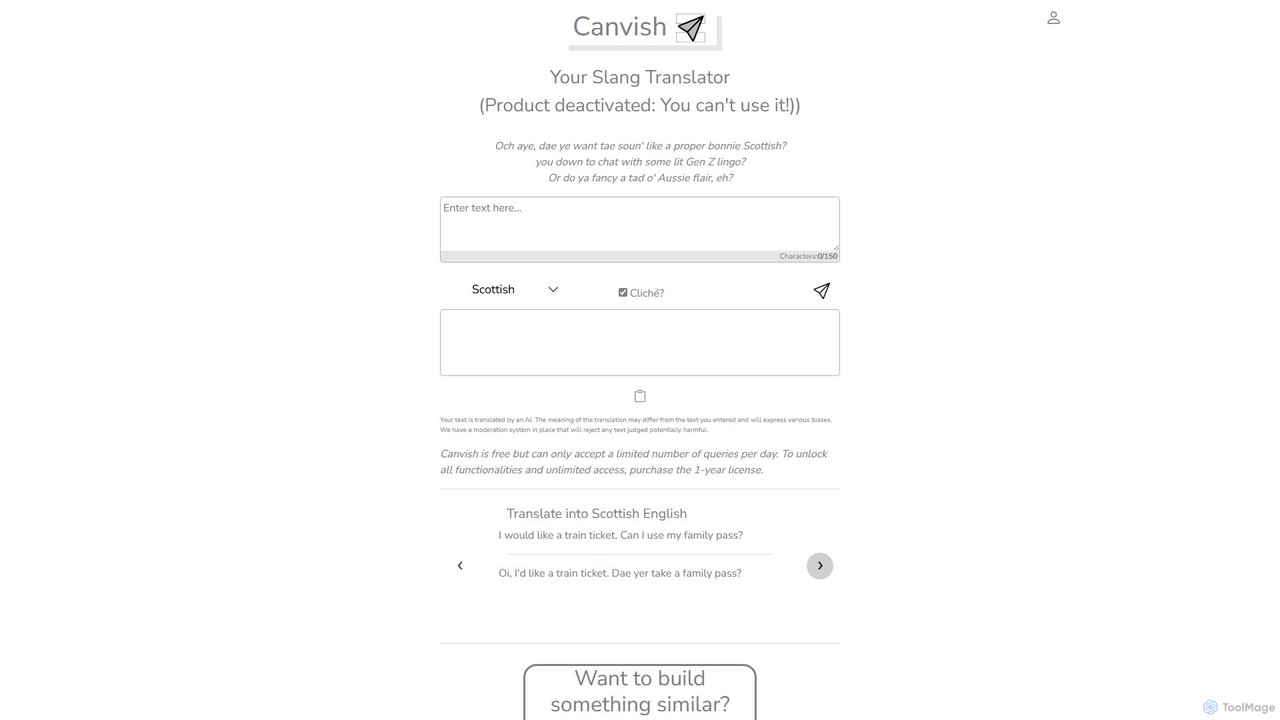
Canvish is an AI-powered slang translator that deciphers modern jargon, internet slang, and cultural colloquialisms. It provides not just definitions, but also context, usage examples, and origins, helping to bridge communication gaps between generations, cultures, and online communities. Ideal for language learners, marketers, and anyone looking to understand contemporary language.

Language Learning
Visits 5.5KFavorites 115Likes 120
HowToReply.AI
Free

HowToReply.AI

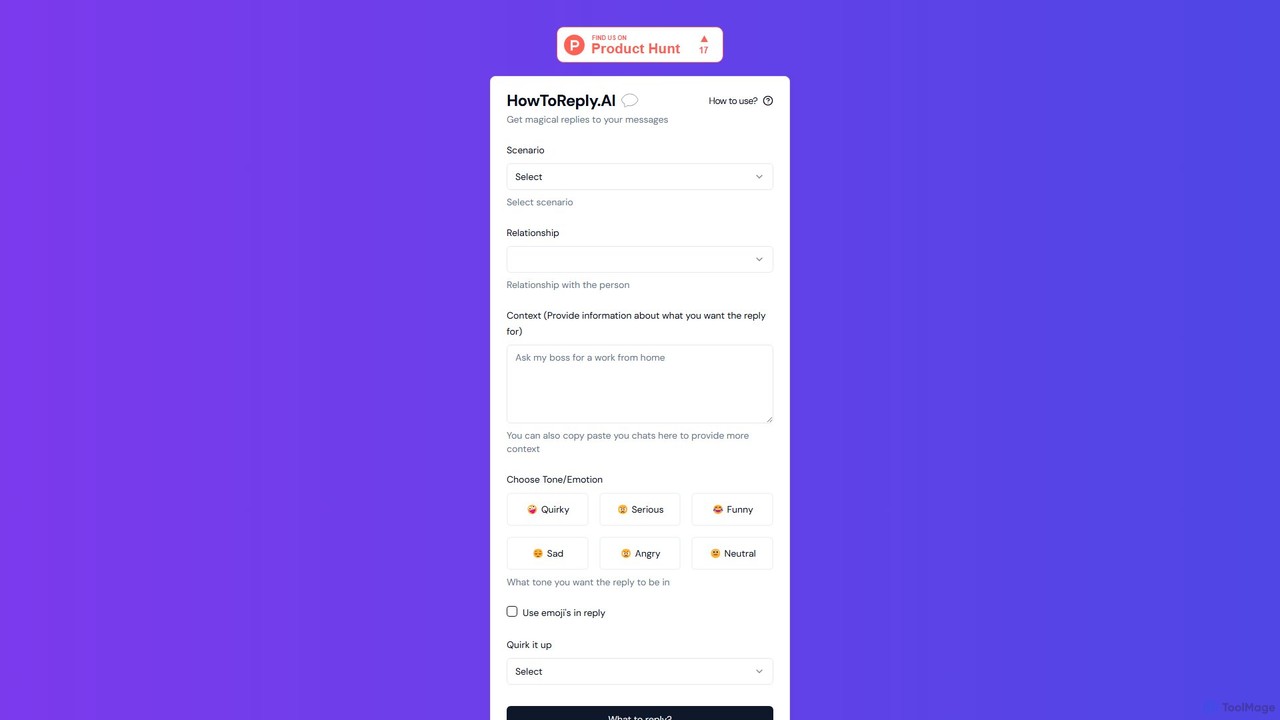
HowToReply.AI is an AI-powered tool that generates perfect replies for any message. By selecting the scenario, relationship, and desired tone, users can get context-aware, customized responses for professional, social, or romantic interactions, helping to overcome writer's block and improve communication.

Relationship
Visits 5.7KFavorites 114Likes 122

About Communication

AI Communication tools are a specialized category within social media management that automates and enhances audience interactions. These tools leverage Natural Language Processing (NLP) to understand, categorize, and respond to comments, direct messages, and mentions in real-time. Their primary value lies in enabling brands and creators to manage high volumes of conversations efficiently, maintain a consistent brand voice, and foster a more engaged community. By handling routine inquiries and filtering content, they free up human agents to focus on more complex and meaningful interactions.

Core Features

  • Automated Responses: Instantly reply to common questions in comments and DMs based on predefined rules and keywords.
  • Unified Social Inbox: Consolidate messages, comments, and mentions from multiple social platforms into a single dashboard.
  • Sentiment Analysis: Automatically analyze the emotional tone of incoming messages to prioritize urgent or negative feedback.
  • Content Moderation: Automatically hide, delete, or flag spam, inappropriate comments, and toxic language to maintain community health.
  • Engagement Triggers: Set up rules to automatically like positive comments or assign specific conversations to the relevant team members.

Use Cases

These tools are essential for community managers, social media customer support teams, and marketing agencies. They are widely used in industries with high customer interaction volumes, such as e-commerce, retail, and media, to streamline workflows for handling inquiries, moderating user-generated content, and managing brand reputation across platforms like Instagram, Facebook, and Twitter.

How to Choose

When selecting an AI Communication tool, consider the specific social media platforms it supports. Evaluate the sophistication of its automation engine, including the ability to create custom rules and workflows. Assess the accuracy of its sentiment analysis and the effectiveness of its content moderation filters. Also, consider its integration capabilities with other tools like CRMs or helpdesks, and a pricing model that scales with your message volume.

Communication use cases

1

Automating Customer Support via Social Media DMs

An e-commerce brand's support team is overwhelmed with direct messages asking about order status, return policies, and product details. By implementing an AI Communication tool, they can set up automated workflows. The AI first categorizes incoming messages. For common queries like 'Where is my order?', it integrates with the shipping system to provide an instant, personalized update. More complex issues are automatically tagged and routed to a human agent, ensuring prompt and accurate service while reducing agent workload by over 60%.

2

Automate E-commerce Customer Service in DMs

An online fashion brand's social media team is overwhelmed with hundreds of daily Instagram DMs about order status, sizing, and return policies. By implementing an AI Communication tool, they set up automated responses for these common queries. The AI instantly identifies keywords like 'shipping' or 'size chart' and provides a pre-approved answer. This reduces response time from hours to seconds for over 60% of incoming messages, allowing the human team to focus on complex issues like damaged goods or personalized styling advice, significantly improving customer satisfaction.

3

Managing Brand Reputation with Comment Moderation

A global brand running a major advertising campaign faces a high volume of comments on their social posts, including spam and inappropriate content. A community manager uses an AI Communication tool to set up moderation rules. The AI automatically hides comments containing spam links or offensive keywords in real-time, 24/7. It also uses sentiment analysis to flag comments with strong negative emotions for manual review. This protects the brand's image and ensures the comment section remains a positive space for genuine customer engagement.

4

Moderate Comments for a Large Creator's Channel

A popular YouTuber with millions of subscribers faces a constant barrage of spam and hateful comments on their videos. Manually moderating this is impossible. They use an AI Communication tool to automatically filter comments. The system is trained to detect and hide self-promotion links, repetitive spam phrases, and toxic language based on a custom keyword list and NLP analysis. This ensures the comment section remains a positive and constructive space for the community, protecting the brand's image and saving the creator dozens of hours per week.

5

Identifying Sales Leads from Social Conversations

A B2B software company uses social media to build brand awareness. Their marketing team employs an AI Communication tool to monitor mentions and comments for buying signals. The tool is configured to identify keywords like 'pricing', 'demo', 'alternative to', or questions about specific features. When such a comment or message is detected, it's automatically tagged as a 'sales lead' and assigned to a sales representative in the CRM. This proactive approach turns passive social listening into an active lead generation channel, capturing opportunities that might otherwise be missed.

6

Identify Sales Leads from Social Conversations

A B2B software company monitors brand mentions and relevant keywords on Twitter and LinkedIn. Their AI Communication tool uses sentiment and intent analysis to flag posts that indicate a potential sales opportunity, such as a user asking for recommendations for a tool like theirs. The tool automatically assigns these conversations to a sales representative in the unified inbox. This proactive approach allows the sales team to engage with warm leads in real-time, directly within the social platform, shortening the sales cycle and capturing opportunities that might otherwise be missed.

7

Enhancing Community Engagement for Content Creators

A popular YouTuber with millions of subscribers receives thousands of comments on each video. It's impossible to read and reply to all of them manually. Using an AI Communication tool, the creator can filter comments to find the most engaging ones, such as those with many replies or likes, or those asking insightful questions. The AI can also identify top fans who comment frequently. This allows the creator to focus their limited time on interacting with the most dedicated parts of their community, fostering a stronger relationship with their audience.

8

Manage Brand Reputation During a Crisis

When a food company faces a product recall, their social media channels are flooded with angry and concerned customer comments. Using an AI Communication tool with advanced sentiment analysis, their crisis management team can instantly gauge the overall public mood. The tool prioritizes highly negative comments for immediate human response and uses automated replies to direct users to an official FAQ page for general information. This structured approach helps control the narrative, ensures critical concerns are addressed promptly, and provides valuable real-time feedback to the PR team.

9

Streamline Influencer Collaboration Inquiries

A marketing agency managing dozens of creators receives numerous collaboration proposals via DMs across multiple platforms. Using a unified social inbox, they centralize all incoming messages. They set up an AI auto-responder to acknowledge receipt of each proposal and ask for key information like media kits and campaign goals. This ensures no inquiry is missed and that the agency has all necessary details before a human manager reviews the opportunity. It professionalizes their intake process and saves hours of administrative work.

10

Crisis Communication Triage and Response

During a product recall or service outage, a company's social media channels are flooded with angry and anxious customer messages. An AI Communication tool is crucial for managing the situation. It uses sentiment analysis to immediately flag high-priority messages from distressed customers. It can also deploy pre-approved, empathetic automated responses to acknowledge the issue and direct users to an official status page. This frees up the human team to focus on resolving complex individual cases rather than being bogged down by the sheer volume of repetitive inquiries.

11

Gathering Product Feedback from Community Discussions

A product manager for a mobile app wants to understand user pain points and feature requests. Instead of manually sifting through thousands of comments on Twitter and Facebook, they use an AI Communication tool. The tool is set up to tag conversations that mention 'bug', 'feature request', 'wishlist', or 'doesn't work'. The AI then aggregates this feedback into a dashboard, showing the most frequently mentioned issues and requests. This provides the product team with structured, data-driven insights directly from their user base, helping them prioritize their development roadmap effectively.

12

Gather Product Feedback from Community Comments

A gaming company actively monitors comments on its Facebook page and Discord server for player feedback. Their AI Communication tool is configured to tag messages containing keywords like 'bug,' 'feature request,' or 'suggestion.' These tagged conversations are automatically routed to a specific folder in the unified inbox for the product development team to review. This creates a direct, organized channel for collecting user feedback at scale, helping the company prioritize updates and improvements based on real community input.

Communication FAQ

What are AI Communication tools for social media?

AI Communication tools for social media are specialized software designed to manage and automate interactions with an audience across platforms like Facebook, Instagram, and Twitter. They use artificial intelligence, particularly Natural Language Processing (NLP), to understand the content and intent of comments and messages. Key functions include automated responses, comment moderation, sentiment analysis, and routing conversations to the appropriate team members, all aimed at improving response efficiency and community engagement.

What are AI Communication tools for social media?

AI Communication tools are specialized software that use artificial intelligence, particularly Natural Language Processing (NLP), to manage and automate interactions on social media. Unlike simple schedulers, they focus on understanding and responding to audience conversations. Key functions include automated comment replies, sentiment analysis of messages, and intelligent moderation of user-generated content to maintain a positive community environment.

How do AI Communication tools differ from social media schedulers?

The primary difference lies in their focus. Social media schedulers are 'outbound' tools, focused on publishing content at optimal times. AI Communication tools are 'inbound' tools, focused on managing the responses and conversations that content generates. While a scheduler helps you talk *to* your audience, a communication tool helps you talk *with* your audience at scale by automating replies, moderating comments, and analyzing sentiment.

How do these differ from general social media management tools?

General social media management tools focus broadly on content scheduling, publishing, and analytics (a one-to-many approach). In contrast, AI Communication tools specialize in the conversational aspect of social media (one-to-one or one-to-few interactions). While a general tool might help you schedule a post, an AI Communication tool will help you manage the hundreds of comments and DMs that result from that post by filtering, analyzing, and responding to them automatically.

Who benefits most from using AI Communication tools?

These tools are most beneficial for businesses, brands, and public figures with a large and active social media following. Key users include:

  • E-commerce Brands: For handling high volumes of customer service inquiries via DMs and comments.
  • Large Corporations: For brand reputation management and crisis communication across multiple channels.
  • Content Creators & Influencers: To manage massive comment sections and engage with their most loyal followers.
  • Marketing Agencies: To efficiently manage community engagement for multiple clients.

How to choose the right AI Communication tool?

To choose the right tool, consider these factors:

  • Platform Support: Ensure it integrates with the social media channels where your audience is most active.
  • Automation Capabilities: Evaluate the flexibility of its rule-based system. Can you create complex workflows for different scenarios?
  • Unified Inbox: Check if the interface is intuitive and allows for easy collaboration and conversation assignment among team members.
  • Analytical Accuracy: Assess the reliability of its sentiment analysis and keyword detection to ensure it correctly interprets user messages.
  • Scalability: Consider its pricing model and whether it can grow with your volume of social interactions.
How do I choose the right AI Communication tool?

Choosing the right tool depends on your specific needs. Consider the following factors:

  • Platform Support: Ensure it supports the social media channels where your audience is most active (e.g., Instagram, Facebook, Twitter, TikTok).
  • Integration Capabilities: Check if it can connect with your existing tools like CRM, helpdesk software (e.g., Zendesk, Salesforce), or e-commerce platforms.
  • AI Sophistication: Evaluate the accuracy of its sentiment analysis and its ability to understand nuances, slang, and different languages.
  • Customization: Look for the ability to create custom rules for moderation, routing, and automated responses to fit your brand's voice and policies.

What are the main benefits of using AI for social media communication?

The primary benefits include:

  • Increased Efficiency: Automating responses to common questions frees up significant time for your team.
  • 24/7 Availability: AI can provide instant responses to customers at any time, improving user experience.
  • Consistency: Ensures a consistent brand voice and accurate information in all automated replies.
  • Scalability: Effortlessly manage a high volume of comments and messages without needing to proportionally increase team size.
  • Data Insights: Sentiment analysis and message tagging provide valuable data on audience opinions and common issues.
Can AI completely replace human community managers?

No, AI Communication tools are designed to augment, not replace, human community managers. AI excels at handling high-volume, repetitive tasks like answering FAQs, filtering spam, and flagging keywords. This allows human managers to focus on more nuanced and high-value activities, such as building relationships, managing complex customer issues, creating strategic content, and handling sensitive conversations that require empathy and critical thinking.

Can AI Communication tools completely replace human community managers?

No, these tools are designed to augment, not replace, human community managers. AI excels at handling repetitive, high-volume tasks like filtering spam, answering common FAQs, and flagging urgent issues. This frees up human managers to focus on more strategic activities that require empathy, creativity, and complex problem-solving, such as building relationships with key influencers, creating engaging content, and handling sensitive customer escalations.