ToolMage
Sign in

Best 3 Sound Design AI tools

Popular Sound Design AI tools include Obsidian Neural, Levelr, and 8bit, helping you work more efficiently.

Levelr
Freemium

Levelr

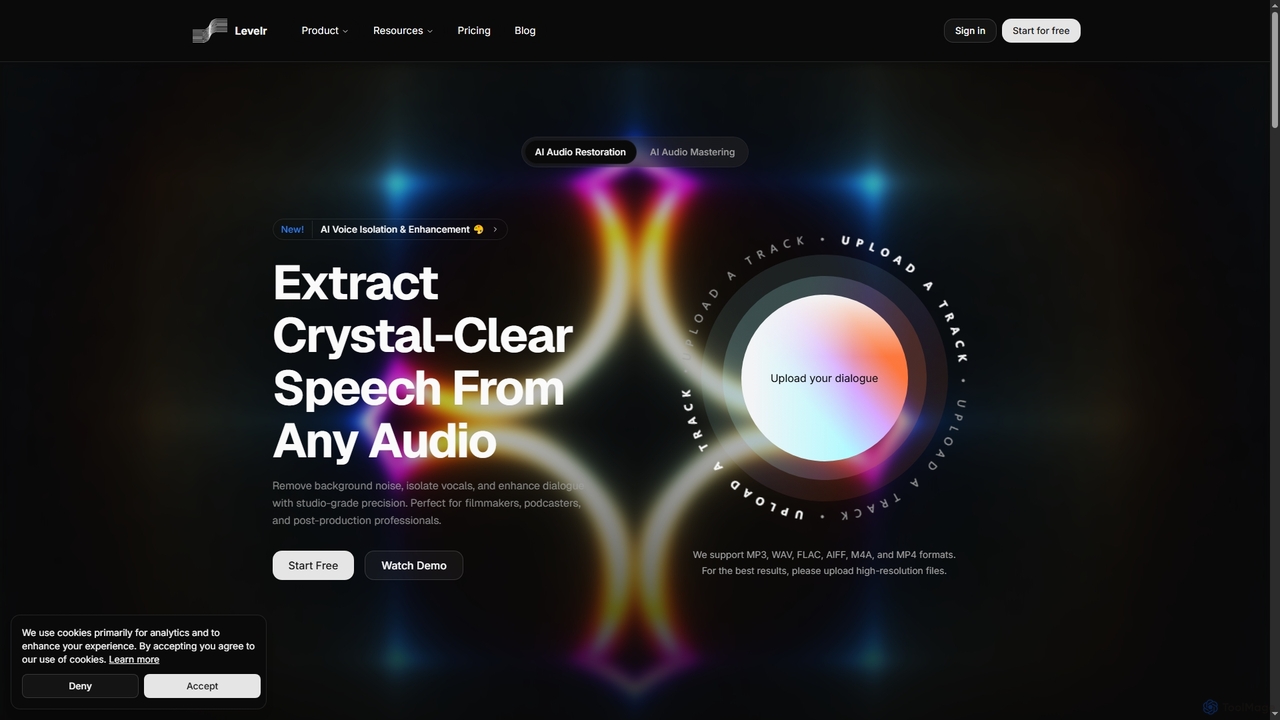
Levelr is an AI-powered audio platform offering studio-grade audio restoration, voice isolation, speech enhancement, and professional music mastering. It helps filmmakers, podcasters, music producers, and live streamers achieve crystal-clear sound by removing noise, isolating vocals, and optimizing tracks for release.

Mastering
Visits 5.1KFavorites 60Likes 61
Obsidian Neural
Freemium

Obsidian Neural

Obsidian Neural is a revolutionary VST plugin that enables real-time AI music generation directly within your Digital Audio Workstation (DAW). It allows musicians to create and trigger AI-generated samples live, integrate with MIDI controllers, and produce dynamic soundscapes for performances and studio productions.

Audio Generation
Visits 6.2KFavorites 50Likes 58
8bit

8bit

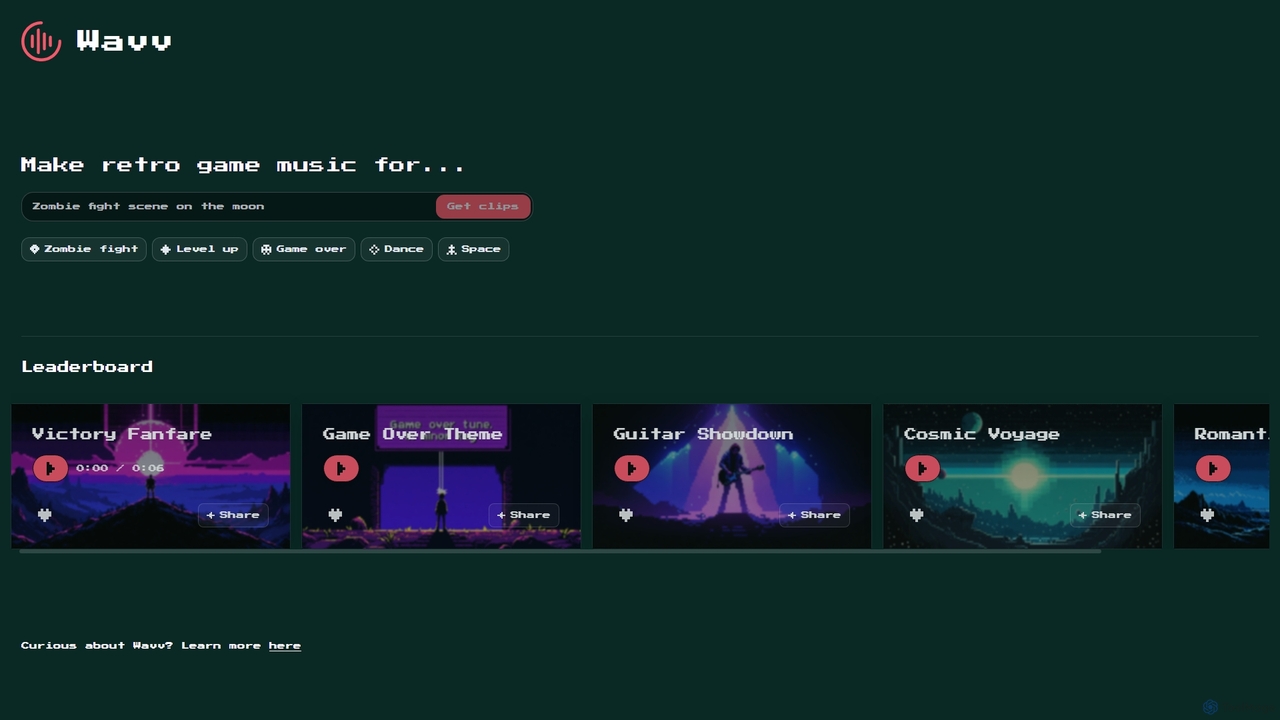
8bit is an innovative AI music generator designed to create nostalgic retro game music. It specializes in producing chiptune-style soundtracks perfect for indie games, Roblox, Minecraft, and other creative projects requiring classic 8-bit audio.

Audio Production
Visits 5KFavorites 124Likes 112

About Sound Design

Sound Design tools are AI-powered applications that leverage advanced algorithms to create, manipulate, and enhance audio. These tools utilize machine learning to generate original sounds, modify existing audio, and automate complex sound engineering tasks. They empower musicians, filmmakers, game developers, and content creators to achieve professional-grade audio with unprecedented speed and creative flexibility, opening new possibilities for immersive sonic experiences.

Core Features

  • Generative Audio: Automatically creates unique melodies, sound effects, ambient soundscapes, or full musical compositions from text prompts or parameters.
  • Intelligent Audio Editing: AI-driven tools for noise reduction, vocal isolation, pitch correction, and automatic mixing and mastering.
  • Sound Synthesis & Manipulation: Transforms existing audio, synthesizes new sounds, and applies complex effects with intuitive controls.
  • Text-to-Sound: Converts written descriptions or emotional cues into corresponding audio elements or musical pieces.
  • Audio Analysis & Tagging: Automatically identifies and categorizes sounds, making large audio libraries searchable and manageable.

Use Cases

AI Sound Design tools are indispensable across various creative industries. Musicians use them to break creative blocks and generate new musical ideas, while filmmakers and video producers employ them to quickly craft immersive soundscapes and foley effects for their projects. Game developers leverage these tools to create dynamic, responsive in-game audio environments and unique character sounds, significantly accelerating the audio production pipeline.

How to Choose

When selecting an AI Sound Design tool, consider its primary functionality (generation, editing, or mixing), the quality of its output, and its integration capabilities with your existing digital audio workstation (DAW). Evaluate the breadth of its sound library, the intuitiveness of its user interface, and its pricing model. Additionally, assess the learning curve and the level of control it offers over the AI-generated elements to ensure it aligns with your creative workflow and technical expertise.

Sound Design use cases

1

Generating Unique Musical Compositions

Musicians and composers can utilize AI sound design tools to overcome creative blocks and explore new sonic territories. By inputting specific parameters like genre, mood, or instrumentation, the AI can generate original melodies, harmonies, or even full instrumental tracks. This allows artists to quickly prototype ideas, experiment with diverse styles, and discover unexpected musical elements, significantly accelerating the composition process and fostering innovation.

2

Crafting Immersive Film Soundscapes

Filmmakers and video editors often need rich, atmospheric soundscapes to enhance visual storytelling. AI sound design tools enable them to generate complex ambient sounds, environmental effects, or specific foley sounds based on scene descriptions. This capability drastically reduces the time spent manually searching for or recording sounds, allowing post-production teams to create highly immersive and emotionally resonant audio environments that perfectly complement the on-screen action.

3

Designing Dynamic Game Audio

Game developers require dynamic and responsive audio that adapts to player actions and in-game events. AI sound design tools can generate variations of sound effects, character voices, or background music based on real-time game data. This ensures a more engaging and personalized auditory experience for players, from subtle environmental changes to intense combat sounds, while streamlining the complex process of creating vast and interactive audio libraries.

4

Enhancing Podcast & Voiceover Quality

Podcasters and content creators frequently deal with imperfect audio recordings. AI sound design tools offer advanced features for noise reduction, vocal enhancement, and automatic equalization, transforming raw voiceovers into polished, broadcast-ready audio. This significantly improves listener experience by ensuring clarity and professionalism, allowing creators to focus more on content delivery rather than extensive manual audio cleanup.

5

Automating Audio Restoration & Repair

Archivists, audio engineers, and enthusiasts often encounter old or damaged recordings that require extensive restoration. AI sound design tools can intelligently identify and remove unwanted clicks, pops, hums, and background noise, while preserving the integrity of the original audio. This automation makes complex restoration tasks more accessible and efficient, breathing new life into historical recordings, interviews, or cherished personal audio.

6

Creating Interactive Art Installations

Artists and designers working on interactive installations or experiential projects can leverage AI sound design for real-time, generative audio. By linking sensor data or user input to AI algorithms, unique soundscapes or musical pieces can be created on the fly, responding dynamically to the environment or audience interaction. This opens up innovative avenues for immersive, ever-evolving auditory experiences that are truly unique to each moment.

Sound Design FAQ

What are AI Sound Design tools?

AI Sound Design tools are software applications that use artificial intelligence, particularly machine learning, to assist in the creation, manipulation, and enhancement of audio. They can generate original sounds, modify existing audio, and automate various sound engineering tasks. These tools are primarily used by musicians, filmmakers, game developers, and content creators to streamline workflows and unlock new creative possibilities in audio production.

How do AI Sound Design tools differ from traditional audio software?

Traditional audio software provides manual control over every aspect of sound creation and editing, requiring significant human input and expertise. AI Sound Design tools, conversely, leverage algorithms to automate and augment these processes, often generating content or suggesting edits based on learned patterns and user prompts. While traditional tools offer precise control, AI tools excel at accelerating ideation, generating variations, and handling repetitive tasks, often working in conjunction with traditional DAWs rather than replacing them entirely.

What specific tasks can AI Sound Design tools perform?

AI Sound Design tools can perform a wide range of tasks, including generating unique musical compositions or sound effects from text descriptions, creating dynamic ambient soundscapes for games or films, and intelligently enhancing dialogue by removing noise and optimizing clarity. They can also automate mixing and mastering processes, synthesize new sounds from existing audio, and even convert emotional cues into corresponding sonic elements, significantly expanding creative and technical capabilities.

Who benefits most from using AI in sound design?

A diverse range of professionals benefits from AI in sound design. Musicians and composers gain new avenues for inspiration and rapid prototyping. Filmmakers and video producers can quickly build rich soundscapes and foley. Game developers can create dynamic, adaptive in-game audio more efficiently. Podcasters and content creators can achieve professional audio quality with less effort. Even audio engineers and archivists find value in automated restoration and analysis tasks, making these tools valuable across the entire audio production spectrum.

What should I consider when choosing an AI Sound Design tool?

When selecting an AI Sound Design tool, prioritize its core functionality—whether you need generative capabilities, advanced editing, or intelligent mixing. Evaluate the quality and realism of its output, as well as its compatibility and integration with your existing workflow and digital audio workstation (DAW). Consider the user interface's intuitiveness, the availability of sound libraries, the pricing model, and the level of creative control it offers. Reading reviews and trying free trials can also help determine the best fit for your specific needs.