Strategy Best in category 1 results Business Planning AI Tool

Popular AI tools in the Business Planning field of Strategy include BrandScout, etc., helping you quickly improve efficiency.

BrandScout

BrandScout

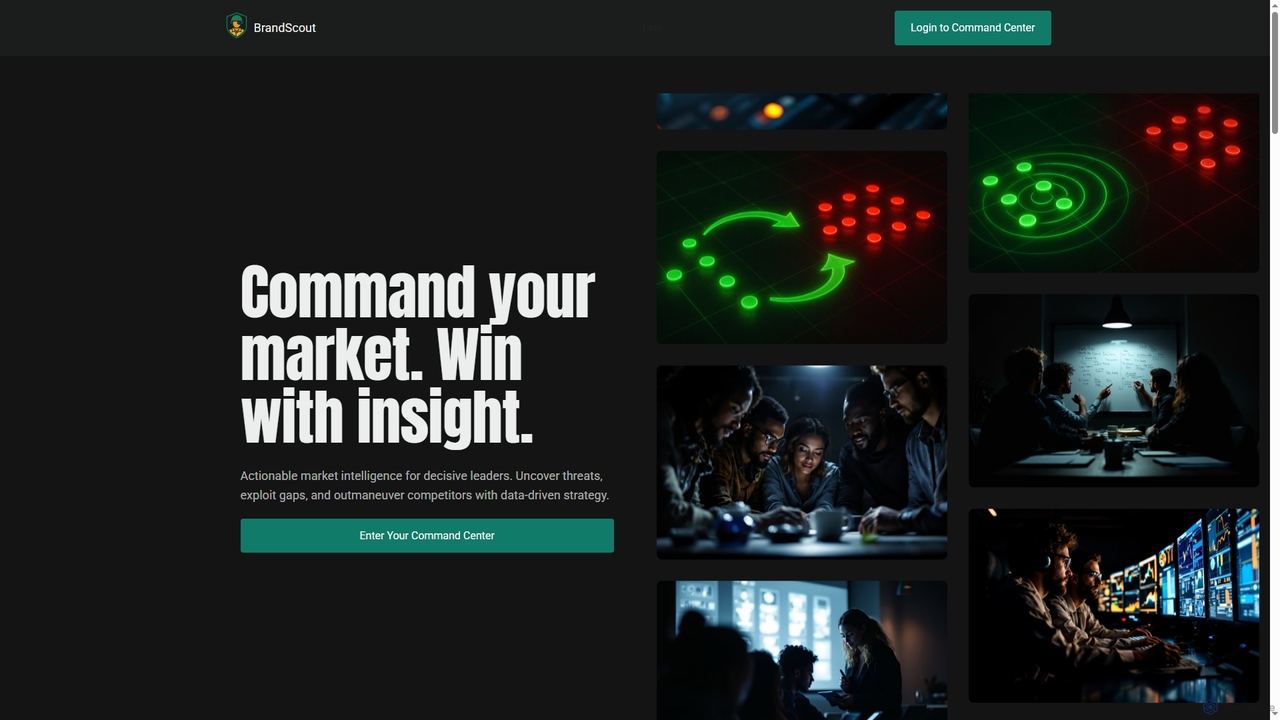
BrandScout is an AI-powered competitive and market intelligence platform designed to help businesses outsmart rivals, outmaneuver challenges, and …

3.0K

About Business Planning

AI-powered Business Planning tools are designed to streamline and enhance the creation, analysis, and refinement of business plans. Leveraging advanced algorithms, natural language processing, and data analytics, these tools automate complex research, financial modeling, and content generation tasks. They empower entrepreneurs, startups, and established businesses to develop robust, data-driven strategies and actionable plans more efficiently, translating high-level strategic visions into concrete, executable roadmaps.

Core Features

  • Automated Market Research: Gathers and analyzes market data, identifies trends, and assesses competitive landscapes.
  • Financial Modeling & Forecasting: Generates detailed financial projections, cash flow statements, and scenario analyses.
  • Business Model Canvas Generation: Helps structure and visualize key components of a business model, including value propositions and revenue streams.
  • Content Drafting & Editing: Assists in writing executive summaries, company descriptions, and other plan sections, ensuring consistency and clarity.
  • SWOT Analysis & Strategic Insights: Identifies strengths, weaknesses, opportunities, and threats, providing data-backed recommendations.

Applicable Scenarios

These tools are invaluable for startup founders seeking to secure funding by presenting comprehensive plans, for existing businesses exploring new market entries or product launches, and for consultants developing detailed proposals for clients. They significantly reduce the time and effort traditionally required for extensive research and documentation.

How to Choose

When selecting an AI business planning tool, consider its feature comprehensiveness (e.g., full plan generation vs. specific modules), data integration capabilities with existing financial or market data sources, the level of customization offered for different business models, and its ease of use. Evaluate the quality of its analytical insights and reporting features to ensure it meets your strategic decision-making needs.

Business PlanningUse Cases

1

Streamlining Startup Pitch Deck Creation

Startup founders can utilize AI business planning tools to rapidly generate professional and data-backed pitch decks. By inputting core business ideas, target markets, and preliminary financial data, the AI assists in structuring the narrative, creating compelling visuals, and populating slides with market analysis and financial projections, significantly reducing the time from concept to investor presentation.

2

Analyzing New Market Entry Opportunities

For established businesses considering expansion, AI tools can perform extensive market research, identifying potential new markets, assessing their viability, and analyzing competitive landscapes. This allows strategic planners to quickly evaluate risks and opportunities, forecast potential returns, and develop a data-driven entry strategy without extensive manual data collection.

3

Automating Financial Projections and Scenario Planning

Small business owners and financial analysts can leverage AI to automate complex financial modeling. These tools generate accurate revenue forecasts, expense budgets, and cash flow statements based on historical data and user inputs. They also enable scenario planning, allowing users to test different assumptions (e.g., sales growth, cost changes) and understand their potential impact on profitability and sustainability.

4

Developing Comprehensive Competitive Intelligence Reports

Marketing and strategy teams can use AI business planning tools to conduct in-depth competitive analysis. The AI gathers information on competitors' products, pricing, marketing strategies, and market share, then synthesizes this data into actionable reports. This helps businesses identify competitive advantages, uncover market gaps, and refine their own strategic positioning.

5

Crafting Detailed Grant and Loan Proposals

Non-profit organizations, researchers, and small businesses seeking grants or loans can use these tools to draft comprehensive proposals. The AI assists in articulating project goals, methodologies, budget justifications, and expected outcomes, ensuring all required sections are covered with clear, concise, and persuasive language, increasing the likelihood of funding approval.

6

Visualizing and Refining Business Models with AI

Entrepreneurs and product managers can employ AI tools to develop and refine their business models, often using frameworks like the Business Model Canvas. The AI guides users through defining value propositions, customer segments, revenue streams, and key resources, providing insights and suggestions to optimize the model for scalability and profitability, ensuring a holistic view of the enterprise.

Business PlanningFrequently Asked Questions