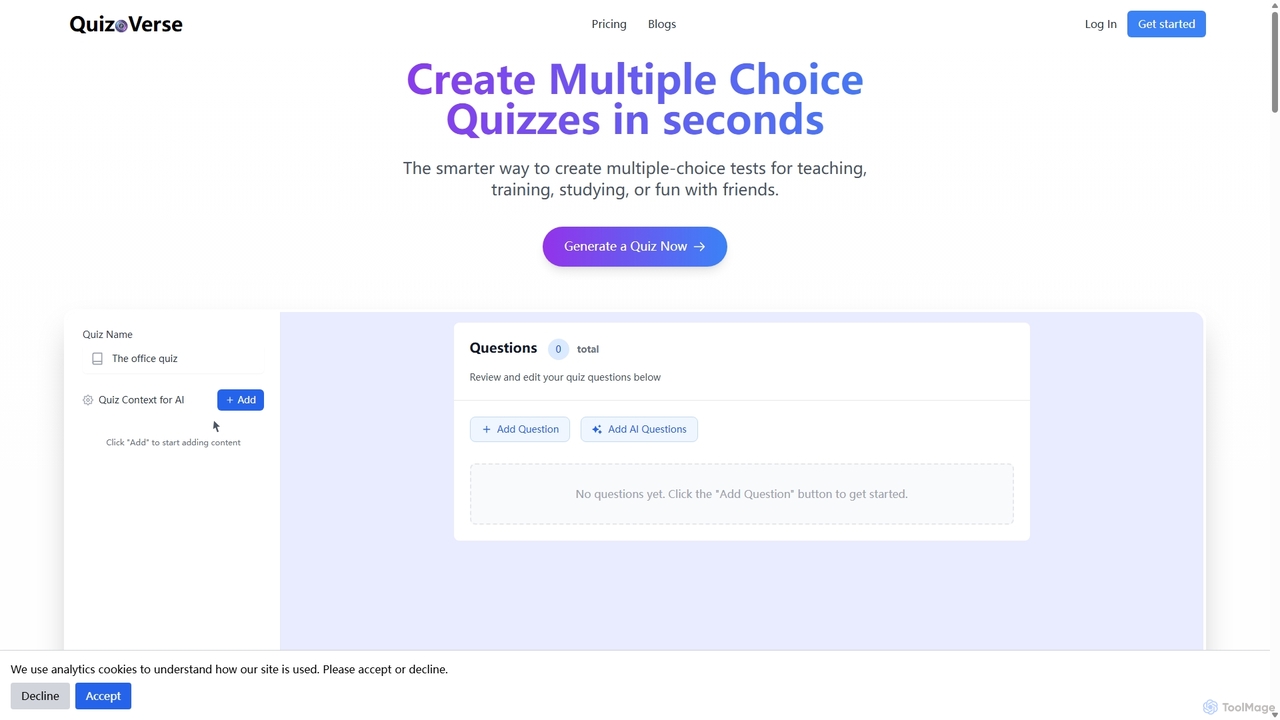
QuizCanvasAI
QuizCanvasAI is an AI-powered quiz maker that instantly generates high-quality multiple-choice questions from your content. Designed for teachers, …
QuizCanvasAI is an AI-powered quiz maker that instantly generates high-quality multiple-choice questions from your content. Designed for teachers, trainers, and students, it saves hours of manual work, offers live and self-paced quiz modes, provides detailed analytics, and supports advanced features like multiple correct answers. Streamline your assessment creation process and create engaging learning experiences in minutes.

Aidemia
Aidemia is an AI-powered platform for teachers, generating unique lesson plans, activities, and teaching materials. It leverages over …
Aidemia is an AI-powered platform for teachers, generating unique lesson plans, activities, and teaching materials. It leverages over 30 AI engines through simple forms, eliminating the need for complex prompts. It personalizes content to local standards and teaching styles, saving educators time and boosting creativity.
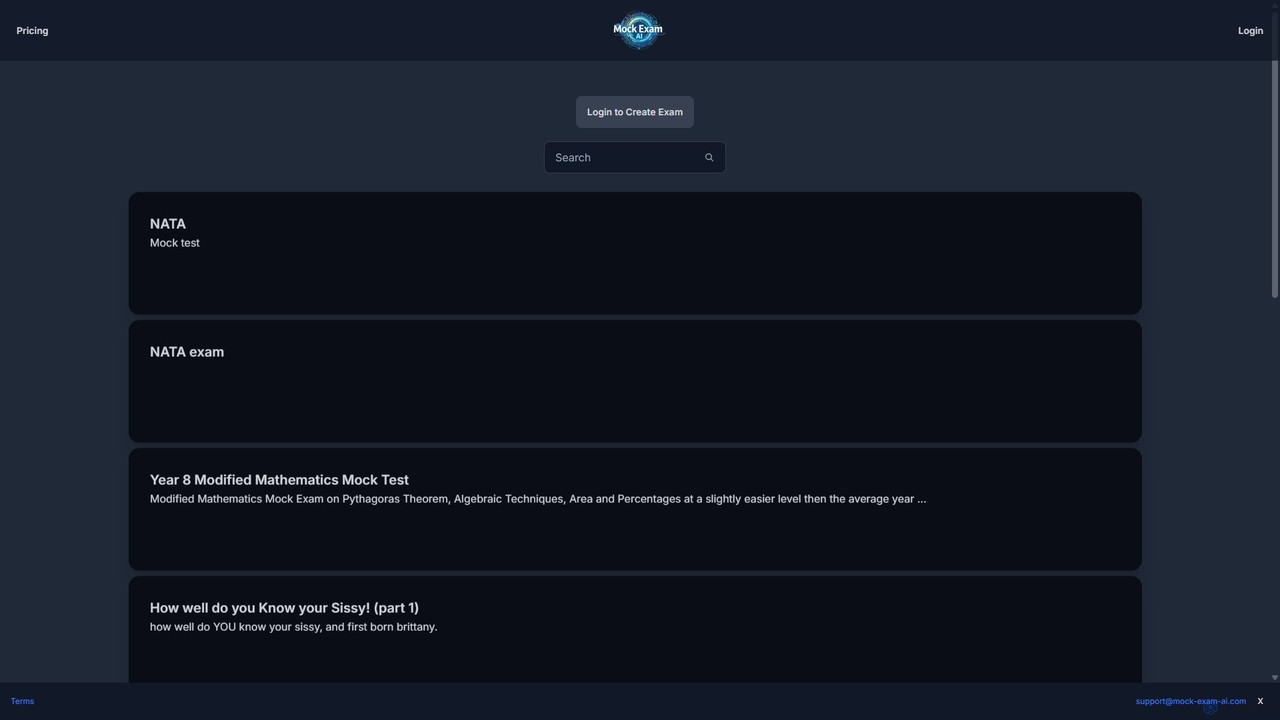
Mock Exam AI
Mock Exam AI is an intelligent tool that automatically generates mock exams, quizzes, and tests from your study …
Mock Exam AI is an intelligent tool that automatically generates mock exams, quizzes, and tests from your study materials. Simply upload a document or provide a topic, and the AI creates relevant questions, saving valuable time for students, teachers, and professionals preparing for assessments.
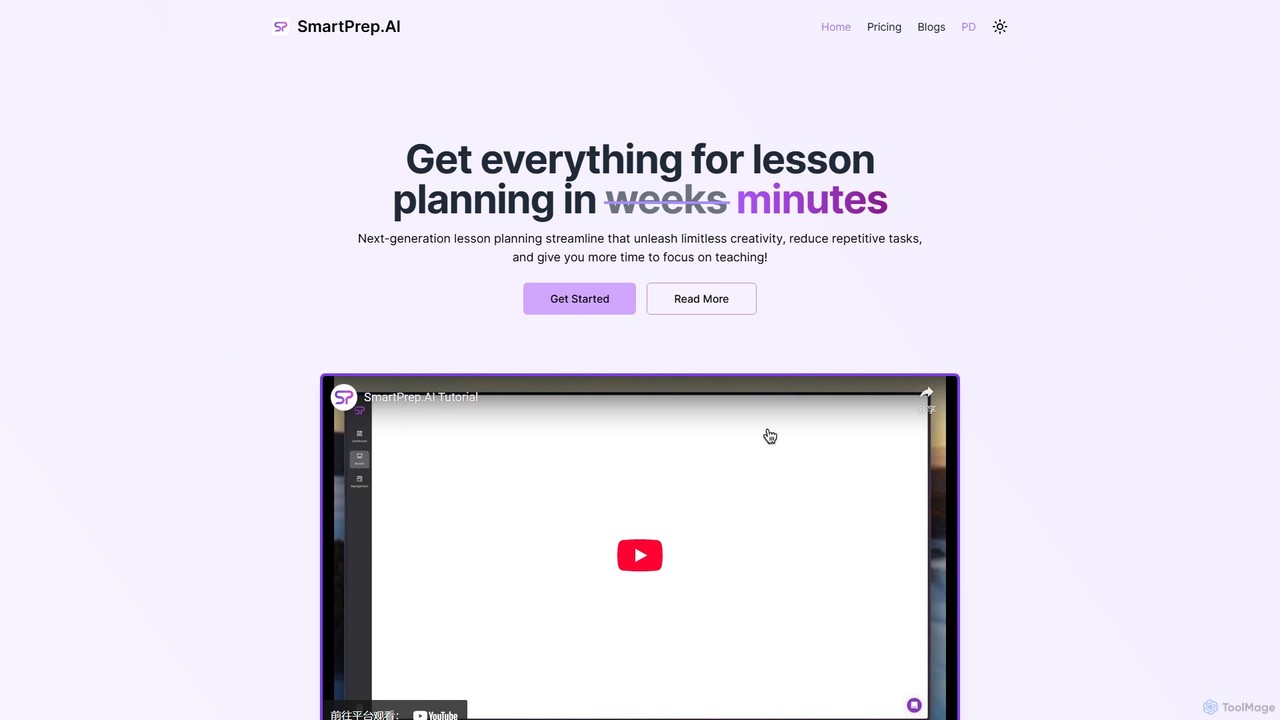
SmartPrep
SmartPrep is an AI-powered lesson plan generator designed for educators. It streamlines the planning process by instantly creating …
SmartPrep is an AI-powered lesson plan generator designed for educators. It streamlines the planning process by instantly creating comprehensive lesson bundles, including activities, web resources, and customizable assessments. This tool helps teachers save time, reduce repetitive tasks, and focus more on delivering engaging instruction.
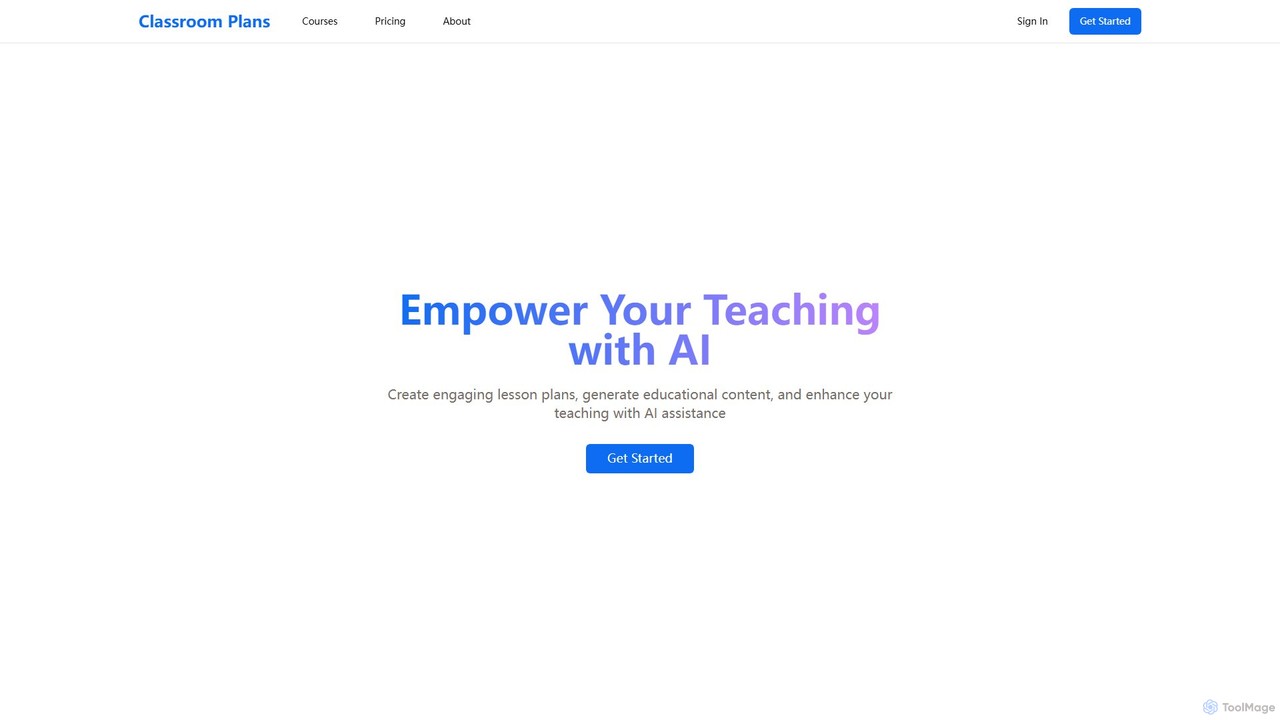
ClassroomPlans
ClassroomPlans is an AI-powered platform designed for educators to streamline their workflow. It helps teachers create detailed lesson …
ClassroomPlans is an AI-powered platform designed for educators to streamline their workflow. It helps teachers create detailed lesson plans, custom quizzes, comprehensive study guides, and engaging activity worksheets, saving valuable time and enhancing the teaching experience across multiple subjects.
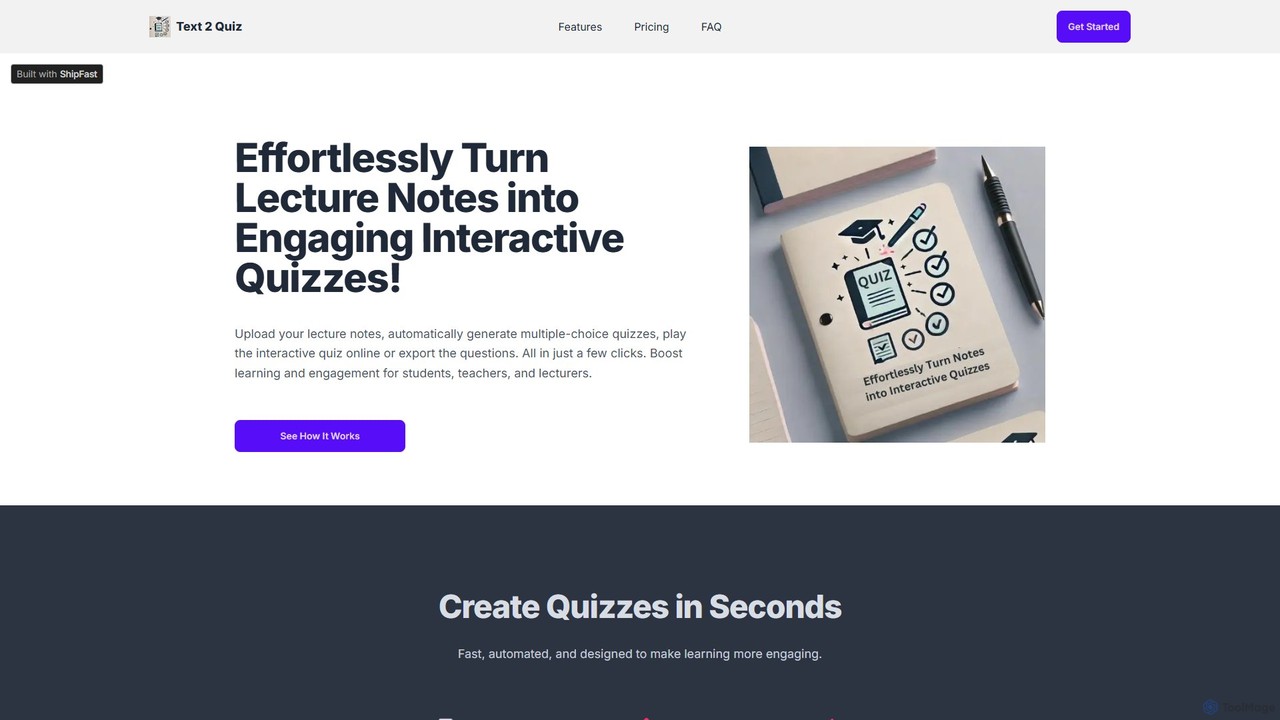
Text 2 Quiz
Text 2 Quiz is an AI-powered tool that transforms lecture notes, PDFs, and PowerPoint presentations into interactive multiple-choice …
Text 2 Quiz is an AI-powered tool that transforms lecture notes, PDFs, and PowerPoint presentations into interactive multiple-choice quizzes. Designed for students, teachers, and lecturers, it automates question creation, supports Bloom's Taxonomy for varied cognitive levels, and allows for easy sharing and exporting of quizzes to enhance learning and engagement.
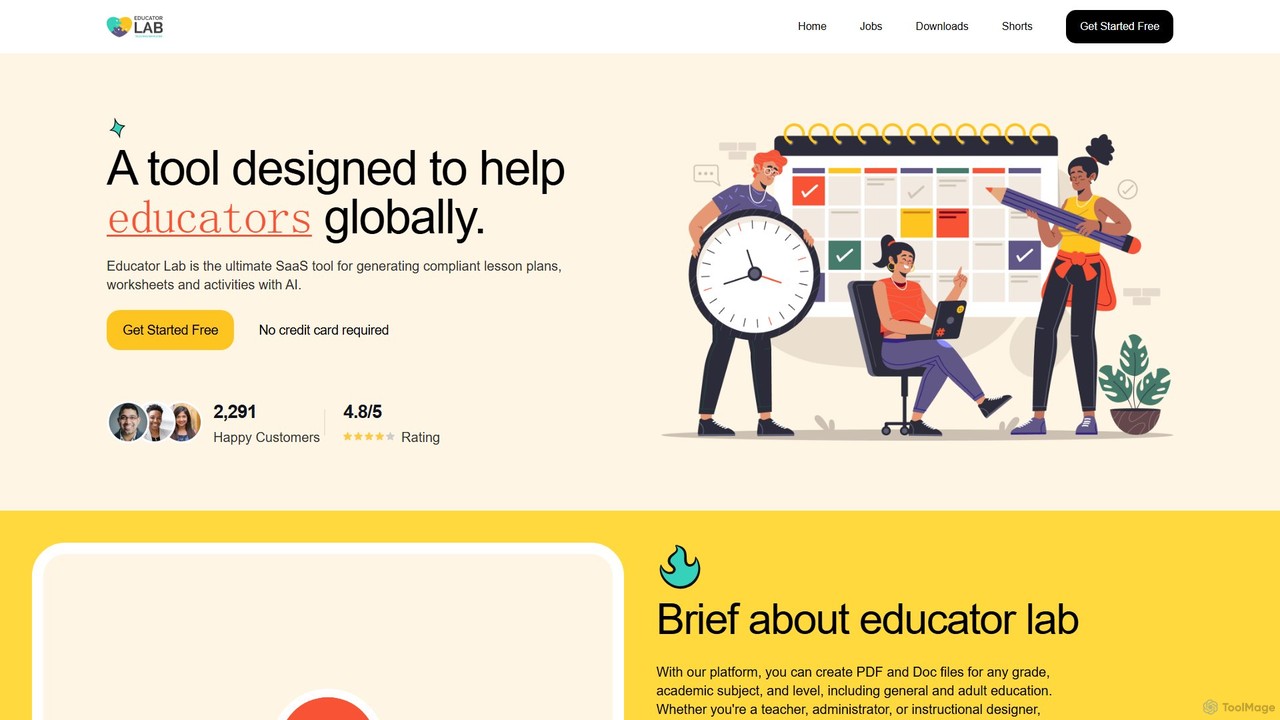
Educator Lab
Educator Lab is an AI-powered SaaS platform designed for educators to effortlessly generate compliant lesson plans, worksheets, activities, …
Educator Lab is an AI-powered SaaS platform designed for educators to effortlessly generate compliant lesson plans, worksheets, activities, and assessments. It streamlines the content creation process, saving valuable time and reducing stress for teachers, administrators, and instructional designers across all grade levels and subjects.

quizmixer
quizmixer is an AI-powered quiz generator that transforms any content—such as text, PDFs, or YouTube videos—into engaging quizzes …
quizmixer is an AI-powered quiz generator that transforms any content—such as text, PDFs, or YouTube videos—into engaging quizzes and assessments. Ideal for educators, students, and corporate trainers, it automates the creation of diverse question types, saving significant time and effort while enhancing learning and engagement.
About Teaching
Teaching AI tools are AI-powered solutions designed to enhance and transform educational processes for both educators and learners. These tools leverage advanced algorithms and machine learning to offer personalized learning experiences, automate administrative tasks, and generate dynamic educational content. They aim to improve student engagement, optimize teaching efficiency, and provide data-driven insights into learning progress, making education more accessible and effective.
Core Features
- Personalized Learning Paths: Adapts content and pace to individual student needs and learning styles.
- Automated Assessment & Feedback: Grades assignments and provides instant, constructive feedback to students.
- AI-powered Content Generation: Creates lesson plans, quizzes, and learning materials based on specific topics and curricula.
- Interactive Learning Simulations: Develops engaging virtual environments and adaptive exercises for hands-on learning.
- Intelligent Tutoring Systems: Offers 24/7 personalized academic support and guidance to students.
Use Cases
These tools are invaluable for educators seeking to differentiate instruction, students needing tailored support, and institutions aiming to streamline operations. They facilitate remote learning, support diverse learning abilities, and empower teachers to focus more on pedagogical innovation rather than repetitive tasks, fostering a more dynamic and responsive educational environment.
How to Choose
When selecting Teaching AI tools, consider the specific learning objectives and curriculum integration capabilities. Evaluate the level of personalization offered, the accuracy of automated assessment, and the ease of content creation. Data privacy, security protocols, and compatibility with existing learning management systems (LMS) are also crucial factors to ensure a seamless and ethical implementation.
TeachingUse Cases
Designing Personalized Learning Paths for Students
Educators use AI tools to analyze student performance data, learning styles, and progress. The AI then recommends tailored resources, exercises, and learning sequences, ensuring each student receives an optimized educational journey that adapts to their individual pace and needs, improving comprehension and retention.
Automating Assignment Grading and Providing Instant Feedback
Teachers leverage AI to automatically grade essays, quizzes, and coding assignments, saving significant time. The tools provide immediate, constructive feedback to students on their submissions, highlighting areas for improvement and suggesting relevant learning materials, which accelerates the learning cycle and reduces teacher workload.
AI-Powered Lesson Plan Generation
Content creators and teachers utilize AI to quickly generate comprehensive lesson plans, including objectives, activities, and assessment ideas, based on curriculum standards and specific topics. This allows educators to focus more on teaching and less on administrative preparation, ensuring high-quality, relevant content for every class.
Creating Interactive Quizzes and Simulations
Instructional designers and educators employ AI to develop engaging, interactive learning modules, such as adaptive quizzes, virtual labs, and educational games. These tools enhance student engagement by offering dynamic learning experiences that respond to user input, making complex subjects more accessible and enjoyable.
Providing 24/7 Intelligent Tutoring Support
Students benefit from AI-powered tutors that offer round-the-clock assistance, answering questions, explaining concepts, and guiding them through problem-solving. This personalized support supplements classroom instruction, helps students overcome learning obstacles at their own pace, and ensures continuous access to academic help.
Analyzing Student Performance Data for Strategic Insights
School administrators and educators use AI to analyze large datasets of student performance, attendance, and engagement. The AI identifies trends, predicts potential learning difficulties, and highlights effective teaching strategies, enabling data-driven decisions to improve curriculum design, allocate resources, and support at-risk students proactively.