ZenMic
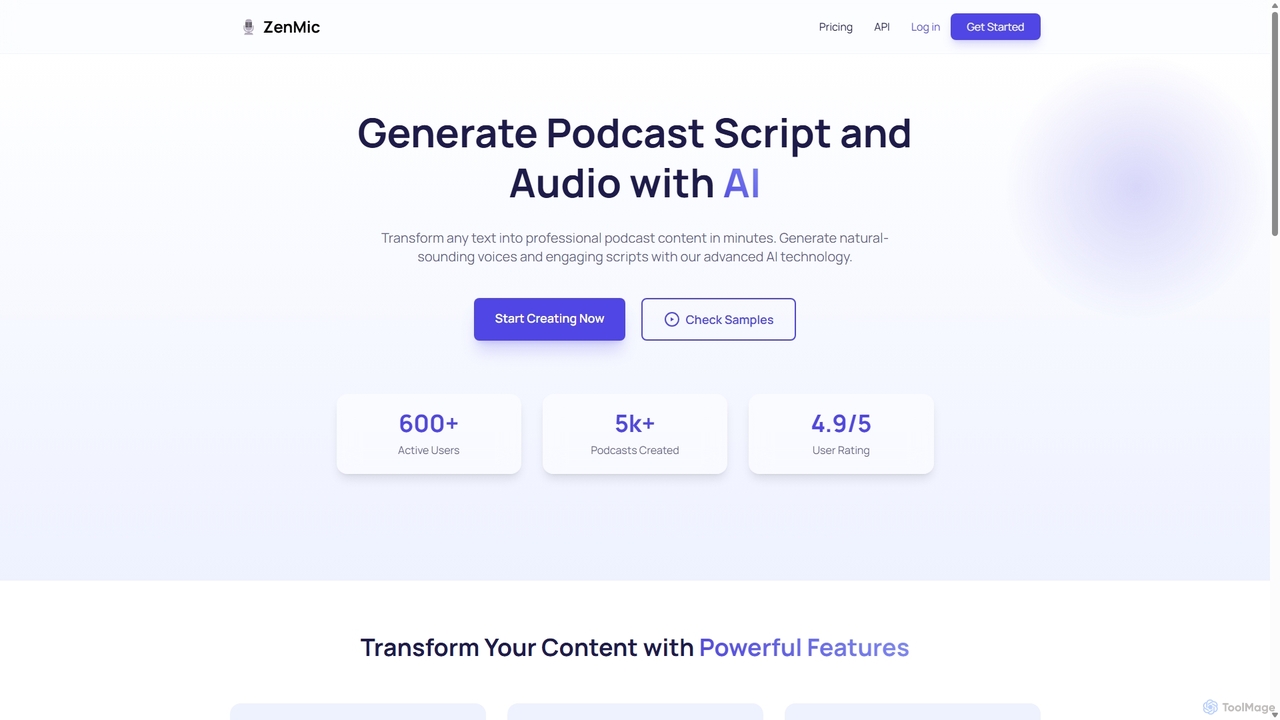
ZenMic is an AI-powered podcast generator that transforms any text into professional-quality podcast episodes in minutes. It automates …
ZenMic is an AI-powered podcast generator that transforms any text into professional-quality podcast episodes in minutes. It automates the entire process, from generating engaging scripts based on your topic or content to producing natural-sounding audio with advanced AI voices. Ideal for content creators, marketers, and educators looking to repurpose written material into audio format effortlessly, ZenMic simplifies podcast production, making it accessible to everyone without needing technical skills or recording equipment.
AIdeaFlow AI Podcast Generator
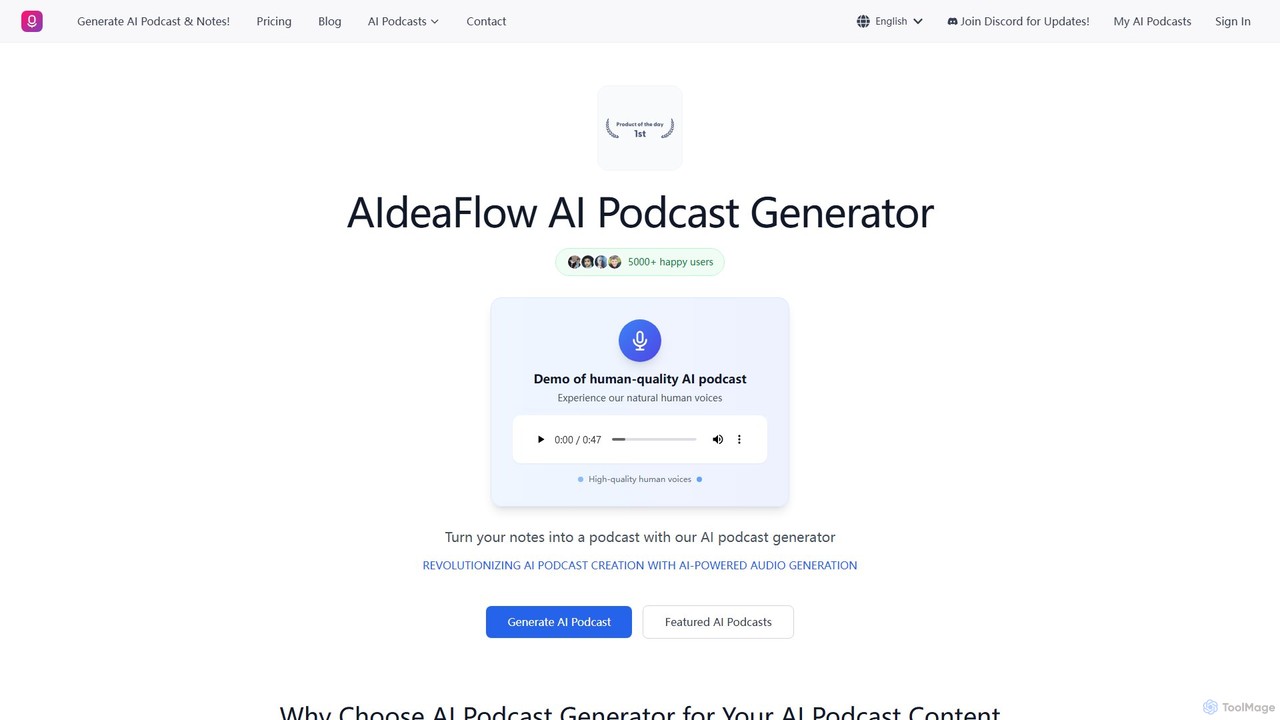
An advanced AI tool that transforms any text into engaging, multi-speaker dialogue podcasts. It features over 120 natural-sounding …
An advanced AI tool that transforms any text into engaging, multi-speaker dialogue podcasts. It features over 120 natural-sounding voices, supports 50+ languages, and offers deep customization. Ideal for content creators, educators, and marketers to effortlessly produce high-quality audio content.
aiclonevoicefree
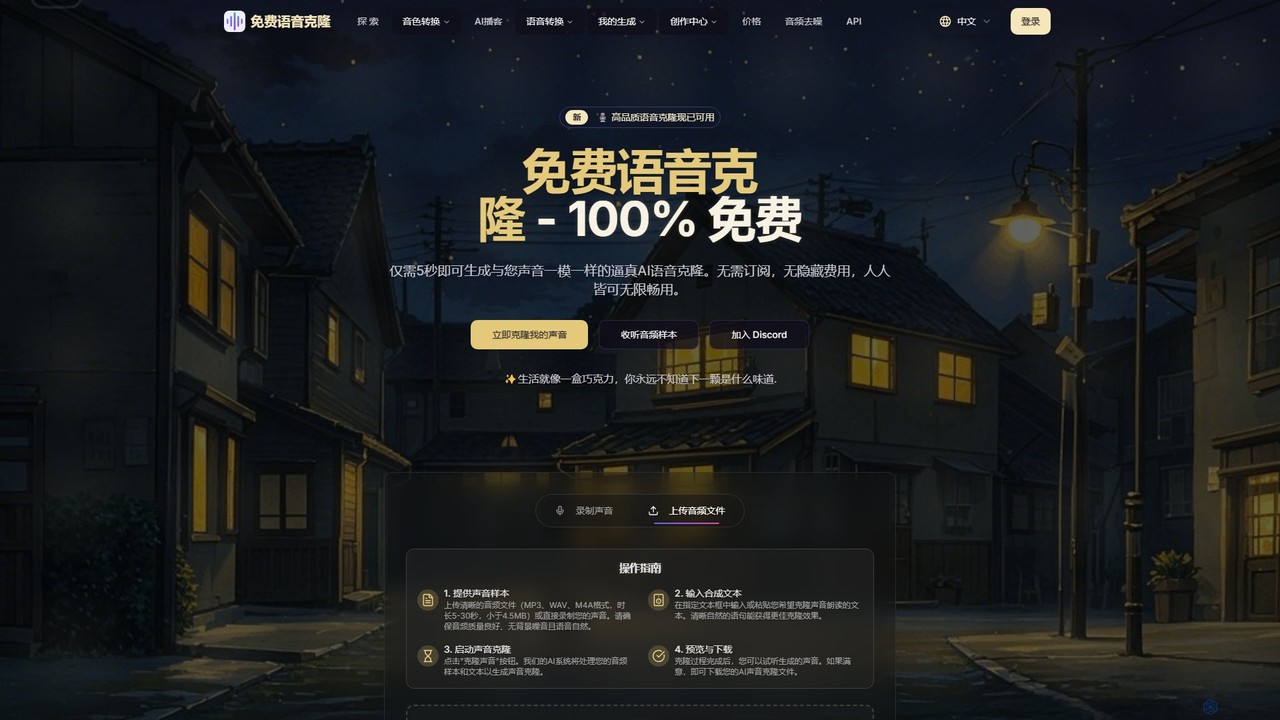
aiclonevoicefree is a freemium AI voice cloning tool that generates realistic voice replicas from short audio samples (5-30 …
aiclonevoicefree is a freemium AI voice cloning tool that generates realistic voice replicas from short audio samples (5-30 seconds). It offers high-quality text-to-speech (TTS) synthesis, supports cross-language cloning, and provides a library of pre-made character voices. No registration is required for the free version, making advanced voice technology accessible to everyone for personal projects and content creation.
About Voice Synthesis
Voice Synthesis is a category of advanced AI tools that generate highly realistic and expressive human-like speech from written text. As a specialized form of Text To Speech, these tools leverage deep learning models to not only convert text into audio but also to imbue the output with specific tones, emotions, and unique speaker identities. This technology enables the creation of custom voices, voice cloning, and nuanced vocal performances, making digital content more engaging and accessible across various platforms.
Core Features
- Emotional Expression: Generates speech with a wide range of human emotions, such as joy, sadness, anger, and excitement.
- Voice Cloning & Customization: Replicates existing voices or creates entirely new, unique synthetic voices based on minimal audio samples.
- Multi-language & Accent Support: Offers a broad selection of languages and regional accents, ensuring global reach and authenticity.
- Fine-grained Control: Allows users to adjust pitch, speed, volume, pauses, and pronunciation for precise vocal delivery.
- Speaker Identity Management: Supports generating speech from multiple distinct synthetic speakers within a single audio track.
Use Cases
Voice Synthesis tools are invaluable for content creators, marketers, and developers. They are used to produce professional voiceovers for videos, podcasts, and audiobooks, ensuring consistent narration and character voices. Businesses leverage them for creating unique brand voices for virtual assistants and customer service bots, enhancing user experience and brand recognition.
How to Choose
When selecting a Voice Synthesis tool, consider the naturalness and emotional range of the generated voices, the breadth of language and accent support, and the availability of voice cloning or customization features. Evaluate the ease of integration with existing workflows via APIs, the pricing model based on usage, and the quality of customer support for technical assistance.

Voice SynthesisUse Cases
Creating Immersive Audiobooks & Podcasts
Audiobook publishers and podcasters utilize voice synthesis tools to generate narration and distinct character voices for their productions. By inputting scripts, they can produce high-quality audio content with consistent vocal styles, emotional depth, and even replicate specific voice actors, significantly reducing production time and costs compared to traditional recording studios.
Developing Branded Virtual Assistants
Companies employ voice synthesis to create unique and recognizable brand voices for their AI-powered virtual assistants, chatbots, and interactive voice response (IVR) systems. This ensures a consistent and personalized customer experience, reinforcing brand identity and making interactions feel more natural and engaging for users.
Producing Dynamic Video Voiceovers & Dubbing
Video content creators, marketers, and e-learning developers use voice synthesis for generating professional voiceovers for explainer videos, advertisements, and online courses. These tools facilitate rapid iteration of scripts, easy localization into multiple languages with native-sounding voices, and the ability to maintain a consistent narrator voice across extensive video libraries.
Enhancing Accessibility for Visually Impaired
Voice synthesis technology plays a crucial role in creating accessible content for individuals with visual impairments or reading difficulties. It powers advanced screen readers and text-to-speech applications that convert digital text (web pages, documents, e-books) into clear, natural-sounding spoken audio, enabling greater access to information and education.
Crafting Realistic Game Character Dialogues
Game developers leverage voice synthesis to generate vast amounts of dialogue for non-player characters (NPCs) and even main characters, especially during early development or for localized versions. This allows for rapid prototyping of character voices, experimenting with different emotional deliveries, and efficiently producing dialogue in multiple languages without hiring numerous voice actors.
Automating Personalized Marketing Messages
Marketing teams use voice synthesis to create personalized audio messages for targeted campaigns, such as customized voicemail greetings, promotional audio ads, or dynamic voice notifications. By integrating with CRM systems, they can generate unique audio content for individual customers, enhancing engagement and perceived personalization at scale.