Imagine Stories
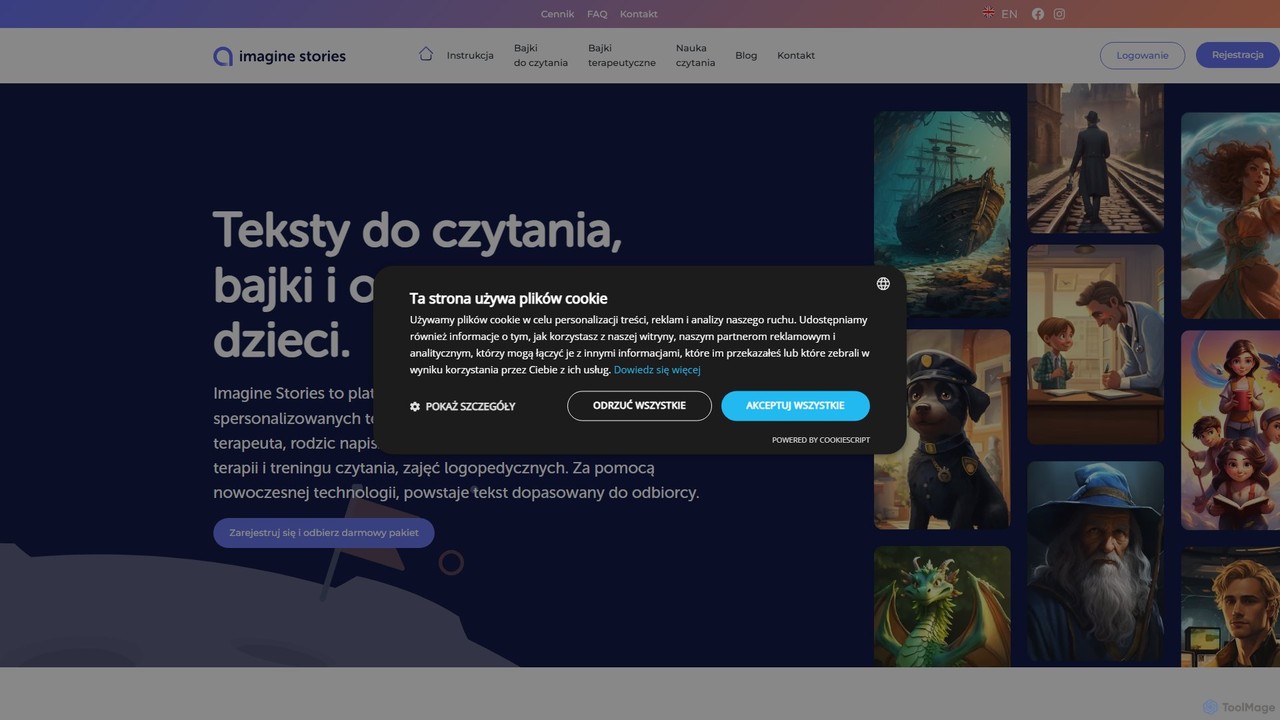
Imagine Stories is an AI-powered platform for creating personalized fairy tales and stories for children aged 3-16. Designed …
Imagine Stories is an AI-powered platform for creating personalized fairy tales and stories for children aged 3-16. Designed for parents, teachers, and therapists, it generates unique, illustrated stories tailored to a child's interests and needs, including therapeutic content for emotional development, speech therapy, and dyslexia support.
About Therapy
AI Therapy tools are applications that leverage conversational AI to provide accessible mental and emotional support. These tools utilize Natural Language Processing (NLP) to understand user inputs and offer empathetic responses, guided exercises, and coping strategies based on established principles like Cognitive Behavioral Therapy (CBT). They provide a private, on-demand space for users to articulate feelings, track mood patterns, and learn self-help techniques. This makes them a valuable first step for individuals exploring mental wellness or a supplementary resource alongside professional therapy.
Core Features
- Conversational Support: Engage in confidential, non-judgmental conversations with an AI chatbot trained on therapeutic principles.
- Guided Exercises: Access a library of interactive modules for mindfulness, meditation, breathing techniques, and CBT practices.
- Mood and Thought Tracking: Utilize journaling tools to log daily emotions and thoughts, helping to identify patterns and triggers over time.
- Personalized Coping Strategies: Receive AI-driven suggestions and techniques tailored to your stated feelings and challenges.
- Educational Content: Learn about mental health concepts, emotional regulation, and resilience through curated articles and lessons.
Use Cases
These tools are particularly useful for individuals experiencing mild to moderate stress, anxiety, or low moods. They are also beneficial for anyone seeking to build emotional resilience, improve self-awareness, or establish healthy mental habits like journaling. In a professional context, they can serve as a confidential wellness resource for employees within corporate wellness programs.
How to Choose
When selecting an AI Therapy tool, consider the therapeutic approach it is based on (e.g., CBT, DBT, mindfulness). Prioritize applications with a transparent and robust data privacy policy to ensure your information is secure. Evaluate the user interface for ease of use and a calming design. Crucially, check if the tool has a clear crisis support protocol that directs users to professional help in emergencies.
TherapyUse Cases
Managing Daily Stress and Anxiety
A student feeling overwhelmed by academic deadlines and social pressures uses an AI therapy app for a daily 10-minute check-in. They articulate their anxieties to the chatbot, which responds with validating statements and reflective questions. The AI then suggests a guided breathing exercise from its library. This practice helps the student lower their immediate stress levels, providing a moment of calm and a simple, repeatable coping mechanism to use before exams or in other high-pressure situations.
Practicing Cognitive Behavioral Therapy (CBT) Skills
An individual learning to manage negative thought patterns uses an AI tool's structured CBT module. When they experience a moment of self-doubt, they open the app and log the thought, such as 'I will fail this presentation.' The AI guides them to identify the cognitive distortion (e.g., catastrophizing) and then helps them formulate a more balanced, evidence-based alternative thought. Regular use helps them internalize this skill, reducing the frequency and intensity of negative self-talk over time.
Building a Consistent Journaling Habit
A user wants to improve self-awareness but struggles with the blank page of a traditional journal. They use an AI therapy app that provides daily guided journaling prompts. Each morning, the AI asks a reflective question like, 'What is one thing you're looking forward to today?' or 'Describe a small success from yesterday.' This structured approach removes the barrier to entry, helping the user build a consistent daily habit. Over weeks, they can review their entries and identify recurring themes or mood shifts, gaining valuable insights into their emotional landscape.
Developing Mindfulness and Meditation Skills
A person new to mindfulness wants to reduce mental clutter but finds unguided meditation difficult. They use an AI therapy tool's library of guided meditations, selecting a 5-minute session focused on 'letting go of thoughts.' The AI provides gentle audio guidance, helping them focus on their breath and acknowledge thoughts without judgment. The app tracks their session consistency, motivating them to practice regularly. This structured introduction makes mindfulness accessible, helping them develop the skill to stay present and reduce feelings of being overwhelmed.
Navigating Interpersonal Relationship Challenges
Someone facing a communication issue with a partner uses an AI chatbot to explore their feelings in a safe space. They describe the recent conflict, and the AI uses reflective listening techniques, paraphrasing their concerns to ensure understanding. It then asks open-ended questions like, 'What outcome would you hope for from this conversation?' This process helps the user clarify their own needs and feelings before having a real-life conversation, allowing them to approach the discussion with greater clarity and less emotional reactivity.
Supplementing Professional Therapy Sessions
A patient in weekly therapy uses an AI tool to support their progress between sessions. After a session where they discussed anxiety triggers, they use the app to log instances of anxiety as they occur in real-time. They also complete CBT exercises assigned by their human therapist using the app's modules. When they return for their next appointment, they have a detailed, organized record of their experiences, allowing them to have a more focused and productive conversation with their therapist, ultimately accelerating their therapeutic journey.