Transportation Best in category 1 results Logistics AI Tool

Popular AI tools in the Logistics field of Transportation include Netradyne, etc., helping you quickly improve efficiency.

Netradyne

Netradyne

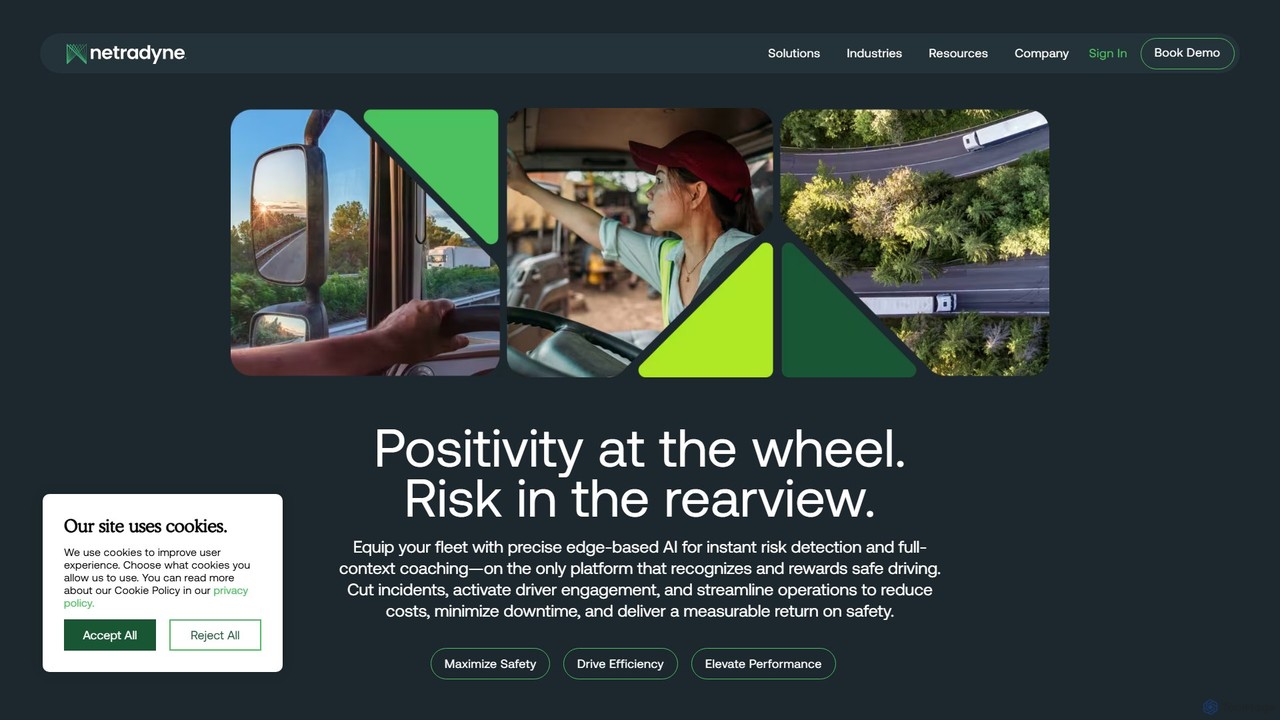
Netradyne is an AI-powered fleet safety and management platform featuring the Driver•i camera system. It analyzes 100% of …

490.5K

About Logistics

Logistics AI tools are specialized AI-powered solutions designed to optimize and automate various aspects of the supply chain. These tools leverage machine learning, data analytics, and automation to enhance efficiency, visibility, and decision-making across transportation, warehousing, and inventory management. They provide real-time insights and predictive capabilities, transforming traditional logistics operations into intelligent, responsive systems.

Core Features

  • Route Optimization: AI algorithms calculate the most efficient delivery routes, considering factors like traffic, weather, and delivery windows to minimize costs and time.
  • Demand Forecasting: Predicts future product demand with high accuracy, enabling optimized inventory levels, reduced stockouts, and minimized overstocking.
  • Warehouse Automation: Utilizes AI-driven robots and systems for automated inventory management, picking, packing, and sorting processes within distribution centers.
  • Fleet Management: Monitors vehicle performance, fuel consumption, and driver behavior in real-time, facilitating better resource allocation and predictive maintenance.
  • Supply Chain Visibility: Offers end-to-end tracking of goods from origin to destination, providing real-time status updates and enhancing transparency across the entire supply chain.

Applicable Scenarios

Logistics AI tools are crucial for e-commerce companies managing high volumes of daily deliveries, manufacturing firms optimizing raw material procurement and finished goods distribution, and third-party logistics (3PL) providers aiming to enhance service efficiency and reduce operational costs. They are also vital for businesses seeking to improve their supply chain resilience and responsiveness.

How to Choose

When selecting Logistics AI tools, consider their integration capabilities with existing ERP, WMS, or TMS systems to ensure seamless data flow. Evaluate scalability to handle growing operational volumes and expanding networks. Assess the specific features offered, such as advanced route optimization or predictive analytics, to match your unique business needs. Finally, prioritize solutions with robust data security measures to protect sensitive supply chain information.

LogisticsUse Cases

1

Optimizing Last-Mile Delivery Routes

For e-commerce logistics managers, AI tools analyze real-time traffic, weather, and delivery schedules to generate the most efficient last-mile routes. This reduces fuel consumption, shortens delivery times, and improves customer satisfaction by ensuring timely arrivals, potentially cutting operational costs by 15-20%.

2

Predictive Inventory Management

Retailers leverage AI to forecast product demand based on historical sales, seasonal trends, and external factors. The system automatically suggests optimal reorder points and quantities, minimizing stockouts during peak seasons and reducing excess inventory, leading to a 10-15% reduction in carrying costs.

3

Automated Warehouse Operations

Large distribution centers deploy AI-powered robots and automated guided vehicles (AGVs) for tasks like picking, packing, and sorting. AI algorithms optimize robot paths and task assignments, significantly increasing throughput and accuracy while reducing manual labor costs by up to 30%.

4

Real-time Fleet Performance Monitoring

Logistics companies use AI-driven telematics systems to monitor their fleet's location, speed, fuel efficiency, and driver behavior in real-time. This enables proactive maintenance scheduling, identifies inefficient driving patterns, and ensures compliance, improving fleet utilization by 10% and reducing breakdowns.

5

Supply Chain Risk Prediction

Manufacturers and global distributors utilize AI to analyze vast datasets, including geopolitical events, weather patterns, and supplier performance, to predict potential supply chain disruptions. The system alerts managers to risks like port delays or material shortages, suggesting alternative sourcing or routing strategies to maintain continuity.

6

Dynamic Pricing for Shipping Services

Freight forwarders and shipping companies employ AI to dynamically adjust shipping rates based on current market demand, available capacity, fuel prices, and route efficiency. This allows them to offer competitive, real-time quotes, maximize revenue per shipment, and optimize load consolidation, increasing profitability by 5-10%.

LogisticsFrequently Asked Questions