aircmp
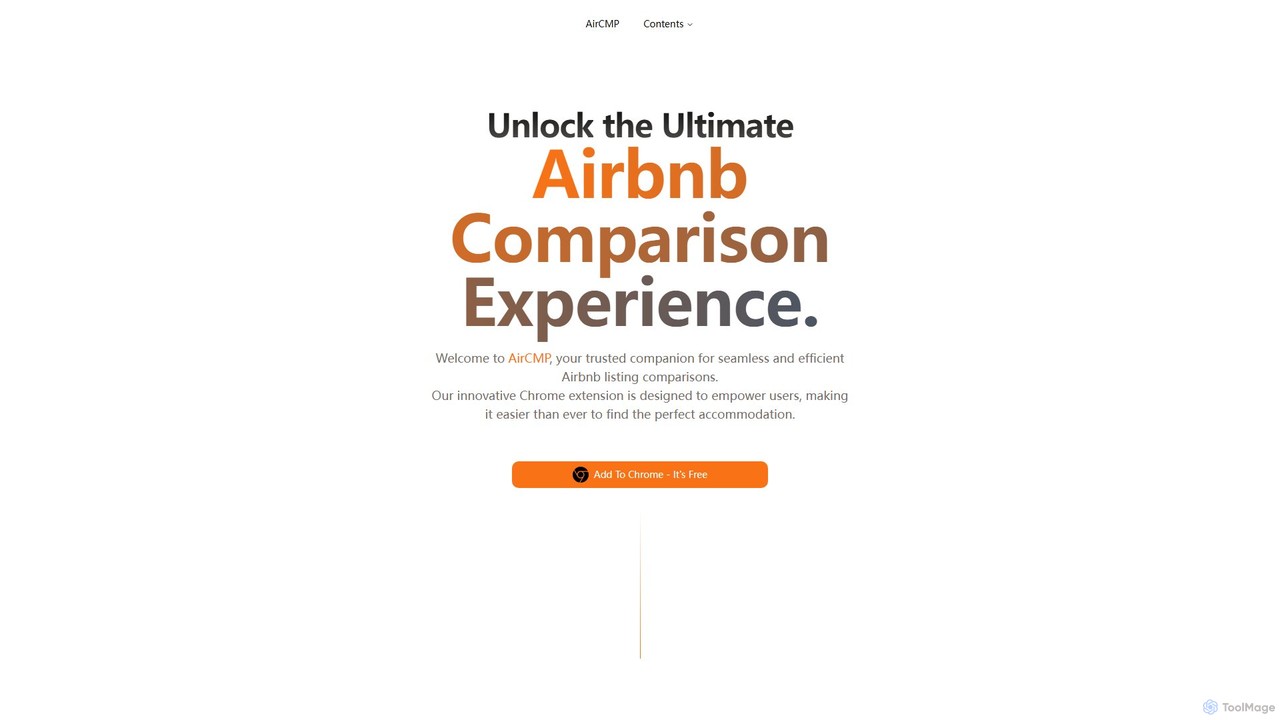
AirCMP is an AI-powered Chrome extension that simplifies finding the perfect Airbnb. It allows users to compare multiple …
AirCMP is an AI-powered Chrome extension that simplifies finding the perfect Airbnb. It allows users to compare multiple listings side-by-side, get smart recommendations, and analyze guest reviews to make informed booking decisions efficiently.
About Travel
AI Travel tools are a class of applications that leverage artificial intelligence to streamline and personalize every stage of a journey. These tools utilize machine learning, predictive analytics, and natural language processing to analyze vast amounts of data, including flight prices, hotel availability, and user preferences. Their primary value lies in automating complex tasks like itinerary creation, finding the best deals, and providing real-time travel assistance, making travel more efficient and tailored to individual needs.
Core Features
- Personalized Itinerary Planning: Generates custom travel plans based on interests, budget, and time constraints.
- Predictive Price Analysis: Forecasts flight and hotel price fluctuations to recommend the best booking times.
- Real-time Travel Assistance: Offers on-the-go support, such as translation, navigation, and local recommendations.
- Automated Trip Management: Consolidates bookings, sends alerts for delays, and organizes travel documents.
Use Cases
These tools are ideal for individual travelers seeking personalized trips, business travelers needing efficient logistics management, and travel agencies looking to automate booking processes. They are also valuable for budget-conscious users aiming to find the best possible deals through predictive analytics.
How to Choose
When selecting an AI travel tool, consider the scope of its services (planning, booking, in-trip assistance), the accuracy of its data sources for flights and hotels, the level of personalization it offers, and its integration capabilities with other travel platforms or calendars.
TravelUse Cases
Automated Itinerary Creation for a Family Vacation
A busy parent planning a 10-day, multi-city trip to Europe can use an AI travel tool to simplify the process. By inputting destinations, budget, travel dates, and family interests like 'museums' and 'parks', the AI generates a detailed day-by-day schedule. This itinerary includes optimized travel routes between cities, pre-vetted activity suggestions, and links to book tickets for attractions. The result is a well-paced, logical travel plan that saves dozens of hours of manual research and ensures the trip is enjoyable for all family members.
Optimizing Business Travel Logistics
A corporate travel manager needs to book a last-minute trip for an executive that complies with company policy. Using an AI tool, they can input the travel requirements, and the system automatically finds and suggests flights and hotels that fit within the budget and preferred partner networks. The AI can also predict potential delays based on weather and flight data, suggest the most efficient ground transportation, and consolidate all bookings into a single, shareable itinerary. This reduces booking time from hours to minutes and ensures full compliance with corporate travel policies.
Finding Travel Deals with Price Prediction
A budget-conscious traveler wants to fly to Southeast Asia but has flexible dates. They use an AI travel tool to monitor flight prices. Instead of manually checking daily, they set their destination and a travel window (e.g., 'September or October'). The AI analyzes historical pricing data and market trends to forecast price fluctuations. It then sends an alert to the user's phone when prices are predicted to be at their lowest, recommending the optimal dates and time to book. This data-driven approach helps the traveler secure significant savings without the effort of constant monitoring.
Real-time Language Translation and Local Discovery
A solo traveler is exploring Japan without knowing the language. They use an AI-powered travel app on their smartphone. Using the camera, the app provides real-time translation of menus, signs, and public transport information. It also offers voice-to-voice translation for conversations with locals. Furthermore, the app uses the traveler's location to provide context-aware recommendations for nearby authentic restaurants or lesser-known attractions that align with their stated interests. This technology overcomes language barriers and enables a more immersive and confident travel experience.
Curating Unique Experiences for Thematic Trips
A food enthusiast wants to plan a culinary tour through Italy. Instead of generic travel guides, they use an AI planner and specify their interests: 'authentic pasta making classes', 'truffle hunting', and 'family-owned wineries'. The AI scours food blogs, reviews, and local event listings to create a highly specialized itinerary. It connects these niche activities with a logical travel route, suggests accommodations near culinary hotspots, and even recommends specific dishes to try at each location. This results in a deeply personalized and fulfilling trip that goes far beyond standard tourist attractions.
Managing Group Travel Coordination
An organizer for a friends' trip faces the challenge of coordinating different preferences and budgets. They use an AI group travel tool where all members can join. The tool allows the organizer to create polls for destinations and activities, helping to make collective decisions easily. It can track everyone's flight arrivals in one place, manage shared expenses through an integrated splitter, and create a collaborative itinerary that everyone can access and comment on. This centralizes communication, reduces logistical headaches, and ensures the final plan reflects the group's collective desires.