ToolMage
Sign in

Best 2 Image Generation AI tools for Visual Arts

Popular Image Generation AI tools in Visual Arts include Instastock and Dabuun, helping you work more efficiently.

Dabuun
Paid

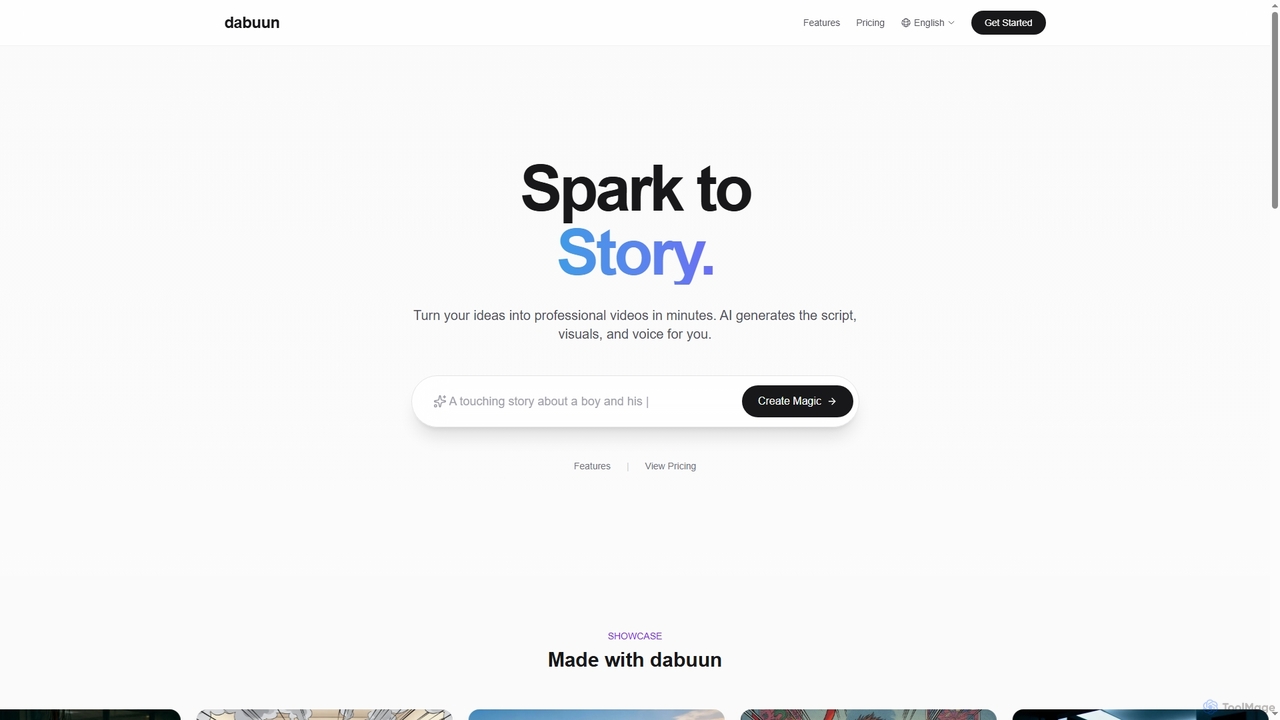
Dabuun

Dabuun is an AI video studio that transforms your ideas into professional videos in minutes. It leverages artificial intelligence to generate scripts, create stunning visuals in various styles, and synthesize natural character voices in multiple languages, enabling rapid video production for creators and teams.

Voice Synthesis
Visits 4.3KFavorites 79Likes 64
Instastock
Freemium

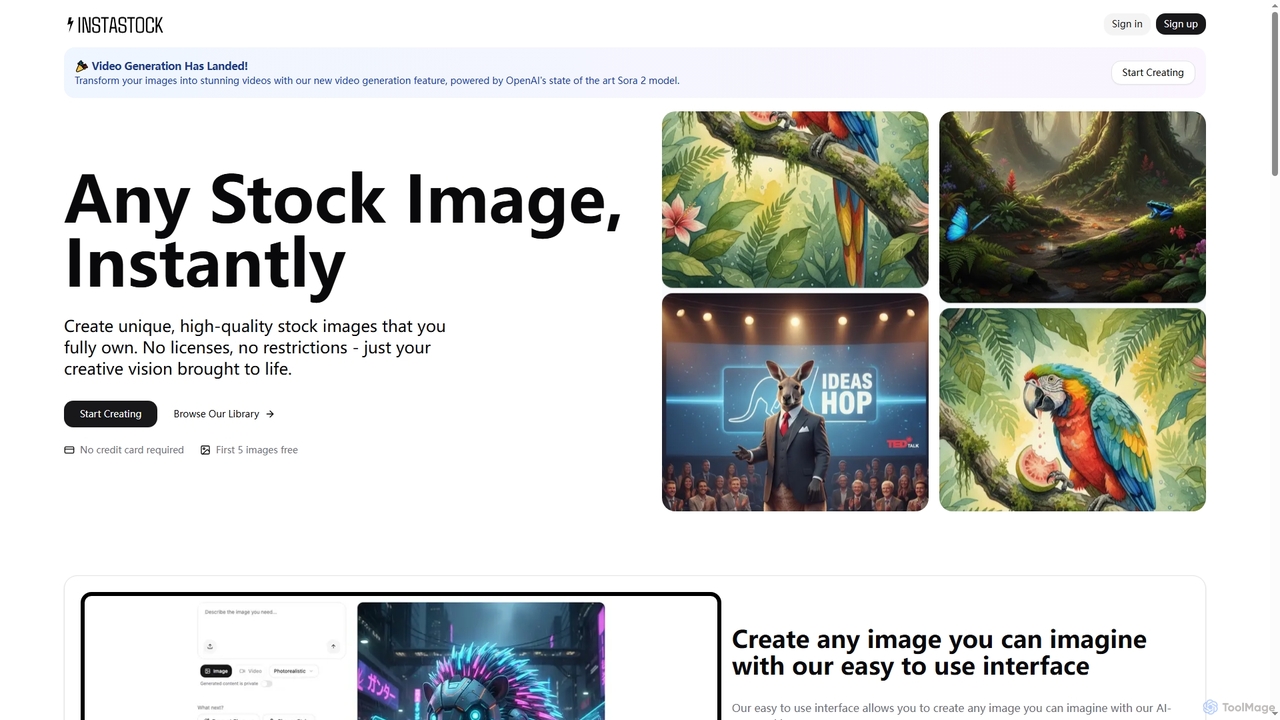
Instastock

Instastock is an AI-powered platform that enables users to instantly generate unique, high-quality stock images and transform them into stunning videos. It offers advanced AI editing capabilities, allowing for natural language modifications and style changes, all without licensing restrictions.

Visuals
Visits 4.4KFavorites 135Likes 139

About Image Generation

Image Generation tools are AI-powered platforms that create novel images from various inputs, primarily text descriptions or existing images. These tools leverage advanced generative AI models, such as diffusion models and GANs, to interpret prompts and synthesize unique visual content. They empower users to rapidly prototype visual ideas, generate diverse artistic styles, and produce high-quality imagery for a wide range of creative and commercial applications, significantly accelerating content production within the broader field of Visual Arts.

Core Features

  • Text-to-Image Synthesis: Generates images directly from descriptive text prompts.
  • Image-to-Image Transformation: Modifies existing images based on new prompts or style transfers.
  • Style Transfer: Applies the artistic style of one image to the content of another.
  • Inpainting & Outpainting: Fills in missing parts of an image or extends its boundaries seamlessly.
  • ControlNet Integration: Provides precise control over generated image composition, pose, and structure.

Use Cases

Professionals in marketing, design, and content creation utilize these tools to produce unique visuals for campaigns, social media, and editorial content. Artists and illustrators employ them for concept art, mood boards, and exploring new creative directions. Developers integrate image generation APIs to build innovative applications and interactive experiences.

How to Choose

When selecting an AI image generation tool, consider the quality and consistency of its output, the range of available models and styles, and the level of control offered through prompt engineering or advanced settings. Evaluate its ease of use, integration capabilities with existing workflows, and the pricing model based on your generation volume and specific feature requirements.

Featured tool rankings

Image Generation use cases

1

Designing Game Character Concept Art

Game artists and designers use AI image generation to quickly visualize diverse character concepts. By inputting text prompts describing traits, styles, and poses, they can generate hundreds of unique variations in minutes, significantly accelerating the initial ideation phase and providing a rich pool of visual references for further development. This streamlines the creative pipeline, allowing for faster iteration and exploration of artistic directions.

2

Creating Marketing & Advertising Visuals

Marketing professionals and advertisers leverage AI image generators to produce eye-catching visuals for campaigns, social media posts, and digital ads. They can generate custom images tailored to specific product features, target audiences, or brand aesthetics without relying on stock photos or expensive photoshoots. This enables rapid content creation, A/B testing of different visual concepts, and maintaining a fresh, engaging online presence.

3

Generating E-commerce Product Mockups

E-commerce businesses and product designers utilize these tools to create realistic product mockups and variations. By providing product images and descriptive prompts, they can generate scenarios showing products in different environments, with various textures, or on diverse models. This helps visualize new product lines, test market appeal, and create compelling product listings without the need for physical prototypes or extensive photography.

4

Illustrating Blog Posts and Articles

Content creators and bloggers use AI image generation to produce unique and relevant illustrations for their articles, blog posts, and website content. Instead of searching for generic stock images, they can generate custom visuals that perfectly match the tone and topic of their writing. This enhances reader engagement, improves visual storytelling, and ensures copyright-free, original imagery for all publications.

5

Developing Personalized Avatars and Profile Pictures

Individual users and social media enthusiasts employ AI image generators to create highly personalized avatars, profile pictures, and digital art for personal expression. By uploading selfies or providing descriptive prompts, they can generate stylized portraits, fantasy characters, or abstract representations that reflect their personality or online persona. This offers a creative and unique way to stand out in digital spaces.

6

Visualizing Architectural & Interior Design Concepts

Architects, interior designers, and real estate professionals use AI image generation to quickly visualize design concepts and present them to clients. By inputting floor plans, material descriptions, or desired aesthetics, they can generate photorealistic renderings of buildings, rooms, or landscapes. This facilitates rapid design iteration, helps clients better understand proposed designs, and reduces the time and cost associated with traditional rendering processes.

Image Generation FAQ

What are AI Image Generation tools?

AI Image Generation tools are software applications that use artificial intelligence algorithms to create new images from various inputs, most commonly text descriptions (text-to-image) or existing images (image-to-image). These tools, a key component of Visual Arts AI, leverage deep learning models like GANs and diffusion models to understand prompts and synthesize unique, high-quality visual content, ranging from realistic photos to abstract art.

How do AI image generators create images?

AI image generators primarily work by training large neural networks on vast datasets of images and their corresponding descriptions. When a user provides a text prompt, the AI model (often a diffusion model) iteratively refines a noisy image, gradually adding details that align with the prompt's semantics. This process involves understanding the relationship between words and visual elements, allowing the AI to "imagine" and render the requested scene or object.

How do AI image generation tools differ from AI image editing tools?

AI image generation tools focus on creating entirely new images from scratch based on prompts, synthesizing visuals that didn't exist before. In contrast, AI image editing tools primarily modify or enhance existing images, performing tasks like background removal, object manipulation, color correction, or upscaling. While some generation tools offer minor editing features (like inpainting), their core purpose is creation, whereas editing tools are about transformation.

What factors should I consider when choosing an AI image generation tool?

When selecting an AI image generation tool, consider several key factors. First, evaluate the output quality and style diversity – does it produce images that meet your aesthetic and resolution needs? Second, assess the control and customization options, such as prompt engineering capabilities, style presets, and advanced parameters. Third, look at the ease of use and user interface, especially if you're not a technical user. Finally, compare pricing models, generation speed, and API availability for integration into your workflow.

Who can benefit from using AI image generation tools?

A wide range of individuals and professionals can benefit from AI image generation tools. This includes content creators (bloggers, social media managers) needing unique visuals, graphic designers and artists for concept art and rapid prototyping, marketing teams for ad creatives, e-commerce businesses for product mockups, and developers building applications that require dynamic image creation. Essentially, anyone needing to quickly produce diverse and original visual content can find value in these tools.