Voice Best in category 1 results Voice Synthesis AI Tool

Popular AI tools in the Voice Synthesis field of Voice include LMAO AI, etc., helping you quickly improve efficiency.

LMAO AI

LMAO AI

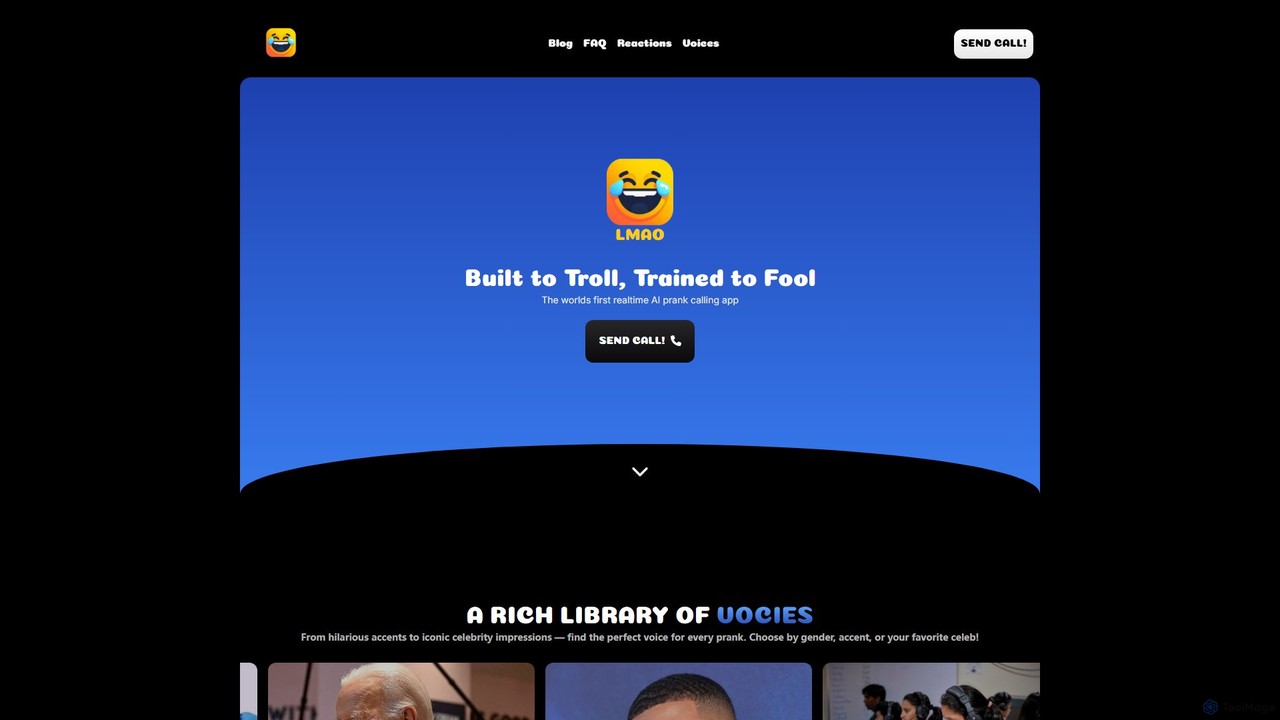
LMAO AI is the world's first real-time AI prank calling app. It uses advanced, ultra-realistic AI voices to …

38.4K

About Voice Synthesis

Voice Synthesis tools, commonly known as Text-to-Speech (TTS) software, are AI applications that convert written text into natural-sounding human speech. These tools leverage deep learning and neural networks to analyze text, understand context, and generate high-fidelity audio with realistic intonation and emotion. They serve as a powerful solution for creating scalable audio content, enhancing accessibility, and automating voice-based interactions. Unlike voice cloning which replicates a specific voice, voice synthesis provides a library of diverse, ready-to-use voices.

Core Features

  • Diverse Voice Library: Offers a wide selection of pre-built voices across different genders, ages, accents, and languages.
  • SSML Customization: Supports Speech Synthesis Markup Language (SSML) for fine-grained control over pitch, rate, volume, and pauses.
  • Multiple Audio Formats: Allows exporting the generated speech into standard formats like MP3, WAV, and OGG for broad compatibility.
  • Contextual Understanding: Intelligently interprets punctuation, abbreviations, and sentence structure to produce natural intonation and rhythm.
  • API Access: Provides APIs for developers to integrate real-time text-to-speech capabilities into applications, websites, and services.

Applicable Scenarios

Voice Synthesis is widely used by content creators for producing podcasts, audiobooks, and video voiceovers without hiring voice actors. In corporate settings, it's used to create professional narration for e-learning modules and training videos. Developers and businesses also utilize it to build interactive voice response (IVR) systems for customer service and to power accessibility features like screen readers for visually impaired users.

Selection Criteria

When choosing a Voice Synthesis tool, evaluate the naturalness and quality of the voices offered. Consider the breadth of the language and accent library to ensure it meets your target audience's needs. Assess the level of customization available through SSML or other controls. For integration projects, check the API documentation, reliability, and pricing model, which is often based on the number of characters processed.

Voice SynthesisUse Cases

1

Creating Voiceovers for Video Content

Video creators and marketers often need consistent, high-quality narration for tutorials, product demonstrations, or social media content. Using a Voice Synthesis tool, they can paste their script, select a voice that matches their brand's tone (e.g., professional, friendly, or energetic), and generate the audio file in minutes. This process eliminates the costs and scheduling complexities of hiring voice actors, allowing for rapid content iteration and localization by generating the same script in multiple languages with appropriate accents.

2

Producing Audiobooks and Podcasts

Authors, publishers, and podcasters can convert entire manuscripts or scripts into engaging audio content. Instead of a single narrator, they can use different voices for different characters or sections to create a richer listening experience. Advanced tools allow for adjustments in pacing and emotional tone to match the narrative. This significantly lowers the barrier to entry for producing high-quality audiobooks and podcasts, making content more accessible to a wider audience, including those who prefer listening over reading.

3

Developing E-Learning and Training Materials

Instructional designers and corporate trainers use Voice Synthesis to create clear and consistent audio for online courses, compliance training, and software tutorials. By converting instructional text to speech, they ensure all learners receive the same high-quality narration. This is particularly useful for updating content; instead of re-recording entire modules, they can simply edit the text and regenerate the audio. It also facilitates the creation of multilingual training programs, ensuring a consistent learning experience for a global workforce.

4

Automating Customer Service Voice Prompts (IVR)

Businesses use Voice Synthesis APIs to power their Interactive Voice Response (IVR) systems. Instead of relying on static, pre-recorded messages, they can generate dynamic voice prompts in real-time. For example, an IVR system can read out personalized information like account balances, order statuses, or appointment times using a natural, professional voice. This improves the customer experience by providing relevant information instantly and reduces the workload on human agents by automating routine inquiries.

5

Enhancing Web and App Accessibility

Developers integrate Voice Synthesis to make digital content accessible to users with visual impairments or reading disabilities. By implementing a screen reader function, websites and applications can read articles, navigation menus, and notifications aloud. This ensures compliance with accessibility standards like WCAG. Using high-quality, natural-sounding voices improves the user experience significantly compared to robotic, legacy TTS systems, making information consumption more pleasant and effective for all users.

6

Prototyping Voice User Interfaces (VUI)

Designers and developers of voice-enabled applications, such as smart assistants or in-car systems, use Voice Synthesis for rapid prototyping. They can quickly generate audio responses for different user interaction flows without needing to record lines. This allows them to test the usability and feel of the voice interface early in the development cycle. By experimenting with different voices, tones, and phrasing, teams can refine the user experience and create a more engaging and intuitive VUI before committing to final production.

Voice SynthesisFrequently Asked Questions