Fauxto Labs
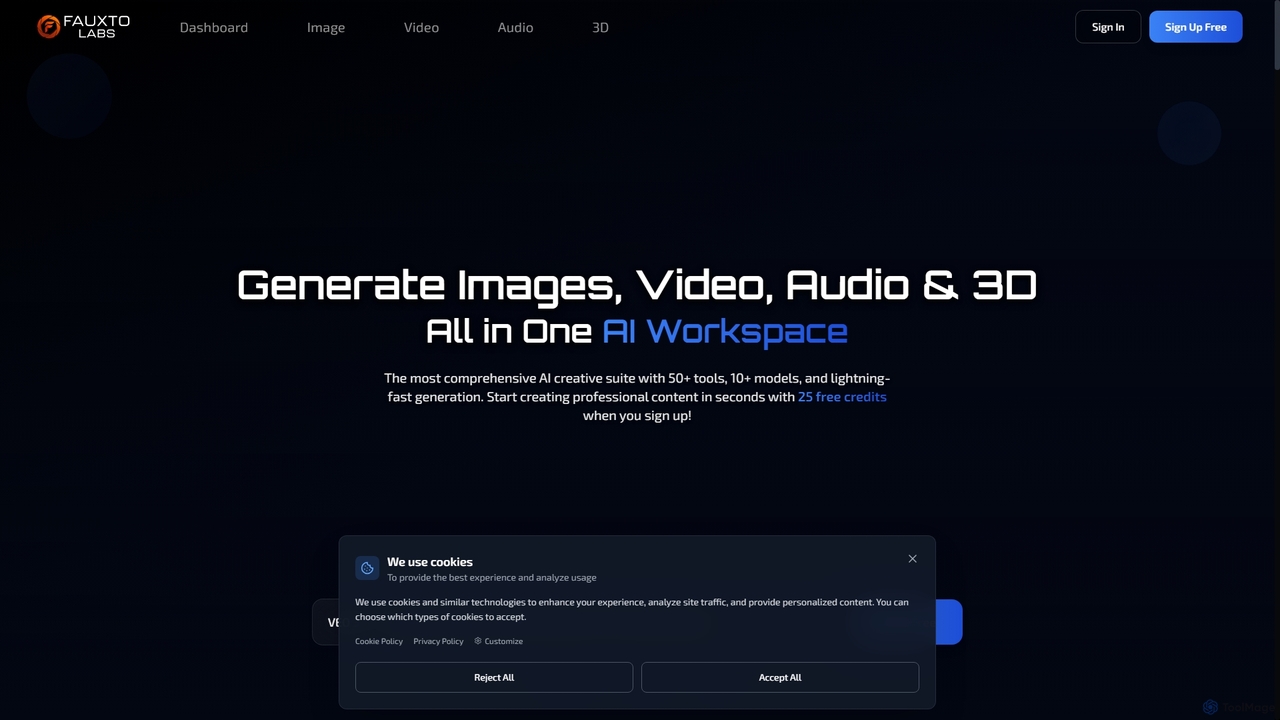
Fauxto Labs is a comprehensive AI creative suite offering over 50 tools and 10+ models for generating images, …
Fauxto Labs is a comprehensive AI creative suite offering over 50 tools and 10+ models for generating images, videos, audio, and 3D content. It provides lightning-fast generation, advanced editing capabilities, and personalized AI models, empowering creators to transform ideas into professional content efficiently.
iztalk
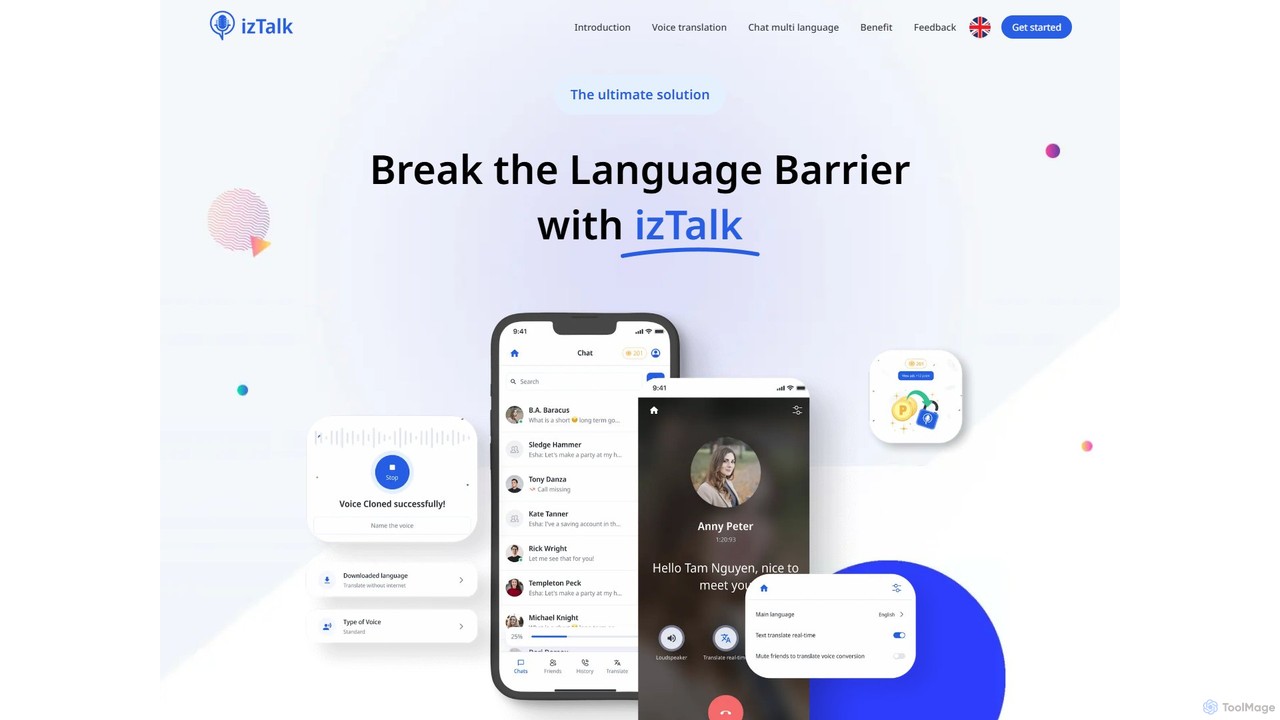
iztalk is an AI-powered mobile application designed to break language barriers through real-time voice and text translation. It …
iztalk is an AI-powered mobile application designed to break language barriers through real-time voice and text translation. It offers seamless translation during calls and messaging, and features a unique AI voice cloning function to maintain your vocal identity across different languages, making it ideal for travelers, professionals, and global communication.
LMAO AI
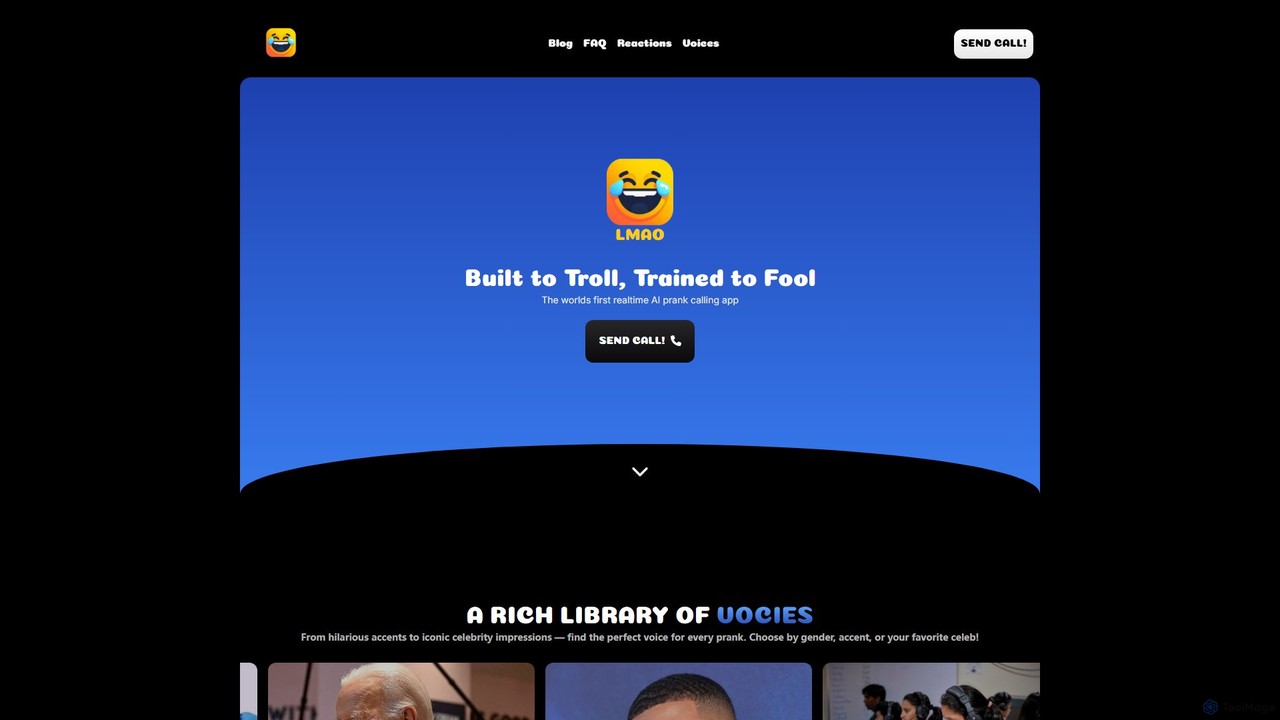
LMAO AI is the world's first real-time AI prank calling app. It uses advanced, ultra-realistic AI voices to …
LMAO AI is the world's first real-time AI prank calling app. It uses advanced, ultra-realistic AI voices to engage in dynamic, unscripted conversations, making pranks sound indistinguishable from a real person. Choose from a vast library of celebrity impressions and character accents to send hilarious, adaptive prank calls to your friends. Unlike pre-recorded apps, LMAO AI adapts on the fly for the ultimate, convincing prank experience.
Role Model AI
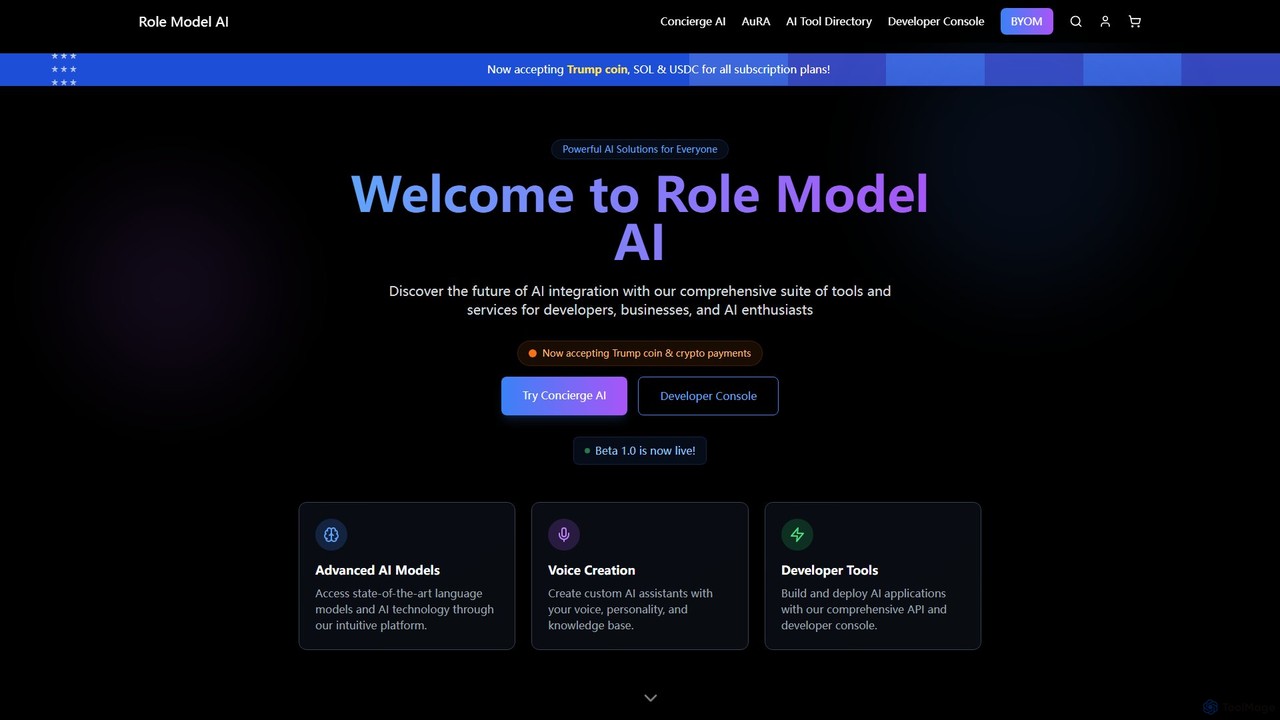
Role Model AI is a powerful platform for creating custom AI assistants with your own voice, personality, and …
Role Model AI is a powerful platform for creating custom AI assistants with your own voice, personality, and knowledge. It offers advanced voice cloning, integration with top AI models like GPT-4 and Claude 3, and a comprehensive suite of developer tools, including an API and console. Users can build specialized agents for tasks ranging from personal assistance and business advising to creative writing and financial analysis. The platform also includes an extensive directory of other AI tools.
About Voice
AI Voice tools are a class of software that use artificial intelligence to generate, transcribe, modify, and understand human speech. Leveraging deep learning and natural language processing, these tools can convert text to lifelike audio (Text-to-Speech), transcribe spoken words into text (Speech-to-Text), or even clone a specific voice from a sample. They provide scalable and high-quality solutions for creating voiceovers, enhancing audio, and developing voice-interactive applications. This technology offers significant efficiency and creative flexibility compared to traditional audio production methods.
Core Features
- Text-to-Speech (TTS): Converts written text into natural-sounding spoken audio in various voices, languages, and emotional tones.
- Speech-to-Text (STT): Accurately transcribes audio and video recordings into written text, often with speaker identification and timestamping.
- Voice Cloning: Creates a digital replica of a specific human voice from a short audio sample, enabling new speech generation in that voice.
- Voice Modification: Alters vocal characteristics such as pitch, tone, gender, or accent in real-time or on pre-recorded audio files.
- Audio Enhancement: Automatically removes background noise, echo, and filler words from recordings to improve clarity and quality.
Use Cases
AI Voice tools are widely used by content creators for producing podcasts and video voiceovers, by businesses for creating IVR systems and marketing content, and by developers for building voice assistants and accessibility features. They are also valuable in education for creating audiobooks and in media for dubbing and localization.
How to Choose
When selecting an AI Voice tool, first identify your primary need: generation (TTS), transcription (STT), or modification. Evaluate the realism and naturalness of the voice output. Check the range of supported languages, accents, and customization options (e.g., speed, pitch). For developers, consider the quality of API documentation and integration capabilities.
VoiceUse Cases
Creating Realistic Voiceovers for Video Content
Video creators and marketing teams often need professional voiceovers for tutorials, advertisements, or corporate videos. Instead of hiring voice actors, which can be costly and time-consuming, they can use a Text-to-Speech (TTS) tool. By inputting a script, they can generate high-quality audio in various voices and languages within minutes. Users can fine-tune the output by adjusting the speed, pitch, and emotional tone to perfectly match the video's pacing and style. This approach dramatically reduces production costs and timelines, while allowing for quick and easy updates to the narration whenever the script changes.
Automating Meeting Transcription and Analysis
Project managers, researchers, and journalists often need to document interviews and meetings accurately. Manually transcribing hours of audio is tedious and inefficient. By using a Speech-to-Text (STT) tool, they can upload audio or video files and receive a full, time-stamped transcript automatically. Many advanced tools can even distinguish between different speakers. This allows teams to quickly search for key topics, extract quotes, and analyze conversations without spending hours on manual transcription. The result is a more than 95% reduction in documentation time, enabling faster decision-making and more effective knowledge management.
Developing a Unique Brand Voice for Marketing
A brand strategist aims to create a consistent and recognizable audio identity across all channels, from advertisements to IVR systems. Using a voice cloning tool, they can create a unique, proprietary brand voice. By providing a few minutes of high-quality audio from a selected voice actor, the AI generates a digital model of that voice. This model can then be used to produce any new audio content on-demand, ensuring perfect consistency in tone and style. This eliminates the need to re-hire the same actor for every small update, providing immense scalability and control over the brand's auditory presence.
Enhancing Audio Quality for Podcasts and Interviews
Podcasters and journalists often record in suboptimal conditions, resulting in audio with background noise, echo, or inconsistent volume levels. An AI audio enhancement tool can salvage these recordings. Users can upload their raw audio files, and the AI algorithm will automatically identify and suppress unwanted sounds like traffic, air conditioning hum, or reverb. It can also normalize volume levels and even remove filler words like 'um' and 'ah'. This process transforms amateur-sounding recordings into clean, professional-quality audio, significantly improving the listening experience for the audience without requiring expensive equipment or manual editing skills.
Creating Accessible Content for All Users
Content publishers and educators want to make their digital content, such as articles and e-books, accessible to visually impaired users or those who prefer auditory learning. By integrating a Text-to-Speech (TTS) API into their website or application, they can provide an audio version of their written material. Users can simply click a button to have the text read aloud in a clear, natural-sounding voice. This not only helps in complying with accessibility standards like WCAG but also enhances user engagement by offering an alternative way to consume content, such as listening while commuting or exercising.
Real-Time Voice Changing for Gaming and Streaming
Gamers and live streamers often want to enhance their online persona or protect their privacy. A real-time voice changer allows them to modify their voice during live sessions. The software intercepts audio from their microphone and applies effects—such as changing the pitch to sound like a different character, adding a robotic filter, or altering the perceived gender—before sending it to the game or streaming platform. This adds a layer of entertainment and immersion for the audience and allows creators to craft unique characters or maintain anonymity, fostering a more engaging and creative online environment.