
ToolMage
Sign in

Best 1 Smart Rings AI tools for Wearable Technology

Popular Smart Rings AI tools in Wearable Technology include Sandbar, helping you work more efficiently.

Sandbar
Freemium

Sandbar

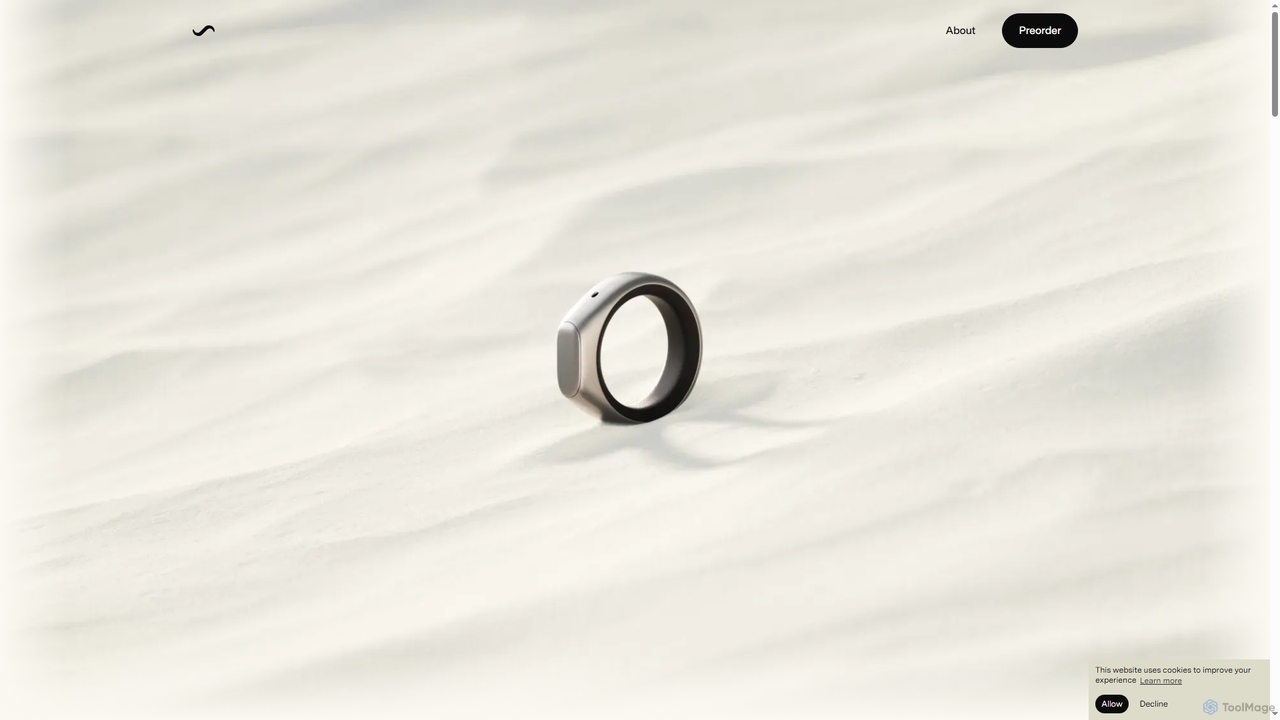
Sandbar is an interface company that developed the Stream Ring, a voice-first smart ring for capturing thoughts, building ideas through conversational AI, and controlling music. It acts as a seamless extension of your mind for instant, private, and effortless interaction.

Voice Assistants
Visits 37.3KFavorites 137Likes 117

About Smart Rings

Smart Rings are compact, screen-free wearable devices worn on the finger to track health data and interact with the digital world. They utilize advanced sensors like photoplethysmography (PPG) and accelerometers to monitor metrics such as heart rate, sleep patterns, and activity levels. Their primary value lies in providing continuous, unobtrusive data collection and convenient functions like contactless payments and gesture control, integrating technology seamlessly into daily life. This makes them a subtle alternative to more conspicuous wearables like smartwatches.

Core Features

  • Health & Sleep Tracking: Continuously monitors vital signs including heart rate, HRV, body temperature, and detailed sleep stages.
  • Contactless Payments: Enables secure NFC-based payments for transit, retail, and other services with a simple gesture.
  • Gesture Control: Allows for discreet control of music playback, presentation slides, or smart home devices.
  • Silent Notifications: Delivers discreet alerts and reminders through gentle haptic vibrations.

Use Cases

Smart Rings are well-suited for health-conscious individuals seeking detailed wellness insights without the distraction of a screen. They are also popular among urban commuters for fast payment options, professionals needing a subtle way to control devices, and athletes for performance optimization.

How to Choose

When selecting a Smart Ring, evaluate the accuracy of its health sensors, the typical battery life, and the material and comfort for 24/7 wear. Also, consider the companion app's features and compatibility with your smartphone, and verify support for specific functionalities like payment systems in your region.

Smart Rings use cases

1

24/7 Health and Wellness Monitoring

For health-conscious individuals, a smart ring serves as a constant companion for monitoring wellness. It continuously tracks key metrics like heart rate, heart rate variability (HRV), body temperature, and sleep cycles. Users can review this data in a companion app to identify trends, understand their body's recovery state, and make informed decisions about their diet, exercise, and sleep habits to optimize their overall health.

2

Seamless Contactless Payments

An urban commuter or frequent shopper can use a smart ring equipped with NFC technology to make swift payments. Instead of fumbling for a wallet or phone, they can simply tap their ring on a payment terminal at a subway gate, coffee shop, or retail store. This provides a faster, more secure, and highly convenient transaction experience, especially when hands are full or when moving through crowded areas.

3

Discreet Control for Professionals

A professional giving a presentation can use a smart ring's gesture controls to discreetly switch between slides without touching a laptop or holding a clicker. Similarly, during a meeting, they can accept or reject a call, or pause music, with a subtle twist of their finger. This allows for seamless control over digital devices while maintaining focus and a professional appearance, avoiding the distraction of interacting with a phone or watch.

4

Optimizing Athletic Performance

Athletes and fitness enthusiasts use smart rings to gain deeper insights into their training and recovery. The ring tracks workout intensity, calories burned, and activity levels. More importantly, it monitors recovery metrics like resting heart rate, HRV, and sleep quality. This data helps them determine their readiness for training, prevent overtraining, and adjust their routines to maximize performance gains and ensure proper recovery.

5

Digital Identity and Secure Access

In corporate or residential settings, a smart ring can function as a secure key. Employees can use it to unlock office doors, log into their computers, or access secure printers, replacing traditional ID cards. Similarly, residents can use it to enter their apartment building or unlock their smart lock at home. This streamlines access control, enhances security by being harder to lose than a card, and adds a layer of modern convenience.

6

Managing Notifications with Minimal Distraction

For individuals aiming to reduce screen time, a smart ring offers a non-visual way to stay connected. It can be configured to vibrate gently for specific important notifications, such as a call from a family member or a critical work alert. This allows the user to filter out digital noise and stay informed of high-priority events without needing to constantly check their phone or smartwatch, promoting focus and reducing digital anxiety.

Smart Rings FAQ

What is a Smart Ring?

A Smart Ring is a wearable electronic device worn on the finger that combines fashion with technology. Unlike a smartwatch, it typically lacks a screen and focuses on discreetly tracking health metrics, enabling contactless payments, and providing notifications through haptic feedback. Its core purpose is to offer key smart features in a compact, unobtrusive, and stylish form factor.

What is the difference between a Smart Ring and a Smartwatch?

The main difference lies in the form factor and user interaction. A smartwatch has a screen for displaying rich information and running apps, making it an extension of your smartphone. A smart ring is screenless, prioritizing discretion and passive data collection. It excels at 24/7 health tracking with better comfort (especially during sleep) and offers simpler interactions like payments or gesture controls, aiming for minimal digital intrusion.

What can a Smart Ring actually do?

The functions of a smart ring vary by model, but most focus on a core set of features. These typically include:

  • Health Tracking: Monitoring sleep stages, heart rate, body temperature, and activity levels.
  • Contactless Payments: Using NFC for tap-to-pay transactions.
  • Device Control: Managing music, presentations, or smart home devices via gestures.
  • Notifications: Providing silent, vibration-based alerts for important calls or messages.
  • Access Control: Acting as a digital key for doors or vehicles.

How do I choose the right Smart Ring?

To choose the right smart ring, consider the following factors:

  • Primary Use Case: Decide if your priority is health tracking, payments, or device control.
  • Sensor Accuracy: Research reviews on the accuracy of its health sensors (e.g., heart rate, sleep tracking).
  • Battery Life: Check the typical battery life and charging time to ensure it fits your lifestyle.
  • Design and Comfort: Since you'll wear it 24/7, choose a material (e.g., titanium, ceramic) and size that is comfortable and durable.
  • App Ecosystem: Ensure the companion app is user-friendly and compatible with your smartphone and other health platforms.

Who are Smart Rings best for?

Smart rings are best for individuals who want detailed health and sleep tracking without the screen and notification overload of a smartwatch. They are ideal for:

  • Wellness Enthusiasts: People focused on optimizing sleep, recovery, and activity.
  • Minimalists: Users who prefer subtle technology that doesn't demand constant attention.
  • Athletes: Those who need accurate recovery data to inform their training schedules.
  • Tech-Savvy Professionals: Individuals who value convenience features like contactless payments and discreet controls.