Web3 Best in category 2 results Decentralized Finance AI Tool

Popular AI tools in the Decentralized Finance field of Web3 include CryptoCredits、mobilecredits, etc., helping you quickly improve efficiency.

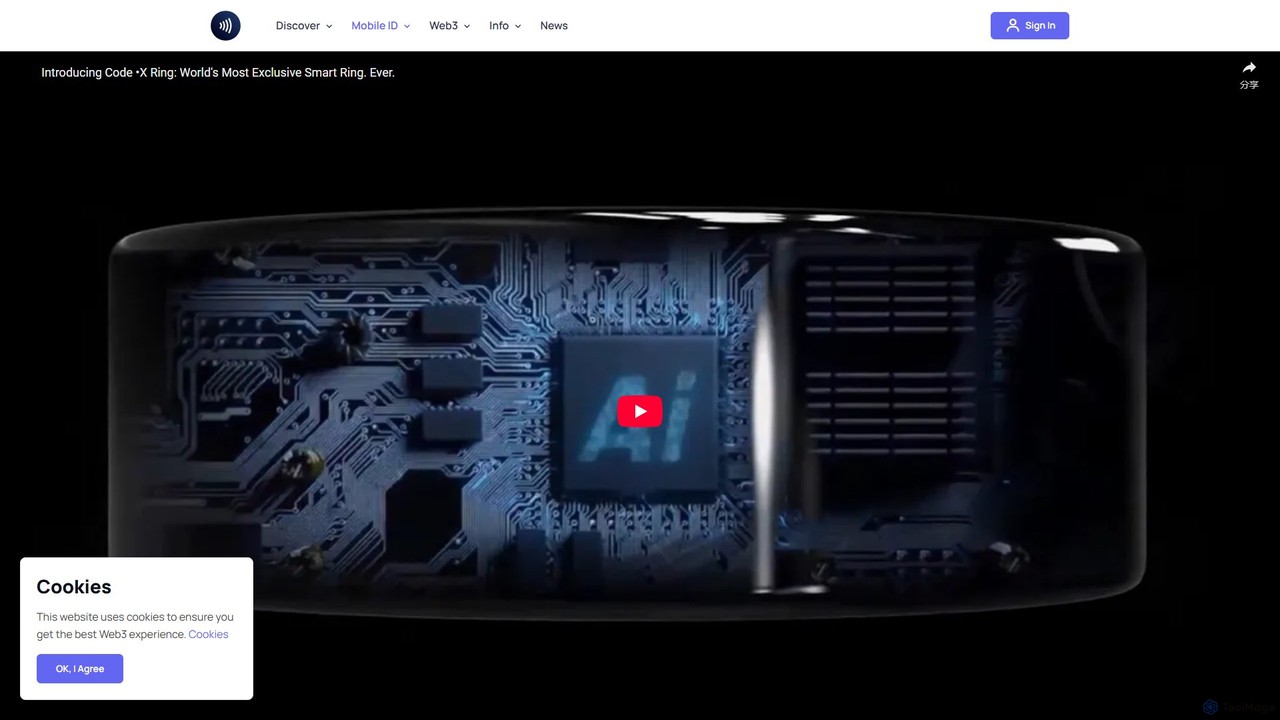
CryptoCredits

CryptoCredits

CryptoCredits is an AI-powered, privacy-first Web3 payment agent enabling merchants to accept on-chain cryptocurrency payments with full user …

3.6K
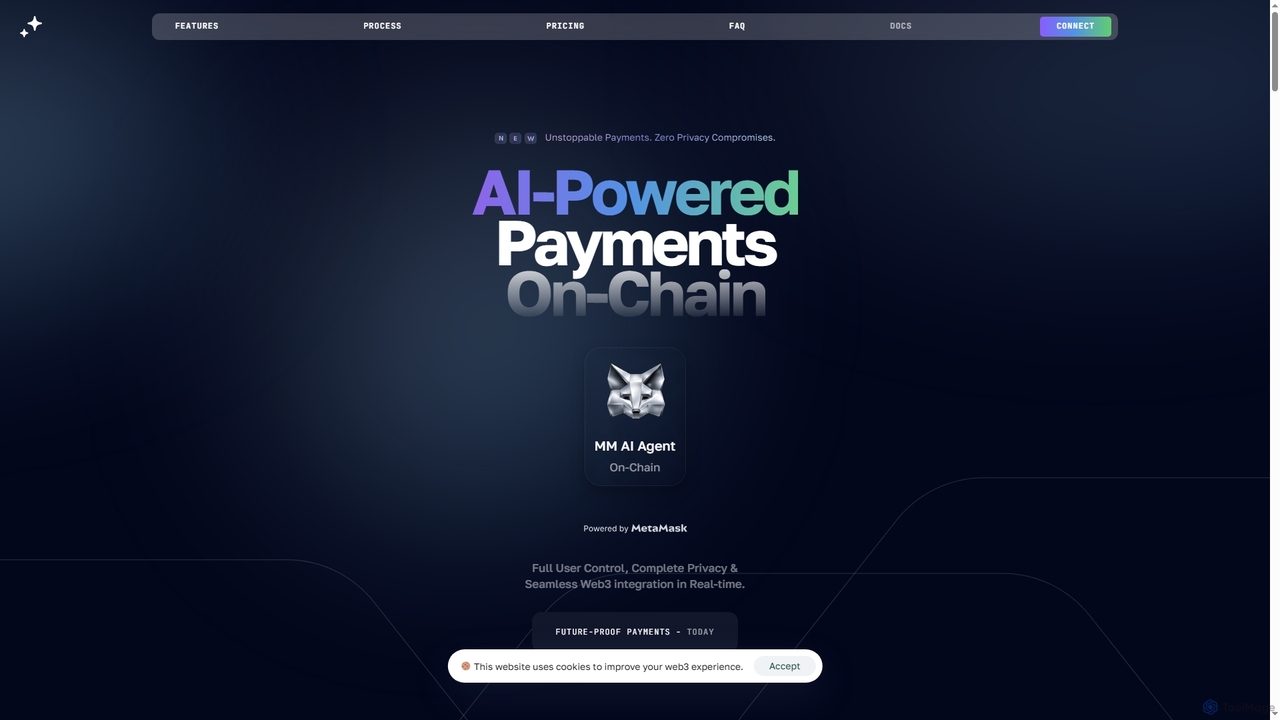
mobilecredits

mobilecredits

Mobilecredits is an AI-powered, decentralized payment processor designed for the Web3 era. It enables businesses, creators, and individuals …

2.9K

About Decentralized Finance

Decentralized Finance (DeFi) refers to a blockchain-based financial system that operates without traditional intermediaries like banks or brokers. Built primarily on smart contracts, DeFi platforms enable peer-to-peer financial services such as lending, borrowing, and trading directly on a blockchain, often within the broader Web3 ecosystem. These innovative tools offer enhanced transparency, accessibility, and user control over assets, empowering individuals globally to participate in a more open and permissionless financial landscape.

Core Features

  • Decentralized Exchanges (DEXs): Facilitate direct peer-to-peer cryptocurrency trading without a central authority.
  • Lending & Borrowing Protocols: Allow users to lend their crypto assets to earn interest or borrow funds using crypto as collateral.
  • Yield Farming & Staking: Enable users to earn rewards by providing liquidity or locking up assets in DeFi protocols.
  • Stablecoins: Cryptocurrencies pegged to stable assets like fiat currencies, used for transactions and hedging volatility.
  • Decentralized Insurance: Offers protection against smart contract bugs or other risks within the DeFi ecosystem.

Use Cases

DeFi tools are utilized by individuals seeking alternative financial services, from crypto enthusiasts looking to maximize returns to those in underserved regions needing access to credit. They enable global, permissionless access to financial products, allowing users to manage their wealth, access capital, and trade assets without geographical or institutional barriers.

How to Choose

When selecting a DeFi platform, prioritize security through audited smart contracts and a strong community reputation. Evaluate the platform's liquidity, supported assets, and the transparency of its fee structure. Consider the user interface's ease of use and the overall governance model, ensuring it aligns with your risk tolerance and financial goals.

Decentralized FinanceUse Cases

1

Accessing Collateralized Loans

Individuals can borrow funds by locking their cryptocurrency as collateral on a DeFi lending platform, bypassing traditional credit checks and banks. This provides quick liquidity for various needs without selling their crypto assets, offering a flexible alternative to conventional loans.

2

Decentralized Cryptocurrency Trading

Users can directly swap various cryptocurrencies on a Decentralized Exchange (DEX) without needing a centralized intermediary. This offers greater control over funds, often lower fees, and access to a wider range of tokens, facilitating permissionless and transparent asset exchange.

3

Earning Passive Income through Yield Farming

Crypto holders can deposit their assets into liquidity pools or staking protocols on DeFi platforms to earn interest or governance tokens as rewards. This strategy allows users to generate passive income from their idle cryptocurrencies, contributing to the protocol's liquidity and security.

4

Hedging Against Market Volatility

Investors can convert volatile cryptocurrencies into stablecoins within the DeFi ecosystem to protect their capital during market downturns. Stablecoins, pegged to fiat currencies like USD, provide a secure haven for funds, enabling users to re-enter the market strategically.

5

Participating in Decentralized Insurance

Users can purchase coverage for their crypto assets against potential smart contract vulnerabilities or platform hacks on decentralized insurance protocols. This offers a layer of security and risk mitigation within the DeFi space, protecting investments from unforeseen technical failures.

6

Contributing to Protocol Governance

Holders of governance tokens can participate in the decision-making process of a DeFi protocol by voting on proposals for upgrades, fee changes, or new features. This empowers the community to shape the future direction of the platform, embodying the decentralized ethos.

Decentralized FinanceFrequently Asked Questions