Keak
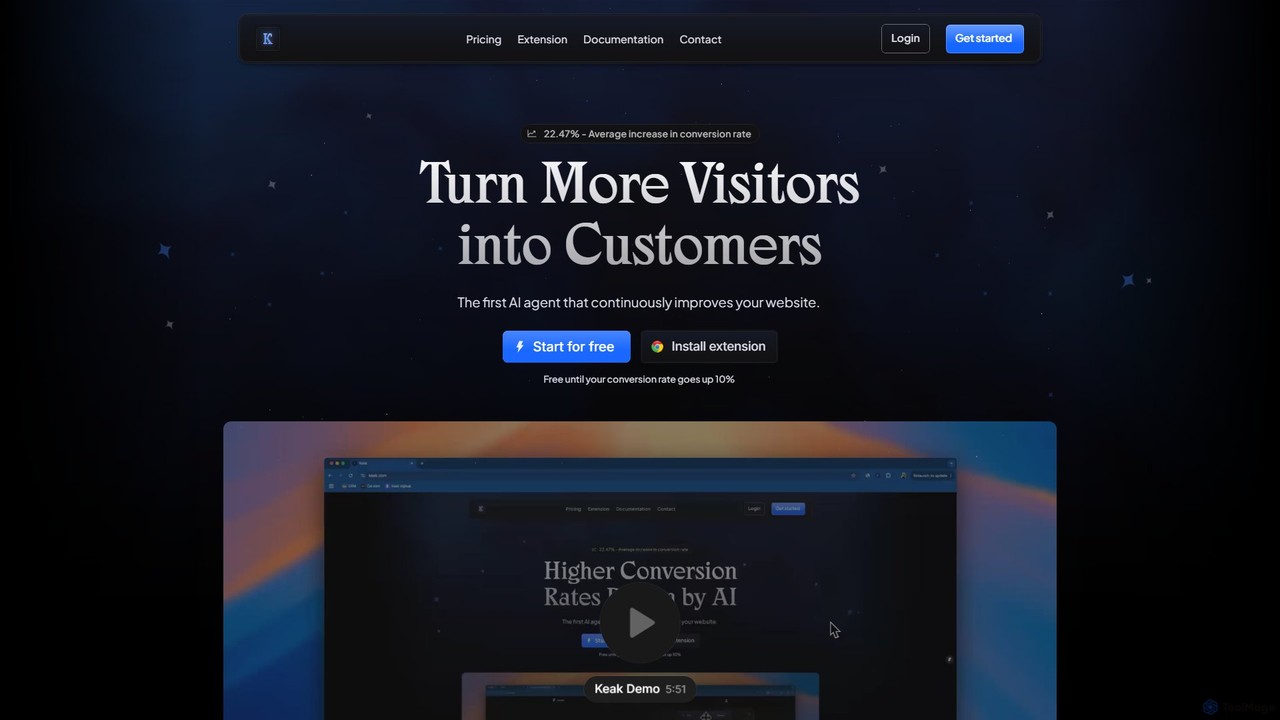
Keak is an AI-powered website optimization agent that continuously improves your conversion rate. It uses AI to A/B …
Keak is an AI-powered website optimization agent that continuously improves your conversion rate. It uses AI to A/B test and personalize website copy, buttons, images, and CTAs. Keak learns from your tests to automatically deploy the best-performing versions, helping you turn more visitors into customers with a risk-free guarantee.
crovert
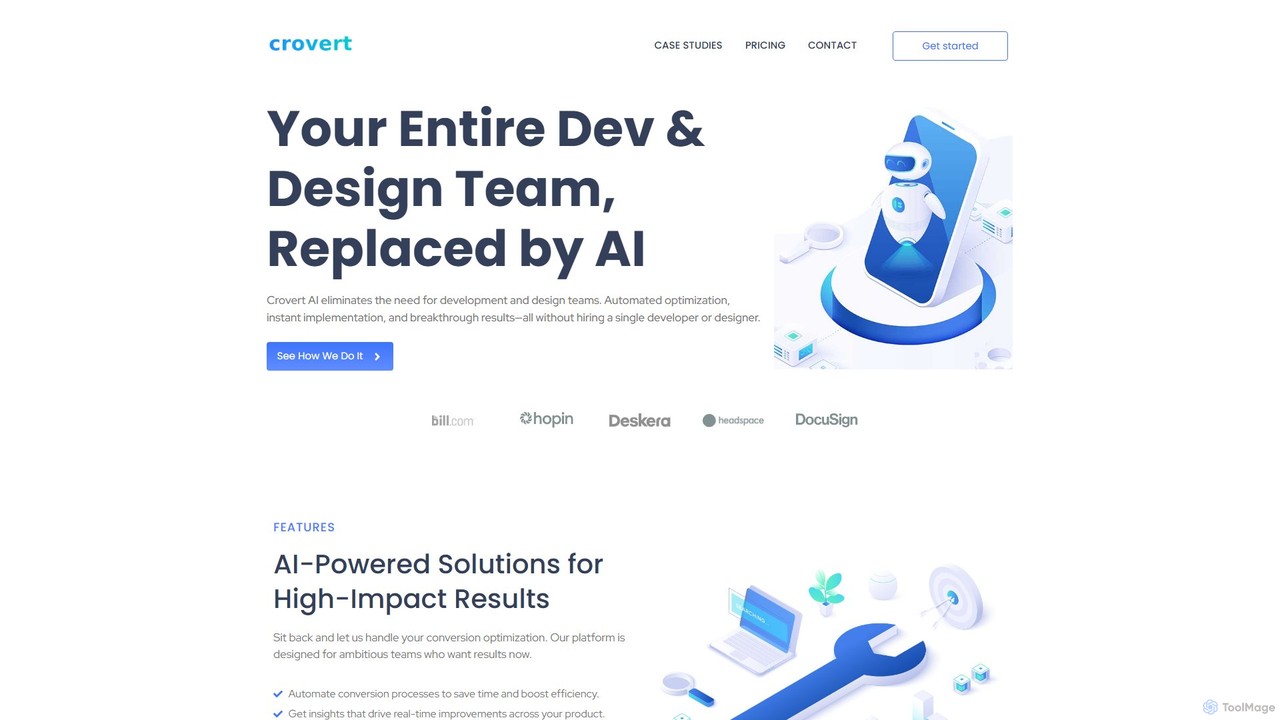
crovert is an AI-powered platform that automates conversion rate optimization (CRO), effectively replacing the need for dedicated development …
crovert is an AI-powered platform that automates conversion rate optimization (CRO), effectively replacing the need for dedicated development and design teams. It analyzes user behavior, runs automated A/B tests, personalizes content, and implements winning variations instantly to significantly boost website conversions, leads, and revenue for businesses of all sizes.
About B Testing
B Testing tools are AI-powered platforms designed to help businesses and developers conduct controlled experiments, primarily known as A/B tests. These tools enable the comparison of two or more versions of a webpage, app feature, or marketing campaign (A vs. B) to determine which performs better against specific metrics. By leveraging AI, they can automate variant generation, optimize traffic allocation, and provide deeper insights into user behavior, ultimately driving data-backed decisions for improved conversion rates and user experience.
Core Features
- Variant Creation & Management: AI-assisted generation and organization of different test versions (e.g., headlines, layouts, CTAs).
- Traffic Allocation & Segmentation: Intelligent distribution of user traffic to variants and segmentation based on user demographics or behavior.
- Statistical Significance Analysis: Automated calculation and reporting of statistical confidence to ensure reliable test results.
- Personalization & Optimization: AI-driven recommendations for personalized experiences and continuous optimization based on test outcomes.
- Integration Capabilities: Seamless connection with analytics platforms, CRM, and marketing automation tools.
Applicable Scenarios
B Testing tools are crucial for digital marketers optimizing landing pages, product managers refining user interfaces, and e-commerce businesses testing pricing strategies. They are used to validate hypotheses about user preferences, identify friction points in user journeys, and systematically improve key performance indicators like conversion rates, engagement, and retention.
How to Choose
When selecting a B Testing tool, consider its ease of use for non-technical users, the depth of its analytical reporting, integration with your existing tech stack, and scalability for handling high traffic volumes. Evaluate its AI capabilities for automated insights and personalization, as well as its pricing model based on features and traffic limits.

B TestingUse Cases
Optimizing E-commerce Product Page Layouts
E-commerce managers use B Testing tools to compare different product image placements, call-to-action button designs, or review section layouts. By splitting traffic between variants, they can identify which design elements lead to higher add-to-cart rates and ultimately, increased sales conversions, based on real user interactions.
Improving Landing Page Conversion for Marketing Campaigns
Digital marketers deploy B Testing to evaluate various headlines, hero images, or form fields on campaign landing pages. This allows them to determine which combination resonates most with target audiences, leading to a higher percentage of visitors completing desired actions like sign-ups or downloads, thereby maximizing ROI.
Refining Mobile App Onboarding Flows
Product teams leverage B Testing to test different sequences or designs for new user onboarding in mobile applications. By analyzing user drop-off rates and engagement metrics across variants, they can pinpoint friction points and optimize the initial user experience, ensuring higher user retention and feature adoption from the start.
Enhancing Email Subject Line Open Rates
Email marketers utilize B Testing to compare the effectiveness of different subject lines, sender names, or preview texts for their email campaigns. By sending variants to small segments of their audience, they can identify the most compelling options that drive higher open rates before deploying the winning version to the entire subscriber list.
Testing Website Navigation and User Experience (UX)
UX designers and webmasters use B Testing to experiment with changes to website navigation menus, search bar placement, or internal linking structures. This helps them understand how different architectural choices impact user discoverability, time on site, and overall satisfaction, leading to a more intuitive and efficient user journey.
Validating New Feature Impact in SaaS Products
SaaS product managers employ B Testing to assess the impact of new features or UI changes on key user metrics like feature usage, session duration, or subscription upgrades. By exposing a subset of users to the new version, they can gather data-driven evidence of its value before a full-scale rollout, mitigating risks and ensuring positive user reception.