Now&Zen
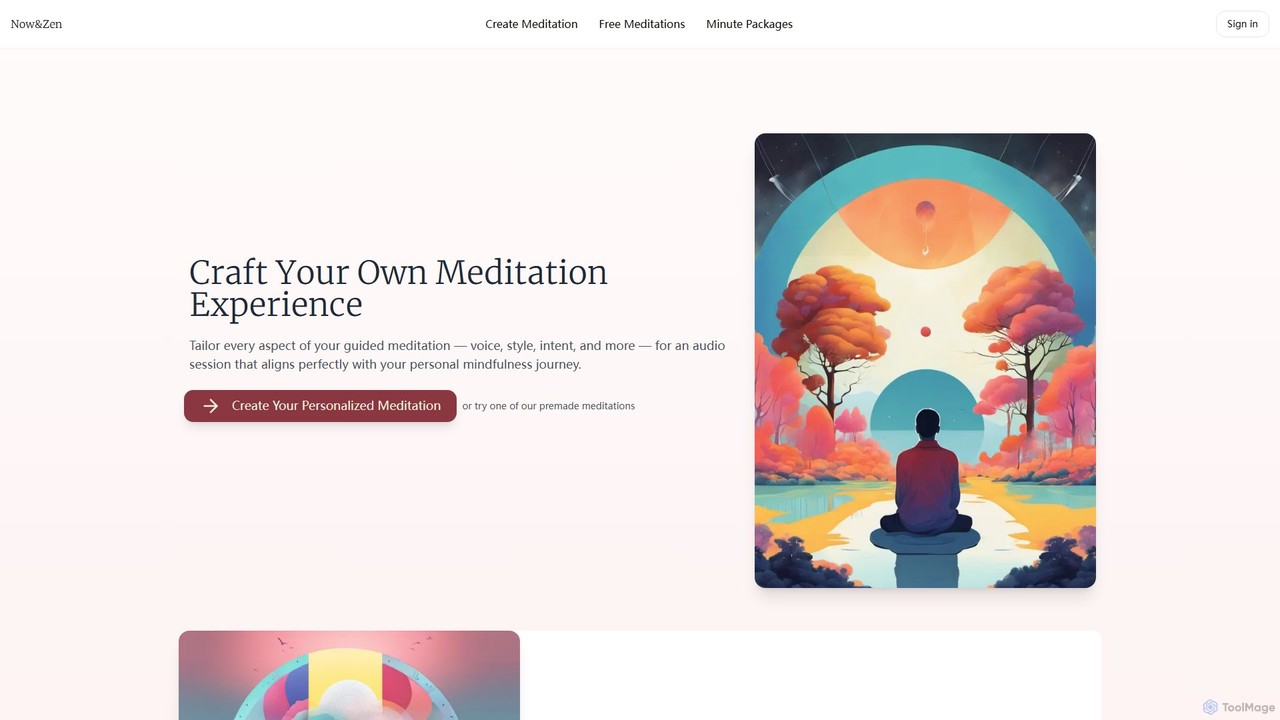
Now&Zen is an AI-powered platform for creating personalized guided meditation experiences. Users can customize every aspect of their …
Now&Zen is an AI-powered platform for creating personalized guided meditation experiences. Users can customize every aspect of their session, including voice, style, duration, and intent, to craft an audio meditation that perfectly aligns with their mindfulness goals. Downloadable for offline use.
Focu
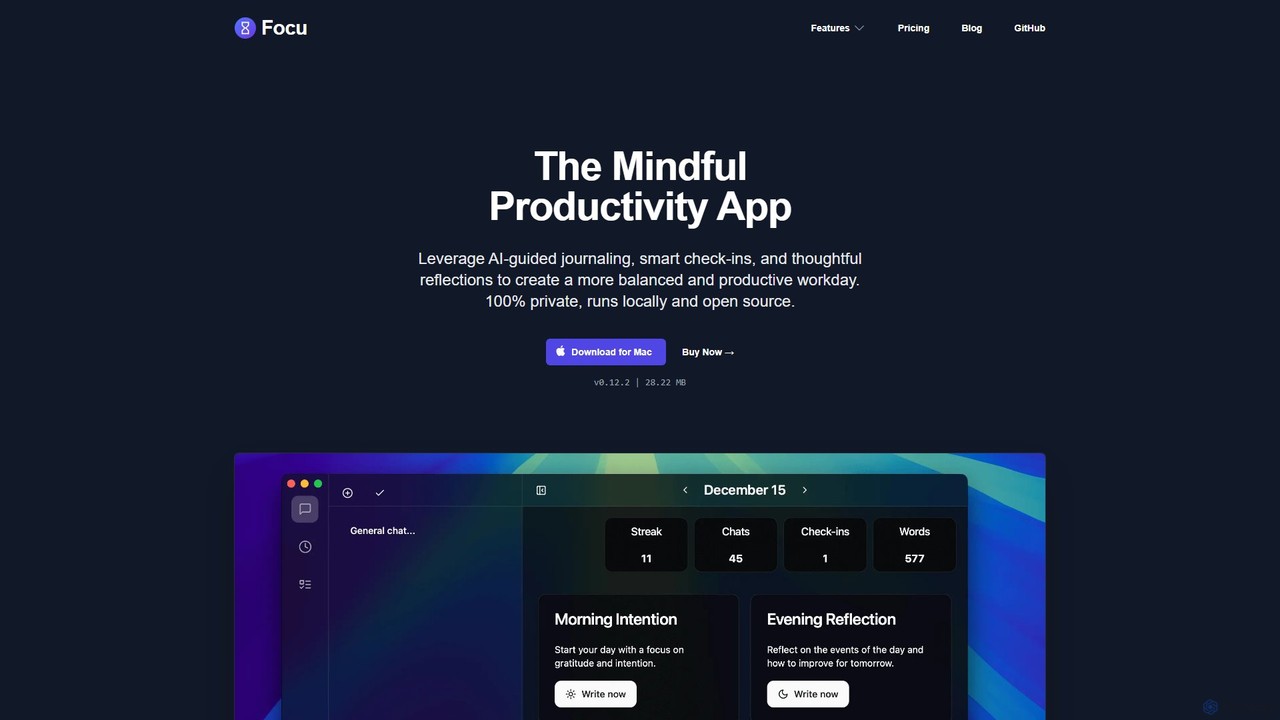
Focu is a mindful productivity app for Mac that enhances your workday with AI-guided journaling, smart check-ins, and …
Focu is a mindful productivity app for Mac that enhances your workday with AI-guided journaling, smart check-ins, and thoughtful reflections. It features a Pomodoro timer, AI task extraction, and operates 100% locally to ensure complete privacy. As an open-source tool with a one-time purchase model, Focu offers a balanced, focused, and secure approach to task management and personal well-being.
About Well Being
AI Well Being tools are applications that leverage artificial intelligence to support and enhance mental, emotional, and physical health. They typically use machine learning models to analyze user inputs like text, voice, and biometric data to offer personalized guidance. These tools provide accessible resources for stress management, mood tracking, guided meditation, and fitness coaching, making daily self-care more proactive and data-driven. Their primary advantage lies in delivering confidential, on-demand support tailored to an individual's unique patterns and needs.
Core Features
- Personalized Coaching: Generates custom fitness, nutrition, or mindfulness plans based on user goals and progress.
- Conversational Support: Offers AI chatbots for mood journaling, emotional support, and guided exercises like Cognitive Behavioral Therapy (CBT).
- Pattern Recognition: Analyzes data from journals or wearables to identify trends in mood, stress, and sleep.
- Biofeedback Analysis: Interprets biometric data such as heart rate variability (HRV) and sleep stages to provide health insights.
- Adaptive Content Delivery: Customizes guided meditations or educational content based on the user's real-time emotional state.
Use Cases
These tools are widely used by individuals for personal self-care and mental health maintenance. In corporate settings, they are integrated into employee wellness programs to reduce burnout and improve morale. Healthcare professionals and coaches may also recommend these apps as a supplementary resource for their clients to practice skills between sessions.
How to Choose
When selecting an AI Well Being tool, consider the scientific basis of its methods, such as CBT or mindfulness-based stress reduction. Prioritize applications with transparent data privacy policies. Evaluate the level of personalization and its ability to adapt to your specific needs. Also, check for compatibility with any wearable devices you use and ensure the user interface is intuitive and calming.
Well BeingUse Cases
Automated Mood Journaling and Analysis
For individuals seeking to understand their emotional patterns, an AI journaling tool offers a private space to log thoughts and feelings. The user writes daily entries, and the AI's natural language processing analyzes the text to identify recurring themes, sentiment shifts, and potential triggers for stress or anxiety. It then presents these insights through visual charts and summaries, helping the user connect daily activities with their mental state. This process transforms subjective feelings into objective data, empowering users to make informed changes to their routines for better emotional balance.
Personalized Guided Meditation for Stress Relief
A user feeling overwhelmed after a busy workday opens their AI meditation app. Instead of browsing a generic library, they input their current state: 'stressed' and 'unfocused.' The AI selects a 10-minute guided mindfulness session specifically designed to calm the nervous system and improve focus. It might even adjust the background sounds or narrator's pace based on previous user ratings. This adaptive approach ensures the meditation is highly relevant to the user's immediate needs, making it more effective than a one-size-fits-all session.
AI-Powered Fitness and Nutrition Planning
An individual aiming to improve their physical health uses an AI coach. After setting goals for weight management and muscle gain, the AI generates a weekly workout schedule and a personalized meal plan. The system adapts in real-time; if the user logs a high-intensity workout, it might suggest a protein-rich recovery meal. If they report low energy, it can adjust the next day's exercise intensity. This dynamic planning removes the guesswork from fitness and nutrition, providing a responsive and motivating path toward health goals.
Practicing Cognitive Behavioral Therapy (CBT) with a Chatbot
A user experiencing mild anxiety wants to learn coping mechanisms. They engage with an AI CBT chatbot that guides them through structured exercises. For example, the chatbot might help them identify negative thought patterns, challenge those thoughts, and reframe them in a more positive light. The sessions are available 24/7, providing immediate support during moments of distress. This tool serves as an accessible entry point to evidence-based psychological techniques, allowing users to build mental resilience at their own pace.
Sleep Pattern Analysis for Better Rest
Someone struggling with inconsistent sleep uses an AI tool that connects to their smartwatch. The tool collects data on sleep stages (light, deep, REM), duration, and interruptions. In the morning, it presents a detailed report and a 'sleep score.' More importantly, the AI correlates sleep quality with data from the previous day, such as caffeine intake, exercise times, or stress levels logged in a journal. It then provides specific, actionable advice, like 'Avoid caffeine after 2 PM' or 'Try a 15-minute wind-down routine before bed.'
Enhancing Corporate Employee Wellness Programs
An HR manager implements an AI well-being platform to support employee mental health. Employees get confidential access to a suite of tools, including stress-reduction exercises, AI coaching, and mental health resources. The AI platform provides the HR department with anonymized, aggregated data on workforce stress levels and engagement with wellness content. This allows the company to identify trends—such as increased stress during quarter-end—and proactively introduce targeted support initiatives, fostering a healthier and more productive work environment.