
heymavis
heymavis is an enterprise-grade AI content automation platform designed for publishers, affiliates, and marketing teams. It specializes in …
heymavis is an enterprise-grade AI content automation platform designed for publishers, affiliates, and marketing teams. It specializes in generating high-quality, factual, and SEO-friendly long-form content at scale. Key features include an AI article writer, batch content generation, automated news writing, and newsletter creation, supporting over 30 languages and seamless team collaboration.

ScriboRank
ScriboRank is an AI-powered content generation tool that creates SEO-optimized blog posts designed to rank high on Google. …
ScriboRank is an AI-powered content generation tool that creates SEO-optimized blog posts designed to rank high on Google. By analyzing top-performing content, it engineers articles with E-E-A-T compliance, strategic keyword placement, and optimal structure. It enables businesses and creators to produce high-quality, ranking-ready content in minutes, at a fraction of the cost of agencies or freelancers, driving targeted organic traffic.
sleepseo
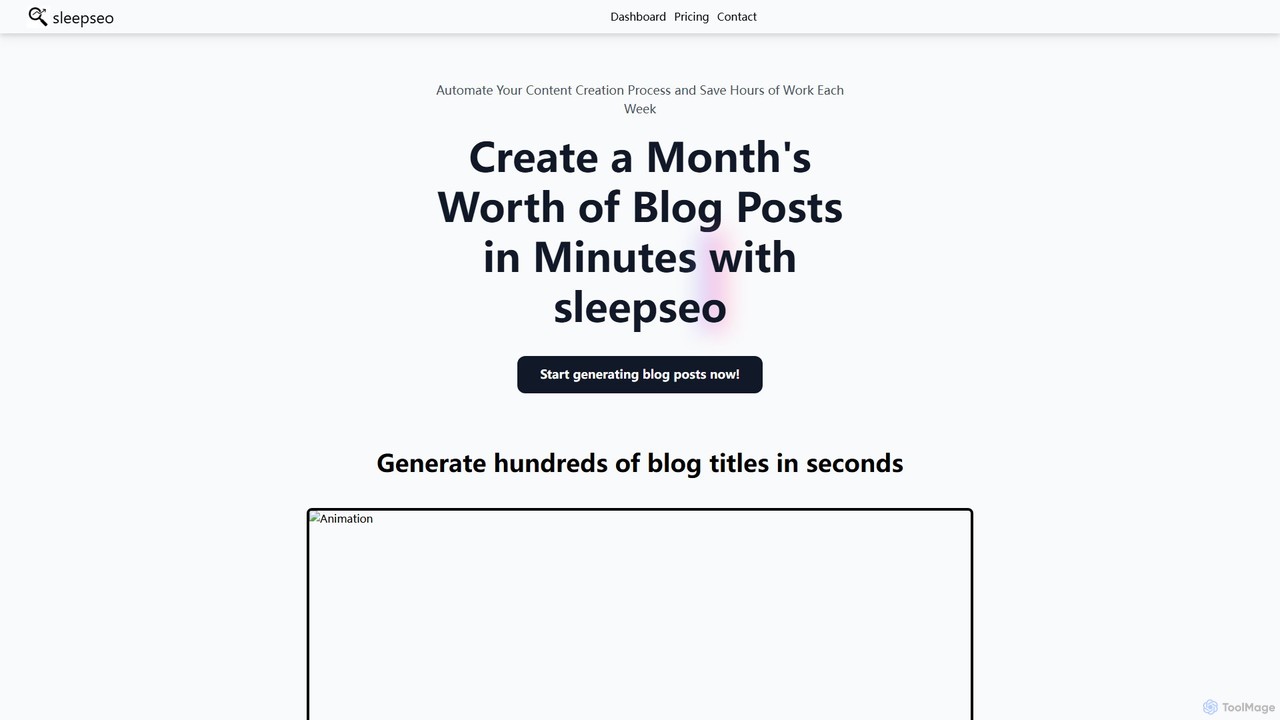
sleepseo is an AI-powered platform designed to automate and scale your content creation process. It enables users to …
sleepseo is an AI-powered platform designed to automate and scale your content creation process. It enables users to generate thousands of SEO-optimized blog posts from a list of titles in minutes, saving hours of manual work and helping to boost online visibility effortlessly.
auto_seo
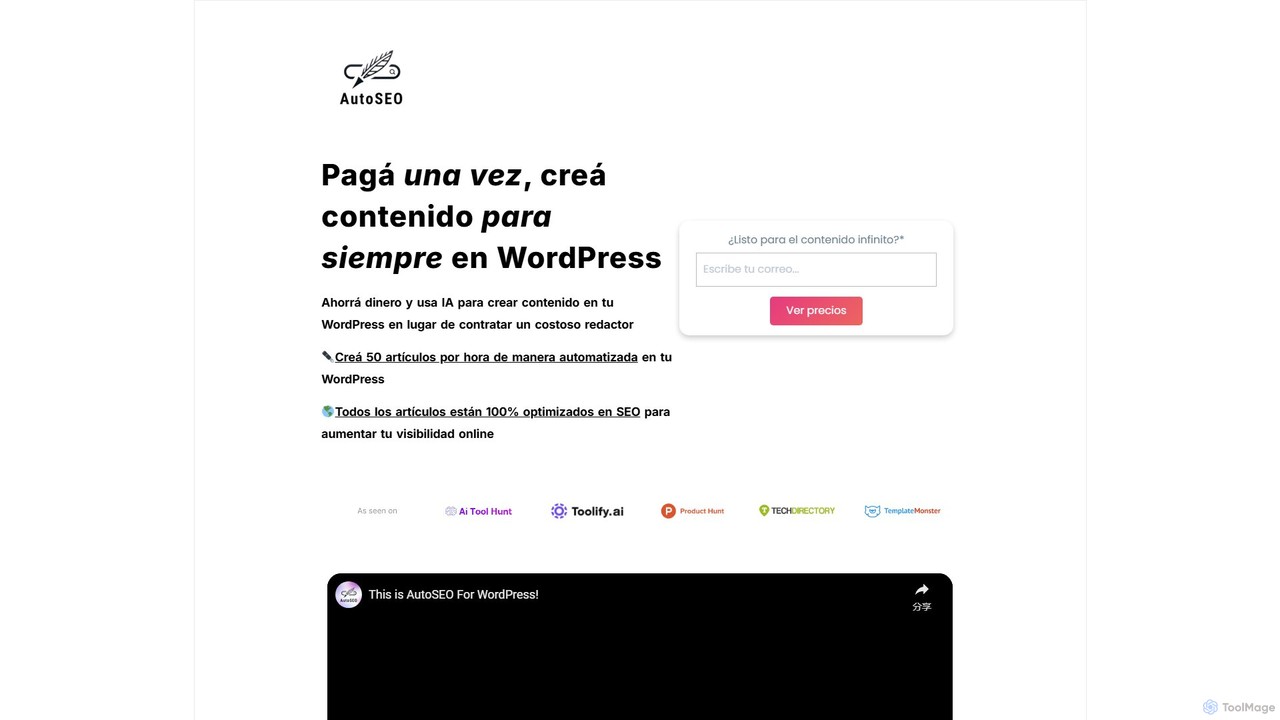
AutoSEO is an AI-powered tool designed for WordPress that automates the creation of SEO-optimized articles. By uploading keywords …
AutoSEO is an AI-powered tool designed for WordPress that automates the creation of SEO-optimized articles. By uploading keywords and setting prompts, users can generate over 50 high-quality blog posts per hour. It integrates seamlessly with WordPress for direct publishing, helping to save time, reduce costs, and scale content strategy to boost online visibility and organic traffic.
About Blog Writing
AI Blog Writing tools are specialized applications designed to automate and enhance the creation of blog content. They leverage advanced language models to generate article outlines, draft entire sections, and optimize text for search engines based on target keywords. These tools are essential for content marketers, bloggers, and businesses aiming to scale content production, maintain a consistent publishing schedule, and improve SEO performance. Unlike general writing assistants, they often include blog-specific features like SERP analysis and competitor headline suggestions.
Core Features
- Outline Generation: Creates structured article outlines with logical headings (H2, H3) based on a topic or keyword.
- Full-Article Drafting: Generates a complete, coherent blog post from a simple title, outline, or set of instructions.
- SEO Optimization: Integrates keyword analysis, suggests related terms, and provides readability scores to improve search rankings.
- Content Expansion & Rephrasing: Expands on brief points or rewrites existing paragraphs to improve clarity or adopt a different tone.
- Tone and Style Adaptation: Adjusts the writing style to match a brand's voice, from professional and technical to casual and witty.
Use Cases
These tools are widely used by content marketing teams to accelerate their content pipeline, SEO agencies to produce optimized articles for clients, and solo bloggers to overcome writer's block and publish more frequently. They are also valuable for small businesses that need to maintain an active blog without a dedicated writing team.
How to Choose
When selecting an AI Blog Writing tool, consider the depth of its SEO features, such as SERP analysis and keyword integration. Evaluate the quality and originality of the generated content. Also, check for integrations with platforms like WordPress or Google Docs, and ensure the tool supports the languages and topics relevant to your niche.
Blog WritingUse Cases
Scaling a Corporate Content Marketing Strategy
A marketing manager at a B2B SaaS company is tasked with increasing organic traffic. They use an AI blog writing tool to execute a high-volume content strategy. By inputting target keywords, the tool generates ten well-structured article drafts per week. The marketing team then focuses on fact-checking, adding unique industry insights, and refining the content, rather than writing from scratch. This approach allows them to publish multiple high-quality, optimized posts weekly, significantly boosting their content output and ability to target long-tail keywords.
Creating SEO Content Briefs for Freelancers
An SEO specialist at a digital marketing agency needs to provide clear instructions to freelance writers. They use an AI blog writing tool to generate comprehensive content briefs. By inputting a primary keyword, the tool analyzes top-ranking pages and produces a brief that includes a suggested title, a detailed H2/H3 outline, a list of LSI keywords to include, and questions to answer within the article. This automates the research process, ensures SEO alignment, and provides freelancers with a clear roadmap, leading to higher quality first drafts and fewer revisions.
Overcoming Writer's Block for Solo Bloggers
A solo blogger focusing on sustainable living feels uninspired and is struggling to start their next article. They turn to an AI blog writing tool for ideas. By entering the broad topic 'zero-waste kitchen tips', the tool generates several potential article titles, introductions, and a list of subtopics like 'composting basics', 'bulk food shopping', and 'DIY cleaning solutions'. This spark of inspiration helps the blogger overcome their writer's block, structure their thoughts, and begin drafting a detailed and engaging post for their audience.
Repurposing Video Content into Blog Posts
A content creator with a popular YouTube channel wants to expand their reach through a blog. To save time, they use an AI blog writing tool to repurpose their video content. They provide the tool with a transcript of a video about 'Beginner Photography Mistakes'. The AI then transforms the transcript into a well-structured, easy-to-read blog post, complete with headings, bullet points, and a concluding summary. This allows the creator to efficiently convert their existing video library into a rich source of written content, driving new organic traffic.
Drafting Niche Technical Articles
An engineer at a software company needs to write a blog post explaining a new complex feature. While they have the technical knowledge, they struggle with structuring the content for a broader audience. They use an AI blog writing tool by providing bullet points of the technical specifications. The AI generates a draft with a clear introduction, logical flow, and explanations in simpler terms, while maintaining technical accuracy. The engineer then reviews and refines the draft, adding specific code snippets and examples, completing the article in half the time.
Generating Blog Topic Ideas for a Content Calendar
A content strategist is planning the editorial calendar for the next quarter. To fill the calendar with relevant and engaging topics, they use an AI blog writing tool's ideation feature. They input their core themes, such as 'project management software' and 'team productivity'. The tool generates a list of 50+ blog post ideas, including listicles ('10 Ways to...'), how-to guides ('How to Improve...'), and thought leadership pieces ('The Future of...'). This provides a rich pool of ideas, saving hours of brainstorming and ensuring the content calendar is diverse and aligned with audience interests.