ToolMage
Sign in

AI TOOL COMPARISON

apiversion.dev vs Aviator

What is the difference, and which fits your workflow? Compare features, usage, pricing models and traffic side by side.

Jump to key differences

Product overview

apiversion.dev Product overview

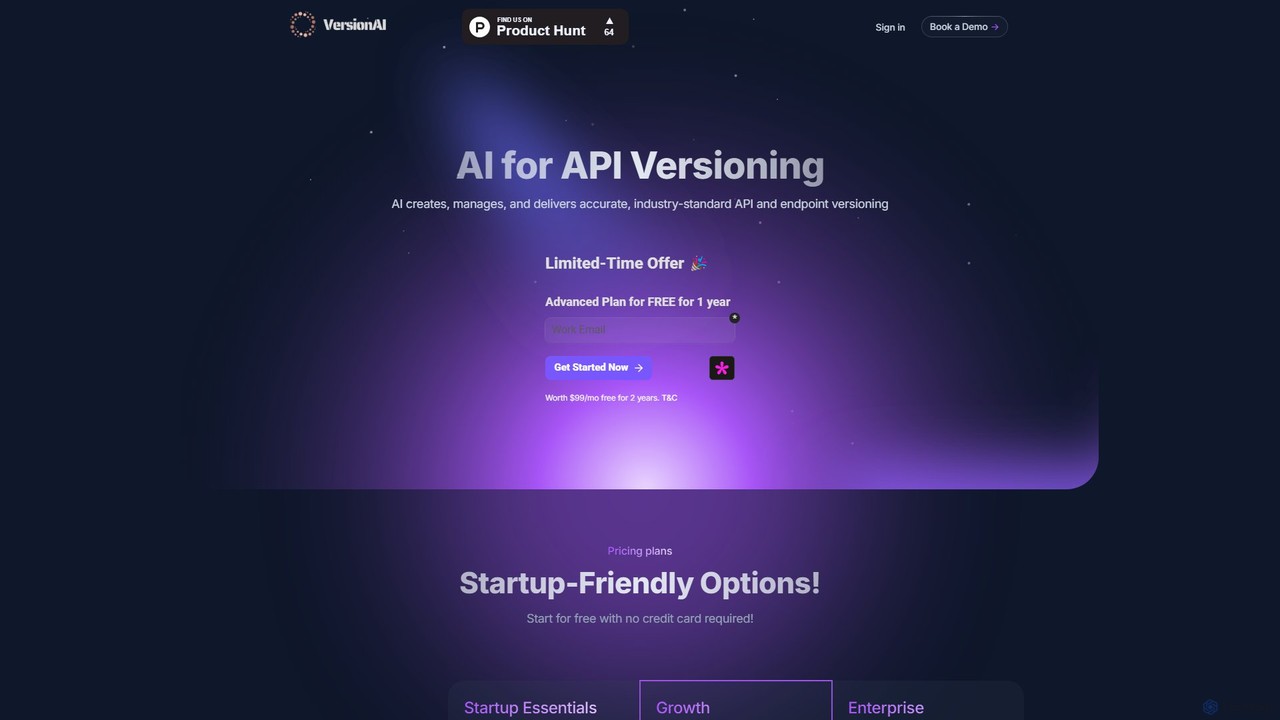
apiversion.dev is an AI-powered platform that automates API and endpoint versioning. It helps development teams create, manage, and deliver accurate, industry-standard versions using Semantic or Calendar Versioning. By integrating with CI/CD pipelines, it reduces manual errors, improves communication, and accelerates development cycles, ensuring seamless updates for both internal teams and external customers.

Preview

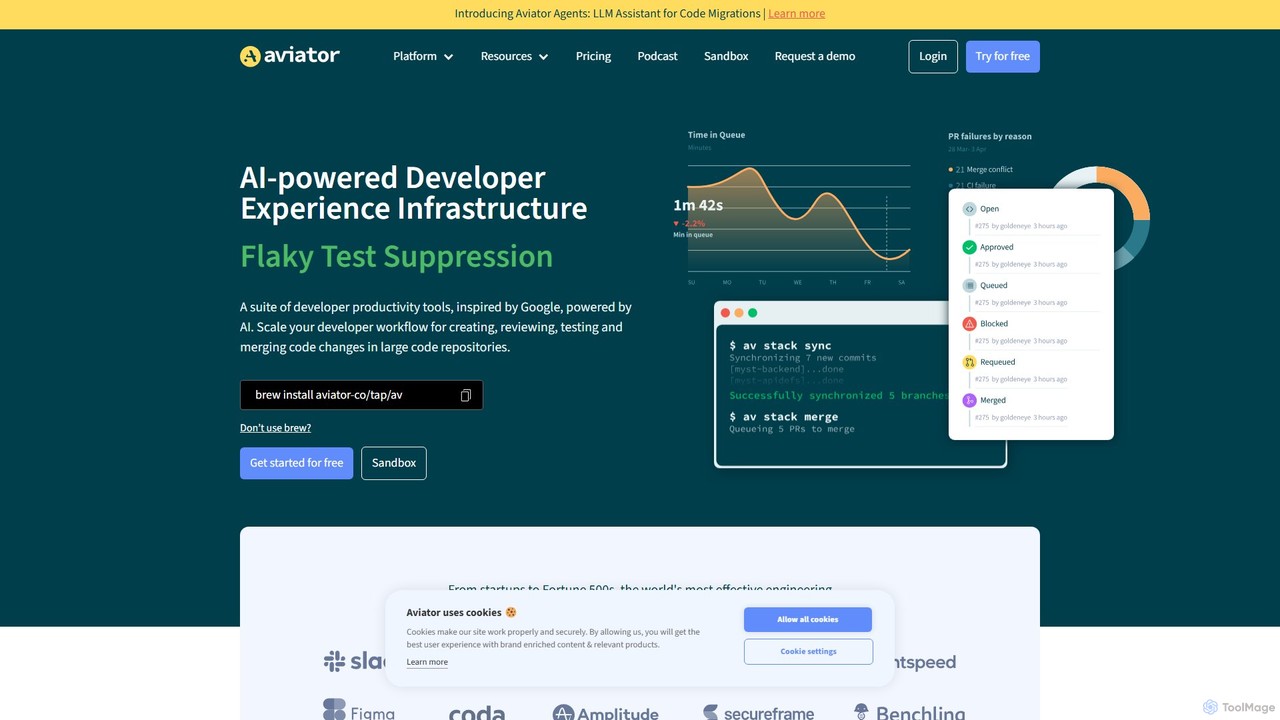
Aviator Product overview

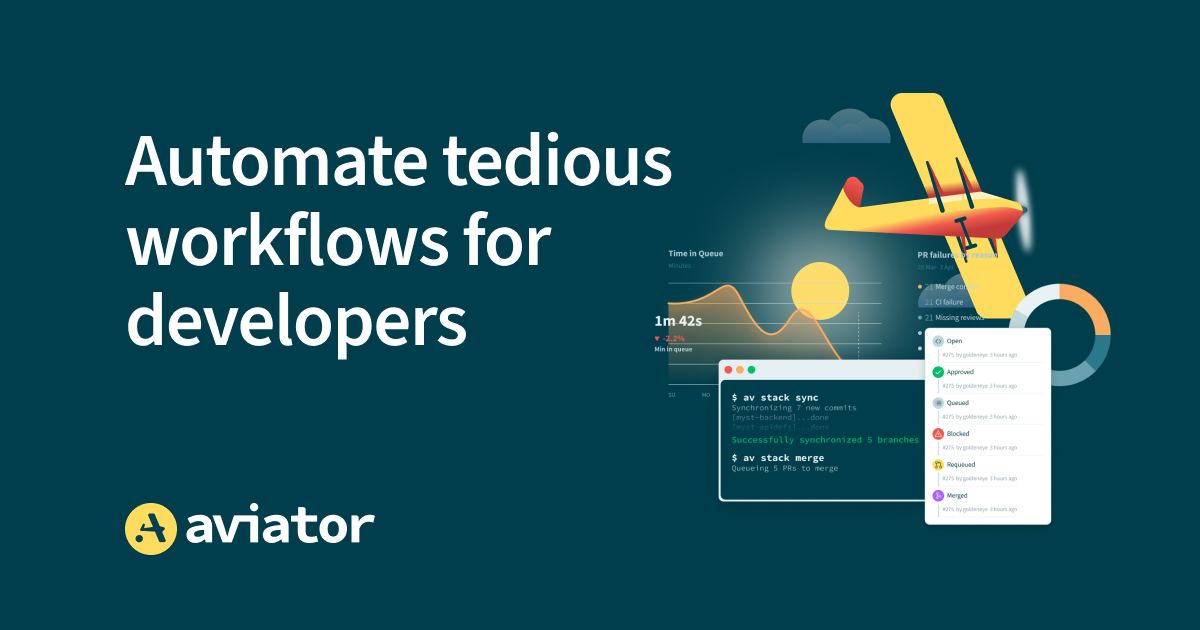
Aviator is a developer collaboration suite that automates the CI/CD pipeline, focusing on pull request management. It uses an automated merge queue to test, rebase, and merge code, ensuring the main branch remains stable and deployable, thereby boosting developer productivity and code quality.

Preview

Quick facts

Compare product focus, pricing models and audiences. Highlighted rows indicate different listed information; unknown pricing does not mean free.

apiversion.dev VS Aviator — Quick facts
Quick factsapiversion.devAviator
Pricing modelFreemiumFreemium
Product typeWebWeb
Primary focusApi ManagementCode Collaboration
Audience and rolesNo data availableNo data available
CategoriesApi Management · Devops · AutomationCode Collaboration · Continuous Integration · Automation
AddedAug 13, 2025Aug 10, 2025
UpdatedNov 19, 2026Nov 19, 2026

Features, usage and use cases

Explore the listed product descriptions, features and workflows. Taxonomy labels alone are not feature evaluations.

apiversion.dev

apiversion.dev is a sophisticated AI-driven platform designed to tackle one of the most critical and often complex aspects of software development: API versioning. It streamlines the entire versioning lifecycle, from creation and management to communication, ensuring that API changes are handled consistently, accurately, and in line with industry best practices. By automating this process, apiversion.dev frees up developers from tedious manual tasks, minimizes the risk of human error, and fosters better collaboration across teams.

The platform acts as a central nervous system for your API's evolution. It intelligently analyzes changes in your API specifications and automatically suggests or applies the correct version number, whether you prefer Semantic Versioning (SemVer), Calendar Versioning (CalVer), or simple incremental numbers. This ensures that every change, whether a major breaking update, a minor feature addition, or a simple patch, is correctly documented and versioned.

How to use apiversion.dev

Using apiversion.dev is designed to be a seamless integration into your existing development workflow. Here's a typical process:

  1. Connect Your Repository: Start by linking your code repositories (e.g., GitHub) to the apiversion.dev platform. This allows the AI to access and monitor your API specification files (like OpenAPI/Swagger).
  2. Configure Versioning Rules: Define your preferred versioning strategy. Choose between Semantic Versioning (e.g., 2.1.0), Calendar Versioning (e.g., 2024.08.01), or incremental versioning. You can set up rules for different APIs or projects.
  3. Integrate with CI/CD: Connect apiversion.dev to your CI/CD pipeline using tools like GitHub Actions. This enables the platform to analyze changes automatically during the pull request process.
  4. Automated Feedback: When a developer submits a pull request with changes to an API, the AI analyzes the modifications and provides instant feedback directly in the PR. It will suggest the appropriate version bump and summarize the changes.
  5. Merge and Publish: Once the pull request is approved and merged, apiversion.dev finalizes the new version. It automatically updates the version number in your specification file, records the change in a comprehensive version history, and can trigger downstream actions like publishing updated documentation or notifying team members via Slack.

Core Features of apiversion.dev

  • Automated Versioning Management: The core of the platform, using AI to create and maintain API and endpoint versions, eliminating manual effort and ensuring consistency.
  • Multiple Versioning Schemes: Full support for industry standards including Semantic Versioning (SemVer), Calendar Versioning (CalVer), and Incremental Versioning to fit any project's needs.
  • Comprehensive Version History: Maintains an immutable and detailed history of all API and endpoint versions, providing a clear audit trail and making it easy to track changes over time.
  • CI/CD Integration: Seamlessly integrates with GitHub Actions and other CI/CD tools to provide versioning feedback before code is merged, preventing last-minute rollbacks.
  • Developer Feedback Loop: Provides developers with precise versioning feedback on API changes directly within their pull requests, improving code quality and development speed.
  • Stakeholder Communication: Automatically keeps project managers, support teams, and customers informed with accurate API versioning information through integrations with Slack and reporting tools.
  • Broad Integration Support: Connects with essential developer tools including GitHub, Confluence, and cloud storage like Dropbox, S3, Google Drive, and OneDrive (Enterprise Plan).
  • Advanced Reporting: Generates detailed reports in HTML and GitHub Markup formats, with customizable cadences (weekly, monthly, etc.) to keep everyone aligned.

Use Cases for apiversion.dev

apiversion.dev is valuable for any organization that builds or relies on APIs:

  • SaaS Companies: For managing public-facing APIs, ensuring that customer integrations don't break unexpectedly and that changes are communicated clearly through predictable versioning.
  • Microservices Architectures: In complex systems with hundreds of internal services, it automates the versioning of inter-service APIs, preventing cascading failures caused by unannounced breaking changes.
  • API-First Companies: For businesses where the API is the primary product (like WristBand, mentioned in the testimonial), it provides the critical infrastructure for managing the API lifecycle professionally.
  • Large Enterprise Teams: Helps enforce a consistent versioning policy across multiple development teams and projects, improving governance and reducing integration chaos.

Advantages of apiversion.dev

The platform offers significant benefits:

  • Increased Developer Productivity: By automating a repetitive task, developers can focus on building features instead of debating version numbers.
  • Reduced Risk of Errors: AI-driven analysis is more reliable than manual checks, minimizing the risk of incorrect versioning that can lead to breaking changes.
  • Enhanced Collaboration: Creates a single source of truth for API changes, aligning developers, product managers, and technical support.
  • Improved Customer Confidence: Consumers of your API can rely on a stable, predictable versioning scheme, which builds trust and simplifies their own development work.
  • Accelerated Time-to-Market: By catching issues early in the development cycle, it prevents costly delays and rollbacks, allowing for faster and more frequent updates.

Pricing and Plans

apiversion.dev offers a freemium model designed to scale with your company's needs:

  • Startup Essentials Plan: $0/month. Ideal for early-stage startups and individual projects. Includes up to 5 APIs, 40 total endpoints, and unlimited users. Provides core features like API/Endpoint Versioning and Snapshot View.
  • Growth Plan: $199/month (or a discounted yearly rate). Designed for growing startups. Increases limits to 10 APIs and 100 total endpoints. Includes all features of the Startup plan plus weekly reports and enhanced support.
  • Enterprise Plan: Custom pricing (Book a Demo). Tailored for large or expanding companies with extensive needs. Includes 20+ APIs, 200+ endpoints, and unlocks all advanced features such as GitHub Actions & CI/CD integration, integrations with Confluence, S3, Google Drive, API Gateway management, and dedicated enterprise support.

Aviator

Aviator is an advanced developer collaboration and productivity suite designed to streamline the software development lifecycle, particularly the critical phase of code integration and merging. At its core, Aviator provides a robust automated merge queue system that eliminates the chaos of concurrent development, ensuring that your main branch is always stable, green, and ready for deployment. It is trusted by engineering teams at companies like TestRigor, Secureframe, and Health Catalyst to save countless hours of engineering time and reduce developer frustration.

The platform is built to enforce high standards for your CI/CD workflow. By automating tedious and error-prone tasks such as rebasing, monitoring pull requests (PRs), and resolving merge conflicts, Aviator empowers developers to focus on what they do best: writing code. It acts as an intelligent gatekeeper for your codebase, guaranteeing that every PR is thoroughly tested against the most up-to-date version of the main branch before being merged.

How to use Aviator

Getting started with Aviator is a straightforward process designed for quick integration and immediate impact:

  1. Integration: Connect Aviator to your GitHub account (both cloud and self-hosted Enterprise versions are supported). The setup process typically takes only a few minutes.
  2. Configuration: Define your merge rules and required checks within a simple configuration file. You can specify which automated tests, linters, and human reviews must pass before a PR is eligible for the queue.
  3. Workflow Automation: Once a developer's PR is approved and passes initial checks, they can add it to the Aviator MergeQueue with a simple command or label.
  4. Automated Merging: Aviator takes over from here. It sequentially picks up PRs from the queue, automatically rebases them on the latest main branch, runs the full suite of tests one last time to ensure compatibility, and merges the code upon success.
  5. Failure Handling: If a PR fails the final validation in the queue, Aviator automatically notifies the author, removes the problematic PR, and continues processing the next one, preventing any broken code from reaching the main branch.

Core Features of Aviator

  • Automated MergeQueue: Serializes the merging of PRs to prevent race conditions and semantic conflicts, ensuring the main branch is never broken.
  • Automatic Rebasing: Keeps PRs constantly updated with the latest changes from the main branch, saving developers from manual and repetitive rebasing tasks.
  • Flaky Test Management: Intelligently identifies and handles flaky tests that fail intermittently, preventing them from blocking the development pipeline unnecessarily. This can include automatic retries or temporary quarantining.
  • CI/CD Optimization: Streamlines the entire continuous integration process, leading to faster and more reliable builds and deployments.
  • Comprehensive GitHub Integration: Works seamlessly with GitHub Pull Requests, Checks, and supports GitHub Enterprise (Cloud and Self-Hosted).
  • On-Premise Deployment: Offers on-premise installation options using Docker or Kubernetes for organizations with strict security and compliance requirements.

Use Cases for Aviator

Aviator is ideal for engineering teams of all sizes looking to improve their development velocity and code quality:

  • High-Growth Startups: Helps maintain a stable and fast-moving codebase as the engineering team scales rapidly.
  • Large Enterprise Teams: Manages the complexity of having hundreds of developers committing code to the same repositories, preventing merge conflicts and integration hell.
  • Quality-Focused Organizations: Enforces strict quality gates and testing protocols, ensuring that every piece of code merged is reliable and deployable.
  • Teams with Long Test Suites: Automates the 'wait-test-merge' cycle, freeing developers from monitoring long-running CI jobs.

Advantages of Aviator

Adopting Aviator provides significant benefits:

  • Increased Developer Productivity: Developers can 'set and forget' their PRs, saving hours each week previously spent on manual merging, rebasing, and monitoring.
  • Enhanced Code Stability: Guarantees a perpetually green and deployable main branch, eliminating the stress and downtime caused by broken builds.
  • Faster Development Cycles: By automating the final stage of the development workflow, teams can merge and ship features more quickly and confidently.
  • Improved Developer Experience: Reduces frustration associated with merge processes and CI failures, leading to a happier and more focused engineering team.

Pricing and Plans

Aviator offers a flexible pricing model designed to scale with your team. It includes a 14-day free trial that does not require a credit card. The pricing is based on the number of 'active collaborators'—defined as users who have created a Pull Request that utilizes Aviator within a billing period. There is no charge for the number of users who only need access to the dashboard. Several plans are available, and you can upgrade or change your plan at any time. For organizations with specific security needs, an On-Premise license is available upon request, supporting self-hosted environments.

Positioning

Their taxonomy shows where the products overlap and where each one has a more distinct focus. Unknown fields are shown explicitly and are never filled with assumptions.

Categories

Shared
Automation
Only apiversion.dev
Api ManagementDevops
Only Aviator
Code CollaborationContinuous Integration

Tags

Shared
automationCI/CDdeveloper toolsdevopssoftware development
Only apiversion.dev
APIapi managementopenapisemantic versioningversioning
Only Aviator
code qualitycontinuous integrationgithubmerge queuepull request

Audience and roles

Shared
No listed items
Only apiversion.dev
No listed items
Only Aviator
No listed items

Traffic comparison

Traffic is shown on the same scale so differences in market visibility are not visually understated.

How to interpret the traffic data

Both charts share the same months and vertical scale. Each tool identifies its latest reporting month; missing months are left blank, not counted as zero. Regional and source visit counts are estimates calculated from the reported shares.

apiversion.dev

No data available

Aviator monthly traffic:

Latest traffic · 2026-05

Monthly visits
72.6K
Avg. visit duration
0:39
Pages per visit
1.91
Bounce rate
39.39%
Data updated 2026-06-15

Monthly traffic trend

  • 2025-09: 83.3K
  • 2026-01: 98K
  • 2026-02: 62.7K
  • 2026-03: 84.9K
  • 2026-04: 76.7K
  • 2026-05: 72.6K

Top regions

Top 5 countries/regions
Country/regionPercentageEstimated visits
🇺🇸United States60.4%43.9K
🇳🇬Nigeria12.2%8.9K
🇮🇳India10.51%7.6K
🇩🇪Germany9.34%6.8K
🇻🇳Vietnam7.55%5.5K

Traffic sources

Source typePercentageEstimated visits
Direct82.75%60.1K
Referral15.07%10.9K
Email2.18%1.6K

Search keywords

aviatoraviator companyaviator co.zagit undo last commitpostgresql wallpaper

Community signals

Ratings, comments, favorites, and likes are community signals—not a substitute for product fit.

apiversion.dev

Rating
No data available
Comments
0
Favorites
149
Likes
159

Aviator

Rating
No data available
Comments
0
Favorites
168
Likes
166

apiversion.dev vs Aviator · Comparison FAQ

What do apiversion.dev and Aviator have in common?
Both tools are listed under Automation. These categories indicate overlapping use cases; compare their detailed descriptions for workflows, capabilities and limitations.
Are apiversion.dev and Aviator free?
Listed pricing models: apiversion.dev — Freemium; Aviator — Freemium. Missing pricing is not proof of a free plan, and freemium does not mean every feature is free. Check official sites for current plans, limits and trials.
How should I choose between apiversion.dev and Aviator?
The primary listed category is Api Management for apiversion.dev, and Code Collaboration for Aviator. Compare features, steps and use cases, then verify pricing, data permissions and deployment needs. This page does not include hands-on testing and does not declare a winner from traffic or tags.

Sources and comparison methodology

This page is assembled from ToolMage product listings, taxonomy, traffic statistics and on-site user feedback. It is not a hands-on test or an independent review.
  • Feature and plan descriptions reflect information in the listings, not real-time guarantees. Verify pricing, quotas, availability and privacy terms on the official sites.
  • Traffic uses the reporting months shown. Missing statistics do not mean zero visits, and different periods do not establish growth or superiority. Regional and source visit counts are estimates based on shares.
  • Different tags indicate differences in the listings, not proof that the other product lacks a capability. Ratings, favorites and visits are not used to declare a winner.

Related comparisons