Seeles
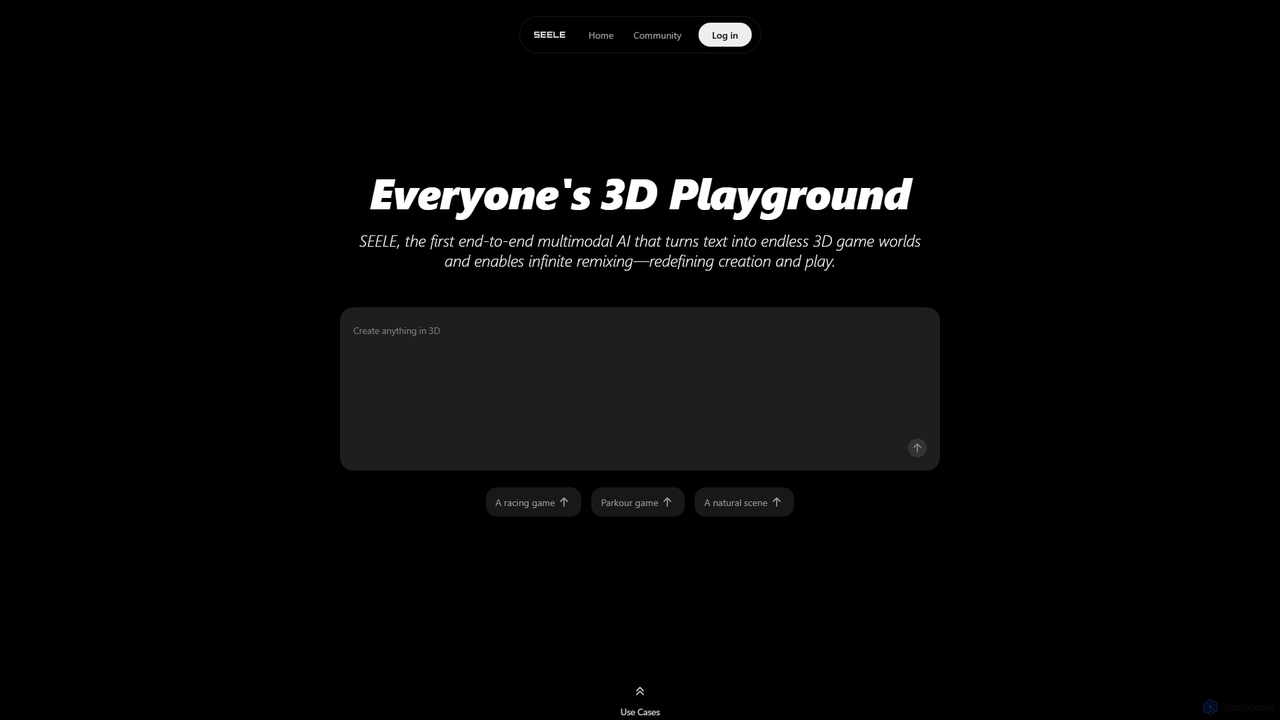
Seeles is a pioneering end-to-end multimodal AI platform that transforms simple text prompts into fully playable 3D game …
Seeles is a pioneering end-to-end multimodal AI platform that transforms simple text prompts into fully playable 3D game worlds. It empowers creators of all levels to generate and infinitely remix interactive environments, characters, and game mechanics without coding. From racing games to mystery adventures, Seeles redefines creation and play by making game development accessible to everyone.
DreamWorld
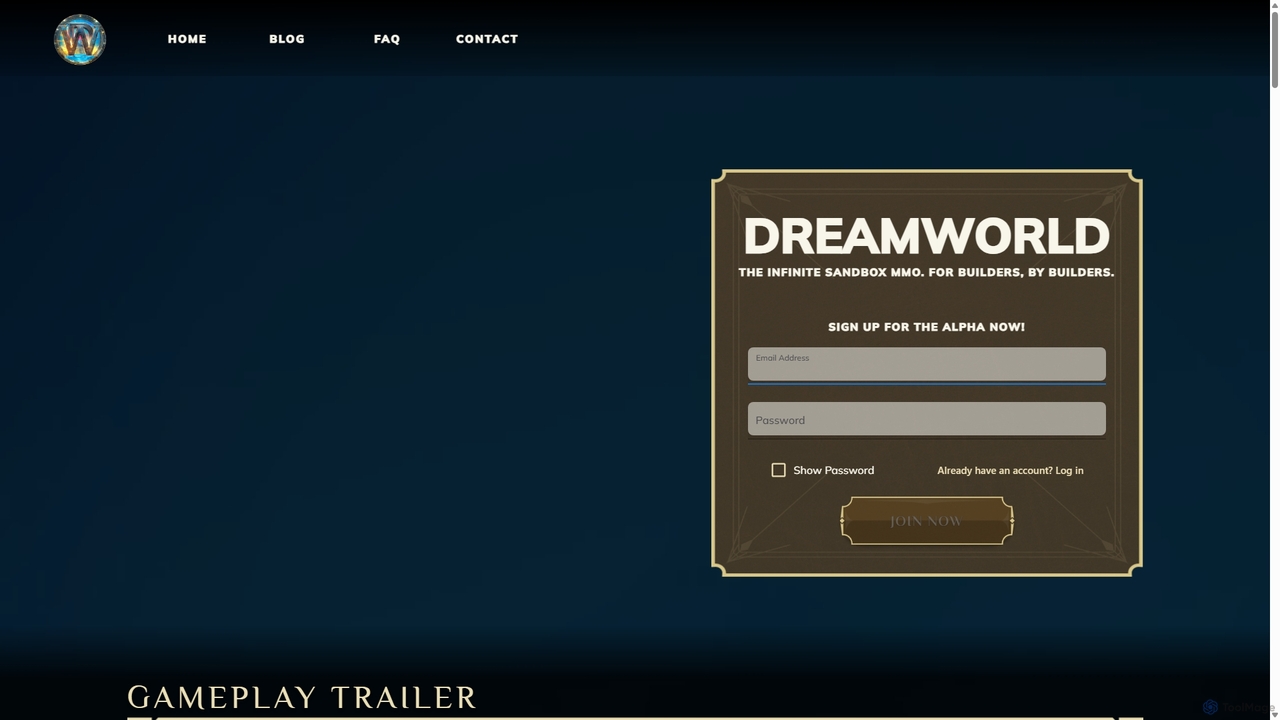
DreamWorld is an infinite sandbox MMO game where players build, explore, and fight together in a single, procedurally …
DreamWorld is an infinite sandbox MMO game where players build, explore, and fight together in a single, procedurally generated world. Its standout feature is the AI-powered 'DreamForge,' which allows players to create 3D objects simply by typing text descriptions, bringing any idea to life within the game.
Matterport
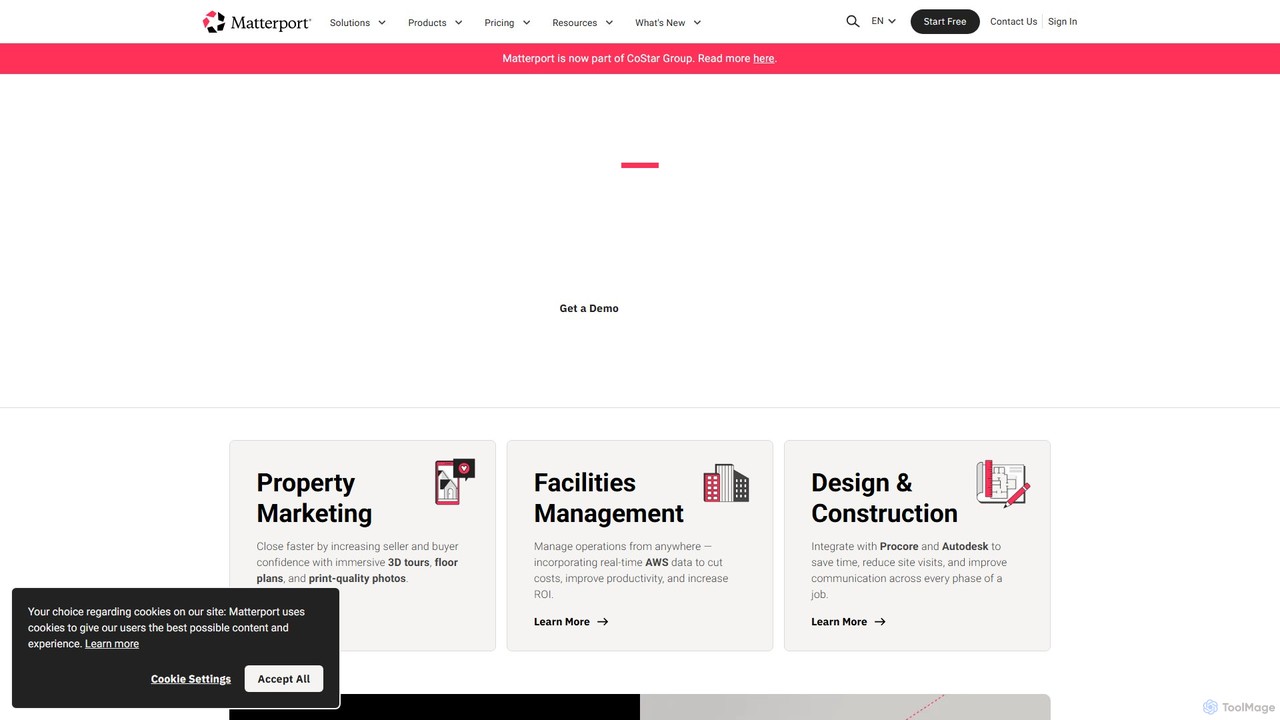
Matterport is a leading AI-powered platform for creating immersive 3D digital twins of physical spaces. It enables users …
Matterport is a leading AI-powered platform for creating immersive 3D digital twins of physical spaces. It enables users to capture, share, and collaborate on interactive 3D models for industries like real estate, construction, and facilities management. The platform transforms spatial data into photorealistic, dimensionally-accurate virtual experiences, complete with integrated data and tools.
Polycam
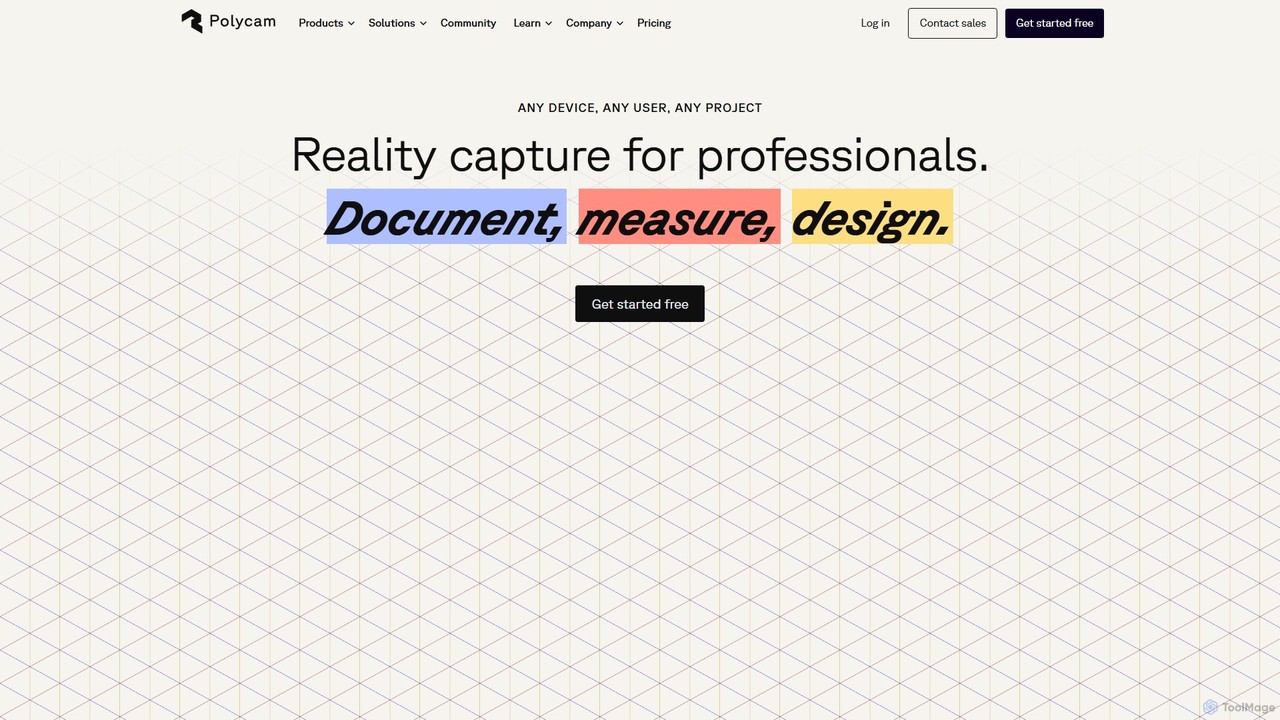
Polycam is a leading 3D capture application for iOS, Android, and Web, using LiDAR and photogrammetry to create …
Polycam is a leading 3D capture application for iOS, Android, and Web, using LiDAR and photogrammetry to create high-quality 3D models, floor plans, and drone maps. It's designed for professionals in architecture, construction, real estate, and e-commerce, as well as for creators and hobbyists.
Unity
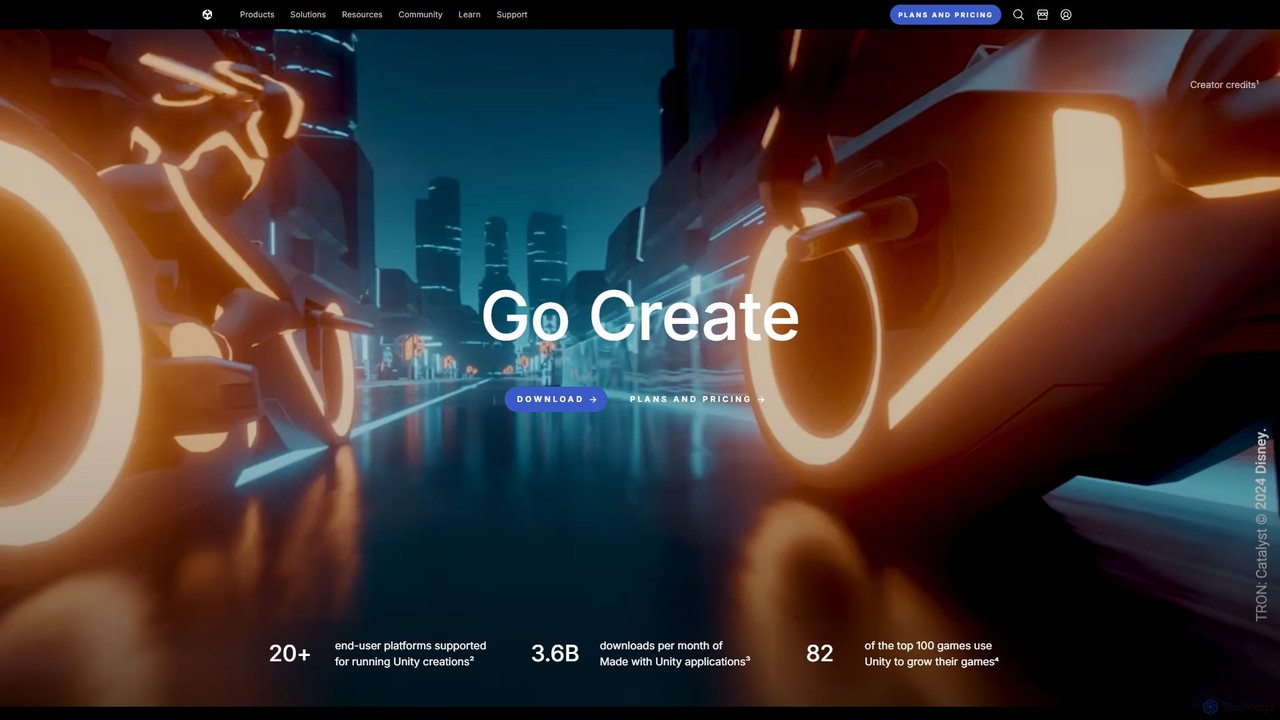
Unity is the world's leading real-time 3D development platform for creating and operating interactive content. It empowers creators …
Unity is the world's leading real-time 3D development platform for creating and operating interactive content. It empowers creators across industries, from gaming and film to automotive and architecture, to build immersive experiences for over 20 platforms, including PC, mobile, console, VR, and AR.
About 3D Modeling
3D Modeling tools powered by AI are a category of advanced software that leverage artificial intelligence to automate and enhance the creation of three-dimensional digital models. These tools utilize sophisticated algorithms, often based on deep learning, to interpret various inputs—such as text descriptions, 2D images, or even simple sketches—and generate complex 3D geometries, textures, and animations. They significantly accelerate the design process, enabling users to rapidly prototype, iterate, and produce high-quality digital assets for a wide range of applications, from game development to industrial design.
Core Features
- Text-to-3D Generation: Converts natural language descriptions into detailed 3D models.
- Image-to-3D Reconstruction: Transforms 2D images or multiple photographs into realistic 3D objects.
- Automated Mesh Optimization: Intelligently simplifies or refines 3D model geometry for performance or detail.
- AI-Powered Texturing: Automatically generates or applies realistic textures and materials to 3D models.
- Parametric Design Assistance: Aids in creating adaptable 3D models based on user-defined parameters and AI suggestions.
Applicable Scenarios
AI 3D Modeling tools are invaluable across industries requiring rapid digital asset creation. Game developers use them to quickly populate virtual worlds with props and environments. Product designers leverage AI for rapid prototyping and concept visualization, transforming initial ideas into tangible 3D forms. Architects and interior designers utilize these tools for generating conceptual building models or furnishing layouts, streamlining the early design phases.
How to Choose
When selecting an AI 3D Modeling tool, consider its core generative capabilities, such as text-to-3D or image-to-3D accuracy, and the range of supported output formats for compatibility with existing workflows (e.g., OBJ, FBX, GLB). Evaluate the complexity of models it can handle and its integration with other design software. Finally, assess the user interface's intuitiveness and the pricing model, balancing advanced features with ease of use and budget constraints.

3D ModelingUse Cases
Rapid Prototyping for Industrial Design
Industrial designers can utilize AI 3D modeling tools to quickly generate multiple design iterations from simple text prompts or 2D sketches. For instance, a designer needing a new ergonomic chair concept can input "modern office chair with lumbar support and adjustable armrests" to receive several distinct 3D models. This significantly reduces the initial concept development time, allowing for faster feedback and refinement cycles, potentially cutting design lead times by 50%.
Accelerating Game Asset Creation
Game developers often require a vast library of 3D assets for environments, props, and characters. AI 3D modeling tools enable artists to generate base meshes or textured models from simple descriptions or reference images. An artist can input "ancient stone pillar with moss" to instantly get a game-ready asset, freeing up time for more complex artistic detailing. This automation can accelerate asset production by up to 70%, allowing for richer game worlds.
Conceptual Architectural Visualization
Architects and urban planners can leverage AI 3D modeling for early-stage conceptual visualization. By providing basic floor plans or textual descriptions like "modern minimalist house with large windows and a flat roof," the AI can generate preliminary 3D building models. This allows for quick exploration of different design options and client presentations without extensive manual modeling, enhancing client engagement and reducing initial design costs.
E-commerce Product 3D Visualization
E-commerce businesses can transform 2D product photos into interactive 3D models for augmented reality (AR) viewing or virtual try-on experiences. An online retailer can upload a series of product images (e.g., a shoe from different angles), and the AI tool reconstructs a high-fidelity 3D model. This provides customers with a more immersive shopping experience, potentially increasing conversion rates by offering a clearer product understanding.
Custom 3D Print Model Generation
Hobbyists and small businesses involved in 3D printing can use AI 3D modeling to create unique, custom objects without needing advanced CAD skills. By describing the desired object, such as "a decorative vase with a swirling pattern and a narrow neck," the AI generates a printable 3D model. This democratizes complex design, allowing for personalized creations and rapid iteration of physical prototypes for various applications.
Pre-visualization for Film and Animation
Film and animation studios can utilize AI 3D modeling for rapid pre-visualization (pre-vis) of scenes and character blocking. Directors or animators can quickly generate placeholder 3D models of objects, environments, or even basic character poses from textual prompts. This allows for efficient scene composition and camera angle testing before committing to detailed asset creation, streamlining the production pipeline and saving significant resources.