ToolMage
Sign in

Best 2 Campaign Management AI tools for Advertising

Popular Campaign Management AI tools in Advertising include Adsroid and Head AI, helping you work more efficiently.

Adsroid
Freemium

Adsroid

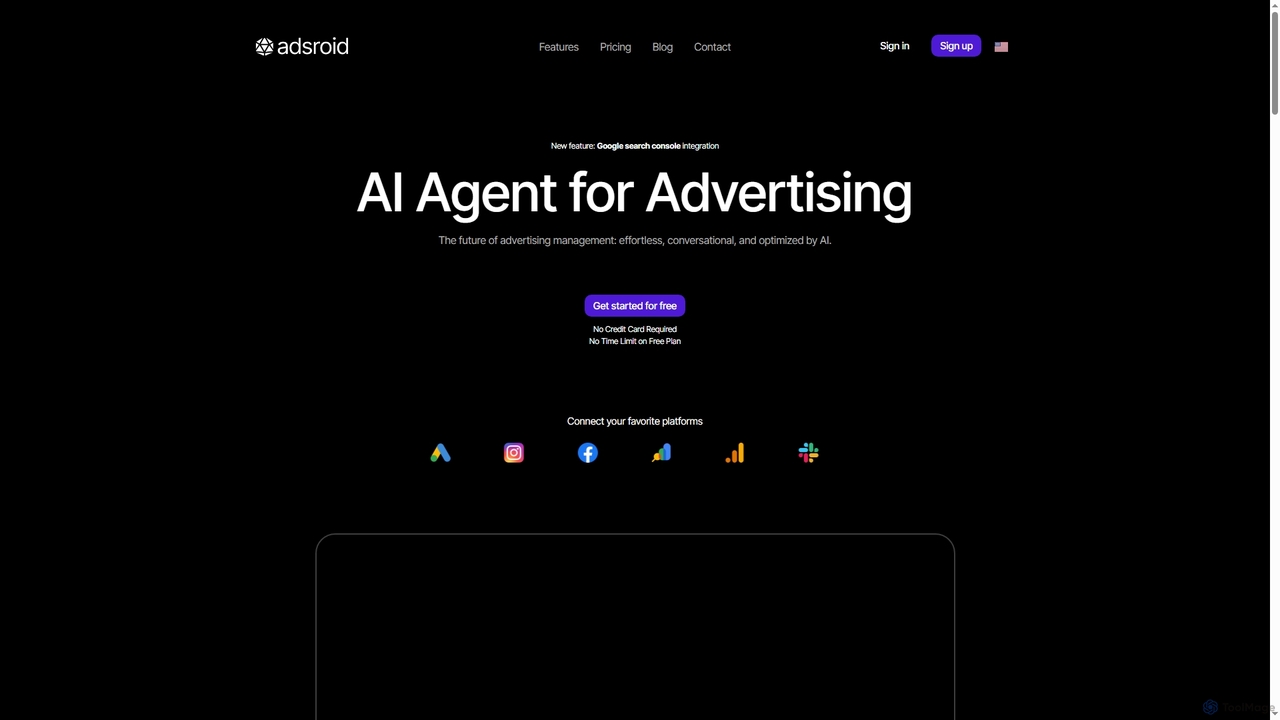
Adsroid is an AI-powered conversational agent designed to simplify and optimize advertising campaign management across platforms like Google Ads and Meta Ads. It provides instant, expert-level recommendations, real-time insights, and automated optimizations through a user-friendly chat interface, helping freelancers, agencies, and teams enhance ad performance and save time.

Campaign Management
Visits 17.1KFavorites 109Likes 108
Head AI
Paid

Head AI

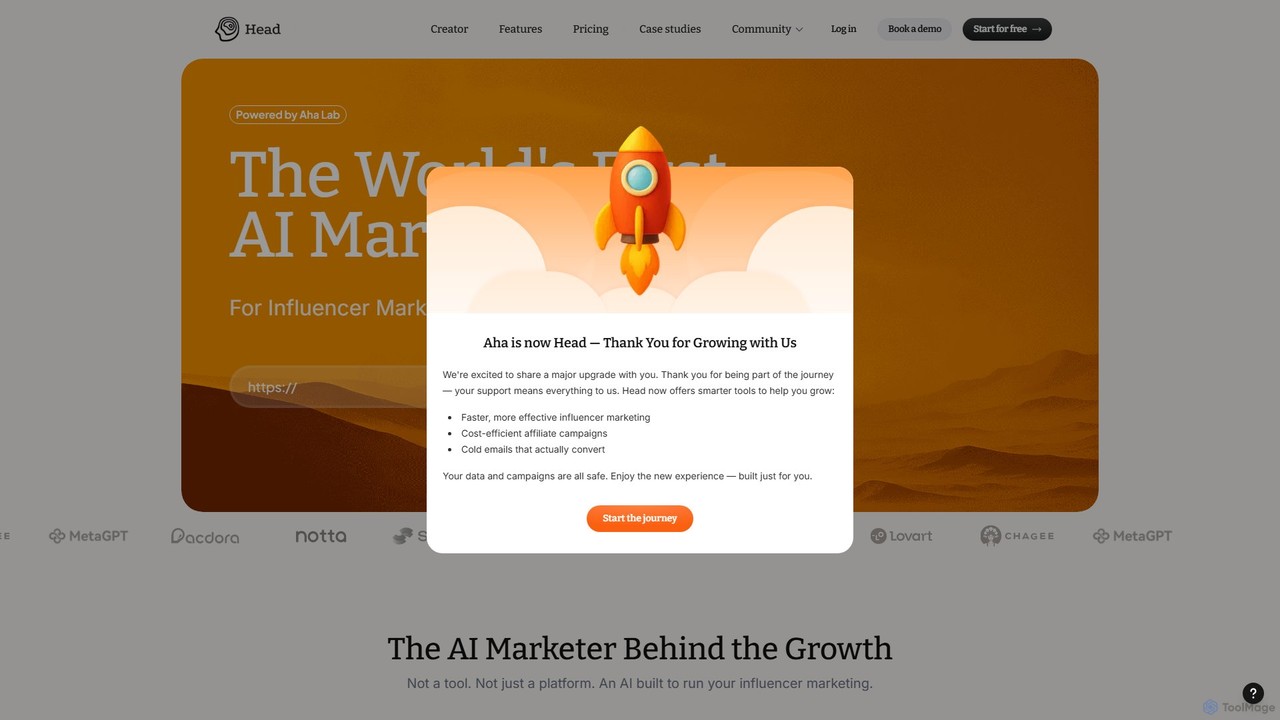
Head AI is the world's first AI Marketer, a service you hire to fully manage and automate your influencer marketing campaigns. It handles everything from creator discovery and negotiation to campaign execution and performance tracking, aiming to significantly boost ROI and scale growth for brands.

Campaign Management
Visits 12.9KFavorites 112Likes 107

About Campaign Management

AI Campaign Management tools are platforms designed to automate, orchestrate, and optimize marketing campaigns across multiple channels. These tools leverage artificial intelligence to analyze data, predict outcomes, and make real-time adjustments to budget allocation and targeting. They provide a centralized hub for planning, executing, and measuring the performance of complex initiatives, from social media and email to paid advertising. This integrated approach helps marketers ensure message consistency, improve efficiency, and maximize return on investment (ROI).

Core Features

  • Multi-Channel Orchestration: Centrally manage and schedule content across email, social media, PPC, and other digital channels.
  • AI-Powered Budget Optimization: Automatically allocate and shift budgets between channels and campaigns based on real-time performance data.
  • Unified Analytics & Reporting: Consolidate performance metrics from all channels into a single dashboard for comprehensive campaign analysis.
  • Audience Segmentation & Personalization: Use AI to identify and target specific audience segments with tailored messaging and offers.
  • Automated A/B Testing: Systematically test different ad creatives, copy, and landing pages to identify the most effective combinations.

Use Cases

These tools are essential for marketing managers, digital advertising agencies, and e-commerce businesses. They are used to manage product launches, seasonal promotions, lead nurturing sequences, and brand awareness campaigns. By centralizing control, teams can execute more sophisticated, data-driven strategies without the manual effort of managing each channel separately.

How to Choose

When selecting a Campaign Management tool, consider the channels it supports and its integration capabilities with your existing CRM and analytics platforms. Evaluate the sophistication of its AI-powered optimization and automation features. Also, assess the granularity of its reporting dashboard and whether its pricing model aligns with your campaign scale and budget.

Campaign Management use cases

1

Orchestrating a Multi-Channel Product Launch

A marketing manager for a tech company is tasked with launching a new software product. Using an AI Campaign Management tool, they create a unified campaign plan. The tool allows them to schedule a sequence of activities: pre-launch teaser emails, coordinated social media announcements on launch day, and targeted PPC ads to drive initial sign-ups. The AI optimizes ad spend in real-time, shifting budget to the best-performing channels. The manager can view a consolidated dashboard to track overall progress and report on key metrics like leads generated and cost per acquisition across all channels, ensuring a cohesive and impactful launch.

2

Optimizing E-commerce Holiday Promotions

An e-commerce manager needs to maximize sales during the Black Friday period. They use a campaign management platform to plan and execute a multi-touchpoint campaign. This includes early-bird email offers, countdown posts on Instagram, and aggressive Google Shopping ads. The tool's AI automatically adjusts ad bids based on competitor pricing and inventory levels. It also segments the audience, showing high-value customers exclusive deals. The manager can track revenue and Return on Ad Spend (ROAS) in a single view, allowing for quick decisions to pause underperforming ads and scale successful ones, maximizing profitability during the critical sales period.

3

Automating B2B Lead Nurturing Sequences

A B2B marketing team wants to nurture leads from a recent webinar. They use a campaign management tool to build an automated, multi-channel nurturing sequence. When a lead is tagged in the CRM, it triggers the campaign. The sequence starts with a follow-up email, followed by a LinkedIn ad showing a relevant case study a few days later. If the lead engages, they receive an invitation for a demo. The tool tracks each interaction, allowing the sales team to see a lead's full engagement history before making a call. This automates the top-of-funnel process and ensures leads are properly warmed up before sales outreach.

4

Centralizing Agency Reporting for Multiple Clients

A digital advertising agency manages campaigns for ten different clients across Google Ads, Facebook, and LinkedIn. Instead of manually pulling reports from each platform for each client, the agency uses a campaign management tool. It connects to all ad accounts and consolidates the data into a single, unified dashboard. The agency can create custom, white-labeled reports for each client with just a few clicks, showing key metrics like spend, impressions, clicks, and conversions. This saves dozens of hours each month on manual reporting, reduces the chance of errors, and provides clients with clear, professional, and consistent performance updates.

5

A/B Testing Ad Creatives Across Channels

A performance marketer wants to determine which ad creative resonates best with their target audience. They use a campaign management tool to set up an A/B test. They upload two different video ads and three different headlines. The tool automatically creates all possible combinations and runs them simultaneously across Facebook and YouTube. The AI-driven platform monitors click-through rates (CTR) and conversion rates in real-time. After collecting enough data, it automatically allocates more budget to the winning combination of video and headline, ensuring the campaign budget is spent on the most effective creative without manual intervention.

6

Managing Brand Awareness Campaign Budgets

A brand manager is running a large-scale awareness campaign with a fixed quarterly budget. They use a campaign management platform to set budget caps and pacing rules across all channels, including programmatic display, social media, and connected TV. The tool's AI provides budget allocation recommendations to maximize reach and frequency among the target demographic. It sends automated alerts if any channel is overspending or underspending significantly. This allows the manager to maintain tight control over the budget, make data-backed adjustments, and ensure the campaign delivers the maximum possible impact without exceeding its financial limits.

Campaign Management FAQ

What are AI Campaign Management tools?

AI Campaign Management tools are software platforms that centralize the planning, execution, analysis, and optimization of marketing campaigns across multiple channels. Unlike single-channel advertising tools, they provide a holistic view of all marketing efforts. They use AI to automate repetitive tasks, optimize budget allocation in real-time, personalize customer journeys, and provide unified reporting, helping marketing teams to run more efficient and effective integrated campaigns.

How to choose the right Campaign Management tool?

Choosing the right tool depends on your specific needs. Consider the following factors:

  • Channel Support: Ensure the tool integrates with all the marketing channels you use (e.g., Google Ads, Facebook, email, LinkedIn).
  • Integration Capabilities: Check if it connects seamlessly with your existing tech stack, especially your CRM and analytics platforms.
  • Automation Level: Evaluate the sophistication of its AI features. Does it offer predictive analytics, automated budget optimization, and dynamic creative optimization?
  • Reporting & Analytics: Assess the depth and customizability of its reporting dashboard. Can it track the metrics that matter most to your business?
  • Scalability & Pricing: Choose a tool with a pricing model that aligns with your budget and can scale as your campaign complexity and spending grow.
What's the difference between Campaign Management and a CRM?

While they often integrate, Campaign Management tools and Customer Relationship Management (CRM) platforms serve different primary functions. A CRM is a system of record for all customer data and interactions, focusing on managing long-term relationships. A Campaign Management tool, on the other hand, is a system of engagement focused on executing and measuring specific, time-bound marketing initiatives (campaigns) across multiple channels. In short, a CRM manages who your customers are, while a campaign management tool manages how you actively market to them.

Can these tools manage both organic and paid campaigns?

Yes, many advanced Campaign Management platforms are designed to handle both organic and paid marketing activities. For example, they can schedule organic social media posts alongside paid social ads, or coordinate an email marketing sequence with a retargeting ad campaign. This provides a truly integrated view of how different tactics work together. However, the depth of features can vary; some tools may be stronger in paid media management, while others excel at organic content orchestration. It's important to check if a specific tool's capabilities align with your primary campaign types.

Who benefits most from using Campaign Management tools?

While any marketer can benefit, these tools provide the most value to teams and organizations that run complex, multi-channel campaigns. This includes:

  • Mid-to-Large Sized Businesses: Companies with dedicated marketing teams that need to coordinate activities across various departments and channels.
  • Digital Advertising Agencies: Agencies that manage multiple client accounts and need to streamline campaign execution and reporting.
  • E-commerce Companies: Businesses that heavily rely on a mix of paid ads, email marketing, and social media to drive sales, especially during peak seasons.
  • B2B Marketing Teams: Teams focused on long sales cycles that require sophisticated lead nurturing sequences across channels like email, LinkedIn, and webinars.