ToolMage
Sign in

Best 3 Financial Advisor AI tools for Ai Assistant

Popular Financial Advisor AI tools in Ai Assistant include Rally, ResiboKo, and Anita, helping you work more efficiently.

Anita
Freemium

Anita

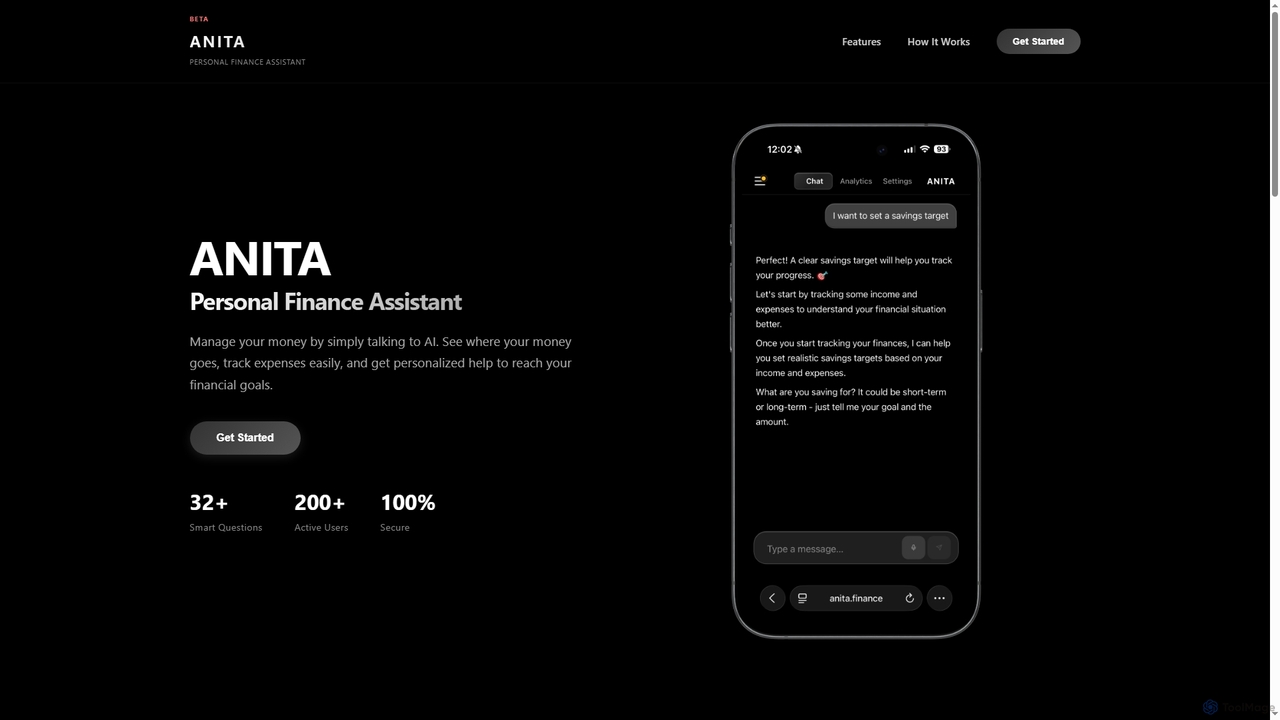
Anita is an intelligent AI personal finance assistant designed to simplify money management. It helps users track expenses, set financial goals, and gain personalized insights through natural language conversations, including voice integration, ensuring secure and effortless financial control.

Financial Advisor
Visits 5.6KFavorites 36Likes 49
ResiboKo
Freemium

ResiboKo

ResiboKo is an AI-powered expense tracker designed for Filipinos, enabling effortless tracking of daily cash and receipt-based expenses via camera, voice, or manual input. It automatically categorizes spending and provides AI-driven insights to help users find savings opportunities.

Financial Advisor
Visits 5.7KFavorites 121Likes 108
Rally
Freemium

Rally

Rally is an AI-powered tax planning tool designed to help individuals quickly discover significant tax savings. By analyzing your financial details, including RSUs, W-2s, and investments, Rally scans over 125 strategies to generate a personalized tax plan in just 60 seconds, empowering users to cut their tax burden effectively and securely.

Financial Advisor
Visits 13.2KFavorites 138Likes 120

About Financial Advisor

AI Financial Advisor tools are sophisticated AI assistants designed to provide personalized financial guidance and automate wealth management tasks. Leveraging advanced machine learning, data analytics, and natural language processing, these tools analyze financial data to offer insights into budgeting, investment strategies, debt management, and retirement planning. They empower individuals and businesses to make informed financial decisions, optimize their portfolios, and achieve long-term financial goals with greater efficiency and objectivity.

Core Features

  • Personalized Financial Planning: Develop tailored financial plans based on individual goals, income, and risk tolerance.
  • Investment Analysis & Recommendations: Analyze market data to suggest investment opportunities and optimize portfolio allocation.
  • Budgeting & Expense Tracking: Monitor spending habits, categorize transactions, and identify areas for saving.
  • Tax Optimization Guidance: Provide insights on potential deductions and strategies to minimize tax liabilities.
  • Risk Assessment: Evaluate financial risk profiles to ensure investment strategies align with comfort levels.

Use Cases

These tools are invaluable for individuals seeking to manage personal finances, small business owners planning cash flow, and investors looking for data-driven portfolio insights. They assist in scenarios ranging from planning for retirement and managing debt to optimizing tax strategies and making informed investment choices.

How to Choose

When selecting an AI Financial Advisor tool, consider its scope of services (e.g., investment, budgeting, tax), data security protocols, integration capabilities with existing financial accounts, and the level of personalization offered. Evaluate its regulatory compliance and user-friendliness to ensure it meets your specific financial needs and comfort with technology.

Financial Advisor use cases

1

Personalized Retirement Planning

An individual nearing retirement uses an AI financial advisor to model various retirement scenarios, adjusting for inflation, healthcare costs, and desired lifestyle. The AI suggests optimal savings rates and investment vehicles, helping them visualize their financial future and make informed decisions to secure their post-work life.

2

Automated Investment Portfolio Management

An investor with a diversified portfolio utilizes an AI tool to continuously monitor market trends, rebalance assets according to their risk tolerance, and identify new investment opportunities. The AI provides real-time alerts and recommendations, ensuring the portfolio remains aligned with long-term goals without constant manual oversight.

3

Small Business Cash Flow Forecasting

A small business owner integrates an AI financial advisor with their accounting software to predict future cash inflows and outflows. The AI analyzes historical data and current trends to forecast potential shortfalls or surpluses, enabling proactive decision-making for inventory management, operational expenses, and strategic investments.

4

Debt Management and Repayment Strategy

Someone struggling with multiple debts employs an AI financial advisor to analyze their outstanding balances, interest rates, and minimum payments. The AI then generates an optimized repayment plan, prioritizing high-interest debts or suggesting consolidation options to accelerate debt freedom and reduce overall interest paid.

5

Tax Planning and Optimization

A self-employed professional uses an AI financial advisor to identify eligible tax deductions, track business expenses, and optimize their tax strategy throughout the year. The tool helps them understand the tax implications of various financial decisions and prepares them for efficient tax filing, potentially minimizing their tax burden.

6

Real-time Budgeting and Expense Analysis

A family uses an AI financial advisor to link their bank accounts and credit cards, automatically categorizing spending and tracking against a set budget. The AI provides real-time alerts on overspending, identifies recurring subscriptions, and offers insights into spending patterns, helping them stay on track with financial goals.

Financial Advisor FAQ

What are AI Financial Advisor tools?

AI Financial Advisor tools are software applications that use artificial intelligence to provide financial guidance, analysis, and automation. They leverage machine learning to process vast amounts of financial data, offering personalized insights into budgeting, investment, debt management, and tax planning, helping users achieve their financial objectives.

How do AI Financial Advisor tools differ from human financial advisors?

AI tools offer automated, data-driven analysis and recommendations, often at a lower cost and with 24/7 accessibility. They excel at processing large datasets and identifying patterns. Human advisors provide nuanced, empathetic advice, understand complex personal situations, and offer a human touch, which AI currently cannot fully replicate, especially for highly complex or emotional financial decisions.

What are the key benefits of using AI for financial advice?

The primary benefits include enhanced efficiency through automation, highly personalized recommendations based on individual data, increased accessibility to professional-grade advice, and objective, data-driven insights free from human biases. They can help users save time, reduce costs, and make more informed financial decisions.

What should I consider when choosing an AI Financial Advisor tool?

Key considerations include the tool's security and data privacy measures, the range of financial services it covers (e.g., investments, budgeting, tax), its integration capabilities with your existing financial accounts, pricing structure, and user interface. Also, assess its regulatory compliance and the level of customization it offers to match your specific needs.

Can AI Financial Advisor tools help with investment decisions?

Yes, AI Financial Advisor tools can significantly assist with investment decisions by analyzing market trends, assessing risk tolerance, suggesting diversified portfolios, and providing rebalancing recommendations. While they offer data-backed insights, they typically do not execute trades directly and should be used as a powerful aid rather than a sole decision-maker, often requiring user oversight.