ToolMage
Sign in

Best 3 Code Generation AI tools for Ai Code Assistant

Popular Code Generation AI tools in Ai Code Assistant include Zed, Katalon, and Noodl, helping you work more efficiently.

Katalon
Freemium

Katalon

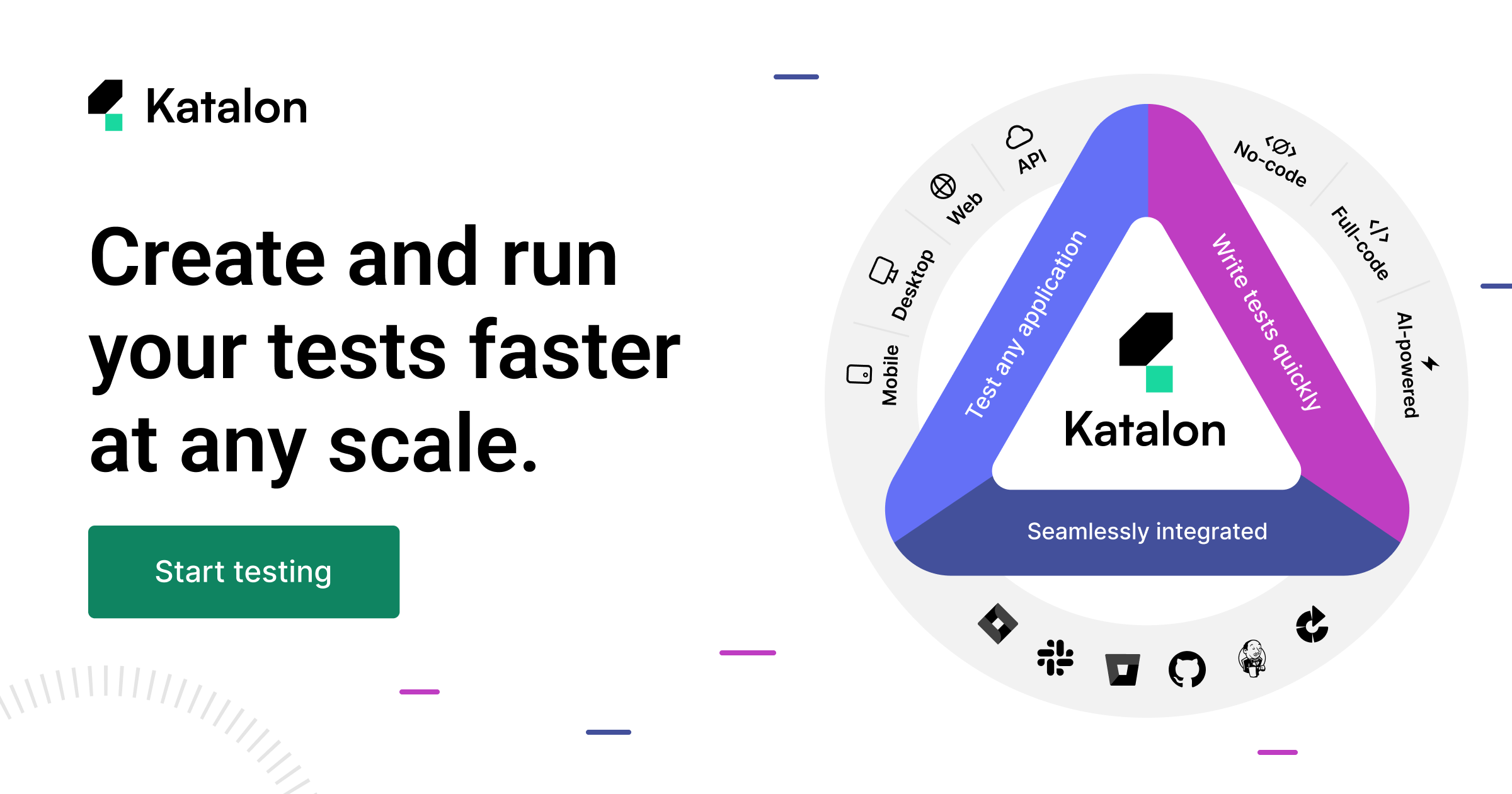
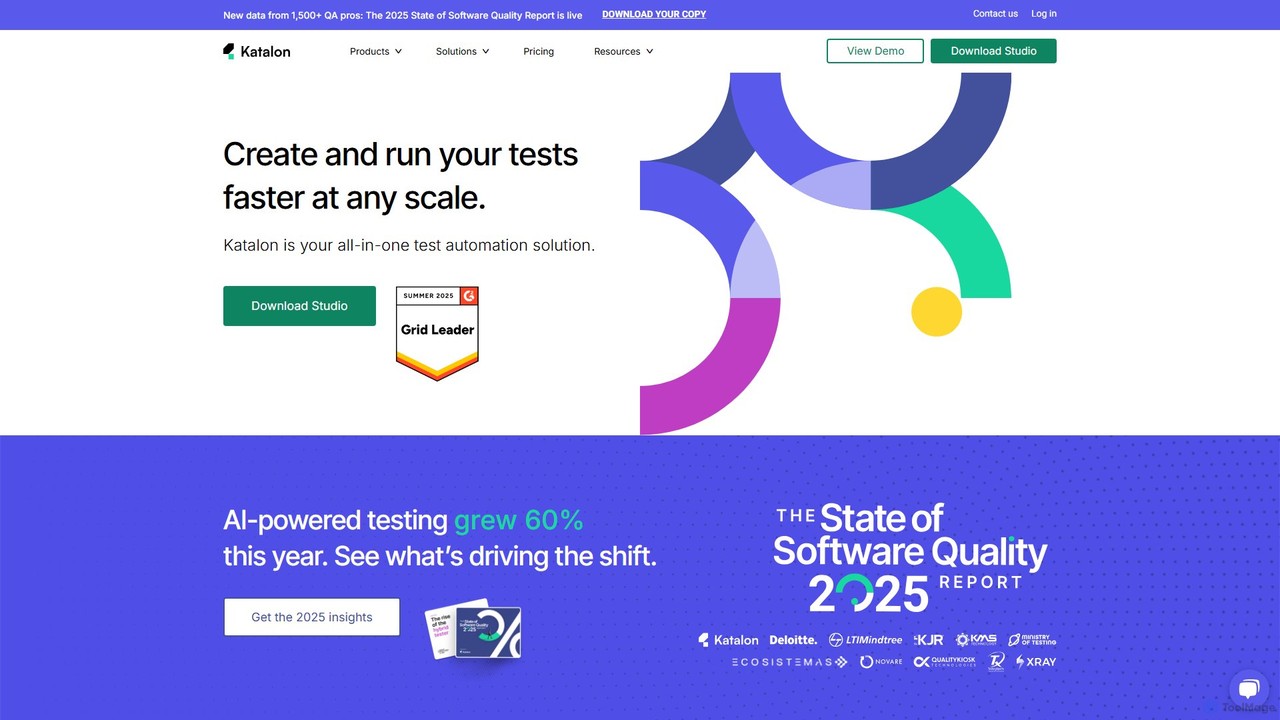
Katalon is a comprehensive, AI-augmented test automation platform for web, API, mobile, and desktop applications. It empowers teams of all sizes with low-code, full-code, and no-code solutions, streamlining the entire quality lifecycle from test creation and execution to analysis and management.

Code Generation
Visits 249.5KFavorites 121Likes 123
Noodl
Freemium

Noodl

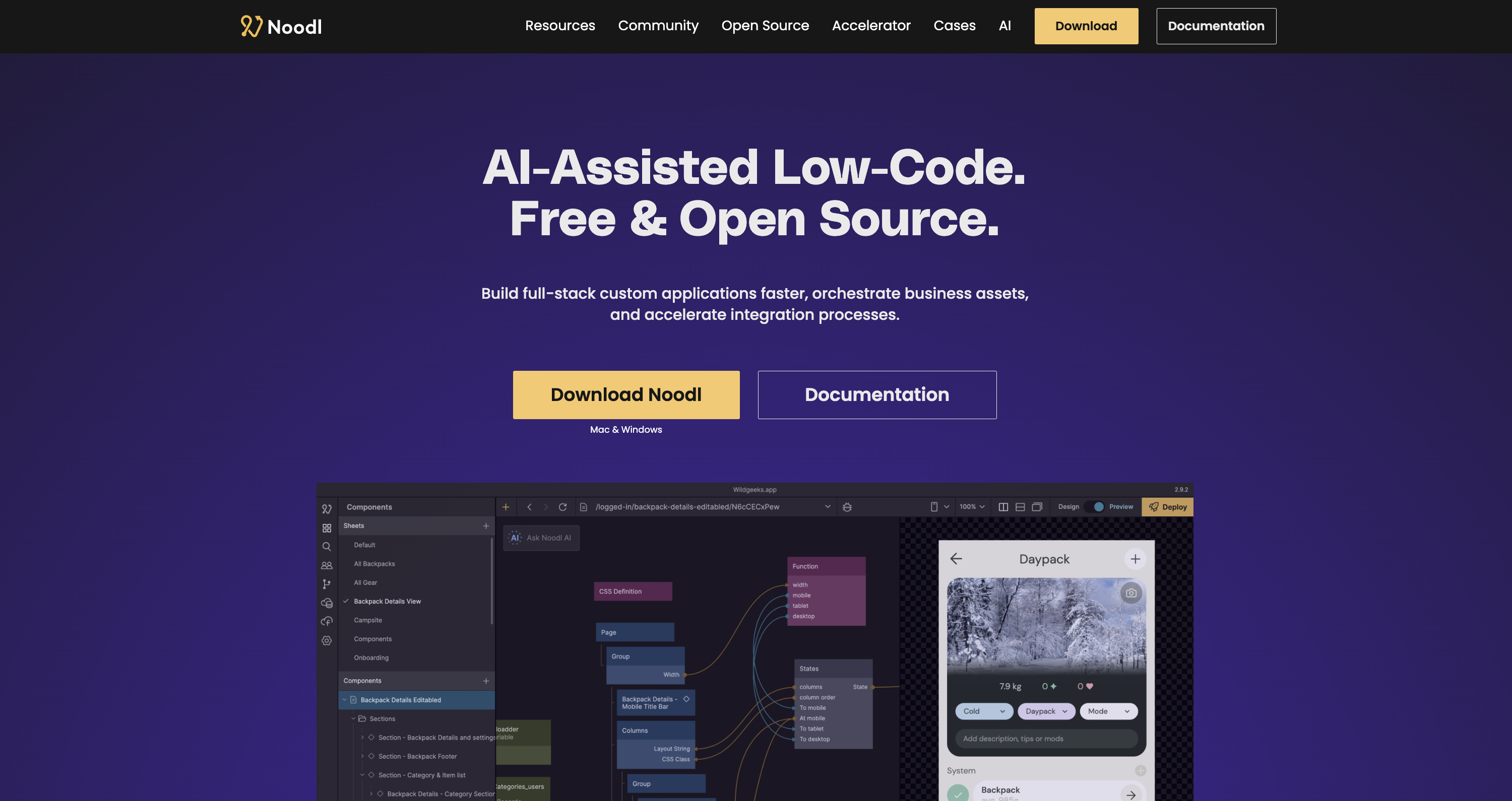
Noodl is an AI-powered low-code platform designed for creating sophisticated web and mobile applications. It combines a visual, node-based editor with an AI assistant that generates code, making it ideal for both non-coders and experienced developers. Build everything from simple prototypes to full-stack applications with unprecedented speed and flexibility.

Code Generation
Visits 14KFavorites 98Likes 93
Zed
Freemium

Zed

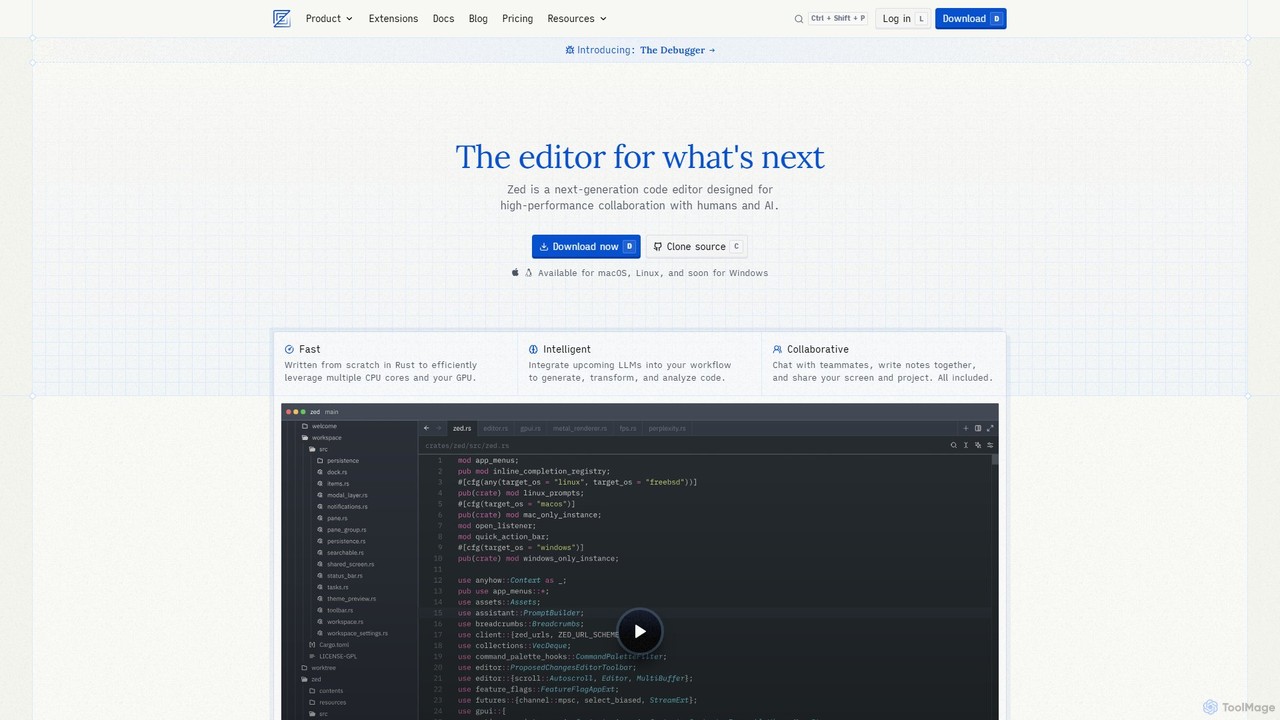
Zed is a high-performance, collaborative, and AI-powered code editor built from scratch in Rust. Designed for speed and efficiency, it offers real-time collaboration, deep integration with LLMs for agentic editing, and a comprehensive set of built-in tools including a debugger and native Git support. Zed is open-source and available for macOS and Linux, with Windows support coming soon.

Code Generation
Visits 1.9MFavorites 120Likes 113

About Code Generation

AI Code Generation tools are a specialized type of AI Code Assistant that automatically writes source code from natural language descriptions, comments, or high-level specifications. These tools leverage large language models (LLMs) trained on vast codebases to understand intent and produce functional code snippets, functions, or even entire application modules. Their primary value lies in accelerating development cycles, reducing the need to write repetitive boilerplate code, and enabling developers to quickly prototype ideas. They act as a powerful partner, translating human logic into machine-executable instructions across multiple programming languages.

Core Features

  • Natural Language to Code: Translates plain English prompts or detailed specifications directly into functional source code.
  • Boilerplate Generation: Automatically creates common code structures like classes, API endpoints, configuration files, and data models.
  • Unit Test Automation: Generates relevant test cases for existing functions or methods to improve code coverage and reliability.
  • Code Refactoring: Suggests and implements improvements to existing code for better performance, readability, or adherence to best practices.
  • Multi-language Support: Capable of generating code in a wide array of programming languages, from Python and JavaScript to Go and Rust.

Use Cases

These tools are widely used by software developers for rapid prototyping and feature implementation. Data scientists utilize them to generate complex analysis scripts and data visualization code from simple descriptions. They are also valuable for students and learners who can see how concepts are implemented in a new language, accelerating their learning process.

How to Choose

When selecting an AI Code Generation tool, consider its integration with your preferred IDE (e.g., VS Code, JetBrains). Evaluate the breadth and depth of its language and framework support for your specific tech stack. Assess the quality and accuracy of the generated code, and check its ability to understand the context of your existing codebase to provide relevant and coherent suggestions.

Featured tool rankings

Code Generation use cases

1

Rapid Prototyping of API Endpoints

A backend developer is tasked with building a new feature that requires several REST API endpoints. Instead of manually writing each controller, service, and data transfer object (DTO), they use an AI Code Generation tool. By writing a detailed comment like "// Create a POST endpoint at /users to add a new user with name and email, return the created user with an ID", the tool generates the complete, functional code for the endpoint in their chosen framework (e.g., Express.js, Spring Boot). This process reduces development time from hours to minutes, allowing for faster iteration and feedback.

2

Automating Unit Test Creation

A software engineer has just finished writing a complex business logic function and needs to ensure its correctness with thorough testing. Manually writing unit tests for every possible scenario can be tedious and time-consuming. Using an AI Code Generation tool, they can simply select the function and request it to generate test cases. The AI analyzes the function's logic, identifies edge cases (e.g., null inputs, empty arrays, boundary values), and produces a comprehensive suite of unit tests using a testing framework like Jest or JUnit. This significantly improves code quality and developer productivity.

3

Generating Data Analysis and Visualization Scripts

A data analyst receives a new dataset and needs to perform exploratory data analysis quickly. Their goal is to understand key trends without spending hours writing Python code. They can issue a series of natural language commands to an AI Code Generation tool, such as: "Load the 'customer_data.csv' file into a pandas DataFrame. Then, generate a histogram of customer ages and a pie chart showing the distribution by country." The tool instantly produces the necessary Python code using libraries like Pandas and Matplotlib/Seaborn, allowing the analyst to focus on interpreting results rather than writing code.

4

Building UI Components from Descriptions

A frontend developer needs to create a new reusable UI component, such as a user profile card. They can provide a high-level description to an AI Code Generation tool: "Create a React component that displays a user's avatar, name, and a short bio. The name should be bold, and the component should have a light gray border." The tool generates the JSX/TSX and corresponding CSS or styled-component code. This accelerates the UI development process, ensures consistency, and allows developers to focus on more complex state management and interaction logic.

5

Learning a New Programming Language or Framework

An experienced Java developer is transitioning to a project that uses Go. To quickly get up to speed with Go's syntax and conventions, they use an AI Code Generation tool as a learning aid. They can describe a familiar task in English, like "Write a function that reads a file and counts the number of words," and the tool will generate the idiomatic Go code. By comparing the prompt to the output, the developer can rapidly understand new patterns, standard library functions, and best practices, significantly shortening their learning curve.

6

Creating Complex SQL Queries from Plain Language

A business intelligence analyst needs to pull a specific report from a large relational database but is not an expert in writing complex SQL. They need to find "all users who signed up in the last quarter, made at least three purchases, and have not returned any items." Instead of struggling with multiple JOINs, subqueries, and aggregate functions, they can type this request into an AI Code Generation tool. The tool translates the natural language query into an optimized and accurate SQL statement, empowering the analyst to retrieve the data they need independently and efficiently.

Code Generation FAQ

What are AI Code Generation tools?

AI Code Generation tools are applications that automatically write source code based on natural language prompts or specifications. As a specialized subset of AI Code Assistants, their primary function is to create new code blocks, functions, or even entire files from scratch, rather than just suggesting completions for existing code. They leverage large language models to understand user intent and generate syntactically correct and contextually relevant code in various programming languages, significantly speeding up development tasks.

How do AI Code Generation tools differ from AI Code Completion?

The key difference lies in scope and intent. AI Code Completion tools work reactively, suggesting the next few words or lines of code as you type, similar to an advanced autocomplete. AI Code Generation tools work proactively; you provide a high-level instruction or comment, and they generate an entire block of functional code to fulfill that request. For example, completion might finish a variable name, while generation can create the entire function that uses that variable.

How do I choose the right AI Code Generation tool?

When selecting a tool, consider these four factors:

  • Language and Framework Support: Ensure it excels in the specific programming languages and frameworks you use daily.
  • IDE Integration: A seamless integration into your existing development environment (like VS Code or JetBrains) is crucial for a smooth workflow.
  • Contextual Awareness: The best tools can analyze your entire project to generate code that is consistent with your existing patterns and logic.
  • Quality of Output: Evaluate the accuracy, efficiency, and security of the generated code. Some tools are better at producing production-ready code than others.
Is the code generated by AI reliable and secure?

The reliability and security of AI-generated code can vary. While these tools are powerful for accelerating development, the output should always be treated as a first draft. It is essential for developers to carefully review, test, and understand any generated code before integrating it into a production environment. Developers remain fully responsible for the quality and security of their codebase. Think of it as a highly skilled assistant that still requires final approval and verification from an expert—you.

Who can benefit from using AI Code Generation tools?

A wide range of individuals can benefit. Senior developers use them to automate repetitive tasks and prototype new ideas rapidly. Junior developers and students use them as learning aids to understand how to implement solutions in new languages or frameworks. Data scientists and analysts can generate complex scripts for data manipulation and visualization without deep programming expertise. Even product managers can use them to create simple scripts or mockups to demonstrate concepts.