ToolMage
Sign in

Best 1 Image Generation AI tools for Ai Fun Tools

Popular Image Generation AI tools in Ai Fun Tools include Stickerbox, helping you work more efficiently.

Stickerbox
Paid

Stickerbox

Stickerbox is an AI-powered creative device for kids that instantly transforms spoken ideas into custom, colorable stickers. Using voice-to-image generation and mess-free thermal printing, it offers a hands-on, screen-free way to unleash imagination. Simply speak an idea, print the sticker, and bring it to life with color.

Image Generation
Visits 82.6KFavorites 112Likes 113

About Image Generation

Image Generation tools are AI-powered platforms that create visual content from textual prompts or other inputs. These tools leverage advanced deep learning models, such as diffusion models, to transform descriptions into unique images, illustrations, and artwork. They empower creators, marketers, and individuals to rapidly visualize ideas, produce diverse visual assets, and explore new artistic possibilities, significantly accelerating content creation workflows.

Core Features

  • Text-to-Image Synthesis: Generate diverse images from simple text descriptions.
  • Style Transfer: Apply artistic styles from one image to another or to generated content.
  • Image Upscaling & Enhancement: Improve resolution and detail of generated or existing images.
  • Inpainting & Outpainting: Modify specific areas within an image or extend its boundaries seamlessly.
  • Variations Generation: Create multiple stylistic or compositional alternatives based on an initial image or prompt.

Use Cases

These tools are widely adopted in digital marketing for creating ad creatives, in game development for concept art, and by content creators for unique social media visuals. They enable rapid prototyping, personalized content creation, and exploration of new artistic expressions across various industries.

How to Choose

When selecting an Image Generation tool, consider the quality and realism of the output, the variety of available styles and models, the ease of use and prompt engineering capabilities, and the pricing structure. Evaluate features like resolution control, batch generation, and API access based on your specific project needs and desired creative flexibility.

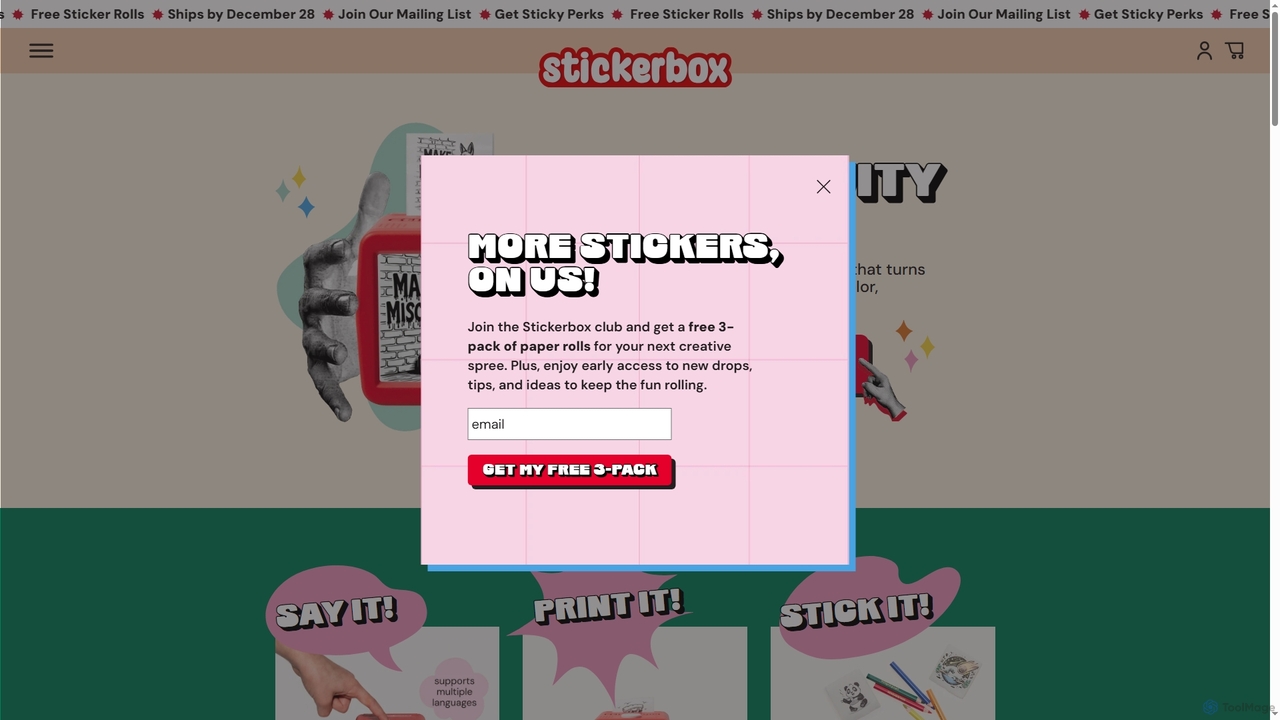
Image Generation use cases

1

Design Unique Social Media Graphics

Content creators and social media managers can utilize image generation tools to quickly produce eye-catching visuals for posts, ads, and banners. By inputting text prompts describing desired themes, styles, and elements, they can generate multiple variations of graphics in minutes, ensuring a fresh and engaging online presence without relying on stock photos or extensive graphic design skills. This significantly speeds up content production cycles.

2

Designing Unique Marketing Campaign Visuals

Marketing professionals can use AI image generators to quickly produce a wide array of visual assets for advertising campaigns, social media posts, and website banners. By inputting specific product descriptions, target audience demographics, and desired aesthetics, they can generate multiple creative options in minutes, test different visual concepts, and significantly reduce the time and cost associated with traditional graphic design, ensuring fresh and engaging content.

3

Generate Concept Art for Games and Films

Game developers and film concept artists leverage AI image generation to rapidly iterate on visual ideas for characters, environments, and props. Artists can input descriptive text or rough sketches to explore diverse artistic styles and compositions, generating hundreds of unique concepts in a fraction of the time it would take to draw them manually. This accelerates the pre-production phase and fosters creative exploration.

4

Rapid Prototyping for Game & Character Design

Game developers and concept artists leverage image generation tools to rapidly iterate on character designs, environmental concepts, and in-game assets. Instead of spending hours sketching, they can input textual descriptions of creatures, landscapes, or architectural styles, generating dozens of visual prototypes. This accelerates the ideation phase, allows for quick feedback loops, and helps visualize diverse artistic directions before committing to detailed production.

5

Create Personalized Marketing Campaign Visuals

Marketing professionals can use image generation tools to craft highly specific and personalized visuals for advertising campaigns. Instead of generic stock images, they can generate images that perfectly match campaign themes, target audience demographics, and brand aesthetics. This allows for A/B testing of different visual concepts and creates more resonant and effective marketing materials.

6

Creating Personalized Content for Social Media

Social media managers and content creators can utilize AI image generation to produce highly personalized and unique visuals that stand out in crowded feeds. From custom illustrations for blog posts to unique background images for stories, these tools enable the creation of tailored content that resonates with specific audience segments. This helps maintain a consistent brand aesthetic while offering endless creative variations without requiring extensive design skills.

7

Illustrate Blog Posts and Articles

Bloggers, journalists, and online publishers can enhance their written content with unique, custom-generated illustrations. By providing prompts related to their article's topic, they can create bespoke images that perfectly complement their text, making their content more engaging and visually appealing. This eliminates copyright concerns associated with stock imagery and adds a distinctive touch.

8

Visualizing Architectural & Interior Design Concepts

Architects and interior designers can employ image generation AI to quickly visualize design concepts for clients. By providing textual descriptions of spaces, materials, lighting, and furniture styles, they can generate realistic renderings or artistic interpretations of proposed designs. This facilitates early-stage client communication, allows for rapid exploration of different design options, and helps clients better understand the aesthetic and functional potential of a space.

9

Visualize Interior Design Ideas

Interior designers and architects can employ image generation tools to quickly visualize different design concepts for clients. By inputting room descriptions, desired styles, and furniture preferences, they can generate realistic or stylized renderings of potential spaces. This helps clients better understand design proposals and facilitates faster decision-making during the design process.

10

Generating Custom Illustrations for Publications

Authors, publishers, and educators can use image generation tools to create custom illustrations for books, articles, presentations, and educational materials. Instead of relying on stock photos or commissioning expensive artwork, they can generate unique visuals that perfectly match the narrative or topic. This ensures originality, enhances engagement, and provides a cost-effective solution for acquiring high-quality, context-specific imagery.

11

Developing AI Art for Digital Galleries & NFTs

Digital artists and collectors are exploring AI image generation to create unique pieces of generative art for online galleries, portfolios, and non-fungible token (NFT) marketplaces. Artists can experiment with complex prompts, algorithms, and style combinations to produce novel visual aesthetics and abstract compositions. This opens new avenues for artistic expression, allows for the creation of limited-edition digital collectibles, and pushes the boundaries of contemporary art.

12

Develop Unique Product Mockups

E-commerce businesses and product designers can utilize AI image generation to create diverse mockups for new products or variations. By describing product features, materials, and desired settings, they can generate high-quality visual representations without the need for expensive photoshoots or 3D rendering software. This aids in product development, marketing, and early-stage feedback collection.

Image Generation FAQ

What are AI Image Generation tools?

AI Image Generation tools are software applications that use artificial intelligence, primarily deep learning models like Generative Adversarial Networks (GANs) and Diffusion Models, to create new images. They can generate visuals from text prompts, other images, or various data inputs, transforming descriptions into unique visual content. These tools are distinct from image editors as their core function is creation rather than modification.

What are AI Image Generation tools?

AI Image Generation tools are software applications that use artificial intelligence, primarily deep learning models like diffusion models, to create new images from various inputs such as text descriptions (text-to-image), existing images, or sketches. They are designed to transform abstract ideas or specific prompts into unique visual content, ranging from photorealistic images to abstract art.

How do AI Image Generation tools work?

Most AI Image Generation tools operate using advanced neural networks, particularly diffusion models. These models learn from vast datasets of images and their corresponding descriptions. When given a prompt, the AI starts with random noise and iteratively refinements it, guided by the learned patterns and the prompt's context, until a coherent image matching the description emerges. This process involves understanding semantics, styles, and compositional elements.

How do AI Image Generation tools work?

Most modern AI image generation tools, especially those based on diffusion models, work by learning from vast datasets of images and their corresponding descriptions. When given a prompt, the AI starts with random noise and iteratively refines it, guided by the learned patterns and the prompt's context, until a coherent image matching the description emerges. This process involves complex mathematical transformations and neural network architectures.

What is the difference between AI Image Generation and AI Image Editing?

AI Image Generation focuses on creating entirely new images from scratch based on prompts or parameters, producing content that didn't exist before. In contrast, AI Image Editing tools modify existing images, performing tasks like background removal, object manipulation, color correction, or upscaling. While both use AI for visual tasks, generation is about creation, and editing is about transformation of existing visuals.

What is the difference between AI Image Generation and AI Image Editing?

AI Image Generation focuses on creating entirely new images from scratch based on prompts or inputs, producing unique visual content that didn't exist before. In contrast, AI Image Editing tools are designed to modify, enhance, or manipulate existing images, performing tasks like background removal, upscaling, color correction, or object removal. While both use AI, their primary objectives—creation versus modification—are distinct.

Who can benefit from using AI Image Generation tools?

A wide range of individuals and professionals can benefit from AI image generation tools. This includes content creators, graphic designers, marketers, game developers, artists, architects, and even hobbyists. Anyone needing to quickly visualize ideas, produce unique visuals for projects, or explore creative concepts without extensive artistic skills or resources will find these tools invaluable.

What factors should I consider when choosing an AI Image Generator?

When selecting an AI image generator, consider the quality and style of the output (e.g., photorealistic, artistic, cartoonish), the ease and flexibility of prompt engineering, the available features like inpainting, outpainting, or style transfer, and the resolution capabilities. Also, evaluate the pricing model, usage limits, and whether it offers API access for integration into your workflows. User community and support can also be important.

Can AI Image Generation tools create images in specific artistic styles?

Yes, many AI Image Generation tools are highly capable of producing images in a wide range of specific artistic styles. Users can often specify styles like "impressionistic," "cyberpunk," "watercolor," "photorealistic," or even mimic the style of famous artists within their prompts. The AI models are trained on diverse datasets that include various artistic movements and visual aesthetics, allowing them to adapt and generate content accordingly.

How can I choose the best AI Image Generation tool for my needs?

To choose the best AI image generation tool, consider several factors. Evaluate the quality and style of the generated images, the ease of use and prompt engineering capabilities, the availability of advanced control features (e.g., ControlNet, inpainting), the speed of generation, and the pricing model. Also, consider community support, integration options with other software, and whether the tool offers specific features relevant to your creative or professional workflow.