ToolMage
Sign in

Best 3 Ai Learning AI tools

Popular Ai Learning AI tools include Usedify, AIDiscoveryBoards, and Prosodylang, helping you work more efficiently.

Prosodylang
Freemium

Prosodylang

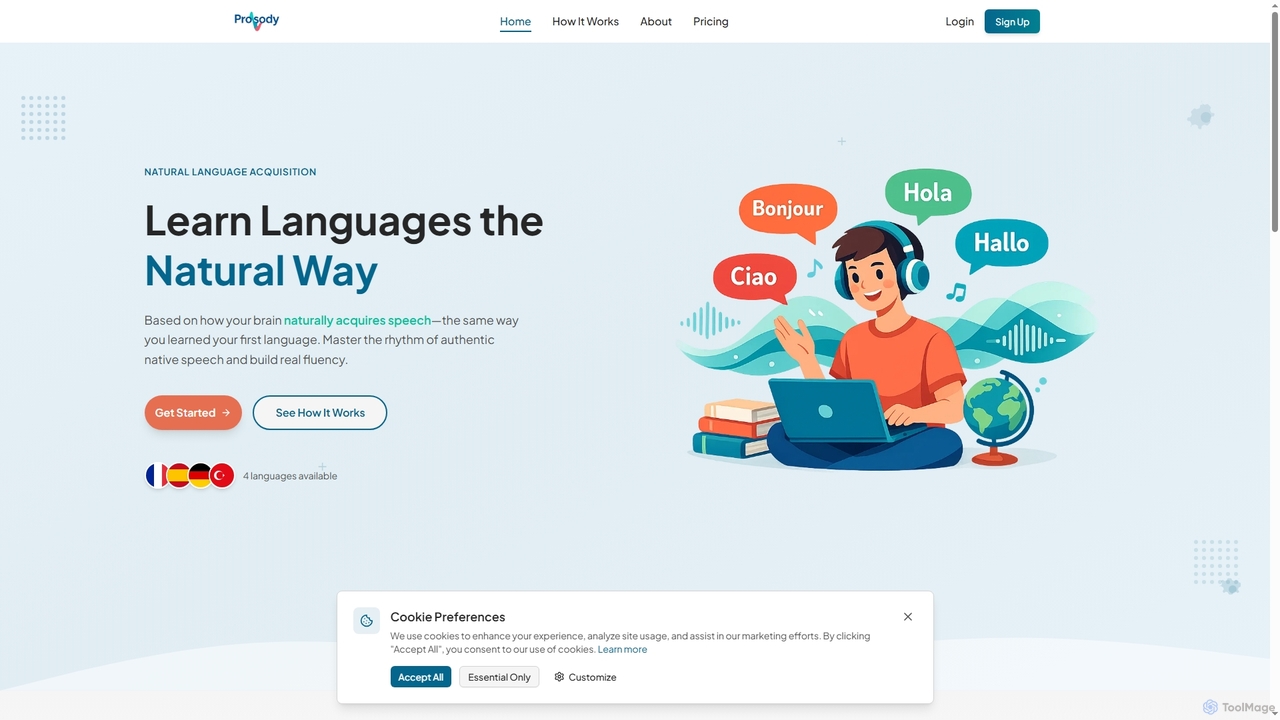
Prosodylang is an AI-powered language learning tool that helps users achieve natural fluency by mastering the rhythm and authentic speech patterns of a language. It provides real-time feedback on six prosody metrics, guiding learners from pure audio absorption to confident, native-like speaking.

Personalized Education
Visits 3.4KFavorites 15Likes 19
Usedify

Usedify

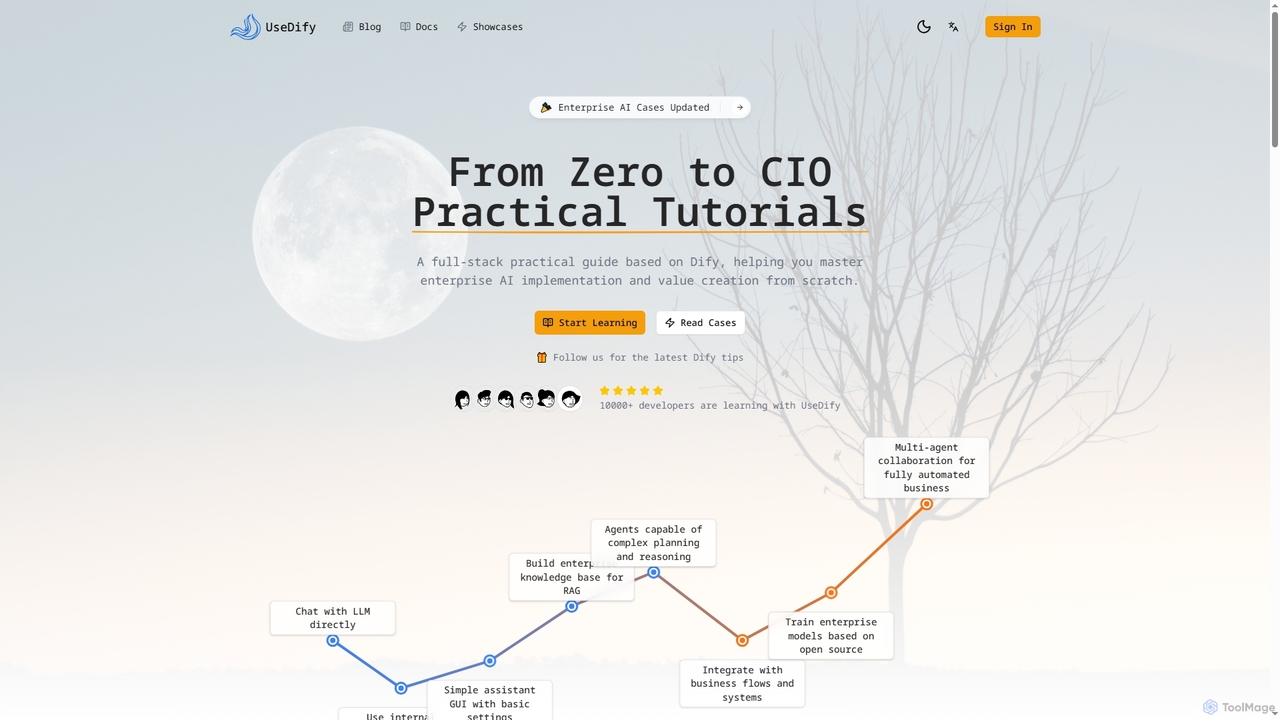
Usedify is a comprehensive learning platform and practical guide for mastering enterprise AI implementation and value creation using the Dify framework. It offers step-by-step tutorials, real-world case studies, and best practices for developers and businesses.

Tutorials
Visits 5.2KFavorites 17Likes 17
AIDiscoveryBoards

AIDiscoveryBoards

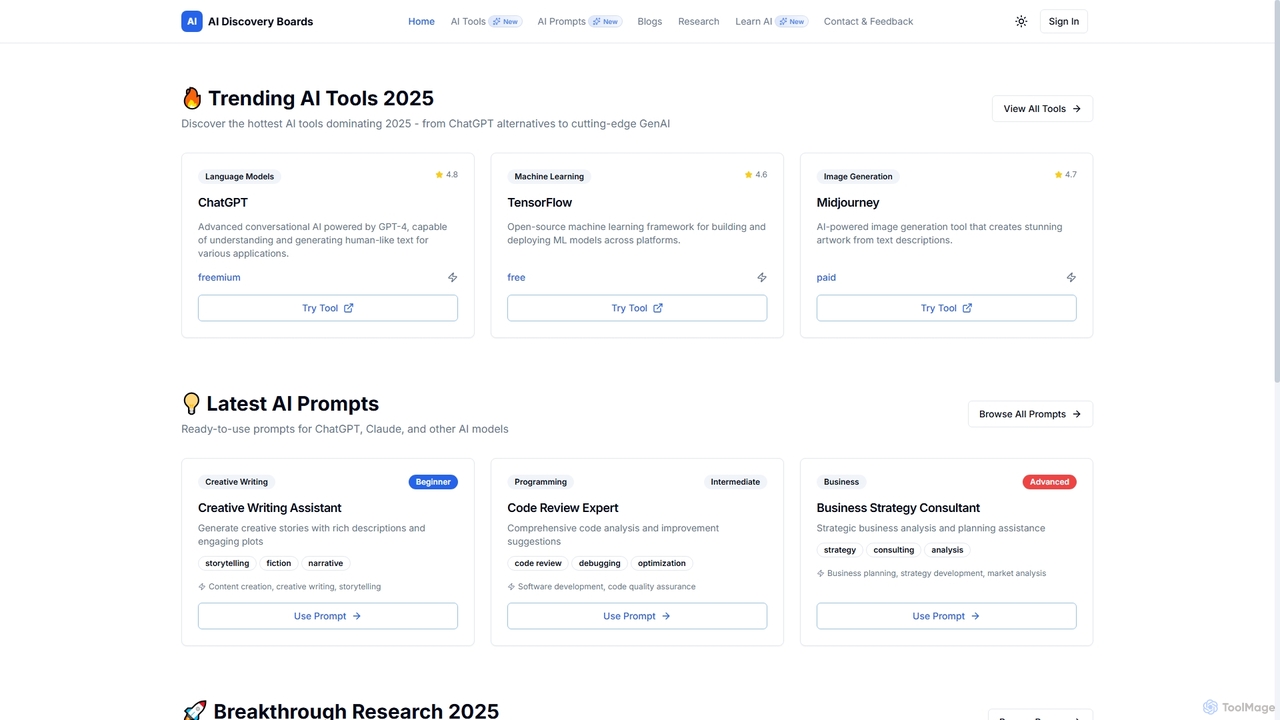
AIDiscoveryBoards is a comprehensive online platform designed to help users discover trending AI tools, explore the latest AI prompts, delve into groundbreaking AI research papers, and access curated AI learning resources. It serves as a central hub for staying updated on the rapidly evolving artificial intelligence landscape.

Tool Directory
Visits 3.5KFavorites 129Likes 125

About Ai Learning

Ai Learning tools are AI-powered platforms designed to personalize and enhance educational experiences. These tools leverage machine learning, natural language processing, and adaptive algorithms to deliver tailored content, intelligent tutoring, and interactive learning environments. They aim to optimize knowledge acquisition, skill development, and academic performance across various subjects and professional domains, making education more accessible and efficient.

Core Features

  • Personalized Learning Paths: Dynamically adjusts content and pace based on individual learner progress and preferences.
  • Intelligent Tutoring Systems: Provides real-time feedback, explanations, and guidance, simulating a human tutor.
  • Adaptive Content Generation: Creates or modifies learning materials to match specific learning styles and knowledge gaps.
  • Progress Tracking & Analytics: Monitors performance, identifies areas for improvement, and offers data-driven insights.
  • Interactive Simulations & Gamification: Engages learners through immersive experiences and game-like challenges.

Use Cases

AI Learning tools are widely adopted in various educational and professional settings. They are used by students for academic support, offering personalized homework help and exam preparation. Professionals utilize them for continuous skill development and certification, enabling efficient upskilling in rapidly evolving fields. Corporations deploy these tools for scalable employee training, ensuring consistent knowledge transfer and compliance across their workforce.

How to Choose

When selecting an AI Learning tool, evaluate its content quality and relevance to your learning goals. Consider its personalization capabilities, including adaptive algorithms and feedback mechanisms. Assess the level of interactivity and engagement offered, such as simulations or gamified elements. Finally, review integration options with existing learning management systems and its pricing model to ensure it aligns with your budget and infrastructure.

Featured tool rankings

Ai Learning use cases

1

Personalized Language Acquisition

Language learners can utilize Ai Learning tools to receive highly personalized lessons, pronunciation feedback, and conversational practice. The AI adapts to their proficiency level, identifies specific weaknesses in grammar or vocabulary, and generates custom exercises, accelerating fluency development and cultural understanding.

2

Corporate Upskilling & Compliance Training

Businesses employ Ai Learning platforms to deliver scalable and efficient training programs for employees. These tools can adapt course material to individual roles, track progress in real-time, and ensure compliance with industry regulations through interactive modules and automated assessments, significantly reducing training costs and time.

3

Academic Support & Exam Preparation

Students leverage Ai Learning tools for supplementary academic support, receiving intelligent tutoring for complex subjects like mathematics or science. The AI diagnoses knowledge gaps, provides step-by-step explanations, and generates practice questions tailored to specific exam formats, helping students improve grades and confidence.

4

Coding & Technical Skill Development

Aspiring developers and IT professionals use Ai Learning tools to master programming languages, data science, or cybersecurity. These platforms offer interactive coding environments, automated code reviews, and project-based learning, providing immediate feedback and guiding learners through complex technical concepts.

5

Creative Writing & Content Generation Education

Content creators and writers can enhance their skills using Ai Learning tools that provide feedback on style, grammar, and narrative structure. The AI can suggest improvements, offer prompts for creative blocks, and analyze writing patterns, helping users refine their craft and produce higher-quality content more efficiently.

6

Medical Professional Continuous Education

Healthcare professionals utilize Ai Learning platforms for continuous medical education (CME) and staying updated with the latest research and clinical practices. These tools offer interactive case studies, simulated patient interactions, and personalized learning modules, ensuring practitioners maintain expertise and fulfill licensing requirements.

Ai Learning FAQ

What are Ai Learning tools?

Ai Learning tools are software applications that use artificial intelligence to enhance and personalize the educational process. They typically feature adaptive learning paths, intelligent tutoring, and automated content generation, aiming to make learning more efficient, engaging, and tailored to individual needs.

How do Ai Learning tools personalize education?

Ai Learning tools personalize education by analyzing a learner's performance, preferences, and learning style through data. They use this information to dynamically adjust the curriculum, recommend specific resources, provide targeted feedback, and modify the pace of instruction, ensuring content is always relevant and challenging.

Who can benefit most from Ai Learning tools?

A wide range of individuals can benefit, including students seeking academic support, professionals needing to upskill or reskill, and lifelong learners pursuing new hobbies or knowledge. They are particularly useful for those who thrive with self-paced learning, require flexible schedules, or need highly customized educational content.

What should I consider when choosing an Ai Learning platform?

When choosing an Ai Learning platform, consider the quality and breadth of its content, its personalization capabilities (e.g., adaptive algorithms, feedback systems), and the level of interactivity it offers (e.g., simulations, gamification). Also, evaluate its user interface, integration options, and pricing structure to ensure it meets your specific requirements.

Are Ai Learning tools replacing traditional educators?

No, Ai Learning tools are generally seen as complementary to, rather than replacements for, traditional educators. They can automate repetitive tasks, provide personalized practice, and offer data insights, freeing up educators to focus on complex problem-solving, critical thinking, and socio-emotional development, fostering a blended learning environment.