Oneinfer
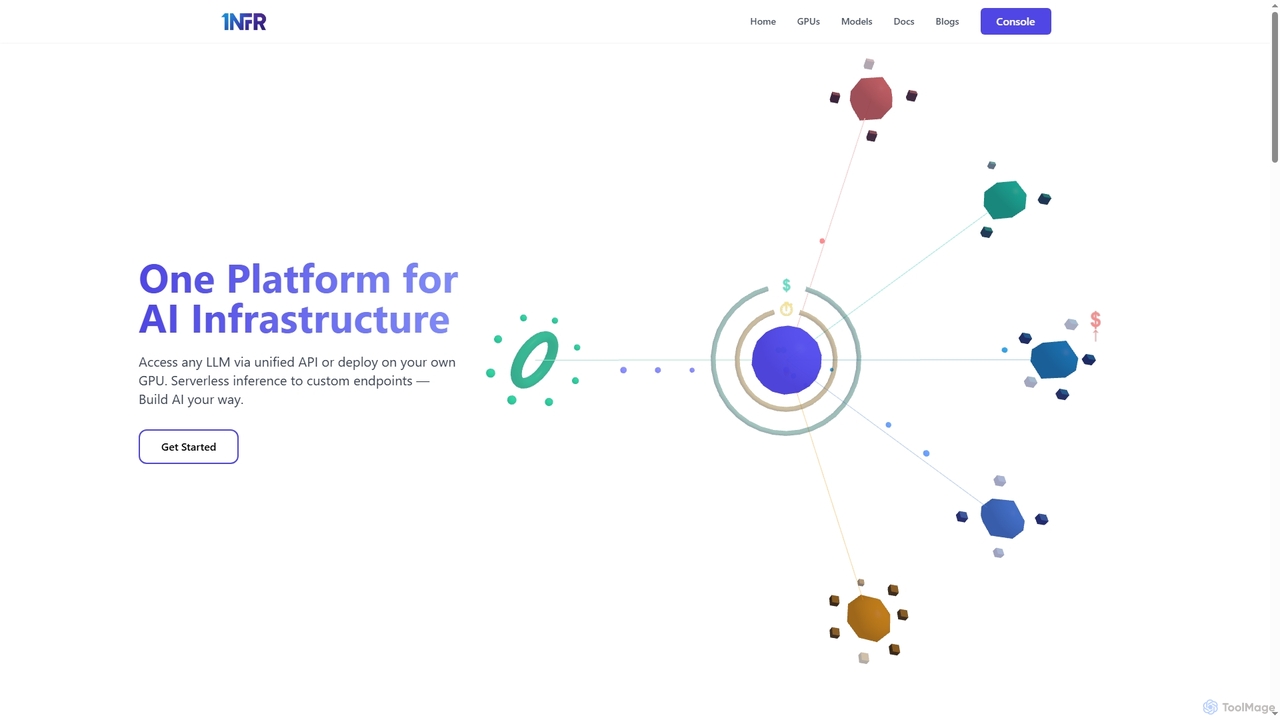
Oneinfer is a high-performance AI inference platform for developers. It offers a unified API to access over 15 …
Oneinfer is a high-performance AI inference platform for developers. It offers a unified API to access over 15 LLMs like GPT-4 and Claude, simplifying AI integration. The platform features serverless deployment, automatic scaling, enterprise-grade security, and pay-as-you-go pricing. It also provides a marketplace for renting GPU instances for custom AI workloads.
Scorecard
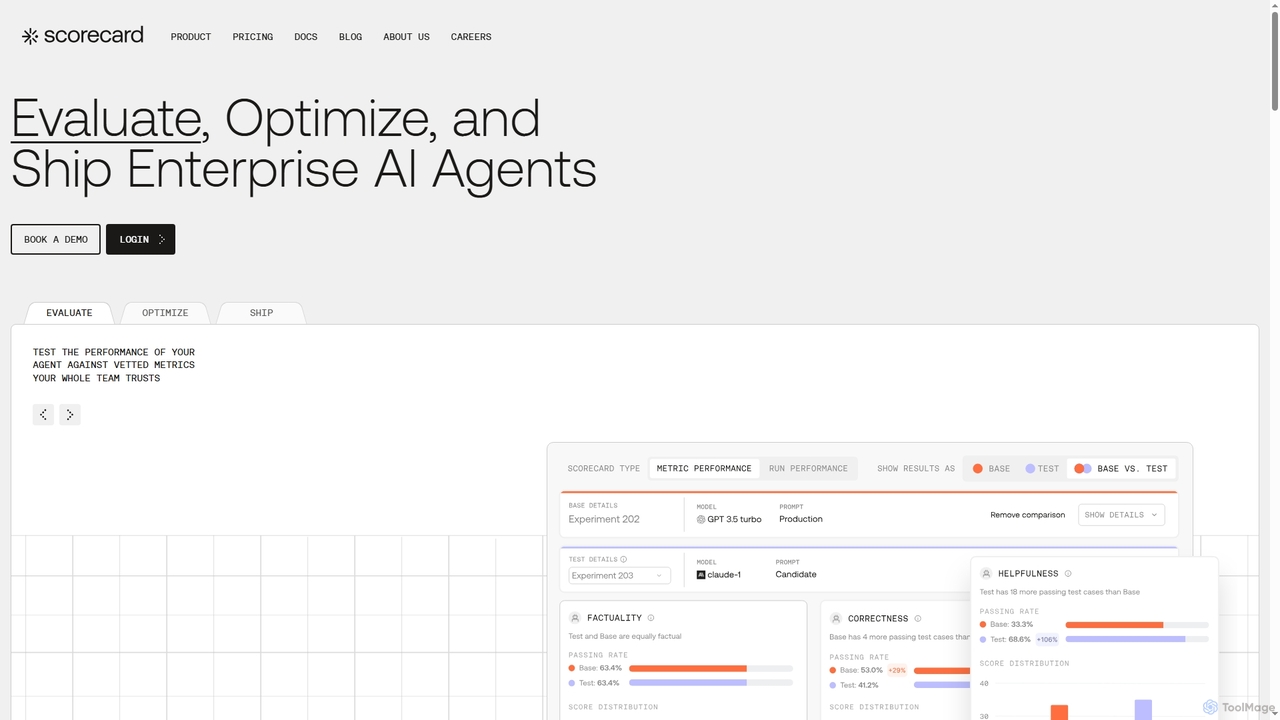
Scorecard is an end-to-end platform for evaluating, optimizing, and deploying enterprise AI agents. It helps teams replace subjective …
Scorecard is an end-to-end platform for evaluating, optimizing, and deploying enterprise AI agents. It helps teams replace subjective testing with structured evaluations, providing tools for continuous monitoring, prompt management, and performance metrics to build trustworthy and reliable AI applications with confidence.
Giskard
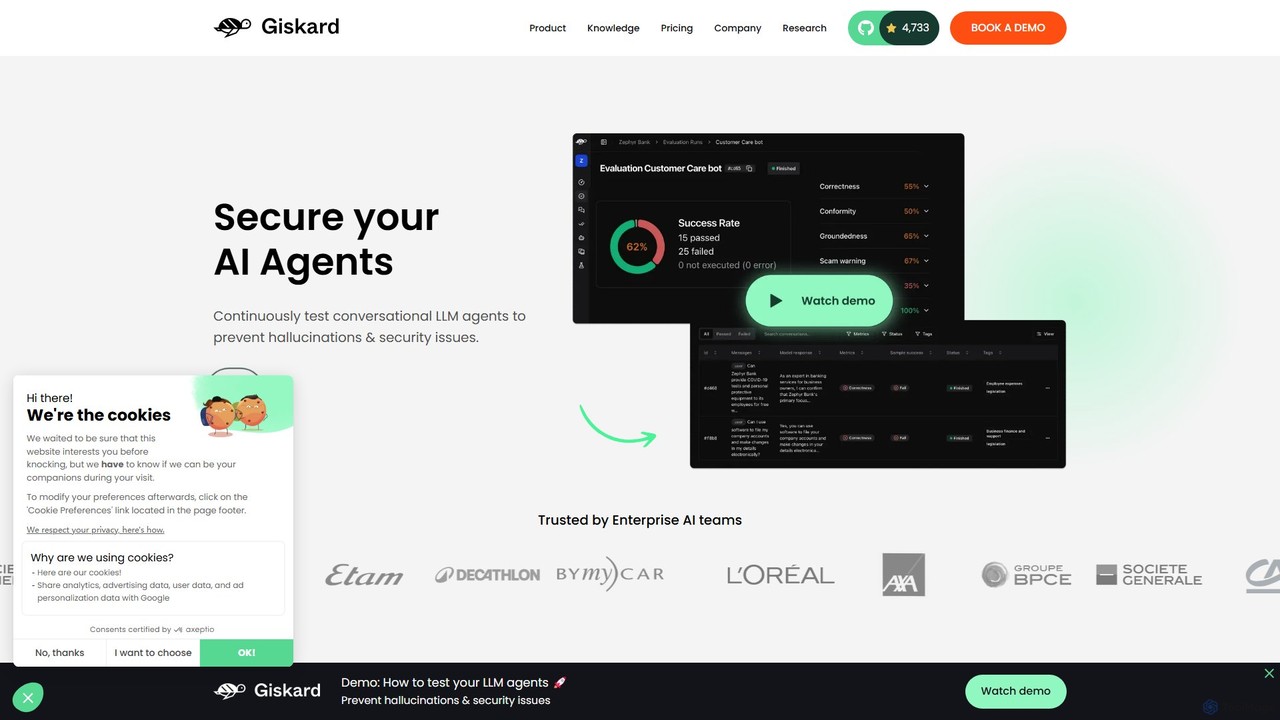
Giskard is an AI testing platform designed to secure and validate LLM-based applications. It helps enterprise teams detect …
Giskard is an AI testing platform designed to secure and validate LLM-based applications. It helps enterprise teams detect and mitigate risks such as hallucinations, security vulnerabilities, bias, and performance issues before deployment. By automating test generation and enabling continuous red teaming, Giskard ensures AI agents are reliable, safe, and compliant.
About Ai Model Management
AI Model Management tools are designed to oversee the entire lifecycle of artificial intelligence models, from development and deployment to monitoring and governance. These platforms leverage automation and analytics to ensure models perform optimally, remain compliant, and deliver consistent value in production environments. They provide a centralized system for tracking model versions, managing resources, and detecting performance degradation or bias, crucial for scalable and responsible AI adoption.
Core Features
- Model Versioning & Lineage: Track changes, dependencies, and rollback capabilities for reproducibility.
- Automated Deployment & Scaling: Streamline the process of moving models from development to production and scaling resources.
- Performance Monitoring & Alerting: Real-time tracking of model metrics, drift detection, and automated alerts for anomalies.
- Bias & Fairness Detection: Identify and mitigate ethical concerns by analyzing model outputs for unfair outcomes.
- Explainable AI (XAI) Integration: Provide insights into model decisions, enhancing transparency and trust.
- Resource Optimization & Cost Management: Efficiently allocate computational resources and manage infrastructure costs.
Applicable Scenarios
AI Model Management is essential for organizations with multiple AI models in production, such as large enterprises, MLOps teams, and data science departments. It supports scenarios like ensuring continuous model performance in critical business applications, maintaining regulatory compliance for AI systems, and efficiently scaling AI initiatives across various projects and teams.
How to Choose
When selecting an AI Model Management platform, consider its integration capabilities with existing MLOps tools and cloud infrastructure, scalability to handle growing model portfolios, robust security and compliance features, and the level of automation offered for deployment and monitoring. Evaluate its support for various model types and frameworks, as well as its cost-effectiveness and ease of use for your team.
Ai Model ManagementUse Cases
Streamlining AI Model Deployment
For MLOps engineers, AI Model Management tools automate the complex process of deploying trained models into production environments. This involves packaging models, setting up inference endpoints, and configuring scaling policies, significantly reducing manual effort and deployment errors. The result is faster time-to-market for new AI features and improved operational efficiency.
Ensuring Continuous Model Performance
Data scientists and operations teams utilize these platforms to continuously monitor the performance of AI models in production. By tracking key metrics like accuracy, latency, and data drift, they can proactively identify issues before they impact business outcomes. This ensures models remain effective and reliable over time, maintaining their value.
Managing Model Versions and Rollbacks
Development teams leverage AI Model Management for robust version control, allowing them to track every iteration of a model, its associated data, and training parameters. In case of unexpected performance issues or bugs, the system enables quick and reliable rollbacks to previous stable versions, minimizing downtime and risk.
Monitoring AI Model Bias and Fairness
Ethical AI teams and compliance officers use these tools to detect and mitigate bias in AI models. By analyzing model predictions across different demographic groups or sensitive attributes, the platform helps identify unfair outcomes. This ensures responsible AI deployment and adherence to ethical guidelines and regulations.
Optimizing AI Model Resource Utilization
Cloud architects and IT managers employ AI Model Management to efficiently allocate and manage computational resources for AI workloads. The tools provide insights into resource consumption, allowing for dynamic scaling up or down based on demand, thereby optimizing infrastructure costs and ensuring high availability for inference services.
Facilitating AI Model Governance and Compliance
Legal and compliance officers rely on AI Model Management platforms to establish clear governance frameworks for AI systems. This includes documenting model lineage, ensuring auditability, and enforcing access controls. It helps organizations meet regulatory requirements and internal policies, building trust and accountability in their AI initiatives.