
Ai Voice Best in category 1 results Voice Synthesis AI Tool

Popular AI tools in the Voice Synthesis field of Ai Voice include ACE Studio, etc., helping you quickly improve efficiency.

ACE Studio

ACE Studio

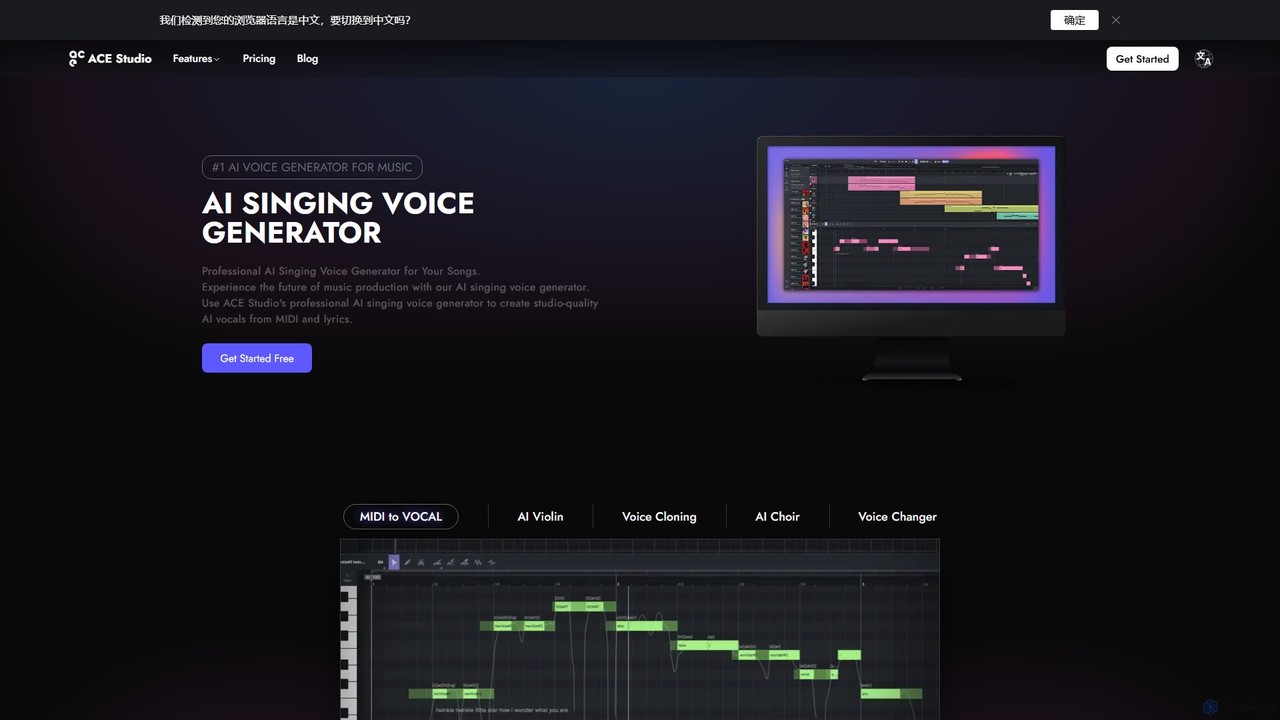
ACE Studio is a professional AI singing voice generator for music production. It allows users to create studio-quality, …

805.0K

About Voice Synthesis

Voice Synthesis tools are a type of AI voice technology that converts written text into natural-sounding human speech. These tools leverage advanced Text-to-Speech (TTS) models to generate audio, often allowing for detailed customization of tone, emotion, and pacing. Their primary value lies in creating high-quality, consistent voiceovers for videos, podcasts, and e-learning without the need for human recording. Many advanced platforms also support multiple languages and accents, making them versatile for global content creation.

Core Features

  • Text-to-Speech (TTS) Conversion: The fundamental ability to transform text input into spoken audio files.
  • Voice Library & Customization: Access to a wide range of pre-built voices with options to adjust pitch, speed, and emotional tone.
  • Multi-Language & Accent Support: Capability to generate speech in numerous languages and regional accents for a global audience.
  • SSML Support: Use of Speech Synthesis Markup Language for fine-grained control over pronunciation, pauses, and intonation.
  • API Access: Allows developers to integrate voice generation capabilities directly into their own applications and services.

Use Cases

Voice Synthesis tools are widely used by content creators for YouTube video voiceovers, podcasters for generating consistent audio, and instructional designers for developing e-learning modules. They are also integral in business for creating professional Interactive Voice Response (IVR) systems and for developers building accessibility features, such as screen readers for websites and applications.

How to Choose

When selecting a Voice Synthesis tool, first evaluate the naturalness and quality of the voices offered. Consider the breadth of the language and accent library to ensure it meets your audience's needs. Assess the level of customization available for voice parameters like emotion and pacing. Finally, review the pricing model (e.g., per-character or subscription) and check for API availability if integration is required.

Voice SynthesisUse Cases

1

Creating Voiceovers for Video Content

Video creators and marketing teams often need consistent, high-quality narration for tutorials, product demonstrations, or social media ads. Using a Voice Synthesis tool, they can input a script and select a voice that matches their brand's tone—be it professional, friendly, or energetic. They can then fine-tune the pacing and add emphasis to key points. This process generates a studio-quality audio track in minutes, eliminating the costs and scheduling complexities of hiring a voice actor and allowing for quick updates by simply editing the text.

2

Producing Audiobooks and Podcasts

Authors and publishers can transform written works into engaging audiobooks without the significant investment of a recording studio. By pasting text chapter by chapter, they can generate hours of audio content. For podcasters, these tools ensure a consistent host voice across all episodes or allow for the creation of distinct voices for different segments or characters in a narrative podcast. The ability to easily correct mispronunciations or update content by re-generating small text snippets is a major advantage over traditional recording.

3

Developing E-Learning and Training Modules

Instructional designers use Voice Synthesis to create clear and accessible narration for online courses and corporate training materials. This approach ensures uniformity in voice and tone across dozens of modules. A key benefit is the ease of maintenance; when a course needs to be updated, only the corresponding text needs to be changed and the audio re-generated. This is far more efficient and cost-effective than scheduling new recording sessions with a voice actor for minor edits, streamlining the entire content lifecycle.

4

Building Interactive Voice Response (IVR) Systems

Businesses use Voice Synthesis to create professional and dynamic voice prompts for their automated phone systems. Instead of relying on static, pre-recorded messages, a developer can use an API to generate prompts on the fly. For example, the system can read out customer-specific information like an order status or account balance in a clear, consistent voice. This allows for a more personalized customer experience and makes the IVR system much easier to update with new menu options or promotional messages without needing new recordings.

5

Prototyping Voice User Interfaces (VUI)

UX/UI designers and app developers use Voice Synthesis for rapid prototyping of voice-enabled applications, such as smart assistants or in-car systems. Instead of recording placeholder audio, they can quickly generate responses for various user commands and interactions. This allows them to test the conversational flow, timing, and overall user experience in a realistic way early in the design process. Changes to the dialogue can be made instantly by editing the text, accelerating the iteration cycle and leading to a more polished final product.

6

Creating Accessible Content for All Users

Web developers and content publishers integrate Voice Synthesis technology to make digital content accessible to users with visual impairments or reading disabilities. By implementing a 'read aloud' feature powered by a TTS API, articles, websites, and educational materials can be converted to audio in real-time. This not only helps in complying with accessibility standards like WCAG but also enhances the user experience for a broader audience, including those who prefer to listen to content while multitasking. It's a practical application of AI to foster a more inclusive digital environment.

Voice SynthesisFrequently Asked Questions