ToolMage
Sign in

Best 1 Generative Art AI tools for Art And Design

Popular Generative Art AI tools in Art And Design include glitchyimage, helping you work more efficiently.

glitchyimage
Free

glitchyimage

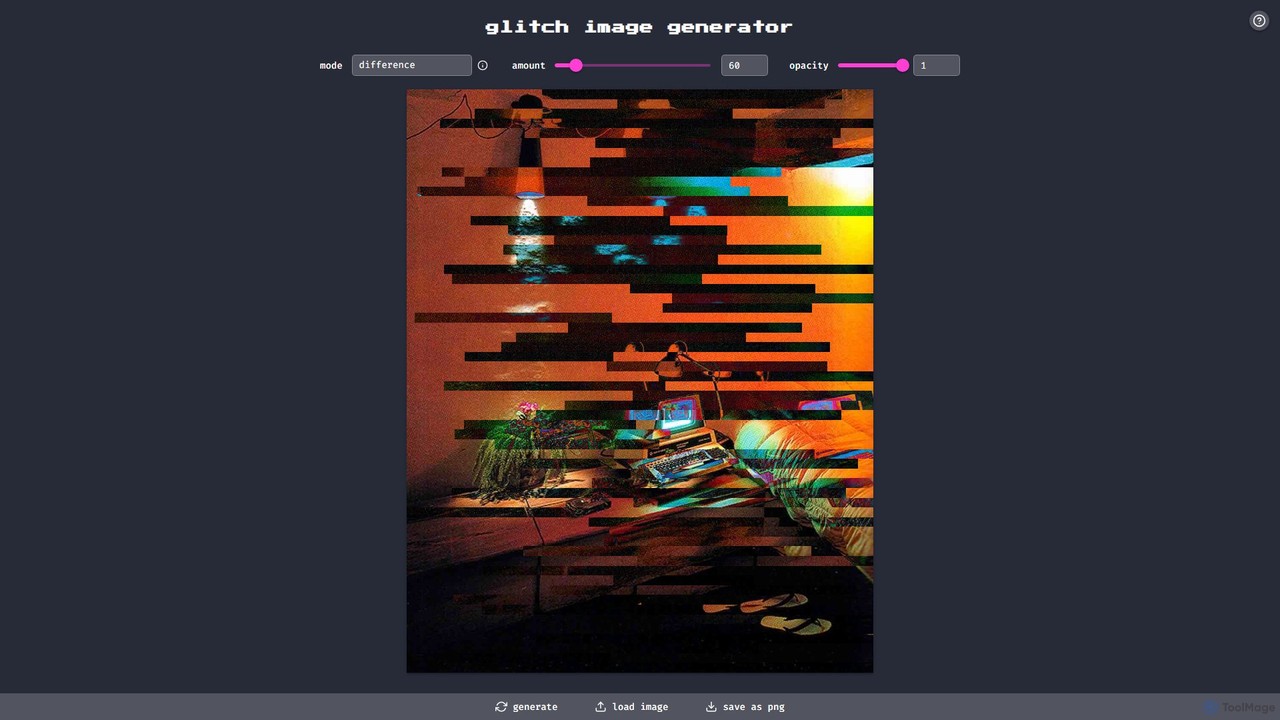
glitchyimage is a free, web-based tool that allows users to create unique glitch art by applying various effects and blend modes to their own images. With an intuitive interface, you can upload a photo, adjust parameters like opacity and effect amount, and generate stunning, high-quality glitch visuals instantly. It's perfect for artists, designers, and social media creators looking to add a modern, edgy aesthetic to their work.

Generative Art
Visits 17.6KFavorites 142Likes 107

About Generative Art

Generative Art tools are AI-powered applications that create unique artworks, images, or designs through algorithms and user inputs. These tools leverage advanced machine learning models, such as GANs and Diffusion Models, to interpret textual or visual prompts and produce novel visual content. They empower artists, designers, and enthusiasts to explore new creative possibilities, automate design processes, and generate diverse visual assets with unprecedented control over style and composition.

Core Features

  • Text-to-Image Generation: Create diverse visual content from descriptive text prompts.
  • Image-to-Image Transformation: Modify existing images by applying new styles or concepts based on prompts.
  • Style Transfer: Apply the artistic style from one image onto another, generating unique fusions.
  • Parameter Control: Fine-tune generation with detailed settings for style, composition, color palettes, and more.
  • Batch Generation: Produce multiple variations or a series of images simultaneously for rapid ideation.

Applicable Scenarios

Generative Art tools are widely adopted across various creative industries. Game and film studios use them for rapid concept art generation, quickly visualizing characters, environments, and props. Digital artists and illustrators leverage these tools to overcome creative blocks, experiment with new aesthetics, and produce unique pieces for portfolios or commercial projects. Marketing and advertising agencies utilize them to create distinctive visuals for campaigns, social media content, and product mockups, ensuring fresh and engaging content.

How to Choose

When selecting a Generative Art tool, consider the quality and diversity of its generated outputs, evaluating the aesthetic coherence and fidelity. Assess the flexibility of its prompt engineering capabilities, checking how well it interprets complex instructions and allows for detailed control. Examine its integration capabilities with existing design software and the available export options for various file formats. Finally, understand the pricing models and licensing terms for commercial use of the generated artworks.

Generative Art use cases

1

Game Concept Art Generation

Game artists utilize generative art tools to rapidly produce a multitude of character, environment, and item concepts from simple text descriptions. By inputting themes like "futuristic cyberpunk city" or "mythical forest creature," they can generate diverse visual ideas in minutes, significantly accelerating the pre-production phase and design iteration cycles for new game titles.

2

Digital Fashion Design Exploration

Fashion designers leverage generative AI to explore innovative garment patterns, textures, and entire outfit concepts. By inputting specific themes, materials, or historical styles, they can generate unique design variations, visualize how different fabrics drape, or create mood boards, fostering creativity and accelerating the initial stages of collection development without extensive manual sketching.

3

Personalized Marketing Visuals

Marketing teams create diverse, eye-catching images for ad campaigns, social media posts, or website banners. By providing prompts related to product features, target demographics, or campaign themes, generative art tools can produce numerous unique visuals tailored to specific audience segments, enhancing engagement and reducing the time spent on graphic design for various marketing channels.

4

Unique NFT Art Creation

Digital artists and collectors utilize generative art tools to produce large collections of distinct artworks with varying traits, ideal for non-fungible token (NFT) projects. By defining a base style and a set of attributes (e.g., background, clothing, accessories), the AI can generate thousands of unique combinations, allowing for the creation of diverse and scalable NFT series without manual drawing for each piece.

5

Architectural Visualization & Mood Boards

Architects and interior designers use generative art tools to create conceptual renderings, mood boards, or texture variations based on spatial descriptions and desired aesthetics. By inputting parameters like "minimalist living room, natural light, wood and concrete materials," they can quickly generate multiple visual interpretations, aiding in client presentations and design exploration without extensive 3D modeling.

6

Music Album Cover Design

Musicians and graphic designers can use generative art tools to create abstract or thematic album artwork from song lyrics, genre descriptions, or mood keywords. By inputting phrases like "ethereal synthwave landscape" or "gritty rock band energy," the AI can produce visually striking and unique covers that perfectly capture the essence of the music, offering endless creative options for album packaging.

Generative Art FAQ

What is Generative Art?

Generative Art is a form of art created using autonomous systems, often AI algorithms, that produce unique visual content. These tools interpret user inputs, such as text prompts or reference images, and generate novel artworks, designs, or images based on learned patterns and styles. It allows for the exploration of new aesthetics and the automation of creative processes, pushing the boundaries of traditional art creation.

How does Generative Art differ from traditional digital art?

Generative Art fundamentally differs from traditional digital art in its creation process. While traditional digital art involves direct human manipulation of software tools to create an image, generative art relies on AI algorithms as a co-creator or primary creator. The artist defines parameters and prompts, and the AI generates the output, often producing unexpected and novel results. This shifts the artist's role from direct execution to guiding and curating the AI's creative output.

What are the main technologies behind Generative Art tools?

The core technologies powering Generative Art tools include Generative Adversarial Networks (GANs), Variational Autoencoders (VAEs), and more recently, Diffusion Models. GANs involve two neural networks competing to generate increasingly realistic outputs. VAEs learn a compressed representation of data to generate new, similar data points. Diffusion Models work by gradually adding noise to an image and then learning to reverse the process to generate coherent images from noise. These models enable the creation of diverse and high-quality visual content.

Who can benefit from using Generative Art tools?

A wide range of individuals and professionals can benefit from Generative Art tools. This includes digital artists seeking new creative avenues or ways to overcome artist's block, graphic designers needing rapid concept generation or diverse visual assets for projects, and marketers looking for unique and personalized visuals for campaigns. Hobbyists and enthusiasts can also explore AI art creation, while game developers and architects can use them for quick visualization and mood boarding.

How do I choose the best Generative Art tool for my needs?

To choose the best Generative Art tool, first evaluate the quality and style of its generated outputs to ensure they align with your aesthetic preferences. Consider the tool's ease of use and the flexibility of its prompt engineering, as some offer more granular control than others. Check for specific features like image-to-image transformation, style transfer, or batch generation if these are crucial for your workflow. Finally, compare pricing models, subscription costs, and the licensing terms for commercial use of the generated art to find a solution that fits your budget and legal requirements.