
Audio Best in category 1 results Voice Dubbing AI Tool

Popular AI tools in the Voice Dubbing field of Audio include Huiying Zimu, etc., helping you quickly improve efficiency.

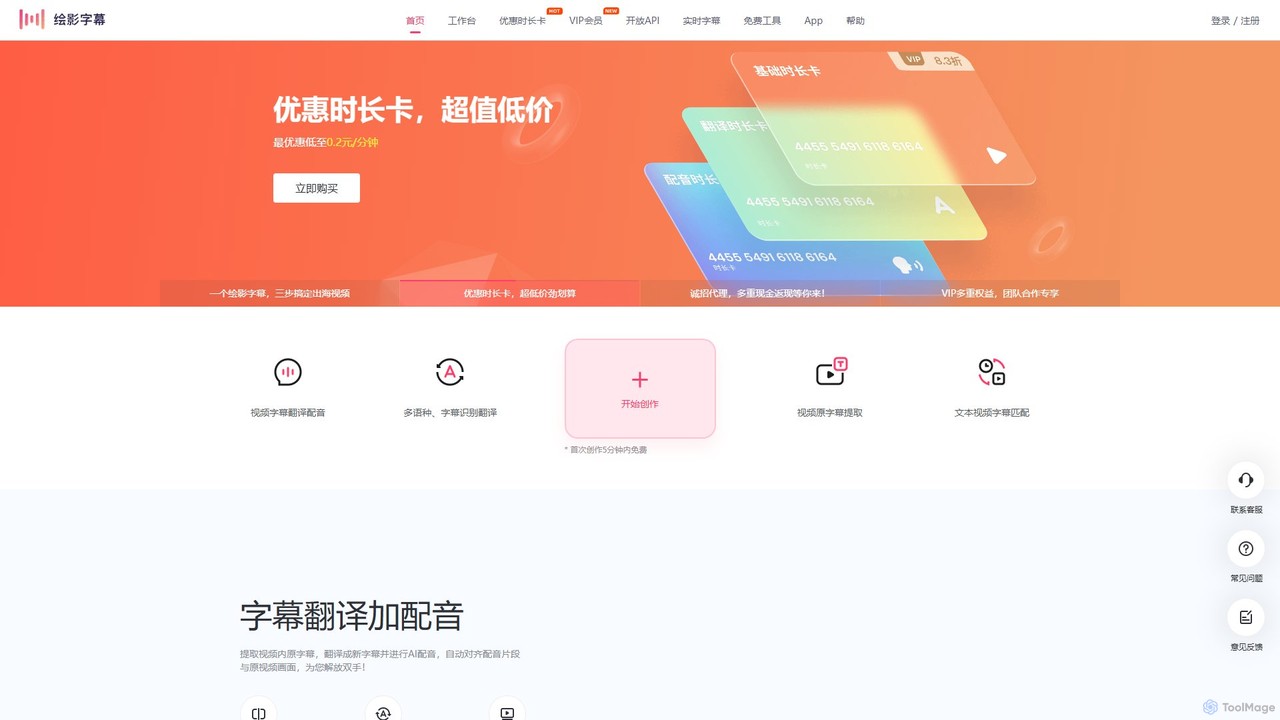
Huiying Zimu

Huiying Zimu

Huiying Zimu is an AI-powered video localization platform that automates subtitling, translation, and dubbing. It enables content creators, …

148.4K

About Voice Dubbing

AI Voice Dubbing tools automatically replace the original speech in a video or audio file with a new voice, often in a different language. These tools utilize a combination of speech-to-text, machine translation, and advanced voice synthesis to generate new audio that preserves the original speaker's tone and timing. The primary value is in efficiently creating localized content for global audiences, significantly reducing the cost and complexity of traditional studio dubbing. This technology makes multilingual content creation accessible to a wider range of creators and businesses.

Core Features

  • Multi-Language Dubbing: Automatically translates and generates dubbed audio in numerous languages from a single source file.
  • Emotion & Prosody Transfer: Analyzes and replicates the emotional tone, pitch, and rhythm of the original speaker in the dubbed voice.
  • Lip-Sync Synchronization: Adjusts the timing and cadence of the generated speech to match the on-screen speaker's lip movements.
  • Speaker Identification: Differentiates multiple speakers within the same audio track and assigns distinct voices for each.
  • Voice Cloning Integration: Allows using a cloned voice for the dubbed version to maintain speaker consistency across languages.

Use Cases

These tools are widely used by content creators for localizing YouTube videos, by e-learning platforms to create multilingual training modules, and by marketing teams to adapt video advertisements for different international markets. They are also valuable in film and media for producing dubbed versions for global distribution on a budget.

How to Choose

When selecting a tool, consider the range of supported languages and the naturalness of the voice quality. Evaluate the accuracy of emotion preservation and lip-sync capabilities. Also, check for API access for workflow integration and review the pricing model, which is often based on the duration of audio processed.

Voice DubbingUse Cases

1

Localizing Video Content for Global Audiences

A content creator wants to expand their YouTube channel's reach to Spanish and Japanese-speaking audiences. Instead of hiring expensive voice actors, they use an AI Voice Dubbing tool. They upload their English video, and the tool automatically transcribes, translates, and generates a new audio track in the target languages. The AI preserves the original enthusiastic tone, and the lip-sync feature ensures the new audio matches the creator's on-screen presence, making the content feel native to the new audience.

2

Creating Multilingual Corporate Training Modules

A multinational corporation needs to deploy a new compliance training video to its employees in Germany, France, and Brazil. The HR department uses an AI dubbing platform to convert the original English video. The tool identifies the two speakers in the video and applies distinct, professional-sounding voices for each in German, French, and Portuguese. This ensures consistent and clear training for all employees, regardless of their native language, at a fraction of the cost of traditional methods.

3

Rapid Dubbing for Independent Film Distribution

An independent filmmaker has secured a distribution deal that requires their film to be available in Italian and Korean. With a limited post-production budget, they turn to AI dubbing. The tool processes the entire film's audio, maintaining the dramatic tension and emotional nuances of the original performances. This allows them to meet the distributor's requirements quickly and affordably, opening up new international markets for their work.

4

Adapting Marketing Campaigns for Regional Markets

A marketing agency is launching a video ad campaign across several European countries. They use an AI dubbing tool to create versions for Spain, France, and Poland. They can even select voice styles that align with the local culture for each market. The process is so fast that they can A/B test different voiceovers in each region to see which one performs best, optimizing their ad spend and increasing engagement.

5

Dubbing Foreign-Language Interviews for Documentaries

A documentary producer is editing a film that includes several interviews with subjects who speak Mandarin Chinese. To make the content accessible to an English-speaking audience, they use an AI dubbing tool. The tool generates an English voiceover that syncs with the interviewees' speech patterns and timing. This preserves the authenticity of the interview while removing the need for distracting subtitles, allowing the audience to focus on the story and visuals.

6

Generating Voiceovers for Educational Content

An online course provider wants to repurpose their popular video lectures for an audio-only format, like a podcast, and in multiple languages. They use an AI dubbing tool to not only translate the lectures but also to generate high-quality, clear voiceovers. The tool's ability to use a consistent, cloned voice of the original instructor across all languages helps maintain brand identity and a familiar learning experience for students worldwide.

Voice DubbingFrequently Asked Questions