Automation Best in category 4 results Marketing Automation AI Tool

Popular AI tools in the Marketing Automation field of Automation include Faceless.so、Shortspilot、Adsroid、Swift Missive, etc., helping you quickly improve efficiency.

Adsroid

Adsroid

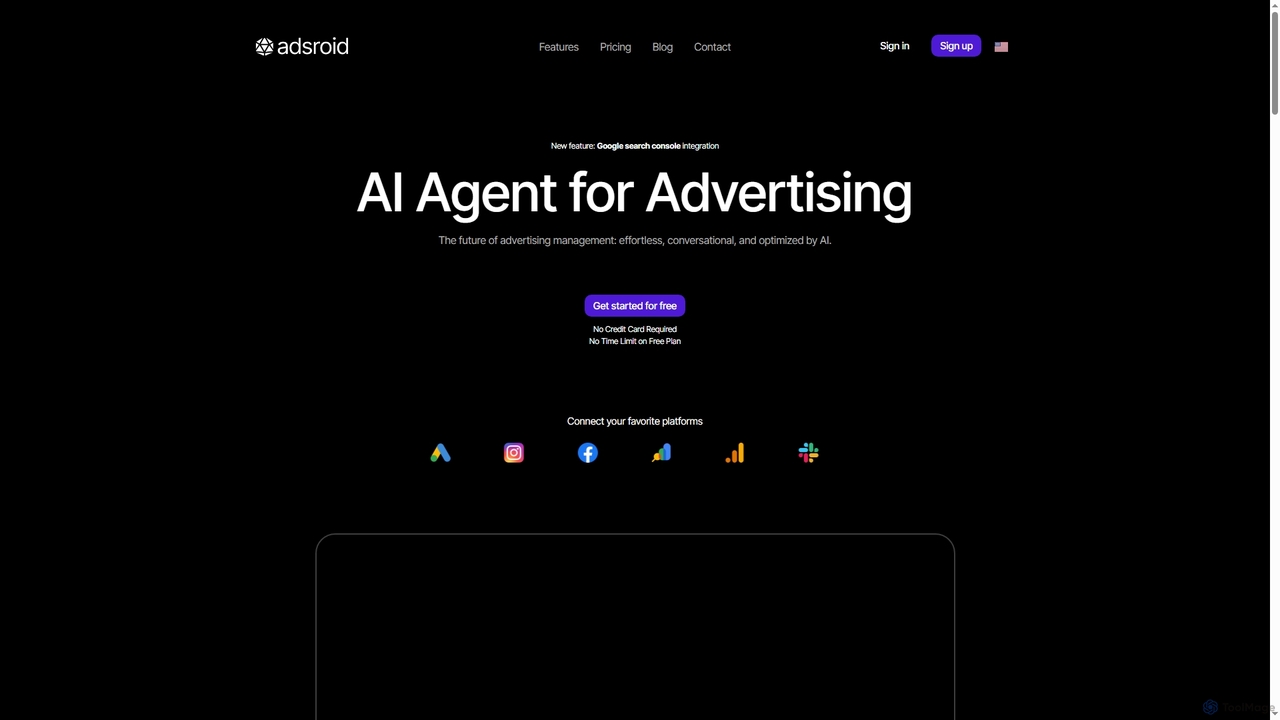
Adsroid is an AI-powered conversational agent designed to simplify and optimize advertising campaign management across platforms like Google …

10.9K
Swift Missive

Swift Missive

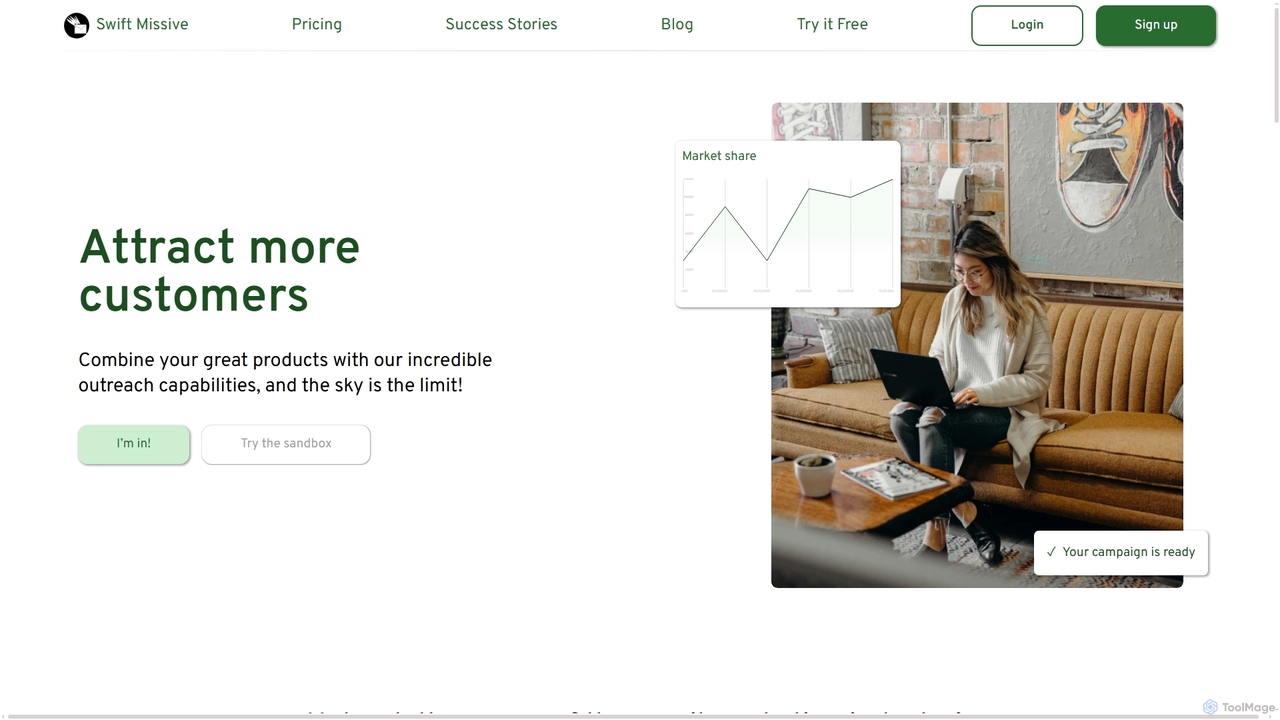
Swift Missive is an AI-powered email marketing platform designed for efficiency and cost-effectiveness. It features a unique pay-as-you-go …

3.9K
Shortspilot

Shortspilot

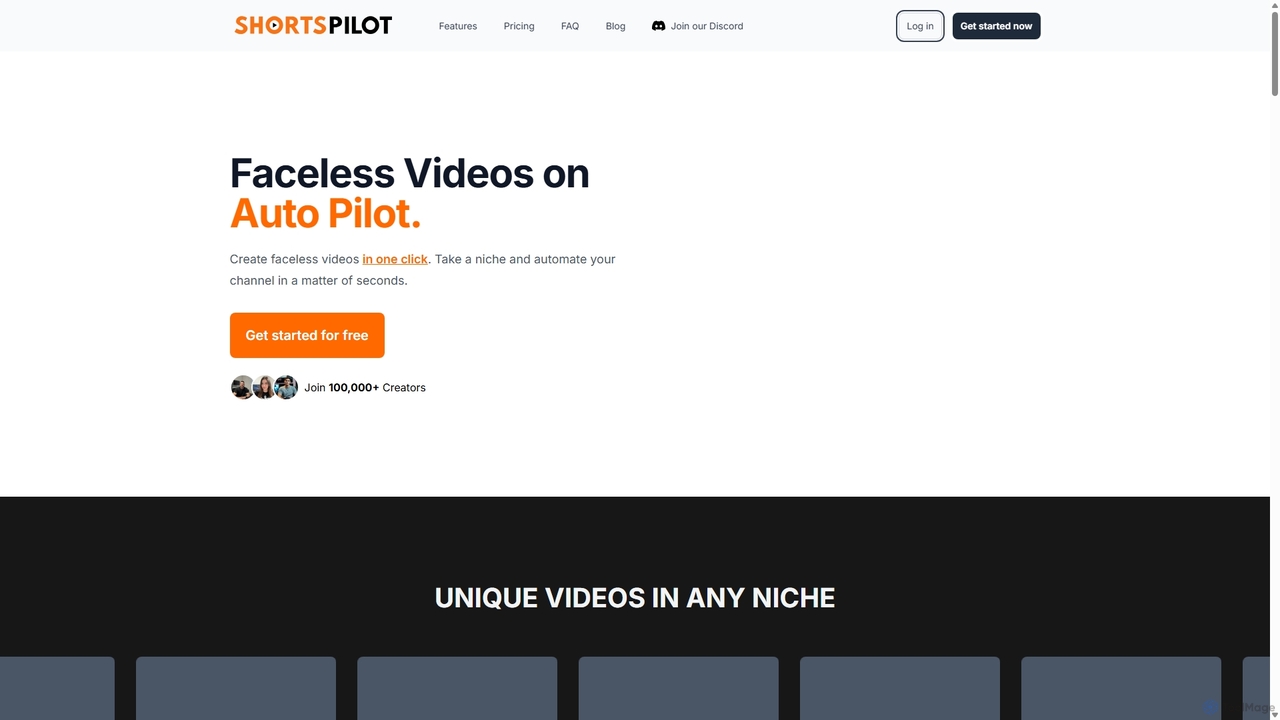
Shortspilot is an AI-powered faceless video generator that automates the creation of short videos for TikTok and YouTube. …

21.2K
Faceless.so

Faceless.so

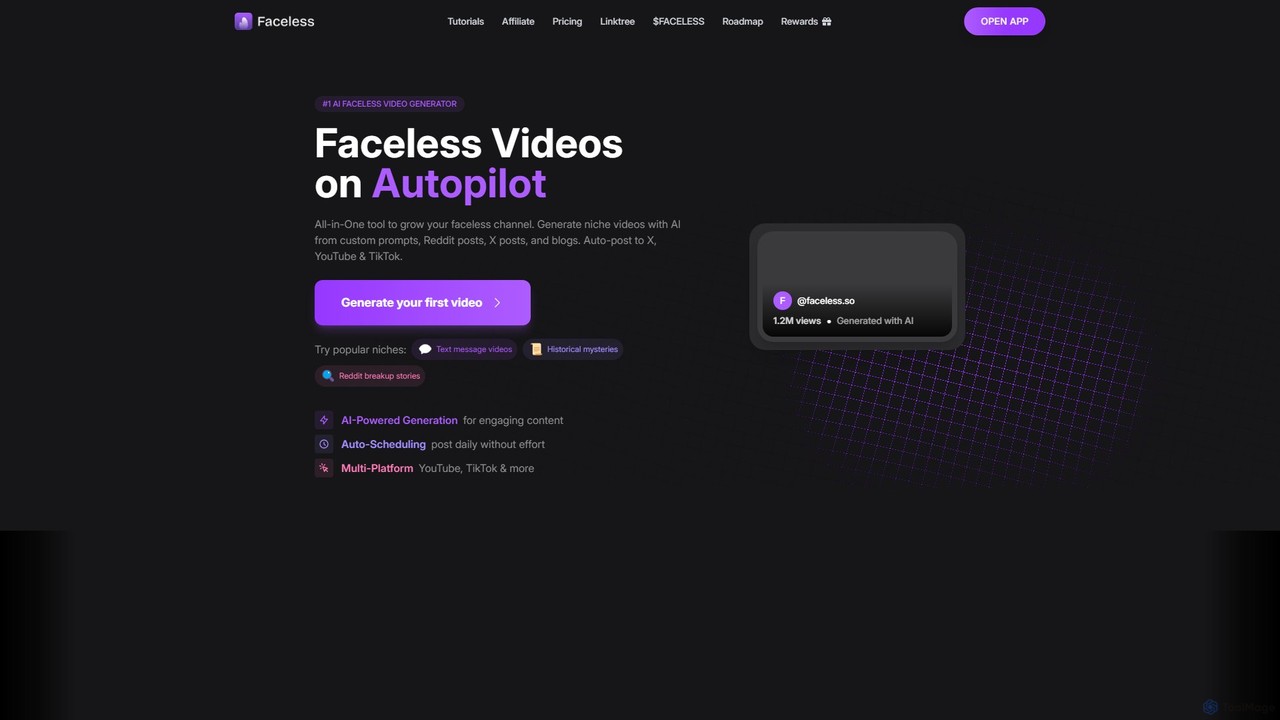
Faceless.so is an all-in-one AI video generator for creating and automating faceless videos for social media. It transforms …

114.5K

About Marketing Automation

Marketing Automation tools are a specialized category of software that uses AI to streamline, automate, and measure marketing tasks and workflows. These platforms are designed to nurture leads, personalize customer journeys, and execute multi-channel campaigns without manual intervention. By automating repetitive processes like email sequences, social media posting, and ad campaign management, businesses can engage audiences more effectively and drive revenue growth. They differ from general automation by focusing specifically on marketing-centric functions like lead scoring, segmentation, and campaign analytics.

Core Features

  • Lead Nurturing & Scoring: Automatically qualifies and prioritizes leads based on their engagement and demographic data.
  • Multi-Channel Campaigns: Manages and automates communications across email, social media, SMS, and web channels.
  • Behavioral Triggers: Initiates automated workflows based on specific user actions, such as website visits or content downloads.
  • Dynamic Content Personalization: Tailors messaging and offers to individual users based on their data and behavior.
  • Performance Analytics: Provides detailed reports on campaign effectiveness, ROI, and customer lifetime value.

Use Cases

Marketing Automation is crucial for B2B and B2C companies aiming to scale their marketing efforts. It's widely used by marketing teams in SaaS, e-commerce, real estate, and education to manage complex customer lifecycles. Digital marketing agencies also leverage these tools to manage campaigns for multiple clients efficiently.

How to Choose

When selecting a tool, consider its integration capabilities with your existing CRM and other software. Evaluate the scope of its features—does it cover email, social, and ads? Assess its scalability to grow with your business and its user interface for ease of use. Finally, compare pricing models, such as contact-based or feature-tiered plans.

Marketing AutomationUse Cases

1

Automate Email Welcome Series for New Subscribers

An e-commerce marketing manager needs to engage new subscribers immediately after they sign up. Using a Marketing Automation tool, they create a five-part welcome email series. The first email delivers a welcome discount, subsequent emails showcase popular product categories, share user-generated content, and explain the brand's story. The workflow is triggered automatically upon subscription, ensuring every new lead receives a consistent and engaging onboarding experience. This process helps convert new subscribers into first-time customers and builds brand loyalty from the start.

2

Implement Lead Scoring for B2B Sales Teams

A B2B software company's sales team spends too much time on unqualified leads. The marketing operations manager implements a lead scoring system within their automation platform. Points are automatically assigned to leads based on their attributes (e.g., job title, company size) and behaviors (e.g., visiting the pricing page, downloading a whitepaper). Once a lead reaches a certain score threshold, they are automatically flagged as a 'Marketing Qualified Lead' (MQL) and assigned to a sales representative. This ensures the sales team focuses their efforts on the most promising prospects, increasing efficiency and conversion rates.

3

Schedule Social Media Content Across Platforms

A small business owner wants to maintain a consistent presence on Instagram, Facebook, and Twitter but lacks the time for daily posting. Using a marketing automation tool with social media scheduling features, they can plan and write a week's worth of content in a single session. They upload images, write captions, and select the optimal posting times for each platform. The tool then automatically publishes the content throughout the week. This allows the owner to engage their audience consistently without being tied to their devices, freeing up time for other core business activities.

4

Launch Abandoned Cart Recovery Campaigns

An online retailer notices a high cart abandonment rate. To recapture lost sales, they set up an automated workflow. When a customer adds items to their cart but doesn't complete the purchase within an hour, the system automatically sends a reminder email. If the purchase is still not made, a second email with a small discount code is sent 24 hours later. This automated sequence runs 24/7, targeting interested shoppers at the right moment to encourage them to complete their purchase, significantly boosting a key revenue stream with minimal manual effort.

5

Personalize Customer Journeys Based on Behavior

A SaaS company wants to increase user engagement and reduce churn. Using their marketing automation platform, they create dynamic customer journeys. For example, if a user watches a tutorial video about a specific feature, they are automatically entered into a workflow that sends them an email with advanced tips for that feature. If another user repeatedly visits the 'Upgrade' page but doesn't convert, they receive a targeted offer or an invitation to a demo. This behavioral targeting ensures that every communication is relevant to the user's current interests and needs, leading to higher engagement and retention.

6

Automate Webinar and Event Follow-ups

A marketing agency hosts monthly webinars for lead generation. An event marketer uses an automation tool to manage the entire communication process. The system sends registration confirmation, pre-event reminders, and a 'join now' link on the day of the event. After the webinar, it automatically segments the attendee list into 'attended' and 'did not attend'. Attendees receive a thank-you email with a link to the recording, while non-attendees receive a 'sorry we missed you' email with the same link. This ensures timely and relevant follow-up for all registrants, maximizing lead conversion opportunities from the event.

Marketing AutomationFrequently Asked Questions