Brand Management Best in category 1 results Reputation Monitoring AI Tool

Popular AI tools in the Reputation Monitoring field of Brand Management include Ranksmith, etc., helping you quickly improve efficiency.

Ranksmith

Ranksmith

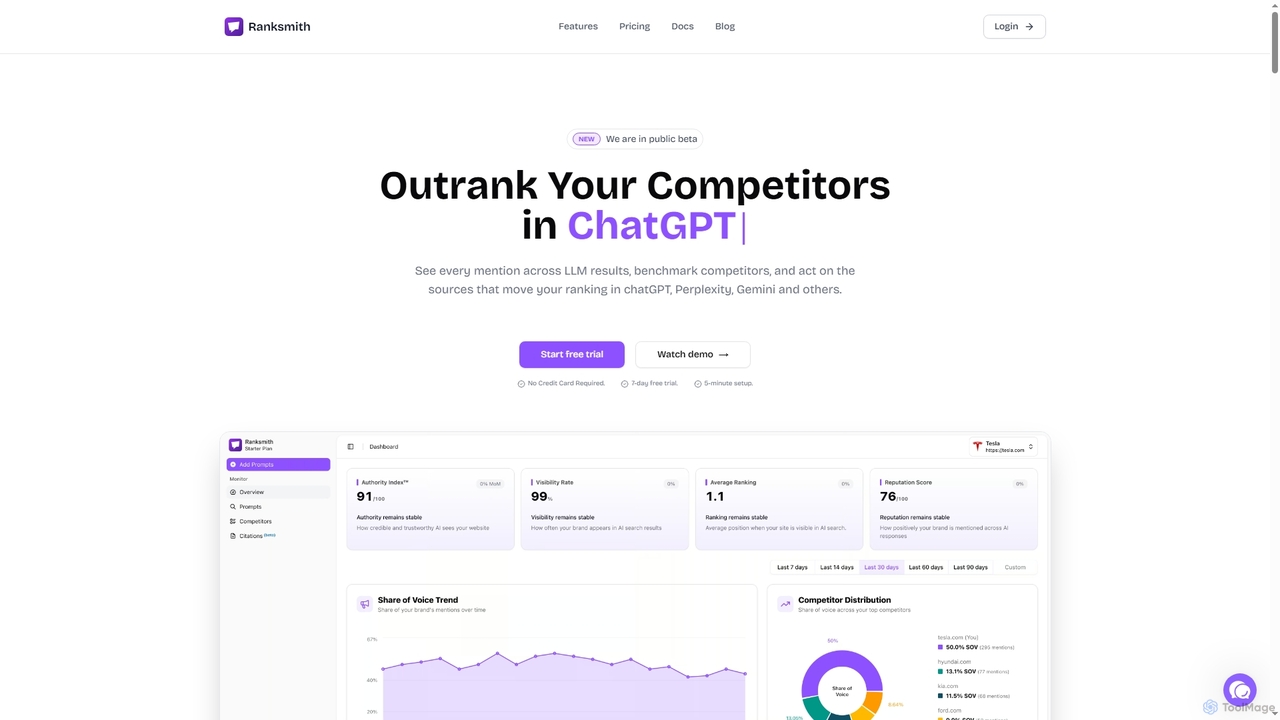
Ranksmith is a Generative Engine Optimization (GEO) platform designed for the AI search era. It helps businesses monitor, …

4.2K

About Reputation Monitoring

Reputation Monitoring tools are AI-powered platforms designed to track, analyze, and manage an organization's public perception across various digital channels. These tools leverage advanced natural language processing (NLP) and machine learning to continuously scan social media, news outlets, review sites, and forums for mentions of a brand, product, or individual. By providing real-time insights into sentiment, trends, and potential issues, they enable businesses to proactively protect their brand image, respond to feedback, and mitigate crises before they escalate. This proactive approach is crucial for maintaining trust and credibility in today's interconnected digital landscape, forming a vital part of overall brand management.

Core Features

  • Real-time Alerts: Instant notifications for critical mentions, negative sentiment spikes, or emerging crises.
  • Sentiment Analysis: Automatically categorize mentions as positive, negative, or neutral to gauge public mood.
  • Source Monitoring: Comprehensive tracking across social media, news, blogs, forums, and review platforms.
  • Competitor Benchmarking: Compare brand reputation and sentiment against key competitors.
  • Reporting & Analytics: Generate detailed reports on brand health, key influencers, and trend analysis.

Applicable Scenarios

Businesses across all sectors, from e-commerce to B2B services, utilize reputation monitoring. Marketing and PR teams use these tools to track campaign performance and public sentiment. Customer service departments leverage them to identify and address customer complaints or feedback mentioned outside official channels. Corporate communications teams rely on them for crisis prevention and management, ensuring a rapid and informed response to any negative publicity.

How to Choose

When selecting a reputation monitoring tool, consider the breadth of its monitoring sources (e.g., social media, news, dark web), the accuracy of its sentiment analysis, and the granularity of its reporting features. Evaluate its real-time alert capabilities and integration options with existing CRM or social media management platforms. Scalability, ease of use, and pricing models that align with your monitoring volume and team size are also critical factors for an effective choice.

Reputation MonitoringUse Cases

1

Proactive Crisis Management and Prevention

A PR manager for a large consumer brand uses reputation monitoring to detect early signs of negative sentiment or misinformation spreading on social media or news sites. The tool's real-time alerts notify them of unusual spikes in negative mentions related to a product recall rumor. This allows the PR team to quickly investigate, prepare an official statement, and launch a targeted communication strategy to address concerns before the rumor escalates into a full-blown crisis, protecting brand trust and stock value.

2

Enhancing Customer Service and Engagement

A customer support team in the hospitality industry employs reputation monitoring to identify guests discussing their hotel experiences on review platforms or social media, even if they don't directly tag the brand. When a guest posts a complaint about a specific amenity on Twitter, the support team receives an alert. They can then proactively reach out to the guest, offer a solution, and demonstrate commitment to customer satisfaction, turning a potential negative review into a positive interaction and improving overall brand perception.

3

Tracking Brand Health and Campaign Performance

A marketing director launches a new product campaign and uses reputation monitoring to track its immediate impact on public perception. The tool analyzes mentions across various platforms, providing sentiment scores and identifying key themes. This helps the director understand if the campaign message resonates positively, identify any unexpected negative reactions, and measure the overall increase in brand mentions and positive sentiment, allowing for real-time campaign adjustments and ROI assessment.

4

Competitor Analysis and Market Insights

A business development manager in the tech sector uses reputation monitoring to keep tabs on competitors' public perception and product launches. By monitoring mentions, reviews, and news about rival companies, they gain insights into customer pain points with competitor products, identify market gaps, and understand public reaction to new features. This intelligence informs their own product development strategy, marketing messaging, and competitive positioning, helping them stay ahead in a dynamic market.

5

Managing Online Reviews and Feedback

An e-commerce store owner utilizes reputation monitoring to aggregate and analyze customer reviews from multiple platforms like Amazon, Google My Business, and industry-specific forums. The tool highlights recurring issues or praises, allowing the owner to identify popular products, address common complaints with product updates or improved descriptions, and respond promptly to both positive and negative feedback. This systematic approach improves customer satisfaction, boosts SEO, and builds a stronger online presence.

6

Identifying Influencers and Brand Advocates

A social media manager for a fashion brand uses reputation monitoring to identify key influencers and micro-influencers who are organically mentioning or praising their products. The tool helps track who is generating positive buzz and has significant reach within their target audience. This allows the manager to engage with these advocates, potentially fostering partnerships or collaborations, amplifying positive brand messaging, and expanding their organic reach through authentic endorsements.

Reputation MonitoringFrequently Asked Questions